Why Does My Cat Attack Me at Night?
Sudden nighttime cat attacks usually mean pent-up hunting energy or boredom, not real aggression. A vet explains the 6 common reasons and how to get peaceful nights back.


BVMS MRCVS

This article contains affiliate links. Webvet may earn a commission when you buy through them, at no extra cost to you.
Cats are fascinating animals with a variety of intriguing behaviors, one of which is their nighttime activity. Chances are, you’ve experienced a cat attack in the middle of the night.
Here are some possible reasons behind this tendency (and some insights into the feline mind). When you’re more aware of these issues, you can create a more harmonious living situation for both of you.
1. Hunting Instincts (Cats Are Crepuscular, Not Nocturnal)

Cats are crepuscular, not nocturnal, which means they are naturally most active at dawn and dusk. Their wild ancestors hunted in those low-light windows when prey was on the move, relying on keen senses and stealth to catch it, and many house cats still feel that same surge of energy in the early morning and again in the evening.
Over time, domestication has altered some of these instincts, but it has not completely eliminated them. As a result, your cat may still feel the urge to hunt and stalk, even in the safety of your home.
At night, when the house is quiet and you’re asleep, your cat’s hunting instincts may kick in. They may see your moving feet under the covers or hear you shifting in bed, which can trigger their predatory instincts.
Consequently, your cat may pounce or attack, interpreting your movements as potential prey. While it can be startling and even painful for you, just keep in mind that this behavior is rooted in your cat’s natural instincts.
To help curb these nighttime attacks, try the following tips:
- Interactive Playtime: Engage your cat with toys that mimic prey, such as feather wands, toy mice, or laser pointers.
- Puzzle Feeders: Provide your cat with puzzle feeders or treat-dispensing toys that require them to use their hunting skills to access food or treats.

Teaser wand with a feathered bird charm and catnip to trigger your cat's chase-and-pounce instinct.
Webvet may earn a commission when you click through to Chewy, at no extra cost to you.
- Hide and Seek: Hide treats or small portions of your cat’s food around the house, encouraging them to use their senses to search for and “hunt” their meal.
- Outdoor Enclosures: If possible, provide your cat with a safe, enclosed outdoor space where they can observe and interact with nature. Make sure they can watch birds, insects, and other small animals without harming them.
- Bird Feeders: Set up bird feeders outside windows where your cat can safely watch birds from indoors.
2. Playtime and Energy Release

Engaging in playtime helps release pent-up energy that might otherwise be directed toward unwanted behaviors, such as nighttime attacks. If your cat is not receiving enough playtime during the day, they may have excess energy that needs an outlet.
Reduce excess energy before nighttime comes through:
- Feather wand play
- Laser pointer games
- Fetch
- Chase toys
- Cat trees and climbing
- Paper bag or cardboard box play
- Kicker toys
- Tag or hide-and-seek
- Regular play sessions
3. Attention-Seeking Behavior
Cats can be clever when it comes to getting your attention, and sometimes, they may resort to attacking you at night. If your cat has learned that attacking you results in attention, even if it’s negative attention, they may continue this behavior.
To address attention-seeking nighttime attacks, observe these tips:
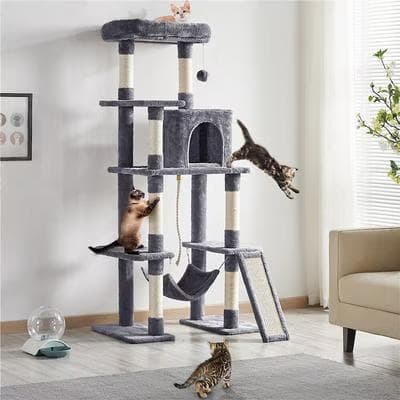
63-inch multi-level cat tree with plush perches, a condo, a hammock, sisal scratching posts, and a dangling toy. Dark gray.
Webvet may earn a commission when you click through to Chewy, at no extra cost to you.
- Establish a Routine: Create a consistent daily routine for your cat that includes regular feeding times, play sessions, and quiet times. This will help your cat understand when it’s time for attention and when it’s time for rest.
- Provide Ample Daytime Attention: Ensure you’re giving your cat plenty of attention during the day through play, grooming, or simply spending time together.
- Engage in Calming Activities Before Bed: Spend time engaging in calming activities with your cat before bedtime, such as gentle petting or grooming. This can help relax your cat and signal that it’s time for sleep.
- Consistent Bedtime: Establish a consistent bedtime for both you and your cat to help them understand when it’s time for rest and reduce the likelihood of attention-seeking behavior at night.
- Reward Positive Behavior: Reward your cat with praise, treats, or affection when they exhibit positive behavior during the night, such as sleeping quietly or staying in their designated sleeping area.
4. Misdirected Aggression
Misdirected aggression occurs when a cat becomes agitated or intrigued by a stimulus they cannot directly confront, such as a loud noise or another animal outside. Then they redirect their aggression toward another pet or a nearby person, you.
Consider the following strategies to address this issue.
- Identify Triggers: Observe your cat’s behavior to identify the triggers that may be causing their misdirected aggression. Common triggers include:
- Minimize Exposure to Triggers: Take steps to minimize your cat’s exposure to triggers. For example:
- Provide a Calming Environment: Create a peaceful and calming environment for your cat by providing them with comfortable sleeping areas, soft lighting, and calming scents, such as FELIWAY or other pheromone-based products.
- Behavior Modification: Work with a professional behaviorist or veterinarian to develop a behavior modification plan. It could help your cat cope with and respond more appropriately to their triggers.
- Intervene Early: If you notice your cat becoming agitated or displaying signs of misdirected aggression, intervene early by redirecting their attention to a positive activity. Try playing with a toy or engaging in a training session.
5. Medical Issues

Nighttime attacks can sometimes be a result of underlying medical issues that cause your cat discomfort or pain, leading to increased irritability and aggression. Some common medical issues that may contribute to nighttime attacks include:
- Arthritis: Joint pain and inflammation can cause your cat discomfort, especially when they are trying to rest or sleep, potentially leading to nighttime aggression.
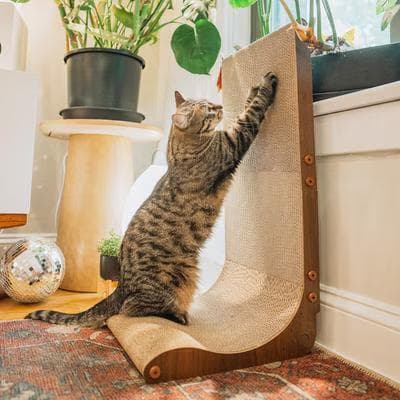
Curved cardboard wall scratcher with a wood frame that protects walls and gives cats a satisfying vertical scratch surface.
Webvet may earn a commission when you click through to Chewy, at no extra cost to you.
- Dental Issues: Tooth pain or gum inflammation can cause your cat to become irritable and more prone to aggressive behavior.
- Skin Conditions: Allergies, skin infections, or parasites can cause itching and discomfort, which may lead to increased irritability and aggression.
- Neurological Issues: Conditions affecting the brain or nervous system, such as cognitive dysfunction or seizures, can contribute to changes in behavior, including increased aggression.
- Hormonal Imbalances: Imbalances in hormones, such as hyperthyroidism, can cause changes in your cat’s behavior and mood, potentially leading to nighttime attacks.
To address medical issues that may be contributing to nighttime attacks, consider the following steps:
- Consult Your Veterinarian: If you suspect your cat’s nighttime attacks may be related to a medical issue, consult your veterinarian for a thorough examination and diagnosis.
- Follow Prescribed Treatment Plans: If your cat is diagnosed with a medical condition, follow your veterinarian’s prescribed treatment plan to help alleviate their discomfort and potentially reduce aggressive behavior.
- Monitor Your Cat’s Behavior: Keep a close eye on your cat’s behavior and note any changes or patterns that may indicate an underlying medical issue. Regular check-ups with your veterinarian can help identify and address medical issues before they worsen.
- Maintain a Healthy Lifestyle: Provide your cat with a balanced diet, regular exercise, and routine veterinary care to help maintain their overall health and well-being, reducing the likelihood of medical issues that may contribute to nighttime attacks.
6. Improper Socialization
Improper socialization during a cat’s early life can contribute to nighttime attacks, as they may not have learned appropriate boundaries and behaviors. Unsocialized cats may exhibit increased fear, anxiety, and aggression, leading to destructive or aggressive nighttime behaviors.
To address improper socialization, consider the following strategies:
- Gradual Exposure to New Experiences: Slowly introduce your cat to new experiences, environments, and people to help them build confidence and learn appropriate behaviors. Be patient and progress at your cat’s pace.
- Positive Reinforcement: Reward your cat with treats, praise, or affection when they exhibit calm and appropriate behavior. This will help reinforce positive behaviors and reduce anxiety or fear.

Lickable cat treats with real chicken, made to support comfort and tranquility. 12 single-serve 0.5-oz tubes.
Webvet may earn a commission when you click through to Chewy, at no extra cost to you.
- Consistent Boundaries: Establish consistent boundaries and routines to help your cat understand what is expected of them.
- Socialization With Other Animals: If possible, expose your cat to other friendly animals in a controlled and supervised environment. This can help them learn appropriate social behaviors.
- Professional Guidance: Work with a professional behaviorist or veterinarian experienced in feline behavior to develop a tailored socialization plan for your cat. They can provide guidance on addressing specific issues and help you monitor your cat’s progress.
Conclusion to a Nighttime Cat Attack
If you are struggling with your cat’s nighttime attacks, take heart! With patience and commitment to change, you can make a real difference in how safe and secure you, and your pet, feel.
If you experience a worst-case scenario and your cat’s behavior isn’t improving, don’t hesitate to reach out to a veterinarian or a professional behaviorist for guidance. In time, you’ll help your cat learn better behaviors that will improve both of your lives.
Can stress or anxiety contribute to nighttime attacks in cats?
Yes, stress and anxiety can contribute to nighttime attacks in cats. An anxious or stressed cat may exhibit increased aggression or exhibit unwanted behaviors during the night. Identifying and addressing the sources of stress or anxiety, such as changes in the environment, new pets, or loud noises, can help reduce nighttime attacks.
How can I safely intervene if my cat is in the middle of a nighttime attack?
If your cat is in the middle of a nighttime attack, it’s crucial to intervene safely to avoid injury to yourself or your cat. You can try using a loud noise, such as clapping your hands or shaking a can with coins inside, to startle and distract your cat. Alternatively, you can use a toy or object to redirect their attention away from the attack. Never physically intervene with your hands or body, as this may result in injury.
If my cat continues to exhibit nighttime attacks despite my efforts, what other options do I have?
If your cat continues to exhibit nighttime attacks despite your efforts, it’s essential to consult with a veterinarian or a professional behaviorist for further guidance. They can help identify any underlying issues that may be contributing to the attacks and recommend additional interventions or treatments, such as behavior modification techniques or medication, to help manage the problem.
Frequently Asked Questions
How do I get my cat to stop attacking me at night?
Drain the energy before bed instead of punishing the behavior. Run a 10 to 15 minute wand-toy session that ends with a "catch," then feed a meal so your cat hunts, eats, grooms, and sleeps. If a pounce still lands, freeze rather than jerk away (motion mimics fleeing prey), then calmly disengage. Consistency over a couple of weeks usually breaks the cycle.
What is the 3-3-3 rule with cats?
The 3-3-3 rule is a rough timeline for a newly adopted cat: about 3 days to decompress and feel safe, 3 weeks to settle into a routine and learn the household, and 3 months to feel fully at home. A cat still in that adjustment window may be more reactive or play-rough at night, so patience and a predictable routine matter most early on.
How do I discipline my cat for attacking?
You do not. Yelling, spraying water, or swatting raises fear and stress and tends to make biting and pouncing worse, not better. Cats learn far faster from consequence and redirection: the instant teeth or claws touch skin, end the interaction, withhold attention, and walk away. Redirect that energy onto a toy and reward the calm, gentle behavior you want to see again.
At what age are cats most aggressive?
Rough, predatory play peaks in kittens and young cats roughly between 4 months and 2 years, when prey drive is high and impulse control is still developing. Most cats mellow as they mature. Aggression that starts suddenly in an adult or senior cat is different: it is more often pain, illness, or stress than a behavior stage, and it warrants a vet visit.
Why does my cat suddenly attack me at night when it never used to?
A sudden change in behavior is the one pattern to take seriously. Pain (dental disease, arthritis, an injury), illness, or a new stressor such as a stray cat outside the window can make a previously gentle cat lash out. If the aggression is new, intense, or paired with other signs like hiding, appetite changes, or litter box trouble, have your veterinarian rule out a medical cause before treating it as a training issue.
Related reading
Nighttime pouncing is one piece of a much bigger picture. Learn to read the whole cat in our guide to cat body language, then dig into the specific triggers behind biting: redirected aggression in cats explains the overstimulated "stray at the window" reaction, and why your cat bites you when you pet her covers petting-induced nips. If the behavior is new, start with how to tell if a cat is in pain to rule out a medical cause first.

Wendy Toth is an entrepreneurial writer, editor, and mom of two humans, two dogs and one cat. She’s currently Content Director here at PetFul. For the last 15 years she has held positions at Parents Magazine, NBC, PetSmart, and GreatPetCare, where she was co-founder. Her writing has appeared in many national outlets including Pet Lab Co., Retail Me Not, Ask Men, Wild Society Nutrition, and The New York Times. Because she loves her work so much, she’s obsessed with helping others find career fulfillment, and covers it regularly at PowerSuiting.
Veterinarian · BVMS MRCVS
Dr. Pippa Elliott, BVMS, MRCVS, is a veterinarian with nearly 30 years of experience in companion animal practice. Dr. Elliott earned her Bachelor of Veterinary Medicine and Surgery from the University of Glasgow. She was also designated a Member of the Royal College of Veterinary Surgeons. Married with 2 grown-up kids, Dr. Elliott has a naughty Puggle named Poggle, 3 cats and a bearded dragon.


