Cat symptom
Excessive drooling in cats
Reviewed by the Webvet Veterinarian Team · Last reviewed June 22, 2026
More saliva than normal. Some breeds drool a lot normally, but a sudden increase can mean mouth pain, nausea, something stuck, or exposure to a toxin.
Common causes of excessive drooling in cats
- Dental disease, a broken tooth, or mouth ulcers
- Something stuck in the mouth or throat
- Nausea (often just before vomiting)
- Tasting something bitter or toxic; heatstroke
Who's most at risk
- Pets with dental disease
- Curious chewers and puppies/kittens
- Homes with toxic plants or chemicals
- Flat-faced and giant breeds (heat, dental crowding)
What you can do at home
- Gently look in the mouth (only if safe) for anything stuck or red, sore gums
- Remove access to anything they may have chewed; save it for the vet
- Don't put your hand in the mouth of a distressed or painful pet
When to see a vet
- You suspect a toxin, plant, or chemical exposure
- Pawing at the mouth, unable to close it, or something is visibly stuck
- Drooling with collapse, tremors, or trouble breathing
- A painful mouth, not eating, or a bad smell
When it's more serious
- Sudden drooling after a possible toxin needs immediate care — call a vet or poison line.
- Possible foreign body or airway problem — seek emergency care now.
- Likely dental disease or a sore mouth — book a vet visit.
What your vet may do
- Oral exam (sometimes sedated) to find pain or a foreign body
- Remove an object or treat dental disease
- Anti-nausea care if it's a gut cause
- Toxin treatment if exposure is suspected
Questions to ask your vet
- Is there something stuck, or a painful tooth?
- Could this be nausea or a toxin?
- Does the mouth need a sedated exam?
- What pain relief is safe?

Frequently asked questions
What causes excessive drooling in cats?
More saliva than normal. Some breeds drool a lot normally, but a sudden increase can mean mouth pain, nausea, something stuck, or exposure to a toxin. Common causes include: Dental disease, a broken tooth, or mouth ulcers; Something stuck in the mouth or throat; Nausea (often just before vomiting); Tasting something bitter or toxic; heatstroke.
Is excessive drooling in cats an emergency?
Book a veterinary visit soon. See a vet right away if: You suspect a toxin, plant, or chemical exposure; Pawing at the mouth, unable to close it, or something is visibly stuck; Drooling with collapse, tremors, or trouble breathing; A painful mouth, not eating, or a bad smell.
What can I do at home for a cat with excessive drooling?
Gently look in the mouth (only if safe) for anything stuck or red, sore gums. Remove access to anything they may have chewed; save it for the vet. Don't put your hand in the mouth of a distressed or painful pet.
A closer look at excessive drooling in cats
A cat with a suddenly wet chin, stringy saliva, or a soaked bib of fur is telling you something is off, and in cats that message deserves closer attention than it would in a dog. Dogs have loose lips and drool for all kinds of everyday reasons, but cats are built to keep their mouths dry, so a cat that starts drooling more than usual is often flagging pain in the mouth, nausea from an upset stomach or kidney, or contact with something bitter or toxic. The single most important thing to do is watch for the company drool keeps: if it appears alongside a possible poison, a string hanging from the mouth, trouble breathing, or a cat that cannot eat, treat it as urgent and call your vet.
- 1Drooling is far less normal in cats than in dogs, so a new or sudden increase usually points to a real problem rather than a quirk.
- 2Dental and mouth disease is the most common medical cause, with nausea, foreign objects, and toxins close behind.
- 3One-sided drooling almost always comes from something in the mouth on that side, such as a painful tooth, ulcer, or growth.
- 4Suspected poison, a stuck object, trouble breathing, or refusal to eat make drooling an emergency, not a wait-and-see.
- 5A calm cat that drools only while purring, kneading, or being petted is usually just deeply content.
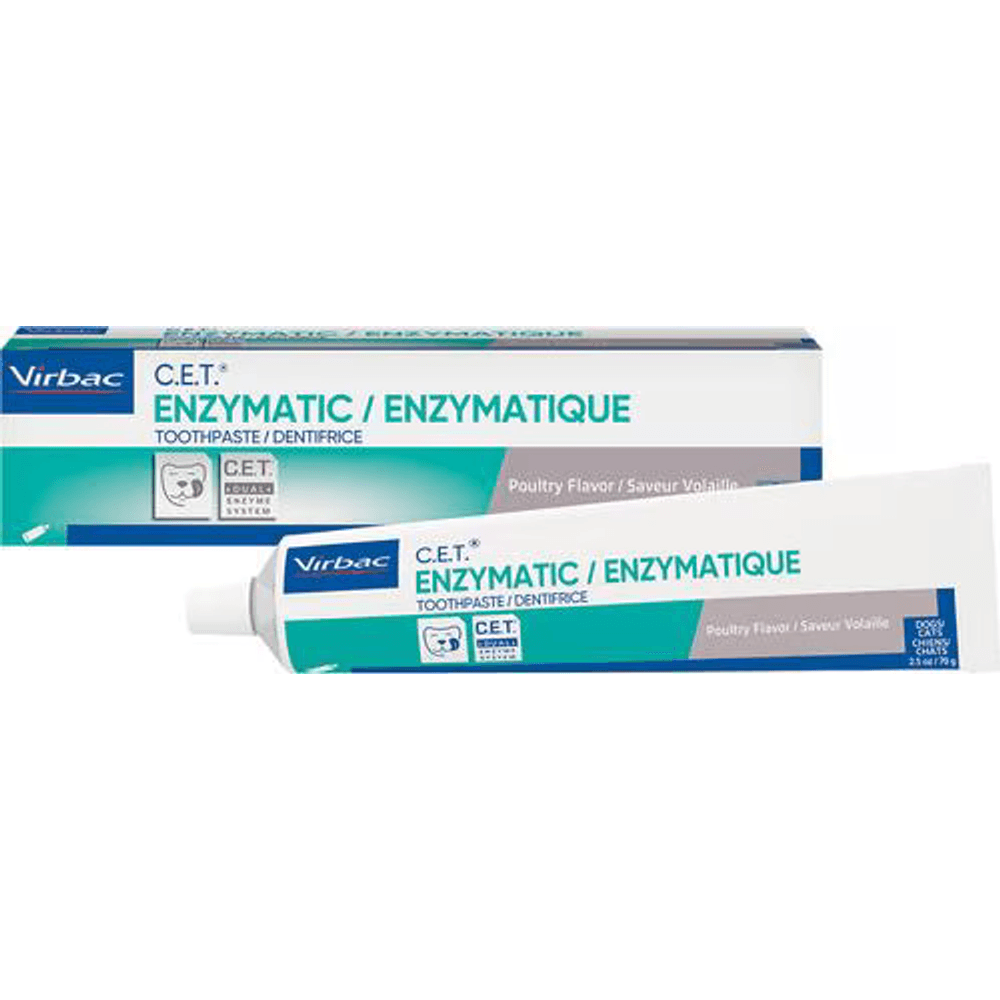
Poultry-flavored enzymatic toothpaste made for pets. Never use human toothpaste on a cat.
Webvet may earn a commission when you click through to Chewy, at no extra cost to you.
Why drooling means more in a cat than in a dog
Cats are fastidious groomers who normally swallow their saliva without a trace, so visible, dripping drool stands out in a way it never would on a jowly dog. That is exactly why it is a useful early warning. Cats are also masters at hiding illness, a survival habit left over from their wild ancestors, so drooling is sometimes one of the first outward signs that a cat is in pain or feels sick even while they otherwise carry on eating and moving normally. When drool shows up with a foul odor from the mouth, the smell itself is a clue that points toward dental disease or infection rather than a passing upset. If you notice persistent bad breath alongside the drooling, that pairing raises the odds that the source is the teeth and gums.
What is actually happening in the mouth
Saliva is produced constantly by glands around the jaw and cheeks, and a cat normally swallows it the moment it forms. Drooling, known medically as ptyalism, happens when that quiet balance breaks in one of two ways: the mouth makes far more saliva than usual, or the cat stops swallowing what it makes. Pain, a bad taste, or irritation on the tongue and gums cranks up production, which is why a caustic chemical or a bitter plant triggers sudden, foamy drool. A painful tooth, a mouth ulcer, or something physically lodged between the teeth or across the roof of the mouth interferes with swallowing, so saliva simply spills out. Nausea works through the same swallowing brake: a queasy cat holds saliva in its mouth and lets it pool, often smacking its lips just before vomiting.

This is why context matters so much. The same wet chin can mean two very different things depending on whether it comes with lip-smacking and vomiting, a sudden foamy burst after chewing on a houseplant, or a slow trickle from just one side of the mouth. Reading those extra details is exactly how a vet begins to narrow down the cause before ever picking up an instrument.
| Likely cause | Other signs you might see | How urgent |
|---|---|---|
| Dental or gum disease | Bad breath, dropping food, chewing on one side, pawing at the mouth | Book a vet visit soon |
| Nausea or stomach upset | Lip-smacking, vomiting, hiding, not eating | Vet visit; sooner if it persists |
| Object stuck in the mouth or throat | Pawing at the face, gagging, unable to close the mouth | Emergency, go now |
| Toxin, plant, or chemical exposure | Sudden foamy drool, retching, wobbliness, red mouth | Emergency, call a poison line |
| Contentment | Purring, kneading, relaxed body, only while being petted | Normal, no action needed |
The causes vets see most often in cats
Dental and oral disease sits at the top of the list. Periodontal disease, a fractured tooth, painful resorptive lesions that eat into the tooth at the gumline, and a severe inflammation of the mouth called gingivostomatitis are all common in cats and all hurt, and mouth pain reliably drives drooling. These conditions build slowly and stay hidden until the cat can no longer mask the discomfort, which is one reason a routine dental check matters so much. Nausea is the next big category, and in an older cat it deserves particular respect because chronic kidney disease, sometimes called a silent killer because it advances quietly, commonly causes queasiness and drooling as toxins build up in the blood.
Foreign objects are a distinctly feline hazard. Cats explore with their mouths and love to play with string, tinsel, sewing thread, and grass, any of which can wrap around the base of the tongue or lodge across the mouth and set off frantic drooling and pawing. A string caught under the tongue is a genuine emergency, so never pull on anything you see hanging from a cat's mouth, because the far end may be anchored deep in the gut. Toxins round out the common causes: cats groom obsessively, so anything that lands on the coat, from a spilled cleaner to a spot-on flea product meant for dogs, gets licked off and irritates the mouth. Many houseplants, especially lilies, are dangerous, and a bitter or caustic taste produces immediate foamy drool.

How vets pinpoint the cause in cats
The first thing a vet wants to know is whether the drooling is one-sided or comes from both sides, because that single detail steers the whole investigation. Drool consistently from one side almost always signals a specific source in the mouth on that side, such as a fractured tooth, an ulcer, or a growth, while drooling from both sides more often reflects nausea or relaxation. Your vet will start with a careful look inside the mouth, checking the gumline, under the tongue where strings hide, the back of the throat, and each tooth for fractures and resorptive lesions. Cats guard a sore mouth fiercely, so a truly thorough oral exam often needs light sedation, which lets the vet probe painful areas and take dental x-rays without causing distress.
If the mouth looks healthy, the search widens to the rest of the body, because drooling driven by nausea is a downstream symptom rather than the disease itself. Bloodwork and a urine test can reveal kidney disease, an overactive thyroid, or liver trouble, all of which are more common in middle-aged and senior cats and all of which can cause queasiness. Your vet will weigh the cat too, since weight loss tracking alongside drooling strengthens the case for an internal cause worth chasing down with further tests.
What to expect at the vet visit
Treatment follows the cause, so the visit tends to move from finding the problem to fixing it in the same appointment or a scheduled follow-up. If a painful tooth or dental disease is behind the drooling, your vet may recommend a professional cleaning under anesthesia, with extractions of any teeth too damaged to save. Cats do remarkably well after dental surgery, and many owners are surprised to see a brighter, hungrier cat within days once the source of pain is gone. If an object is found, the vet removes it, sometimes under sedation, and checks for damage where it was lodged. When nausea is the driver, your vet may give anti-nausea medication to settle the stomach while treating the underlying condition, whether that is kidney support, thyroid management, or care for an upset gut.
Recovery depends entirely on what was found. A cat treated for a single bad tooth is usually back to normal within a week, eating comfortably and grooming without a wet chin. A cat managing a chronic condition like kidney disease may need ongoing medication and diet changes, but controlling the nausea usually stops the drooling. Costs vary just as widely, from a modest recheck for a mild mouth irritation to a larger bill for a full dental procedure with x-rays and extractions. Asking your vet for an estimate up front, and about whether the work can be staged, helps you plan without delaying the care your cat needs.
How to help at home safely

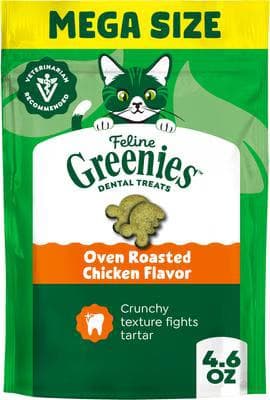
Dental disease is behind a lot of feline drooling. Crunchy dental treats help with tartar, though they do not replace a vet's oral exam.
Webvet may earn a commission when you click through to Chewy, at no extra cost to you.
There is a limited but useful amount you can do at home while you arrange a vet visit. If your cat is calm and willing, you can gently lift the lips and glance at the gums and teeth for redness, sores, or anything stuck, but only if it is safe, because a cat in pain may bite, and you should never force open the mouth of a distressed cat. Note whether the drool is clear, foamy, or blood-tinged, whether it comes from one side, and what else has changed, since these details help your vet enormously. Remove access to anything your cat may have chewed and save it to show the clinic. Watch closely for loss of appetite, because a cat that stops eating for more than a day needs prompt attention on its own. Keep fresh water available, and resist the urge to reach for any human remedy.
How to lower the risk
Because dental disease is the leading medical cause, the most powerful prevention is consistent oral care. Regular veterinary dental checks catch resorptive lesions and gum disease before they become painful enough to cause drooling, and at-home brushing with a cat-safe toothpaste, along with dental diets or approved chews, slows the buildup that leads to trouble. Toxin-proofing your home matters just as much for a species that grooms everything off its coat: keep lilies and other toxic plants out of the house entirely, store cleaners and medications where a curious cat cannot reach them, and never apply a dog flea-and-tick product to a cat, since several are seriously toxic to them. Put away string, thread, tinsel, and hair ties, which are irresistible and dangerous. Keeping up with routine wellness visits also means kidney and thyroid problems get caught early, before nausea and drooling appear.
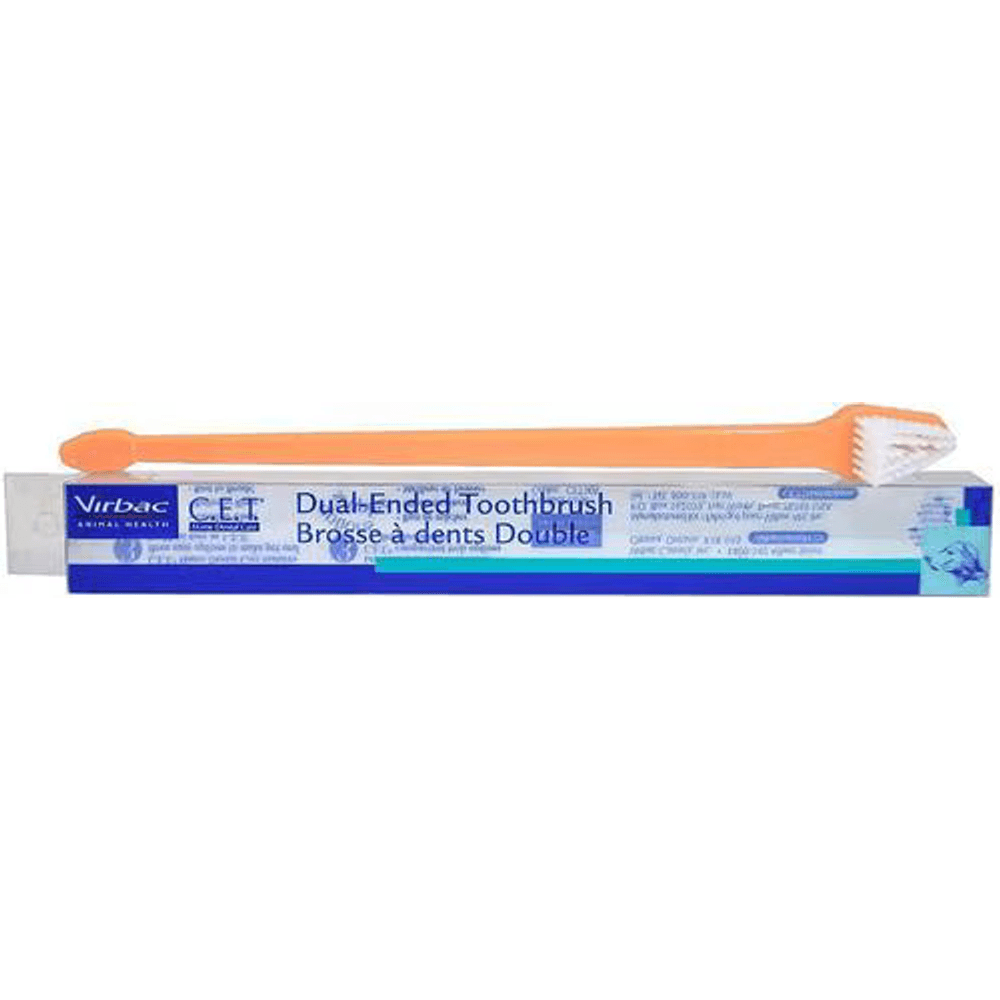
A dual-ended brush sized for a cat's mouth; for the rare cat that tolerates brushing, it is the gold standard.
Webvet may earn a commission when you click through to Chewy, at no extra cost to you.
The happy-drooler exception
Not every drooling cat has a problem. A small number of cats drool a little when they are deeply relaxed, purring, and kneading with their paws, a behavior often linked to the comfort of nursing as kittens. This kind of drool shows up only during petting, cuddling, or dozing, and the cat is otherwise bright, eating well, and comfortable. Catnip and the taste of a bitter medication can also produce a brief, harmless dribble. The way to tell contentment drool from a medical problem is the pattern: happy drooling is tied to relaxation, comes from both sides, and has always been part of who your cat is, while worrisome drooling is new, sudden, persistent, one-sided, foul-smelling, or paired with any other sign that your cat feels unwell. When in doubt, a quick call to your vet settles it.

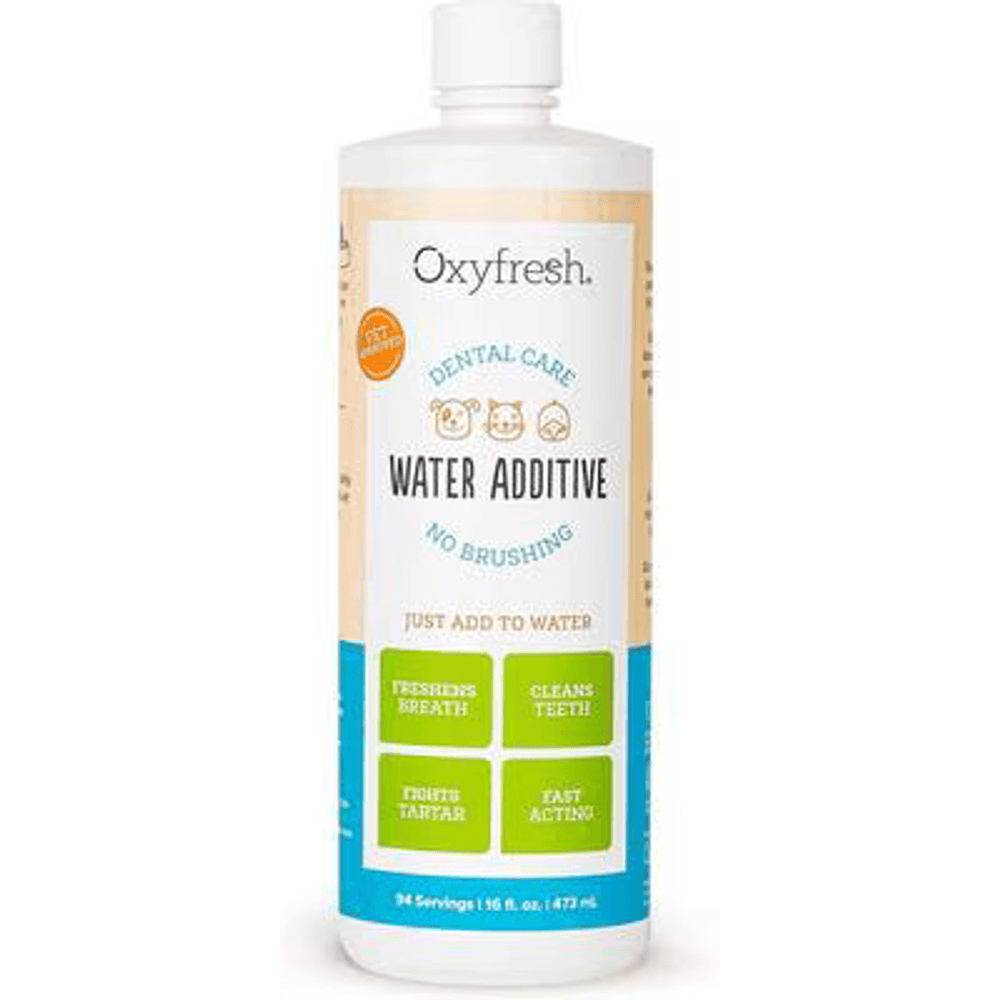
A tasteless water additive is the most realistic daily dental step for a cat that will never accept a toothbrush.
Webvet may earn a commission when you click through to Chewy, at no extra cost to you.
When drooling becomes an emergency
Most drooling can wait for a same-week appointment, but some situations cannot. Treat it as an emergency and seek care immediately if the drooling starts suddenly after possible contact with a toxin, if your cat is pawing at its mouth, gagging, or unable to close its mouth or swallow, if there is string visible anywhere near the mouth, or if the drool comes with tremors, collapse, weakness, or any struggle to breathe. Foaming at the mouth with behavior changes, though rare, is also a reason to keep your distance and call at once. When you are unsure whether a symptom crosses the line, the safest move is always to phone your veterinarian or an emergency clinic and describe exactly what you are seeing. This overlay is general education and not a diagnosis, and your cat's own veterinarian, who can examine the mouth and run tests, is always the right source for a decision about care.
Sources
Reviewed by the Webvet Veterinarian Team
This guide is general information, not a diagnosis, and does not replace an exam by your veterinarian. If your pet is in distress, contact your vet or an emergency clinic right away.