Signs a Dog Is Pregnant: How to Tell in the First Few Weeks
Wondering if your dog is expecting? This vet-reviewed guide covers the early physical and behavioral signs a dog is pregnant, when they show, and how a vet confirms it.

BVMS MRCVS
Medically reviewed by Dr. Pippa Elliott, BVMS MRCVS · Last reviewed

This article contains affiliate links. Webvet may earn a commission when you buy through them, at no extra cost to you.
The earliest signs a dog is pregnant are quiet ones: a slightly bigger appetite or a smaller one, more napping, nipples that look a touch larger and pinker, and small shifts in mood. In the first week or two, most dogs give almost nothing away, which is exactly why so many owners are left guessing.
This vet-reviewed guide walks through every early physical and behavioral sign, when each one appears, what the first few weeks look like, why there is no reliable at-home dog pregnancy test, and how a veterinarian confirms it for certain. Because several of these signs also show up in a false pregnancy, none of them proves anything alone, so we will be clear about what only a vet can tell you.
- 1The first few weeks are subtle: enlarged, pinker nipples, mild appetite changes, more sleep, and small mood shifts are the most common early signs.
- 2You usually cannot tell reliably before about day 22 to 30; weeks one and two typically show almost nothing.
- 3There is no accurate at-home dog pregnancy test, and human urine tests do not work on dogs.
- 4Only a veterinarian can confirm pregnancy, using a relaxin blood test, ultrasound, palpation, or a late X-ray depending on timing.
- 5A false pregnancy can mimic every early sign, so a positive vet test is the only way to know for sure.
What Are the Early Signs a Dog Is Pregnant?
In the first few weeks, a pregnant dog changes gradually and quietly rather than all at once. The signs below are the ones owners most commonly notice, but read them as clues to watch, not proof. Any single sign can have another explanation, and several overlap with a false pregnancy.

- Enlarged, pinker nipples: one of the earliest visible physical changes, often from around week three to four.
- Appetite changes: an early dip or brief nausea for some dogs, then a rising appetite as pregnancy advances.
- Lower energy and more sleep: a normally lively dog may nap more or seem a little subdued.
- Behavioral shifts: some dogs turn more affectionate and clingy, others more withdrawn and quiet.
- A gradually firming or swelling abdomen: usually not obvious until the second half of pregnancy, and even later with small litters.
The reason these signs are so easy to miss is that a dog's pregnancy is short and the biggest changes come late. Google and veterinary sources alike front-load the same short list, but the honest headline is this: the surest early sign is not a symptom at all, it is a veterinary test. Everything below explains how to read the clues while you wait for that confirmation.
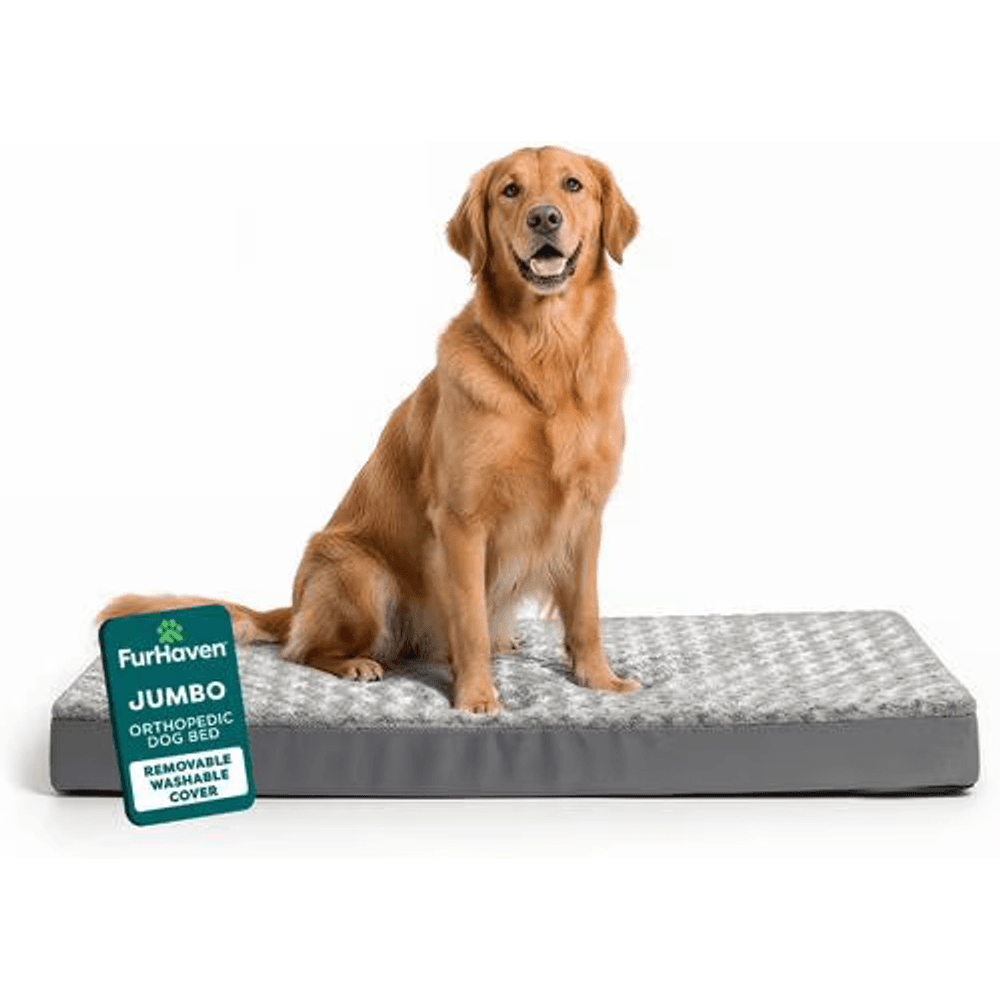
A plush orthopedic foam mattress that cushions aging joints and pressure points, giving a stiff or trembling senior dog warm, supportive rest.
Webvet may earn a commission when you click through to Chewy, at no extra cost to you.
How Soon Can You Tell If a Dog Is Pregnant?
For the first week or two after breeding, there is usually nothing to see. Fertilization and the earliest cell division are happening internally, the embryos have not yet implanted, and the dog looks and behaves normally. Owners hoping to spot a sign at two weeks are almost always too early.
The first reliable window to confirm pregnancy opens around day 22 to 30. By that point the embryos have implanted, the hormone relaxin is being produced, and an ultrasound can pick up fetal heartbeats. This is why veterinarians rarely test earlier: before roughly three weeks, even their tools cannot give a trustworthy answer. The Merck Veterinary Manual and VCA Animal Hospitals both place the practical confirmation window in this same range.
So the realistic timeline is: little to nothing in weeks one and two, the first subtle physical and behavioral signs emerging around weeks three to four, and clear confirmation available from a vet from about day 22 to 30 onward. If you need to know sooner rather than later, the fastest accurate path is a call to your veterinarian, not a magnifying glass at home.
Physical Signs of Pregnancy in Dogs
Physical changes tend to follow a rough order, starting near the nipples and later spreading to the whole body as the puppies grow. Here is what to look for and when.
Enlarged, Pinker Nipples
One of the first physical clues is a change in the nipples. From around week three to four, they often become slightly enlarged, more prominent, and pinker in color as blood flow to the mammary tissue increases. In a dog that has never been pregnant, the nipples are usually small and pale, so this shift can be genuinely noticeable to an attentive owner.
A Swelling or Firming Abdomen
A rounder belly is the sign everyone waits for, but it arrives later than most owners expect. The abdomen usually does not visibly change until the second half of pregnancy, roughly week five or six onward, and in a dog carrying only one or two puppies it may stay subtle almost to the end. Do not treat a flat belly at three weeks as proof she is not pregnant.
Gradual Weight Gain
Weight gain tracks with the growing litter and mostly shows up in the final third of pregnancy. Early on, weight is fairly stable, which is another reason the first few weeks are hard to read. A steady, noticeable gain in a female who has been bred is supportive of pregnancy but, again, not proof on its own.
Clear or Mucoid Vulvar Discharge
A small amount of clear, odorless, mucus-like vaginal discharge can appear a few weeks into pregnancy and is generally normal. What is not normal is discharge that is bloody, green, dark, or foul-smelling before term. That kind of discharge is a red flag and warrants a same-day vet call, since it can signal infection or a problem with the pregnancy.
Coat and Appearance Changes
Some owners notice their dog's coat looks a little different during pregnancy, and the belly area may lose a bit of hair as the mammary glands develop later on. These are minor, non-specific signs and should never be relied on to diagnose pregnancy, but they can round out the overall picture alongside the more telling nipple and abdominal changes.
 $65 · no membership
Have a health question about your dog?
A licensed vet can assess your dog over video and prescribe online when it's appropriate.
 Talk to a vet
- Licensed vets
- All 50 states
- same-day Rx

Webvet may earn a commission if you book.
Behavioral Signs of Pregnancy in Dogs
Behavior often shifts before the body does, which is why many owners sense something is different before they can point to a physical change. These behavioral signs are real but highly individual, and they overlap heavily with a false pregnancy.


Webvet may earn a commission when you click through to Chewy, at no extra cost to you.
Lethargy and Increased Sleep
A drop in energy is one of the most commonly reported early behavioral signs. Hormonal changes and the demands of early pregnancy can leave a dog napping more and showing less interest in vigorous play. A normally bouncy dog who suddenly prefers the couch, without any sign of illness, may be in the early stages.
Appetite Changes (Early Drop, Later Surge)

Appetite in early pregnancy is a classic two-phase pattern. Some dogs eat less for a week or two, occasionally with mild nausea, as hormone levels shift. Then, as the puppies grow and calorie needs climb, appetite rebounds and eventually rises well above normal. An early dip followed by a hearty return is a suggestive combination.
Morning Sickness and Nausea
Yes, dogs can get a canine version of morning sickness. Around the third to fourth week, some dogs have brief bouts of nausea or occasional vomiting linked to hormonal changes and uterine stretching. It is usually mild and short-lived. Persistent or forceful vomiting is different and should prompt a vet call, pregnant or not.
Clinginess or Changes in Affection
Emotional changes cut both ways. Many pregnant dogs become noticeably more affectionate and want to stay close to their people, while others grow quieter, more private, and seek out solitude. Neither pattern is universal, and both can appear in a dog who is not pregnant, so treat a change in affection as a soft clue at most.
Nesting Behavior
Nesting, in which a dog gathers bedding, toys, or laundry and arranges a cozy spot, is a well-known pregnancy behavior, but it usually appears later, in the final week or two before whelping, rather than in the first few weeks. Early, intense nesting in an unbred dog is actually one of the most common signs of a false pregnancy rather than a real one.
Week-by-Week: What to Expect in the First Few Weeks
Because owners so often search for signs at a specific week, here is what the early weeks realistically look like. Remember that the breeding date is not the same as the true conception date, so treat these as approximate stages rather than exact days.
| Stage | Approx. days | What you might notice |
|---|---|---|
| Weeks 1 to 2 | Days 0 to 14 | Almost nothing. Fertilization and early cell division happen internally; the dog looks and acts normal. Too early to test or tell. |
| Week 3 | Days 14 to 21 | The first subtle clues: possible mild appetite dip or brief nausea, a little more sleep, and nipples starting to enlarge. Embryos implant around day 17 to 18. |
| Week 4 | Days 21 to 28 | Nipples clearly enlarged and pinker; some morning sickness; mood shifts. A vet can now confirm with a relaxin test or ultrasound. |
| Week 5 | Days 28 to 35 | Appetite climbs, the abdomen starts to fill out, and weight gain becomes noticeable. Pregnancy is easier to see but still best confirmed by a vet. |
So the answer to what the two-week and three-week signs look like is: at two weeks, essentially none, and at three weeks, only the earliest and subtlest of them. For a full walk-through of every phase from conception to whelping, see our detailed guide to the stages of dog pregnancy.
Webvet may earn a commission when you click through to Chewy, at no extra cost to you.
How to Check If Your Dog Is Pregnant at Home
The honest answer is that you cannot reliably confirm a dog pregnancy at home. There is no accurate over-the-counter dog pregnancy test, and human urine pregnancy tests do not work on dogs because they detect a hormone dogs do not produce in pregnancy. What you can do at home is observe, gently and safely.
- Watch the nipples: note whether they become enlarged and pinker over weeks three to four.
- Track appetite and energy: log any early dip, nausea, or extra napping, then the later surge in hunger.
- Note behavior and belly shape: watch for mood changes and a gradually firming abdomen from week five or six.
In short, at-home observation can build a strong suspicion, but it can never replace a veterinary test. If your notes point toward pregnancy, the next step is always a call to your vet, not a store-bought kit.
How Veterinarians Confirm Dog Pregnancy
Veterinarians have four reliable tools, each best at a different point in gestation. Your vet will pick the method that fits how far along your dog is and what you need to know.

Relaxin Blood Test (about day 22 to 30)
The relaxin blood test detects a hormone produced only during pregnancy, so a positive result is a strong confirmation. It is typically accurate from about day 22 to 30. Its limitation is that it confirms pregnancy but does not count puppies or assess whether they are alive.

Ultrasound (about day 25 to 30)
Ultrasound confirms pregnancy and, importantly, shows fetal heartbeats so the vet can check viability. It is usually reliable from about day 25 to 30 and also helps estimate gestational age. It is not a dependable way to count a large litter, since puppies can hide behind one another on the scan.
Abdominal Palpation (about day 28 to 30, vet only)
An experienced veterinarian can sometimes feel walnut-sized swellings in the uterus around day 28 to 30. The accurate window is narrow, because later in pregnancy the swellings merge and become harder to distinguish. This is a hands-on skill for professionals only and should never be attempted at home.
X-Ray (after day 55, to count puppies)
Late in pregnancy, after about day 55, the fetal skeletons calcify and become visible on an X-ray, making it the best way to count the litter. Knowing the puppy count ahead of whelping tells you when she is finished delivering. For the full gestation timeline and due-date math, see our guide to how long dogs are pregnant. Many vets combine methods: an early relaxin test or ultrasound to confirm, then a late X-ray to count and plan.
False Pregnancy vs Real Pregnancy: What Can Be Mistaken

The single most common thing mistaken for pregnancy is a false pregnancy, also called pseudopregnancy. Weeks after a heat cycle, an unbred or unsuccessfully bred dog can develop a remarkably convincing set of pregnancy signs driven by the same hormones a real pregnancy produces. Our full guide to dog false pregnancy covers it in depth, but the overlap is the key point here.
A dog with a false pregnancy may show enlarged nipples, mammary development, weight gain, appetite changes, lethargy, mothering of toys, and intense nesting, all without a single puppy present. Because the hormones are real, the signs are real; there simply is no litter. This is exactly why no combination of home signs can confirm pregnancy on its own.
Most false pregnancies resolve on their own within a few weeks, but see your vet if the signs are severe, if the mammary glands become hot, hard, or painful, which can indicate mastitis, or if your dog seems unwell. A vet can distinguish a false pregnancy from a real one with a simple relaxin test or ultrasound, ending the guesswork.
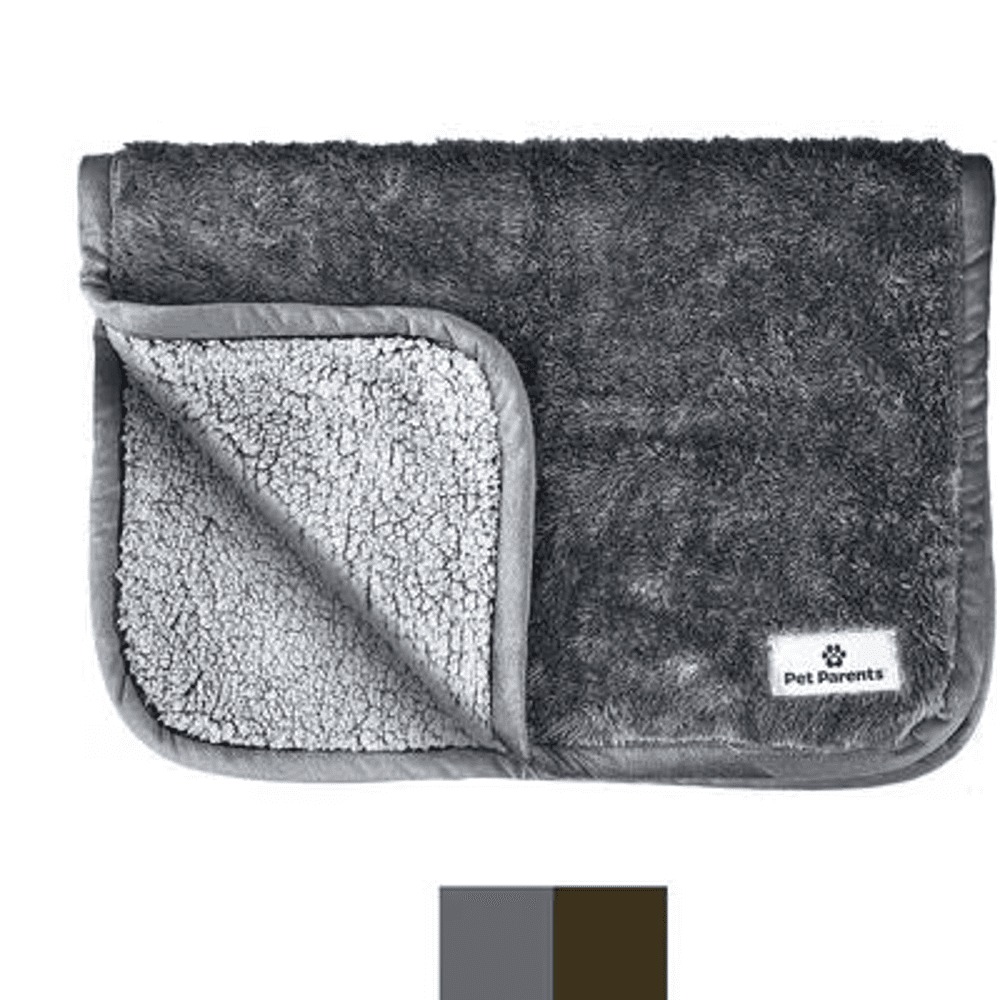
A plush, waterproof sherpa blanket that gives a cold or shivering dog a warm, cozy layer to curl into. The hidden waterproof lining protects the bed, couch, or car seat, and the whole thing is machine washable.
Webvet may earn a commission when you click through to Chewy, at no extra cost to you.
The 7-7-7 Guideline and Other Breeding Norms
You may run across the so-called 7-7-7 rule while researching dog pregnancy. It is a rough breeding-timing rule of thumb, not a way to detect pregnancy, and it should be framed responsibly.
In its most common form, the 7-7-7 idea suggests a female is often most fertile around the seventh day of her season and that owners can count forward from mating to anticipate whelping. It is folk shorthand at best, far less reliable than progesterone testing during the dog heat cycle, which is the only accurate way to pinpoint the fertile days.
The practical takeaway: do not use the 7-7-7 rule, or any counting trick, as a pregnancy test or a substitute for veterinary care. Responsible breeding relies on ovulation timing and a vet's involvement. If you want the real mechanics of the fertile window, see how long a dog is in heat.
When to See Your Veterinarian
If you suspect your dog is pregnant, the first and most important step is a veterinary visit. A vet can confirm the pregnancy, estimate the due date, screen for problems, and set up a care plan for the weeks ahead. Confirmation is not just curiosity; it changes how you feed, exercise, and medicate your dog.

Short of an emergency, call your vet whenever a sign worries you, and always before giving any medication, supplement, or new food to a dog you think may be pregnant. As the due date nears, brush up on the signs a dog is in labor so you know what normal whelping looks like and when to get help.
How Long Are Dogs Pregnant?
Once you know your dog is expecting, the natural next question is how long the wait will be. Dogs are pregnant for about 63 days on average, roughly nine weeks, with a normal range of about 57 to 65 days measured from breeding. For the full week-by-week gestation timeline and how vets pin down a due date, see our companion guide to how long dogs are pregnant. Knowing the timeline helps you plan the whelping area and recognize when labor is genuinely near.
Caring for Your Pregnant Dog Once Confirmed
After a vet confirms the pregnancy, the focus shifts to steady, vet-guided care. For the first two-thirds of pregnancy a healthy dog on a complete adult diet usually needs no extra food; from around week five or six, calorie needs climb and most vets transition her to a high-quality puppy or gestation formula. Gentle regular exercise and constant fresh water round out the basics. For a friendly, plain-language companion to this section, our partners at Petful have a helpful guide to pregnant dog care.
Just as important is what to avoid: give no medication, supplement, or parasite preventive that your vet has not specifically cleared, since many can cross to the puppies, and keep the usual toxic foods well away. Home care and supplements are adjuncts to veterinary guidance, never a replacement for it. If your dog was not intentionally bred and you are only now piecing together the dog in heat symptoms that preceded a possible mating, tell your vet, as it helps them date the pregnancy.
Frequently Asked Questions
How do I check if my dog is pregnant at home?
You cannot truly confirm a dog pregnancy at home, but you can watch for clues. Observe whether her nipples become enlarged and pinker over weeks three to four, note any early appetite dip or nausea followed by a later increase in hunger, watch for more sleeping and mood changes, and look for a gradually firming belly from week five or six. Do not press on her abdomen to feel for puppies, as this can cause harm. There is no accurate at-home dog pregnancy test, and human urine tests do not work on dogs, so a suspicion at home should always be confirmed by your veterinarian.
How soon can you tell if a dog is pregnant?
In the first week or two you usually cannot tell at all, because the earliest development is happening internally and the dog looks and acts normal. The first subtle signs, such as enlarged, pinker nipples and mild appetite or energy changes, tend to appear around weeks three to four. A veterinarian can reliably confirm pregnancy from about day 22 to 30 using a relaxin blood test or ultrasound. So while you may notice hints by week three, certainty comes from a vet at roughly three to four weeks, not before.
How does a dog act in early pregnancy?
In early pregnancy a dog often acts a little differently rather than dramatically so. Many become more tired and sleep more, some eat less or seem briefly nauseated before their appetite rebounds, and behavior can shift either toward extra clinginess and affection or toward being quieter and more withdrawn. A few show mild morning sickness around week three or four. These behavioral changes are real but individual, and because they also occur in a false pregnancy, they cannot confirm a pregnancy on their own.
What are the 3 week signs of dog pregnancy?
Around three weeks, the signs are still subtle. This is roughly when embryos implant, so you may see the first hint of enlarged or pinker nipples, a mild dip in appetite or brief nausea, and slightly lower energy with more napping. Some dogs show a little morning sickness near the end of week three into week four. The belly typically does not look pregnant yet at this stage. Because week-three signs are so faint and overlap with a false pregnancy, a veterinary relaxin test or ultrasound from about day 22 to 30 is the only way to know for sure.
What's the earliest you can tell if a dog is pregnant?
The earliest you can reliably tell is with a veterinarian at about day 22 to 30 after breeding. A relaxin blood test detects a pregnancy-only hormone from around day 22 to 30, and an ultrasound can confirm pregnancy and show fetal heartbeats from about day 25 to 30. Before roughly three weeks, even veterinary tests are not dependable, and at-home observation cannot confirm anything that early. So the earliest trustworthy answer comes from a vet test at three to four weeks, not from signs you can see at home.
What is the 7 7 7 rule for dogs?
The 7-7-7 rule is an informal breeding-timing rule of thumb, not a pregnancy test. In its common form it suggests a female is often most fertile around the seventh day of her season and that matings are sometimes spaced across a window near then, with owners counting forward from breeding to anticipate whelping. Because ovulation timing varies widely between dogs, it is far less reliable than progesterone testing at the vet, which is the only accurate way to pinpoint the fertile days. Never use it to detect pregnancy or as a substitute for veterinary care.
How can I test if my dog is pregnant at home?
There is no reliable way to test for dog pregnancy at home. Over-the-counter human pregnancy tests do not work on dogs, because they look for a hormone dogs do not produce during pregnancy, and there is no accurate consumer dog pregnancy test kit that replaces a vet. The only dependable testing is done at a clinic: a relaxin blood test from about day 22 to 30, an ultrasound from about day 25 to 30, and an X-ray after about day 55 to count puppies. At home you can only observe signs, so any home suspicion should be confirmed by your veterinarian.
What can be mistaken for pregnancy?
The most common thing mistaken for pregnancy is a false pregnancy, or pseudopregnancy, in which an unbred or unsuccessfully bred dog develops convincing pregnancy signs weeks after a heat cycle, including enlarged nipples, mammary development, weight gain, nesting, and mothering of toys, all without any puppies. Because the same hormones are involved, the signs are genuine but there is no litter. Other conditions such as weight gain, abdominal swelling from fluid, or a uterine infection called pyometra can also be confused with pregnancy, which is another reason a veterinary exam and a relaxin test or ultrasound are needed to know for certain.
$65 · no membershipHave a health question about your dog?
A licensed vet can assess your dog over video and prescribe online when it's appropriate.
Talk to a vet- Licensed vets
- All 50 states
- same-day Rx
Webvet may earn a commission if you book.

Editor
The Webvet Editorial Team is the in-house group of pet-care editors and writers behind Webvet, operated by Smart Pet Collective. The team researches, writes, and maintains Webvet's pet health, behavior, and medication content. Every article follows a defined editorial process: research from reputable veterinary and scientific sources, careful drafting, mandatory review of medical content by a credentialed veterinarian, and dated publication. Health and medication articles are medically reviewed by a licensed veterinary professional before they go live and are kept current over time.
Veterinarian · BVMS MRCVS
Dr. Pippa Elliott, BVMS, MRCVS, is a veterinarian with nearly 30 years of experience in companion animal practice. Dr. Elliott earned her Bachelor of Veterinary Medicine and Surgery from the University of Glasgow. She was also designated a Member of the Royal College of Veterinary Surgeons. Married with 2 grown-up kids, Dr. Elliott has a naughty Puggle named Poggle, 3 cats and a bearded dragon.
Related reading

Best Cat Litter Mats for Tracking, Cleaning, and Sensitive Paws

Best Cat Harnesses: Fit, Adjustability, and Escape Resistance

Best Cat Carriers for Vet Visits, Travel, and Difficult Loaders
