Understanding Redirected Aggression in Cats: Causes, Signs, and Solutions
Learn about redirected aggression in cats — a perplexing behavior rooted in pent-up frustration. Explore its causes, signs, and effective management strategies.


BVMS MRCVS

This article contains affiliate links. Webvet may earn a commission when you buy through them, at no extra cost to you.
Cat behavior is an intricate tapestry woven from threads of evolutionary instincts, environmental influences, and individual personalities.
As pet parents, we treasure our cats’ quirks, cherishing their playful antics and basking in their affectionate moments. Yet, sometimes, their behavior can veer toward the inexplicable or alarming. Redirected aggression is one such behavior that can be startling and even risky.
This in-depth exploration of redirected aggression in cats aims to unravel its causes, signs, and how to manage it effectively.
The Root of Redirected Aggression: A Closer Look
Redirected aggression in cats is like a storm that brews unseen [1]. The first raindrop that falls might not appear connected to the clouds above. Similarly, an act of aggression might seem unprovoked, but it’s often the manifestation of pent-up frustration, agitation, or fear.
The “target” of this aggression — be it another pet, a toy, or a well-meaning human — merely represents an outlet for emotions stirred up by a stimulus that the cat cannot reach.
Imagine this: Your cat is watching the world from her favorite perch by the window. Suddenly, a stray cat strolls into view, infringing upon what she perceives as her territory. Her instincts scream for action, but the barrier of glass leaves her helpless.

A vet-recommended plug-in diffuser that releases the drug-free Feliway Classic pheromone to reduce stress signs in cats like scratching, hiding, and urine marking. 30-day starter kit.
Webvet may earn a commission when you click through to Chewy, at no extra cost to you.
The frustration grows until it reaches a boiling point, causing your cat to lash out at the next moving object or living creature. This could be another pet or even you when you attempt to pet her.
Such sudden aggression can be alarming for anyone, especially if there’s redirected aggression in cats toward humans.
Understanding Different Types of Aggression
A critical step in managing redirected aggression is differentiating it from other types of feline aggression. Each form of aggression is a unique behavioral response driven by specific stimuli, and therefore, requires a distinct approach to treatment and prevention [2].
Here are a few of the most common types of aggression that can manifest in cats:
- Territorial Aggression: Cats are territorial animals, and they may react aggressively when they perceive their territory is threatened. This behavior often manifests through hissing, growling, and physical attacks, especially in multicat households or when a new pet or human enters their space.
- Maternal Aggression: A mother cat (or “queen”) can become fiercely protective of her kittens, displaying aggressive behavior toward anyone who approaches her offspring.
- Reactive Aggression: Sometimes, cats may react aggressively to sudden or high-intensity stimuli. A common example is petting-induced aggression, where a cat becomes aggressive after excessive or unwanted handling.
- Play Aggression: More common in kittens or young cats, play aggression can occur when a cat gets overly excited during play or lacks proper play outlets. It may involve pouncing, swiping, or biting, and can be managed with appropriate training and play techniques.
- Fear Aggression: Cats may exhibit fear aggression as a defensive response when exposed to unfamiliar or threatening stimuli. A cat experiencing fear aggression may hiss, spit, swipe, or even run and hide to protect themselves.
- Predatory Aggression: This type of aggression is rooted in a cat’s hunting instincts. Cats exhibiting predatory aggression may stalk and pounce, often leading to a swift bite or swipe. It’s crucial for indoor cats to have proper outlets for this instinctive behavior.
- Pain-Induced Aggression: If a cat is suffering from an illness or injury, it may react aggressively when touched or handled, even by familiar people. Immediate veterinary attention is essential in such situations.
In contrast, redirected aggression is a response to a specific, inaccessible trigger, with the aggression targeted at a proximate and reachable “victim.” This understanding can guide us toward appropriate treatment strategies and interventions.
Recognizing Redirected Aggression: What To Look For
A cat in the throes of redirected aggression might seem like a stranger, their usually placid demeanor replaced by signs of distress and aggression.

Probiotic supplement formulated to help cats maintain calm behavior, with the BL999 strain. 30 daily sachets.
Webvet may earn a commission when you click through to Chewy, at no extra cost to you.
You might observe:
- Unusually aggressive behavior, such as hissing, growling, or swiping without apparent provocation.
- Physical signs of agitation, like dilated pupils, flattened ears, fluffed-up tail, or an arched back.
- Unprovoked biting or scratching.
- Prolonged periods of tension, beyond the disappearance of the initial trigger.
More often than not, these signs are preceded by a triggering event. However, the trigger might not always be apparent, especially if it’s a sound or smell only the cat can detect.
Turning the Tide: Strategies for Managing and Preventing Redirected Aggression
Redirected aggression can be unsettling, but there are several ways to help manage this behavior and reduce its occurrence [3]:
- Environmental Enrichment: Ensure your cat’s environment is enriching and free of potential triggers. Consider using window films or blinds to obscure the view of outdoor animals. Implement wildlife deterrents to keep intruders at bay. Provide elevated spaces, like cat trees or shelves, where your cat can retreat and feel safe.
- Cognitive Stimulation: Keep your cat mentally engaged with interactive toys, puzzle feeders, and stimulating play sessions. This can help burn off excess energy and reduce frustration.
- Behavioral Modification: Work with a professional animal behaviorist or a vet to implement gradual desensitization techniques. This approach gently and slowly exposes the cat to the trigger, reducing their reaction over time.
- Pheromone Therapy: Consider using synthetic feline pheromone products, such as FELIWAY. These mimic the “friendly markers” cats leave when they rub their faces against furniture or people, promoting a sense of familiarity and safety.
- Medical Consultation: Consult with a vet if the aggression persists or escalates. They may suggest anti-anxiety medications or other treatments, depending on the cat’s specific needs.
Redirected Aggression and the Bond Between Humans and Cats
Understanding and managing redirected aggression can be a journey that requires patience, perseverance, and compassion.
Compare coverage choices for your pet, then request a quote directly on Lemonade.
- Check a price for your pet
- Review available coverage choices
- See the terms before you decide
Eligibility, waiting periods, limits and exclusions apply.
Webvet may earn a commission when you click through to Lemonade, at no extra cost to you.
However, by doing so, we not only improve our cats’ well-being but also protect ourselves and other pets. It helps deepen the bond we share with our feline companions, painting a more vivid picture of their rich emotional landscape.
Always remember, when it comes to cats, every behavior — even the challenging ones — is a form of communication, a whisper of their primal instincts, and a reflection of their unique personalities.
In Conclusion: Empowering Ourselves To Support Our Feline Friends
As pet owners, our quest to understand our feline friends is often met with fascinating discoveries. Redirected aggression, although perplexing and potentially challenging, is another facet of feline behavior we can navigate with informed empathy.
By differentiating redirected aggression from other types of aggression and learning to identify its signs, we can create safer and more comfortable environments for our cats and ourselves.
A deeper understanding of your cat’s behavior enriches the bond you share with them, allowing you to provide the best possible care for your furry friend. So, let’s keep learning, and let’s keep exploring, for the love of our cats is a powerful catalyst for change.
Are you ready to continue your exploration into the world of pets? Click the link below for more insights on pet behavior, training, and care.
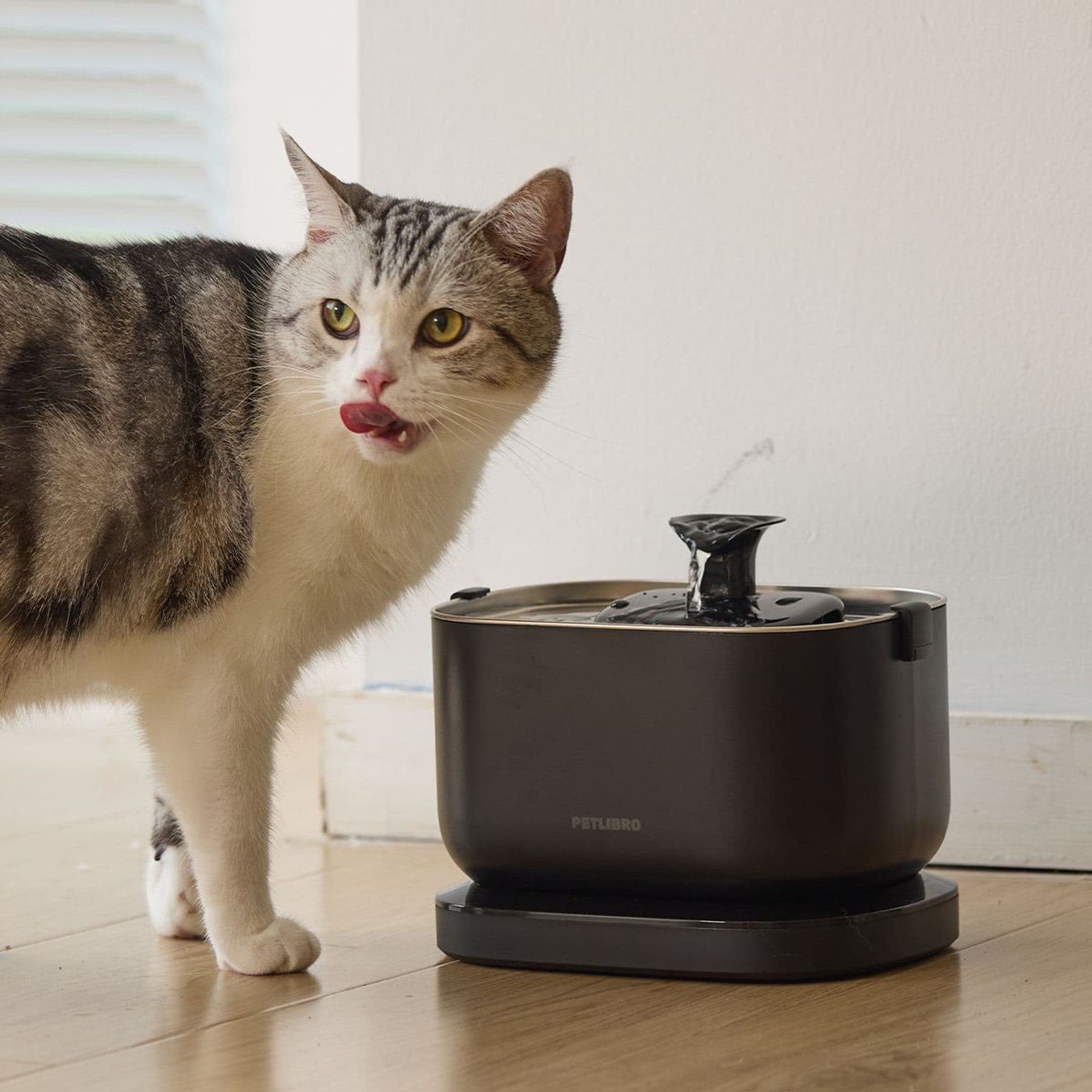
Webvet may earn a commission when you click through to Chewy, at no extra cost to you.
[Click Here To Learn More]
Callout Box:
🐾 Key Points To Remember About Redirected Aggression in Cats 🐾
- Redirected aggression is a response to an inaccessible stimulus, redirected toward another entity within reach.
- Common triggers include unfamiliar animals, loud noises, or unusual scents.
- Signs include hissing, growling, dilated pupils, swiping, or biting.
- Creating a safe environment, providing distractions, gradual desensitization, and medical intervention can help manage and prevent redirected aggression.
References/External Links:
- VCA Animal Hospitals
- ASPCA
- HolistaPet
- Feature image: istockphoto
FAQs
What Causes Redirected Aggression in Cats?
Redirected aggression in cats is typically triggered by an inaccessible stimulus that irritates or threatens the cat. This could be an unfamiliar animal seen through a window, a loud noise, or an unusual scent.
How Can I Manage My Cat’s Redirected Aggression?
Strategies to manage redirected aggression in cats include creating a secure environment, providing mental stimulation, gradual desensitization to triggers, use of synthetic pheromones, and potentially medical intervention. Always consult a vet or a professional animal behaviorist for guidance.
Can Redirected Aggression in Cats Be Prevented?
While not entirely preventable, the likelihood of redirected aggression can be reduced. Minimizing potential triggers, offering ample mental stimulation, and maintaining a calm and secure environment can help. In some cases, a vet might suggest the use of medications or synthetic pheromones.
What Should I Do If My Cat Exhibits Redirected Aggression?
Ensure your safety first by removing yourself from the cat’s immediate vicinity. Once the cat calms down, try to identify any potential triggers and remove them if possible. Consult with a vet or an animal behaviorist to understand the cause and devise a management plan.

Wendy Toth is an entrepreneurial writer, editor, and mom of two humans, two dogs and one cat. She’s currently Content Director here at PetFul. For the last 15 years she has held positions at Parents Magazine, NBC, PetSmart, and GreatPetCare, where she was co-founder. Her writing has appeared in many national outlets including Pet Lab Co., Retail Me Not, Ask Men, Wild Society Nutrition, and The New York Times. Because she loves her work so much, she’s obsessed with helping others find career fulfillment, and covers it regularly at PowerSuiting.
Veterinarian · BVMS MRCVS
Dr. Pippa Elliott, BVMS, MRCVS, is a veterinarian with nearly 30 years of experience in companion animal practice. Dr. Elliott earned her Bachelor of Veterinary Medicine and Surgery from the University of Glasgow. She was also designated a Member of the Royal College of Veterinary Surgeons. Married with 2 grown-up kids, Dr. Elliott has a naughty Puggle named Poggle, 3 cats and a bearded dragon.


