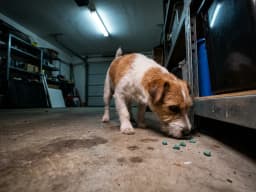
My dog ate rat poison: what to do
EmergencyEmergency. If your dog ate rat poison, call a pet poison line or emergency vet now, bring the packaging, and do not induce vomiting at home.
Call a poison line or emergency vet now
Do not wait for symptoms.


Medically reviewed by Dr. Athena Gaffud, DVM · Last reviewed
What to do right now
- Call a pet poison line or emergency vet immediately. Tell them whether bait or a poisoned rodent may have been eaten.
- Find the packaging and EPA registration number; estimate the amount missing and time of exposure.
- Alert the clinic before arrival. If phosphide exposure is possible, including when the bait is unknown, keep transport well ventilated because vomit may release toxic gas.
- Follow the clinic's immediate instructions and bring the packaging. Do not give food while arranging care unless the veterinarian or poison specialist directs it.
What not to do
- Do not induce vomiting at home. A veterinarian or poison specialist must direct decontamination.
- Do not give food when phosphide exposure is possible: feeding can increase toxic gas production. This precaution matters when the ingredient is uncertain.
- Do not remain in an enclosed car or room with vomit if phosphide exposure is possible. Move people and pets away from fumes and ventilate the space.
- Do not wait for symptoms; a normal appearance or normal clotting test does not establish safety.
What to tell the vet or poison line
- The product packaging or the EPA registration number printed on it.
- The active ingredient listed on the label, such as brodifacoum, bromethalin, cholecalciferol, or zinc phosphide.
- How much bait is missing, in blocks, pellets, or grams.
- When your dog ate it, your dog's weight, and whether your dog may have eaten a poisoned rodent instead of the bait itself.
- 1If your dog ate rat poison, call a pet poison line or an emergency vet now, even if he seems fine.
- 2Four common rodenticide classes require different care. The active ingredient and EPA registration number help identify the exposure.
- 3Do not induce vomiting at home or wait for symptoms. If phosphide bait is possible, vomit can release gas hazardous to people.
If your dog ate rat poison, treat it as an emergency and call a pet poison line or an emergency vet now. Some rodenticides cause delayed signs; others can act rapidly. Treatment is most useful when started promptly, but symptoms or a delay are still reasons to seek care immediately.
Treatment depends on the active ingredient. The packaging and EPA registration number help the veterinary team identify it; color, shape, or brand alone is unreliable. Prognosis depends on the ingredient, exposure, symptoms, and treatment. A normal appearance does not establish safety or guarantee recovery.
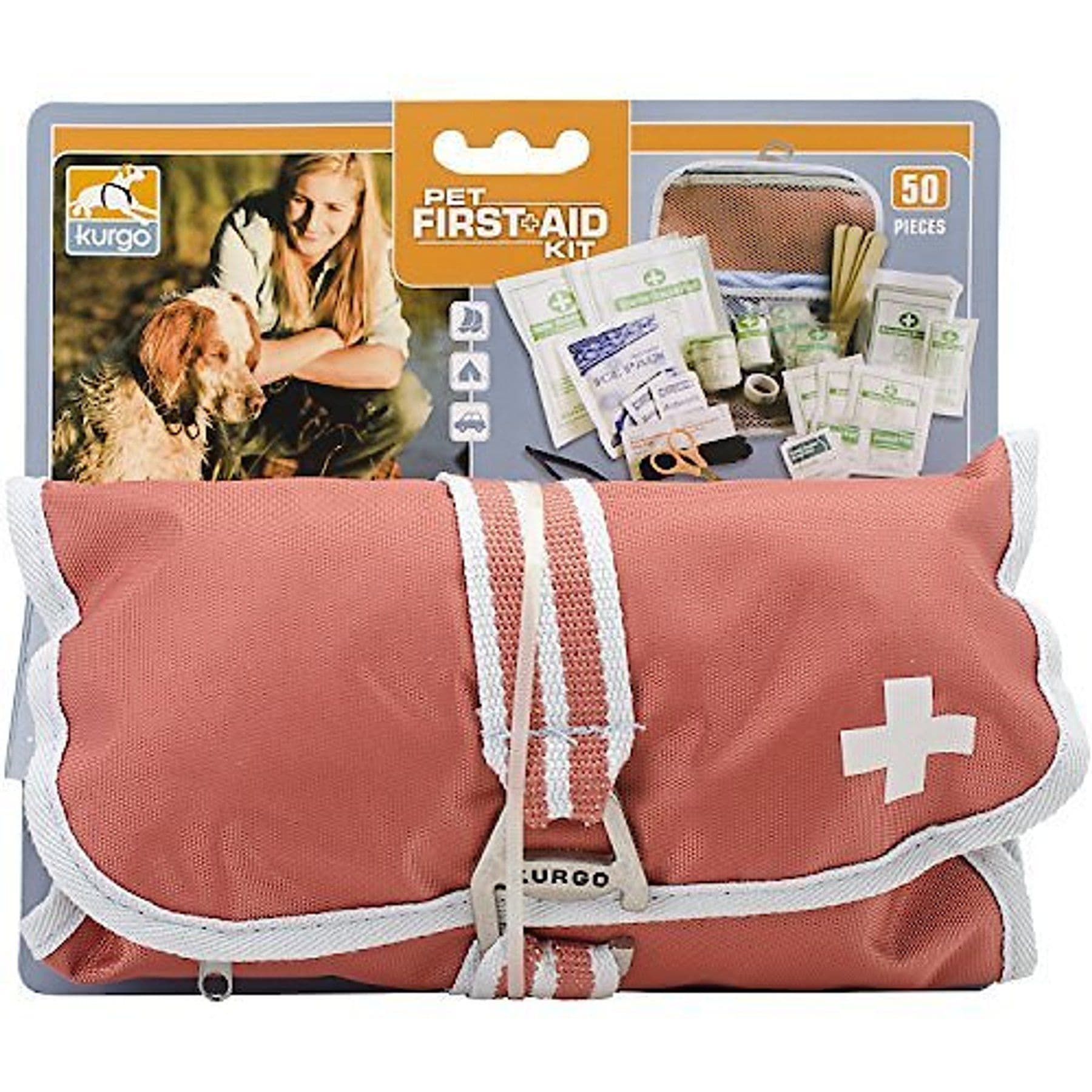
An optional kit for supplies your veterinary team recommends. It does not treat poisoning or a swallowed object; follow the clinic's instructions.
Webvet may earn a commission when you click through to Chewy, at no extra cost to you.
What to do right now
Call first, then search. The poison line will ask which product, how much, when, and your dog's weight. If the packaging is gone, describe the bait (blocks, pellets, paste, or grain) and where it came from; a bait station, a pest-control invoice, or a photo of the label carries the same information.
Keep both poison-line numbers in your first-aid kit and phone. A pet carrier can help transport a small dog. Do not feed him unless the veterinarian directs it: food can increase phosphine production with phosphide bait. Alert the clinic before arrival and follow its transport advice, including ventilation if that bait is possible.

What not to do
Do not induce vomiting at home. It is not safe with every rodenticide, it can cause aspiration, and with a zinc or aluminum phosphide bait the vomit releases phosphine gas into the room. Hydrogen peroxide, salt, and the other home remedies online are no better; the poison line or vet decides on decontamination.
Do not treat two quiet days as proof the bait missed; anticoagulant effects can be delayed. If phosphide bait is possible and your dog vomits, avoid the fumes and an enclosed car or room. Open the windows, move people and pets away from the vomit, and tell the clinic about the possible exposure.

Optional equipment or enrichment for your dog. Check suitability, condition, and directions, and supervise use. This product does not treat a hazardous exposure.
Webvet may earn a commission when you click through to Chewy, at no extra cost to you.
The four kinds of rat poison and why the packaging matters
Every rodenticide label lists an active ingredient and an EPA registration number, and those two lines are what the vet reads. The Pet Poison Helpline can identify the active ingredient from the registration number alone; identical-looking baits can contain completely different poisons.
Anticoagulants block vitamin K recycling, so clotting factors are not replaced and bleeding begins days later. Bromethalin swells the brain and spinal cord. Cholecalciferol, vitamin D3 in a huge amount, drives blood calcium up and injures the kidneys. Zinc and aluminum phosphides react with stomach acid to release phosphine gas, so Merck advises driving with the windows open in case he vomits.
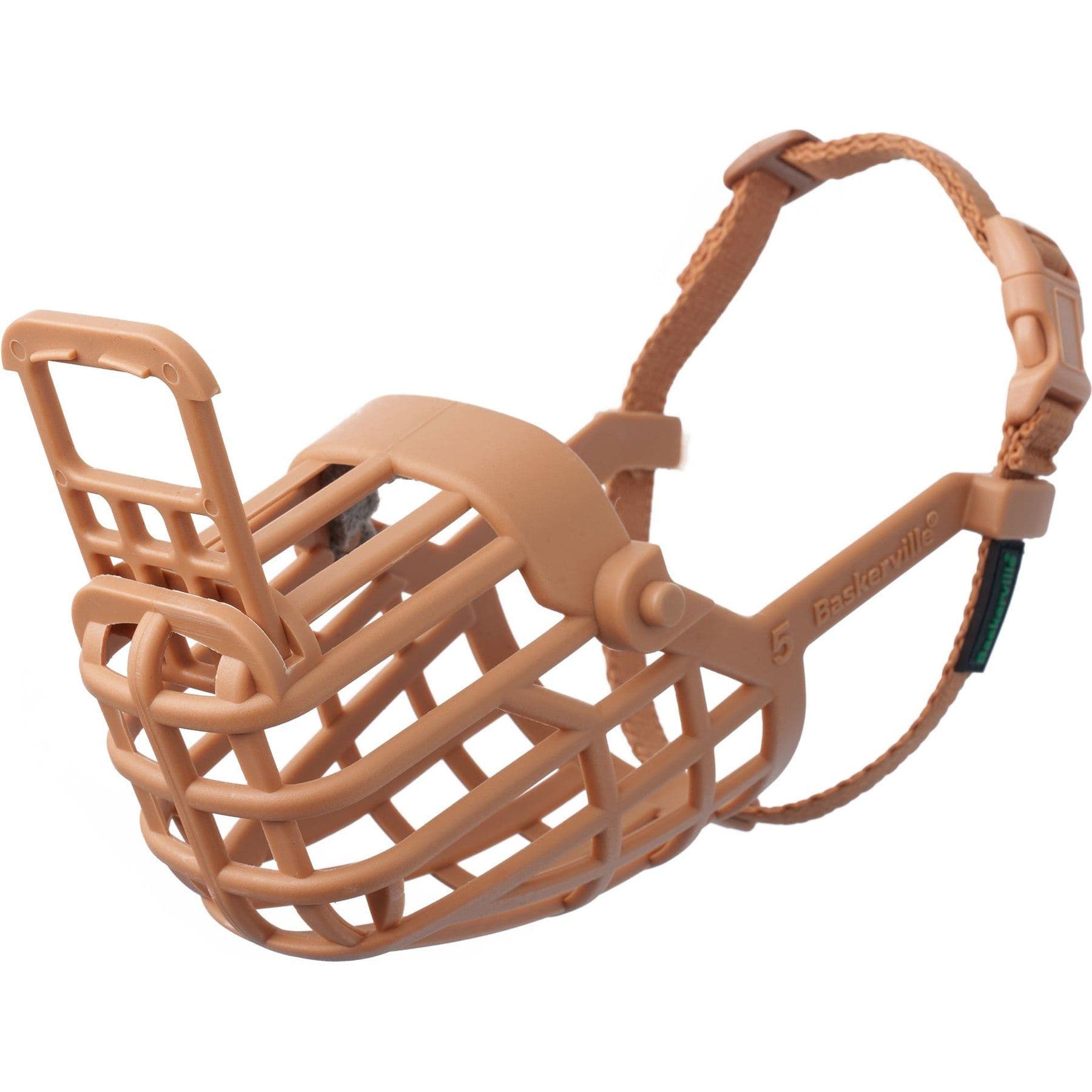
A basket muzzle is an optional preventive aid. Check fit and scavenging protection; some designs allow food through. Supervision remains necessary.
Webvet may earn a commission when you click through to Chewy, at no extra cost to you.
| Label says | Class | What it does | First signs | Onset |
|---|---|---|---|---|
| Brodifacoum, bromadiolone, difethialone, diphacinone, chlorophacinone, warfarin | Anticoagulant | Stops clotting; internal bleeding | Lethargy, pale gums, bruising, nosebleeds, bloody urine | 3 to 5 days, up to 7 |
| Bromethalin | Neurotoxin | Brain and spinal cord swelling | Tremors, weakness, hind-leg paralysis, seizures | Hours to 36 hours, or 1 to 5 days |
| Cholecalciferol (vitamin D3) | Calcium raiser | High calcium; kidney injury | Thirst, urination, vomiting, poor appetite | 1 to 2 days |
| Zinc or aluminum phosphide | Phosphide | Phosphine gas in the stomach | Sudden vomiting, bloating, collapse | Minutes to hours |
| Label missing | Unknown | Effects depend on ingredient | Signs may be delayed or absent | Urgent assessment; clotting tests do not exclude every class |
How much is dangerous: risk factors, not doses
No amount is safe, and no home calculation can clear him. What changes the risk is the class of bait, since some are lethal in far smaller amounts; your dog's size, since one block is a bigger exposure for a Chihuahua than a Labrador; a whole block versus crumbs; and repeat exposure. Puppies, seniors, and dogs with liver or kidney disease have less reserve. Tell the poison line every detail; any amount is a call.
Symptoms and when they start
First signs depend on the class, and anticoagulants, the most common, are the slowest. Nothing happens for two to three days. Then, as clotting factors run out, the dog turns lethargic, the gums go pale, and bleeding shows wherever it starts: a nosebleed that will not stop, bruising, bloody urine or stool, or labored breathing from bleeding into the chest. Merck places clinical bleeding three to seven days after ingestion.

Optional equipment or enrichment for your dog. Check suitability, condition, and directions, and supervise use. This product does not treat a hazardous exposure.
Webvet may earn a commission when you click through to Chewy, at no extra cost to you.
Bromethalin moves faster: tremors, wobbliness, weakness, and hind-leg paralysis within hours after a large amount, or over one to five days after a smaller one. Cholecalciferol brings thirst, urination, vomiting, and appetite loss within one to two days. Phosphides act within minutes to hours. So "dog ate rat poison 2 days ago and seems fine" describes exactly what an anticoagulant looks like on day two, not a dog in the clear. Call now.

What if my dog ate a poisoned rat? Secondary poisoning
Can a dog be poisoned by eating a poisoned rat? Merck recognizes exposure through poisoned prey. Risk varies with the poison, prey consumed, and dog; contact a veterinarian or poison line rather than assuming one rodent is safe. Tell them where the rodent was found and about any baiting program. For prevention, ask about a properly fitted basket muzzle designed for scavenging control; an open basket is not a guaranteed barrier to small objects.
What the vet will do (and the outlook)
Every step is the vet's decision. After a recent ingestion, your vet may decontaminate in the clinic, including activated charcoal, with ventilation precautions for a phosphide bait. Bloodwork follows: clotting tests for anticoagulants, calcium and kidney values for cholecalciferol, a neurological exam for bromethalin.
Anticoagulants have an antidote: your vet may prescribe a vitamin K1 course, usually several weeks, with a repeat clotting test after it ends. A dog already bleeding may need a plasma transfusion. Bromethalin, cholecalciferol, and phosphides have no antidote; those dogs get supportive care: fluids, drugs to lower calcium or control seizures, hospitalization.
How do you flush poison out of a dog's system? There is no general home procedure that reverses rodenticide poisoning. Outcome depends on the ingredient, exposure, symptoms, and treatment. Dogs treated early can do well, but bleeding, kidney injury, or neurological injury may require prolonged care and can be fatal. Follow the veterinarian's recheck plan even after your dog looks better.
Prevention and safer alternatives
No dog-safe rat poison exists; pet-friendly products rely on a tamper-resistant station that a determined dog can chew open. Skip loose bait: enclosed snap traps and electronic traps kill rodents without a poison that travels through a carcass. If bait must stay on the property, keep spare product in a lidded bin behind cabinet locks, photograph every label, and get station locations from your pest-control company in writing. Bag dead rodents before your dog finds them. Scavengers find more than rodents on walks; see our dog ate acorns guide.

Rodenticides are one of several serious ingestion hazards. Our foods toxic to dogs guide covers harmful foods, while the Can My Pet Eat That? hub addresses everyday food questions. A suspected rat-poison exposure still requires an immediate call, regardless of anything else your dog ate.
Frequently Asked Questions
Can a dog survive eating rat poison?
Yes, survival is possible, but the outlook varies by ingredient, amount, symptoms, and treatment. Anticoagulants have a vitamin K1 antidote; bromethalin, cholecalciferol, and phosphides require different care. Call immediately, including if signs have already appeared.
Is there a dog-safe or dog-friendly rat poison?
No. Every registered rodenticide is designed to kill a mammal. Pet-safe labels refer to an enclosed station, not a harmless ingredient; around dogs, choose enclosed traps.
Are there home remedies for a dog that ate rat poison?
No. Nothing in a kitchen reverses an anticoagulant, a neurotoxin, or a calcium poison, and home vomiting risks aspiration or phosphine gas. The only useful home step is the phone call.
Is mouse poison the same as rat poison?
Mouse and rat baits can use the same common rodenticide classes, but products differ. Treat either as a potential emergency, and read the exact active ingredient and EPA registration number to the poison line.
What if I do not know which rat poison my dog ate?
Call immediately and bring the packaging or EPA registration number if available. Appearance alone cannot reliably identify the active ingredient. An unknown bait needs veterinary assessment; clotting tests evaluate anticoagulant effects and cannot rule out all rodenticides. Testing and monitoring depend on the possible ingredients.
Sources
- Pet Poison Helpline: Mouse and Rat Poison (Rodenticides) Poisonous to Dogs and Cats
Describes the four rodenticide classes, the three to five day delay before anticoagulant signs, cholecalciferol kidney failure within days, bromethalin onset from hours to 36 hours, the EPA registration number as the way to identify the active ingredient, and fumes from a dog's phosphide vomit as a hazard to the owner.
- Merck Veterinary Manual: Anticoagulant Rodenticide Poisoning in Animals
Lists warfarin, diphacinone, brodifacoum, and bromadiolone as anticoagulant rodenticides, places clinical bleeding three to seven days after ingestion, and names relay toxicosis from eating poisoned prey as a route of exposure.
- Merck Veterinary Manual: Bromethalin Poisoning in Animals
Bromethalin causes cerebral and spinal cord edema with tremors, weakness, hindlimb paralysis, and seizures, appearing within hours at higher doses and over one to five days at lower doses.
- Merck Veterinary Manual: Phosphide (Zinc, Magnesium, Aluminum) Poisoning in Animals
Phosphides convert to phosphine gas in the stomach, the gas poses a substantial risk to people, and pets should be transported to the clinic with the windows open in case they vomit.
Reviewed by Dr. Athena Gaffud, DVM
General guidance based on credible veterinary sources; not a diagnosis or a substitute for your veterinarian. If your pet ate something dangerous or is unwell, contact your vet or a pet poison line right away.