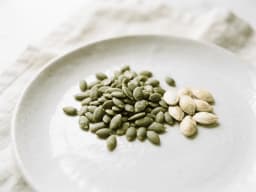
Can dogs eat pumpkin seeds?
Safe in moderationPlain pumpkin seeds are not established as a dog poison, but canine feeding data and serving limits are sparse. They are not a proven dewormer.


Medically reviewed by Dr. Athena Gaffud, DVM · Last reviewed
Can Dogs Eat Pumpkin Seeds?
Plain pumpkin seeds are not established as a canine poison, but direct canine feeding data are limited and no household serving has been validated. Treat them as an optional calorie-dense extra, not a supplement or medicine.
- 1Plain pumpkin seeds are not established as a canine poison, but direct feeding data are limited.
- 2No teaspoon-per-pound or body-size serving has been validated.
- 3Whole, chopped, and ground forms are texture choices based on the individual dog's chewing behavior.
- 4Salt, oil, and sugar add sodium or calories; onion and garlic are separate dose-dependent hazards.
- 5Pumpkin seeds are not a validated deworming treatment for client-owned dogs.

Treats should stay under 10% of your dog's daily calories. JustFoodForDogs makes the rest of it.
- Recipes developed by veterinary nutritionists
- Whole-food ingredients you can recognise
- Fresh meals delivered to your door
Webvet may earn a commission when you click through to JustFoodForDogs, at no extra cost to you.
Are pumpkin seeds safe for dogs?

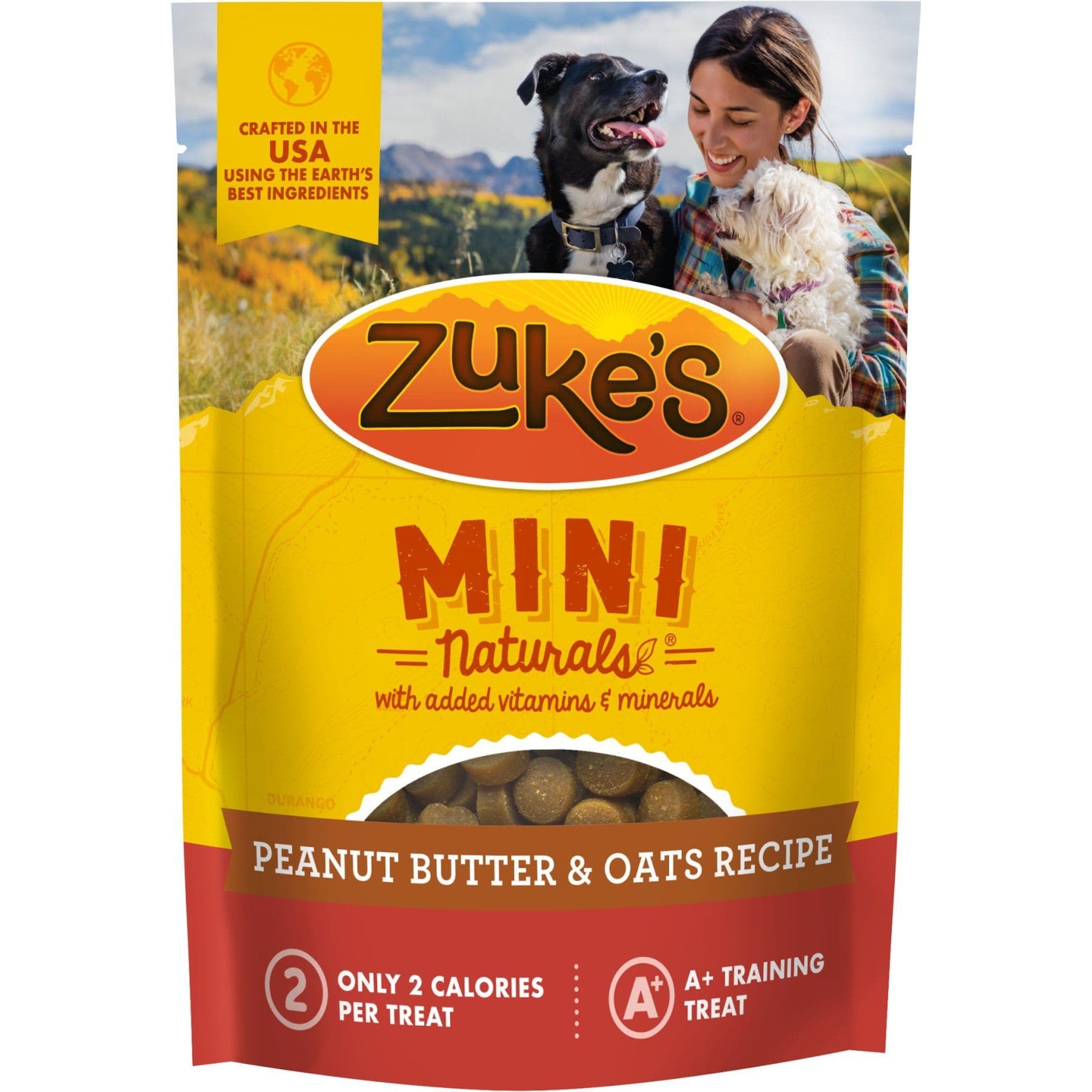
This is an optional dog treat. Review its current label, ingredients, calories, and feeding directions, and count it within the total daily extras.
Webvet may earn a commission when you click through to Chewy, at no extra cost to you.
A few plain seeds are not known to cause a characteristic poisoning syndrome in dogs. That absence of a recognized toxin does not establish unlimited safety, a beneficial dose, or suitability for every medical diet.
Seeds contain protein, fat, fiber, vitamins, minerals, and calories. Listing those nutrients does not prove urinary, coat, heart, immune, antioxidant, or digestive benefits from a treat portion.
Whole, chopped, ground, raw, and roasted forms
Whole seeds are not a universal choking or blockage hazard. Texture decision depends on the dog, seed size, amount, chewing style, dental health, swallowing ability, and whether other material was eaten. A toy-sized dog that swallows several whole seeds and a large dog that chews one seed have different mechanical exposures, but body size still cannot predict outcome by itself. Shells, clumped seed mixtures, rapid gulping, dental disease, prior swallowing problems, and concurrent packaging all matter. Avoid making grinding a compulsory safety ritual for every dog or claiming it eliminates choking risk.
Grinding changes texture but does not create a standardized dose or medical benefit. Plain raw and plain roasted seeds have different moisture and texture; neither form is proved categorically safest for every dog.

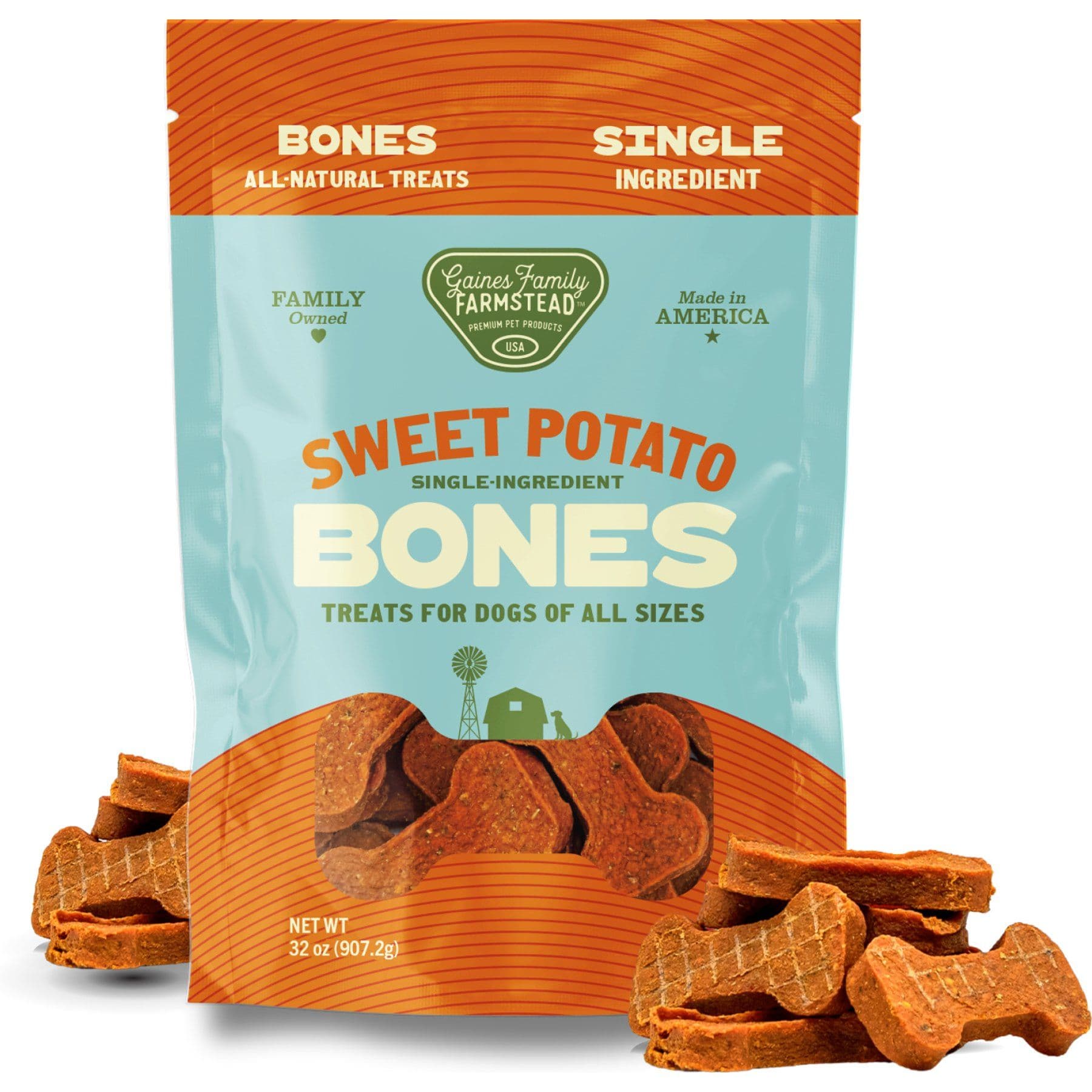
This is an optional dog treat. Review its current label, ingredients, calories, and feeding directions, and count it within the total daily extras.
Webvet may earn a commission when you click through to Chewy, at no extra cost to you.
How much pumpkin seed can a dog have?
No evidence-based teaspoon-per-20-pound limit exists. If plain seeds fit the dog's diet, count their calories with every other treat and keep noncomplete foods within the individual allowance. Seed calories vary with product and preparation, so use the package when available. A measuring spoon of ground seed is not nutritionally equivalent to the same spoon of whole seed and still is not a validated clinical dose.
| Decision factor | How it affects the choice |
|---|---|
| Complete diet and calories | Seeds are calorie dense and must share the treat allowance |
| Chewing and swallowing | Choose a texture the individual dog can manage |
| Medical or prescription diet | Ask the treating veterinarian before adding extras |
Puppies, seniors, small dogs, and large dogs do not each have a universal seed portion. Age, body size, and diagnosis matter only as part of the full calorie, diet, texture, and exposure assessment. Distinguish household seeds from experimental preparations and commercial supplements. Whole in-shell seeds, shelled kernels, ground meal, seed oil, standardized extracts, salted snacks, flavored trail mix, and capsules are not interchangeable exposures. Record the product, ingredient concentration, amount, timing, and any missing container or desiccant. A laboratory extract result cannot supply a home deworming schedule for a dog. Visible rice-like tapeworm segments, fleas, weight loss, diarrhea, or suspected parasites call for diagnosis and species-appropriate treatment, including control of the relevant intermediate host when indicated.
Salted, oiled, sweetened, and seasoned seeds
Salt, oil, and sugar are not one poison category. They change sodium or calories and may not fit an individual diet, while onion and garlic require separate ingredient- and dose-based assessment. Snack mixes may include several seed types, nuts, dried fruit, chocolate pieces, artificial sweeteners, spicy coatings, or absorbent packets. Identify the entire product and how much is missing. A salty label calls for sodium assessment; confirmed onion or garlic calls for allium assessment; a swallowed bag calls for foreign-body assessment. Those pathways should not be collapsed into a claim that seasoned seeds are uniformly toxic.

A flavor name does not prove allium content. Read the exact label for onion, garlic, chocolate, xylitol, raisins, or other relevant ingredients, and estimate the amount eaten.
Pumpkin seeds are not a proven dewormer
Laboratory and mouse research on pumpkin-seed extracts does not validate household seeds as a deworming treatment for client-owned dogs. Extract, dose, parasite, study species, and clinical setting all matter. Deworming evidence must match the parasite, preparation, dose, study species, and clinical outcome. An extract tested in a laboratory or in mice is not equivalent to feeding whole grocery seeds to a dog. Even limited canine research would need replication, product standardization, safety data, and comparison with established treatment before it could support a household protocol.
Use established parasite diagnosis and treatment
Tapeworms and other parasites differ in life cycle, diagnosis, treatment, and prevention. A veterinarian may need stool testing, parasite identification, a licensed anthelmintic, and flea or prey control. Parasite prevention may also require treating other pets, controlling fleas, preventing hunting or scavenging, cleaning the environment, and scheduling repeat testing. Seeds cannot replace those steps because they do not identify the parasite or interrupt every life cycle. For an accidental seed exposure, identify hulls, sodium, oil, spices, chocolate, raisins, other nuts, sweeteners, and packaging. Hull quantity and the dog's chewing behavior matter more than a claim that every shell obstructs. Repeated vomiting, abdominal pain, loss of appetite, distention, inability to keep water down, marked lethargy, tremors, or collapse warrants prompt veterinary advice. Planned kernels also add calories and fat and can interfere with elimination trials or therapeutic diets. Dogs receiving parasite preventives or prescriptions should stay on the veterinarian's schedule rather than substituting pumpkin seeds or adding concentrated products without review.

Do not delay effective treatment while trying seeds. Persistent diarrhea, weight loss, scooting, visible segments, vomiting, weakness, or a high-risk exposure warrants veterinary guidance.
Choosing another optional treat
Choose treats for calorie fit, ingredient simplicity, chewing safety, and the dog's complete diet. A different seed, vegetable, or meat is not automatically healthier without comparing the individual products and patient.
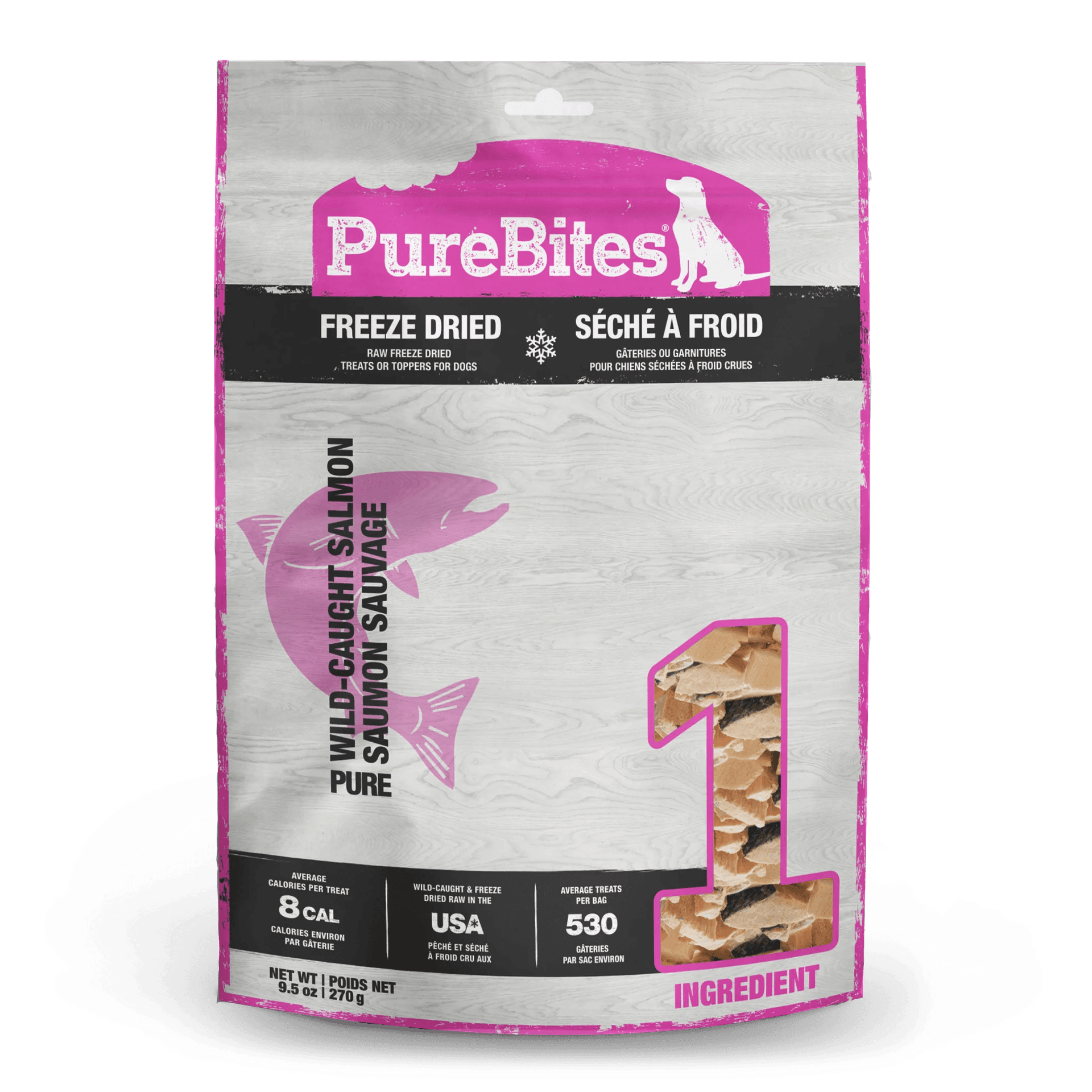
This is an optional dog treat. Review its current label, ingredients, calories, and feeding directions, and count it within the total daily extras.
Webvet may earn a commission when you click through to Chewy, at no extra cost to you.
Frequently Asked Questions
Can dogs eat raw pumpkin seeds?
Plain raw seeds are not established as a canine poison, but direct feeding data are limited. Choose texture for the individual dog.
Can dogs eat pumpkin seeds with the shells on?
Roasting changes moisture and texture but does not create a proven safer form or clinical benefit. Avoid added seasonings.
Are salted pumpkin seeds okay for dogs?
Whole seeds are not a universal obstruction. Risk depends on amount, seed and dog size, chewing, swallowing, and clinical signs.
How often can I give my dog pumpkin seeds?
No. Experimental extract and animal research does not validate household pumpkin seeds as a substitute for veterinary parasite treatment.

The bottom line is cautious: plain seeds are not established as toxic, yet neither a health-benefit dose nor a universal serving is established. Keep them optional and calorie-counted, and use veterinary care for digestive or parasite concerns. Bring a fresh stool sample when the clinic requests one and photograph any visible segments before cleaning them away. Household members should also address fleas and prevent scavenging according to veterinary guidance, since treating a dog without controlling the relevant source can lead to reinfection.
More safe treats
More nuts & seeds for dogs
Sources
- Merck Veterinary Manual: Tapeworms in Dogs and Cats
Tapeworm diagnosis, species identification, treatment, and control require established veterinary methods rather than an unvalidated household seed regimen.
- PubMed: Anthelmintic Activity of Pumpkin Seed Extract
Experimental in vitro and mouse findings do not validate household pumpkin seeds as a deworming protocol for client-owned dogs or cats.
- AAHA: Nutritional Risk Factors
Noncomplete foods above 10 percent of daily calories can dilute essential nutrients; individual medical and life-stage factors require assessment.
- Merck Veterinary Manual: Garlic and Onion Toxicosis
Allium risk depends on the actual ingredient, concentration, amount, species, and patient rather than a food category alone.
- Merck Veterinary Manual: Salt Toxicosis in Animals
Salt toxicosis is dose-dependent and strongly influenced by fresh-water access; sodium's presence alone does not establish poisoning.
- Merck Veterinary Manual: Gastrointestinal Obstruction in Small Animals
Foreign-body and choking concerns depend on object and patient characteristics; a food texture does not guarantee obstruction.
Reviewed by Dr. Athena Gaffud, DVM
General guidance based on credible veterinary sources; not a diagnosis or a substitute for your veterinarian. If your pet ate something toxic or is unwell, contact your vet or a pet poison line right away.