
Can dogs eat pancakes?
Not recommendedA plain cooked pancake is not a dog toxin. Check the recipe and amount for xylitol, chocolate, raisins, alliums, nutmeg, and other hazards.


Medically reviewed by Dr. Athena Gaffud, DVM · Last reviewed
Can Dogs Eat Pancakes?
A plain fully cooked pancake is not a recognized canine toxin; the practical risk comes from the exact recipe, toppings, amount, and dog. Do not assume xylitol is common in sugar-free syrup; read the current ingredient list. A pancake exposure cannot diagnose wheat allergy, dairy allergy, or lactose intolerance. Identify the exact form, ingredients, amount, and dog before deciding whether home observation or veterinary advice fits. If the preparation is uncertain, save the package, recipe, or remaining food; a category name alone cannot reveal every ingredient or swallowed object.
- 1A plain fully cooked pancake is not a recognized canine toxin.
- 2Read the exact sweetener label instead of assuming xylitol is common in sugar-free syrup.
- 3Confirmed canine xylitol exposure needs prompt dose-based assessment.
- 4Butter and syrup calories are not equivalent to chocolate, raisins, xylitol, or alliums.
- 5Nutmeg risk is dose dependent and small recipe amounts are not automatic emergencies.

Treats should stay under 10% of your dog's daily calories. JustFoodForDogs makes the rest of it.
- Recipes developed by veterinary nutritionists
- Whole-food ingredients you can recognise
- Fresh meals delivered to your door
Webvet may earn a commission when you click through to JustFoodForDogs, at no extra cost to you.
Can dogs eat pancakes?

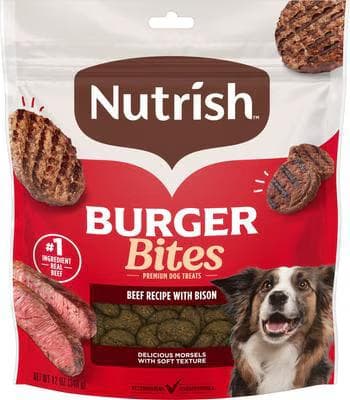
This is an optional dog treat. Review its current label, ingredients, calories, and feeding directions, and count it within the total daily extras.
Webvet may earn a commission when you click through to Chewy, at no extra cost to you.
Flour, cooked egg, ordinary sugar, and a modest amount of milk or butter in a plain cooked pancake do not form one canine poison. Complete recipe review is more useful than zero-value rhetoric. Separate the plain pancake from xylitol, chocolate or cocoa, raisins, onion or garlic, alcohol, raw yeast dough, concentrated spice, wrappers, and non-toxic calorie-dense toppings. The conclusion applies to the identified form and does not predict the response to every preparation, amount, or patient. A food can be non-toxic yet remain a poor routine choice because of calories, texture, individual tolerance, or a prescribed diet. A low-risk accidental taste and repeated feeding therefore need separate decisions.
A useful safety assessment names the exact item. Fresh food, a sweetened or seasoned product, a peel, pit, plant, powder, concentrate, and discarded packaging can create different questions. Chocolate risk depends on cocoa type and dose; raisin risk is canine and exposure specific; allium risk depends on ingredient and amount. Review each topping rather than calling the entire breakfast poisonous.
How product form changes the answer
Merck describes canine xylitol hypoglycemia risk around doses above 100 milligrams per kilogram and hepatic-injury risk around doses above 500 milligrams per kilogram, but product concentration and the largest plausible amount must be calculated for the individual dog. Use the product details, amount, timing, symptoms, and patient history to decide when veterinary advice is needed.
For pancakes, the higher-concern situation is confirmed xylitol or a concerning chocolate, raisin, allium, spice, or object exposure changes triage. Age, body size, chewing behavior, health history, current diet, and medications can change the practical decision for this dog. A prescription-diet patient or one with ongoing signs needs case-specific advice; have the current food and medication list available when calling.
Because sweeteners, toppings, fillings, batter, and wrappers vary, store pancakes, discarded parts, mixed dishes, and packaging securely. Before cleanup, record the brand, ingredients, missing amount, and time.

What to watch for after an exposure
A small plain cooked-pancake exposure in a normal dog is generally a monitoring question. A mixed exposure requires calculations from the dog's weight, recipe, amount, product concentrations, time, and signs. Do not predict a complication from the food name alone. Record what was eaten, the part or recipe, the estimated amount, the time, and whether the dog is acting normally. If a pit, core, wrapper, skewer, packet, or other object may be missing, report it separately from the edible ingredients because physical and toxicology concerns require different follow-up.
Seek urgent help for confirmed xylitol, a concerning chocolate or raisin amount, meaningful allium exposure, neurologic signs, collapse, seizures, repeated vomiting, breathing trouble, or rapidly worsening illness. Trouble breathing, collapse, seizures, marked weakness, repeated vomiting, a painful or enlarging abdomen, inability to keep water down, or other rapid deterioration needs urgent veterinary assessment regardless of the suspected food.
When confirmed xylitol or a concerning chocolate, raisin, allium, spice, or object exposure changes triage, do not induce vomiting, give hydrogen peroxide, force food or fluids, or administer a home antidote unless a veterinarian directs it for this patient.
Amounts and individual diet planning

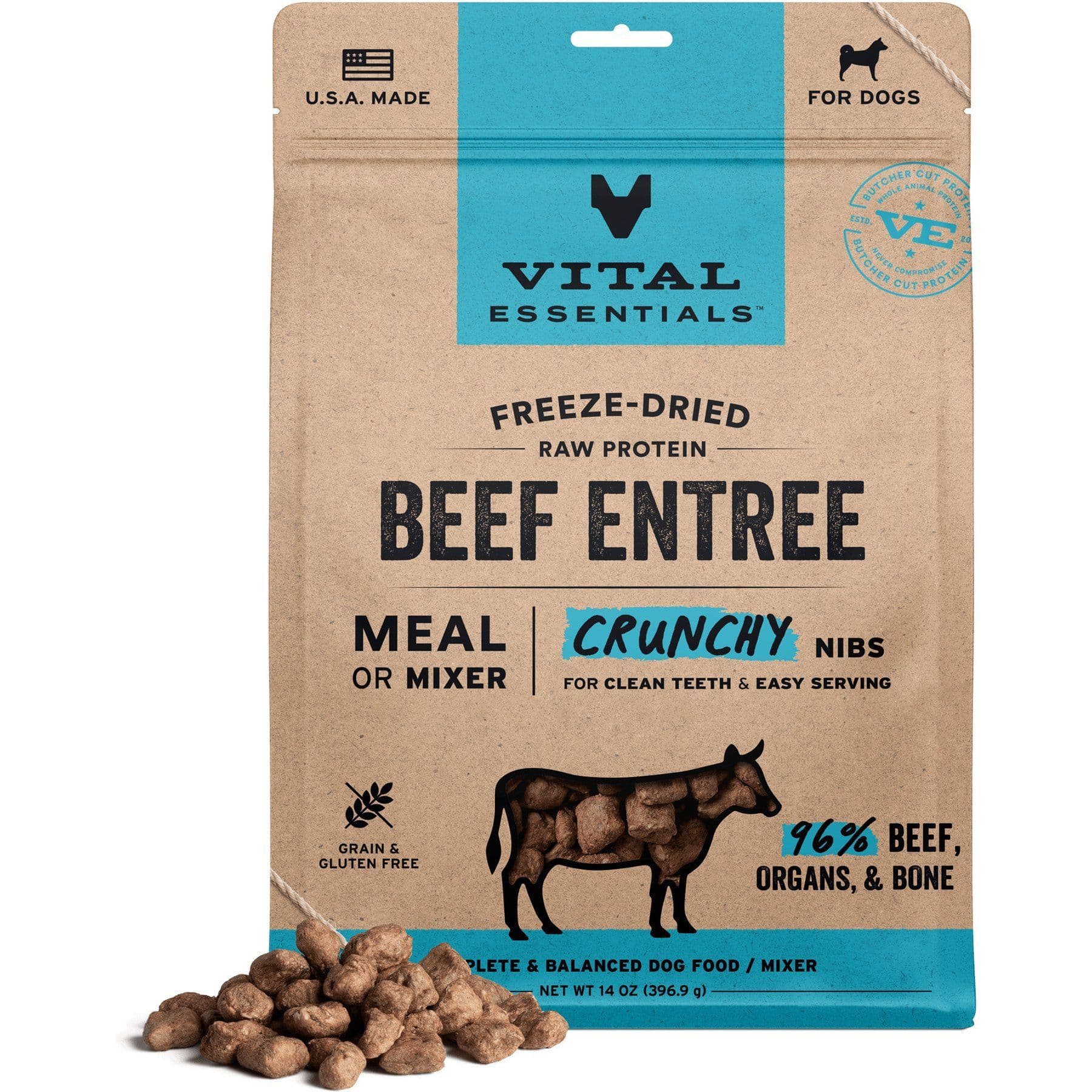
This is an optional dog treat. Review its current label, ingredients, calories, and feeding directions, and count it within the total daily extras.
Webvet may earn a commission when you click through to Chewy, at no extra cost to you.
The plain-form assessment is that a plain fully cooked pancake is not a recognized toxin; it does not create a universal piece, spoon, cube, or body-size amount. Start with the dog's energy need, exact product calories, other treats, and medical restrictions. When calories are missing, weigh the product or keep it incidental rather than converting an internet portion into a daily allowance. Recalculate the plan when body condition, activity, medication, diagnosis, or the complete food changes.
| Situation | What it means | Owner action |
|---|---|---|
| Plain intended form | A plain fully cooked pancake is not a recognized toxin | Keep complete food primary and count any calories |
| Mixed or packaged product | Sweeteners, toppings, fillings, batter, and wrappers vary | Read and save the complete label |
| Concerning part or ingredient | Confirmed xylitol or a concerning chocolate, raisin, allium, spice, or object exposure changes triage | Obtain case-specific veterinary or poison-service advice |
| Clinical signs | Symptoms change urgency even when the amount is uncertain | Call promptly for persistent or severe signs |
Because confirmed xylitol or a concerning chocolate, raisin, allium, spice, or object exposure changes triage, a general treat ceiling cannot serve as a safety dose. If pancakes will be repeated, the veterinary team can decide whether its specific form belongs in this dog's plan.
What the narrow safety statement means
When confirmed xylitol or a concerning chocolate, raisin, allium, spice, or object exposure changes triage, include the dog's weight, age, diagnoses, medications, normal diet, and current symptoms when requesting veterinary advice.
The plain-form assessment is that a plain fully cooked pancake is not a recognized toxin. Routine tolerance, calories, texture, gastrointestinal response, and prescription-diet fit still depend on the actual pancakes form and patient.
When an exposure needs prompt veterinary advice
A normal appearance immediately after pancakes does not settle a higher-concern exposure such as confirmed xylitol or a concerning chocolate, raisin, allium, spice, or object exposure changes triage. Follow-up depends on the specific object, ingredient, amount, timing, and patient.

During home observation, note appetite, drinking, activity, vomiting, stool, coordination, breathing, and comfort. Contact the veterinary team if signs persist, worsen, or do not fit the low-risk exposure that was initially described.
Patient factors that can change the plan
If the dog develops signs after pancakes, avoid assuming the ingredient proves the diagnosis. Record timing and progression, stop further access, and let the veterinary team consider other foods, underlying disease, medications, and unrelated causes.
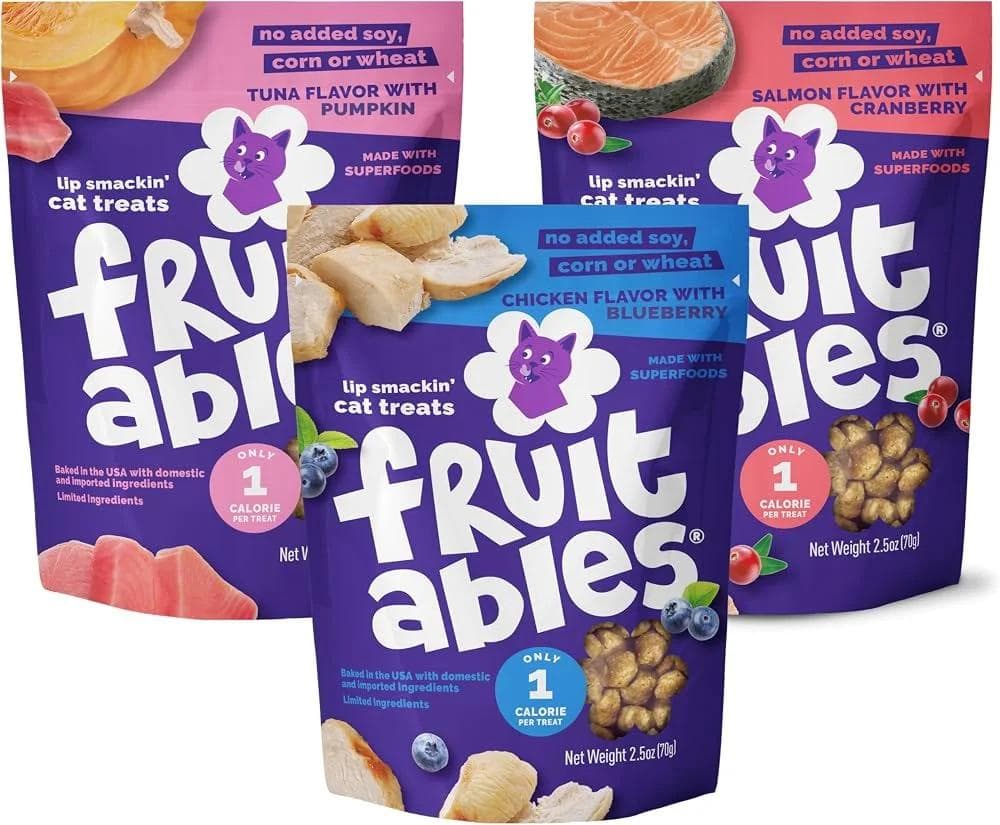
This is an optional dog treat. Review its current label, ingredients, calories, and feeding directions, and count it within the total daily extras.
Webvet may earn a commission when you click through to Chewy, at no extra cost to you.
Recurrent exposure is a feeding-plan issue even when no emergency occurs. Secure the food, review household habits, and choose a predictable reward that fits the dog's complete diet and medical needs.
The bottom line
For pancakes, remember that a plain fully cooked pancake is not a recognized toxin. Use the exact product, amount, patient, and symptoms to decide whether home observation or veterinary advice is appropriate.
Frequently Asked Questions
Is plain pancakes safe for dogs?
For the identified plain form, a plain fully cooked pancake is not a recognized toxin. Other parts, recipes, and amounts need their own assessment.
What should I check before sharing pancakes?
For a mixed or packaged pancakes product, sweeteners, toppings, fillings, batter, and wrappers vary. Check the current label or recipe rather than relying on the product name.
How much pancakes can dogs have?
No universal serving is established. Fit any planned taste to the individual calorie allowance, complete diet, and medical needs.
What if my dog ate pancakes?
Save the exact pancakes product details, estimate the largest plausible amount and time, and monitor the actual dog.
When should I call a veterinarian?
Seek veterinary advice when confirmed xylitol or a concerning chocolate, raisin, allium, spice, or object exposure changes triage, or when signs are severe, persistent, or worsening.

Safe alternatives
More grains & bread for dogs
Sources
- Merck Veterinary Manual: Xylitol Toxicosis in Dogs
Xylitol can cause dose-dependent hypoglycemia and liver injury in dogs; confirmed canine exposure needs prompt assessment.
- FDA: Paws Off! Xylitol Is Toxic to Dogs
Owners should inspect the exact label and seek urgent help when a dog may have consumed xylitol.
- Merck Veterinary Manual: Chocolate Toxicosis in Animals
Chocolate risk depends on the type, methylxanthine concentration, amount, species, patient, and clinical signs rather than the name of a mixed food alone.
- Merck Veterinary Manual: Grape, Raisin, and Tamarind Toxicosis in Dogs
The well-characterized grape and raisin acute kidney injury syndrome is canine; this source does not establish an equivalent feline syndrome.
- Merck Veterinary Manual: Garlic and Onion Toxicosis in Animals
Allium risk depends on the actual ingredient, concentration, dose, species, and patient.
- ASPCA Animal Poison Control: When Pumpkin Spice Is Not So Nice
Nutmeg-related systemic signs are associated with large ingestions, so recipe amount and exposure amount matter.
- WSAVA: Feeding Treats to Your Dog
Treats share an individual calorie allowance and should not displace complete canine nutrition.
Reviewed by Dr. Athena Gaffud, DVM
General guidance based on credible veterinary sources; not a diagnosis or a substitute for your veterinarian. If your pet ate something toxic or is unwell, contact your vet or a pet poison line right away.