
Can dogs eat lemons?
Not recommendedASPCA says lemon fruit is edible. Skin and plant material contain essential oils and psoralens; assess the exact part, amount, and signs.


Medically reviewed by Dr. Athena Gaffud, DVM · Last reviewed
Can Dogs Eat Lemons?
ASPCA identifies lemon fruit as edible while skins and plant material contain essential oils and psoralens that can cause problems. Ordinary seeds and white pith are not listed as toxic principles in that entry. After an exposure, identify pulp, juice, peel, leaves, stems, a large rind, concentrated oil, cleaner, cosmetic, drink, dessert, or packaging separately. A lick of pulp is not the same route or concentration as oil spilled on skin or fur. For dermal contact with a concentrated product, prevent licking and save the container while requesting product-specific advice. Record the amount, time, dog's weight, vomiting, drooling, activity, breathing, skin changes, and any missing object. Juice, candy, baked goods, cleaners, and cocktails need full ingredient review for alcohol, sweeteners, caffeine, medicines, and wrappers. Lemon's vitamin and water content does not establish hydration or immune benefits from a taste. Secure peel and concentrated products, and use complete food for repeatable rewards. Never apply concentrated lemon oil as a flea, skin, or deodorizing remedy without veterinary direction. If a product was intentionally placed on the dog, report its concentration, carrier ingredients, body area, duration, and whether licking occurred so dermal and oral exposure can be assessed together. Keep the dog out of an active spill, ventilate the area, and obtain label-specific cleanup advice before combining cleaning products. Diffuser refills, polish, cosmetics, and citrus cleaners need secure storage because scent alone does not reveal their concentration or other ingredients.
- 1ASPCA says lemon fruit is edible.
- 2Skin and plant material, not the fruit pulp as a category, contain the cited toxic principles.
- 3Seeds and pith are not established toxic parts in the cited record.
- 4A pulp or juice taste does not predict gastrointestinal illness.
- 5Assess the exact part, product, amount, dog, exposure route, and signs.

Treats should stay under 10% of your dog's daily calories. JustFoodForDogs makes the rest of it.
- Recipes developed by veterinary nutritionists
- Whole-food ingredients you can recognise
- Fresh meals delivered to your door
Webvet may earn a commission when you click through to JustFoodForDogs, at no extra cost to you.
Are lemons safe for dogs?
A small taste of lemon pulp or juice is unlikely to poison a healthy dog. That differs from chewing skin, plant material, or exposure to a concentrated essential-oil product.

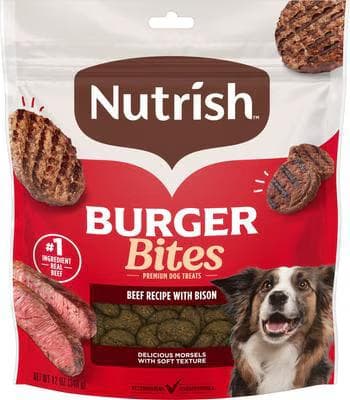
This is an optional dog treat. Review its current label, ingredients, calories, and feeding directions, and count it within the total daily extras.
Webvet may earn a commission when you click through to Chewy, at no extra cost to you.
Separate fruit pulp and juice from skin, leaves, stems, and concentrated citrus-oil products. Seeds and pith are not identified as toxic parts in the ASPCA lemon record. The ASPCA lemon entry uses a distinction that owners can act on: the fruit is edible, while skins and plant material can cause problems because of essential oils and psoralens. It does not identify seeds or the white pith as equivalent toxic principles. A dog licking pulp, chewing a thick peel, eating leaves from a tree, and contacting a concentrated citrus-oil product therefore should not receive identical advice. Identify the exact part and route. A large rind piece may also behave as a physical object in the gastrointestinal tract, which is separate from chemical irritation and depends on the piece, dog, location, and signs.
Why lemons are a poor choice
Lemon pulp is acidic and may be unpalatable, but acidity does not predict drooling, vomiting, or diarrhea after every taste. Assess the individual amount and clinical signs.

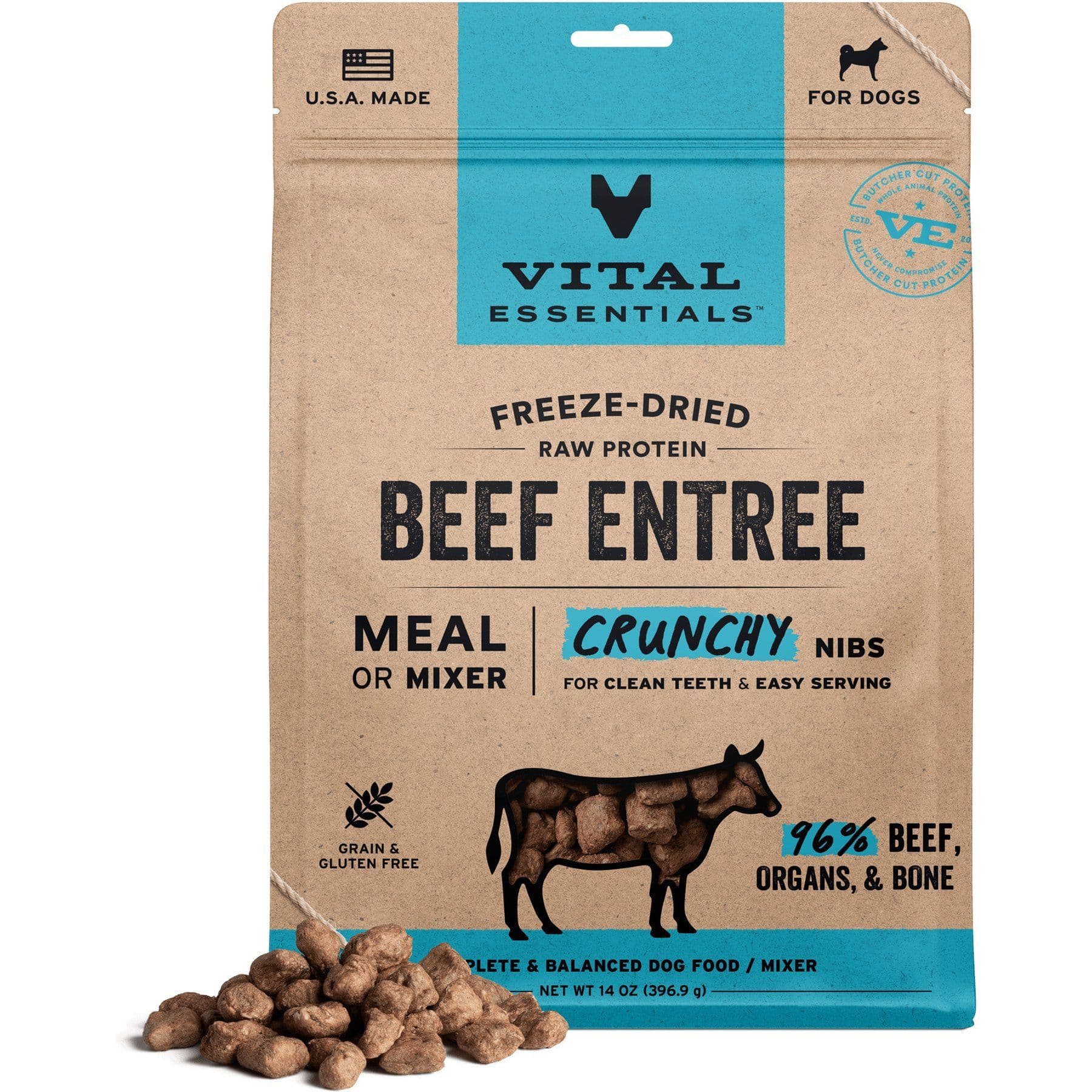
This is an optional dog treat. Review its current label, ingredients, calories, and feeding directions, and count it within the total daily extras.
Webvet may earn a commission when you click through to Chewy, at no extra cost to you.
Essential-oil toxicosis depends on the oil, concentration, exposure route, species, amount, and signs. Do not equate a dilute fruit taste with a concentrated oil or plant exposure. Concentrated essential oil is not interchangeable with the amount naturally present in a lick of fruit pulp. Oil toxicology depends on the exact oil, concentration, quantity, and whether exposure occurred by mouth, on skin, or through inhalation. A product used for cleaning, fragrance, or pest control may contain several active ingredients and solvents, so keep the container and do not rely on lemon in the name. If concentrated oil contacts the dog's coat or skin, prevent licking and contact a veterinarian or poison service for product-specific decontamination advice. Do not induce vomiting or apply another chemical in an attempt to neutralize the exposure unless a professional directs it.
Dogs synthesize vitamin C, but that fact does not prove every dietary source has zero biological effect. Lemon remains unnecessary because complete food supplies required nutrients, not because the fruit is nutritionally nothing.
What about lemon juice, lemonade, and lemon treats?
A small taste of plain lemon juice is generally monitored rather than treated as poisoning. Lemon water is unnecessary; evaluate any prepared drink from its full ingredients, amount, packaging, and signs.
Cakes, bars, cookies, lemonade, and other lemon-flavored products vary. Check chocolate, xylitol, raisins, alcohol, alliums, packaging, and other actual ingredients rather than treating lemon flavor as one hazard. Lemon-flavored food can create more questions than the fruit itself. Lemon cake, bars, cookies, curd, drinks, marinades, and candies may contain xylitol, chocolate, raisins, alcohol, caffeine, macadamia nuts, onion, garlic, or packaging. Sugar and fat add calories but are not automatically poisons; each identified hazard needs its own amount-based assessment. Save the ingredient list, estimate the amount, and note the time. A small pulp or juice taste in a normal dog is generally monitored, while repeated vomiting, weakness, tremors, difficulty breathing, marked skin irritation, or a concerning mixed-product ingredient warrants prompt veterinary advice.

How much lemon is a problem?
There is no universal lemon toxicity table by dog size. Assess the fruit part or product, amount, dog, route, timing, and clinical signs.
What to do if your dog ate a lemon
After a small pulp or juice exposure, remove access, keep fresh water available, and observe the individual dog. Do not prescribe fasting or promise a symptom or recovery window. Observation means checking the actual dog, not waiting for a fixed number of hours promised online. Note appetite, water intake, activity, vomiting, stool, coordination, breathing, and skin changes. A veterinarian may recommend different follow-up for a puppy, a dog with liver disease, a dog that swallowed rind, and a dog exposed to concentrated oil. Give those details when calling.
Seek veterinary or poison-service advice for a concerning skin or plant exposure, concentrated essential oil, swallowed large rind piece, hazardous mixed-product ingredient, repeated vomiting, weakness, tremors, or other illness.

Safe fruit treats to give instead
Other fruits are not automatically safer, hydrating, antioxidant-rich treatments. Identify and prepare any option appropriately and count it within the individual calorie plan.
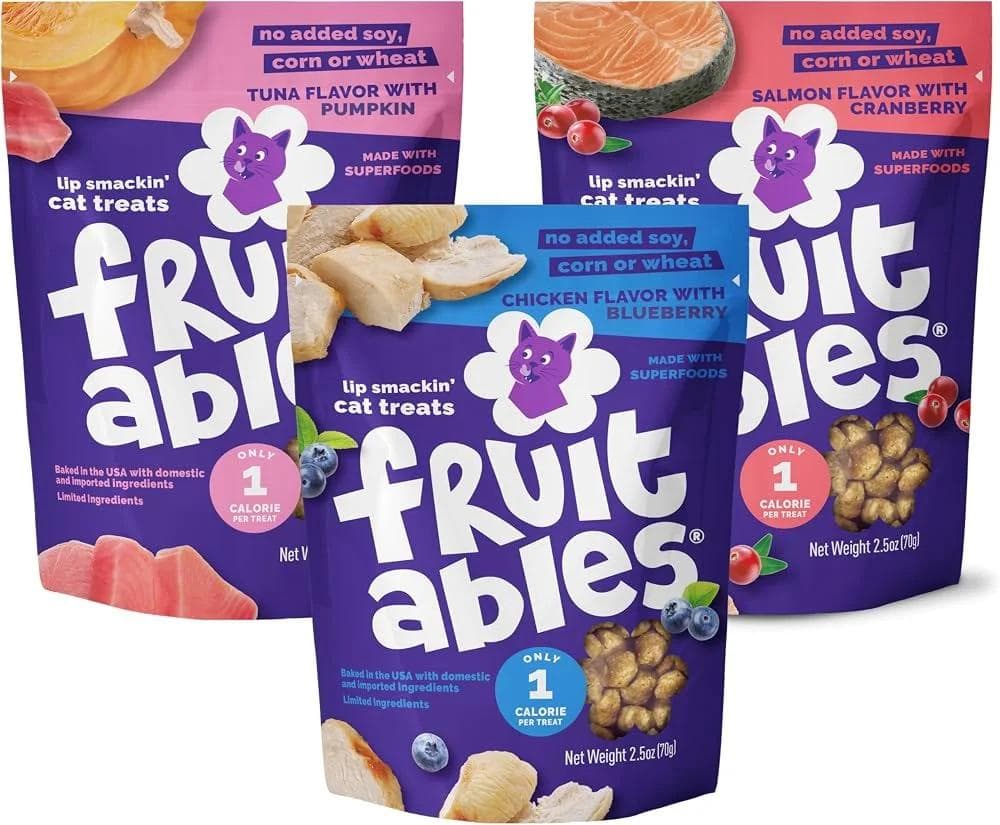
This is an optional dog treat. Review its current label, ingredients, calories, and feeding directions, and count it within the total daily extras.
Webvet may earn a commission when you click through to Chewy, at no extra cost to you.
Fruit is optional. Choose any treat for safety, calorie fit, chewing behavior, individual tolerance, and the complete veterinary diet.
Frequently asked questions
Is it okay for a dog to lick a lemon?
ASPCA says lemon fruit is edible. A small pulp or juice taste is usually monitored; assess the individual dog and signs.
What happens if my dog eats a lemon?
Fruit pulp differs from skin, plant material, and concentrated oils. Note the exact part, amount, product, and symptoms.
Can dogs eat lemon peel or pulp?
ASPCA identifies fruit as edible and skin and plant material as the concern. Seeds and pith are not established toxic parts in that record.
Is lemon water or lemon juice good for dogs?
Lemon water is unnecessary and not a treatment. Check any prepared drink for other ingredients.
Are other citrus fruits like limes and oranges also a problem?
Do not assume every citrus species or product is equivalent. Identify the plant, part, preparation, amount, route, and signs.

Safe alternatives
More fruits for dogs
Sources
- ASPCA: Lemon
The exact entry says lemon fruit is edible; skins and plant material contain essential oils and psoralens.
- Merck Veterinary Manual: Toxicoses From Essential Oils in Animals
Concentrated essential-oil risk depends on oil type, concentration, exposure route, species, and clinical signs; oral and dermal exposure are distinct.
- Merck Veterinary Manual: Gastrointestinal Obstruction in Small Animals
Foreign-body risk and outcome depend on the object, amount, patient, and clinical signs.
- WSAVA: Feeding Treats to Your Dog
All treats share an individual calorie allowance and should not displace complete nutrition.
- Merck Veterinary Manual: Overview of Nutrition in Small Animals
Complete and balanced feeding and patient-specific calorie planning are the nutritional baseline for dogs and cats.
Reviewed by Dr. Athena Gaffud, DVM
General guidance based on credible veterinary sources; not a diagnosis or a substitute for your veterinarian. If your pet ate something toxic or is unwell, contact your vet or a pet poison line right away.