
Can dogs eat kale?
Safe in moderationA small plain kale exposure is unlikely to poison a dog, but kale has no proven dose or benefit and should not override an individual diet plan.


Medically reviewed by Dr. Athena Gaffud, DVM · Last reviewed
Can Dogs Eat Kale?
A small exposure to identified plain kale is unlikely to poison most dogs, and current evidence does not establish kale as a direct cause of bladder or kidney stones. Urinary disease is multifactorial, so a dog receiving a dissolution, prevention, renal, or other therapeutic diet should follow that specific plan instead of a generic kale blacklist. Distinguish raw leaves, steamed kale, chips, smoothies, salad, soup, powders, supplements, and discarded bags. Oils, salt, onion, garlic, cheese, nuts, sweeteners, and other ingredients in prepared forms need separate review. Cooking changes texture but is not proven to lower oxalate enough to prevent canine stones or to guarantee easier digestion. Record the amount, time, dog's weight, vomiting, stool, appetite, urinary signs, activity, and any swallowed stem, skewer, or packaging. Kale's vitamins, minerals, fiber, and antioxidants do not establish a urinary, immune, digestive, or weight benefit from a treat portion. Use measured complete food when a repeated reward must fit a prescribed diet. If urinary signs such as straining, frequent attempts, blood, or pain are present, the dog needs prompt veterinary assessment regardless of whether kale was eaten. Bring the therapeutic-food name and recent diet changes so the clinician can evaluate the whole urinary plan. Record whether the kale was raw, cooked, dehydrated, seasoned, or blended into another recipe. Dogs receiving a prescription or elimination diet should have every recurring extra cleared with the team managing that diet.
- 1Plain kale is not established as a canine toxin, but it is unnecessary.
- 2Calcium-oxalate stone disease is multifactorial; one kale exposure does not predict it.
- 3Dogs on a prescription diet should receive only approved extras.
- 4The 10% treat rule is a ceiling for all treats, not a target for kale.
- 5Raw versus cooked kale changes texture, but no preparation is proven medically safer.

Treats should stay under 10% of your dog's daily calories. JustFoodForDogs makes the rest of it.
- Recipes developed by veterinary nutritionists
- Whole-food ingredients you can recognise
- Fresh meals delivered to your door
Webvet may earn a commission when you click through to JustFoodForDogs, at no extra cost to you.
Is kale safe for dogs?
Kale contains nutrients, fiber, calories, and plant compounds. Listing them does not prove vitamin, antioxidant, digestive, immune, skin, vision, clotting, or other clinical benefit from a treat portion. Finding calcium oxalate in a food is not the same as showing that an occasional bite causes a bladder or kidney stone. Canine urolithiasis involves urine chemistry, genetics, breed, hydration, diet, medications, previous stones, and other patient factors. Stone type also matters; recommendations for one mineral composition cannot be copied to every urinary problem. If a dog has a history of stones or crystals, the useful information is the laboratory identification, urinalysis, imaging, and diet prescribed by the treating team. That dog generally should not receive unapproved extras, including foods marketed as healthy vegetables, because even small additions can interfere with a carefully formulated urinary plan.


This is an optional dog treat. Review its current label, ingredients, calories, and feeding directions, and count it within the total daily extras.
Webvet may earn a commission when you click through to Chewy, at no extra cost to you.
Preparation and added ingredients matter. Onion and garlic are separate dose-dependent hazards; oil and salt add calories or sodium but are not the same toxicology category.
Health benefits of kale for dogs
A dog eating complete food does not need kale for vitamins or antioxidants. Nutrient content alone does not establish a measurable benefit from an occasional amount.
Kale is optional rather than a required fresh-food supplement. Treat choice should be based on calorie fit, individual tolerance, and the complete diet.
How much kale can a dog eat?
There is no evidence-based teaspoon or tablespoon kale schedule by dog size. The 10% treat rule is a ceiling for all treats, not a target for one high-fiber vegetable. The familiar ten-percent treat limit is an upper ceiling for all extras combined, not a target and not a kale dose. Food used for training, dental chews, table scraps, supplements with calories, and toppers all share the same allowance. A dog with a low daily energy need can use that allowance quickly even on foods people consider light. Because no evidence-based teaspoon or tablespoon schedule exists for kale, owners should not convert body weight into a serving chart. If the veterinarian approves kale, the amount should be drawn from the individual calorie plan and should never replace a meaningful share of complete food.


This is an optional dog treat. Review its current label, ingredients, calories, and feeding directions, and count it within the total daily extras.
Webvet may earn a commission when you click through to Chewy, at no extra cost to you.
How to prepare and serve kale
Wash produce and size it for the dog's chewing behavior. Raw versus cooked kale changes texture, but no cited composition or clinical evidence proves steaming lowers stone risk or makes kale universally gentler. Raw and cooked kale differ in texture, moisture, and food composition, and no validated analysis shows that steaming reduces oxalate enough to prevent canine stones or that cooked leaf is universally easier on the stomach. Washing removes dirt and some surface residues; it does not make a therapeutic claim. Removing a tough stem or chopping a leaf may help a particular dog chew, while another dog may not tolerate kale at all. Preparation should therefore be described as a practical texture choice. It cannot be used to promise better nutrient absorption, lower stone risk, or freedom from gas, vomiting, or diarrhea.
If offered, keep kale plain and within the individual plan. Evaluate seasoned dishes from their actual ingredients; do not describe every oil, butter, or salt exposure as poisoning.

Risks and what to watch for
Canine calcium-oxalate urolithiasis is multifactorial. Kale's oxalate content does not establish that an occasional portion causes crystals or stones; gastrointestinal response also varies by dog and amount. After an accidental plain-kale exposure, note the amount and watch the individual dog. Mild gastrointestinal signs can occur after many unfamiliar or fibrous foods, but they are not guaranteed and do not prove isothiocyanate poisoning. Urinary straining, repeated attempts to urinate, blood in urine, repeated vomiting, abdominal pain, or marked lethargy warrants prompt veterinary attention. Do not start a urinary supplement, force water, or change a prescription diet based on a general article. If the kale was cooked with onion or garlic, save the recipe because allium assessment depends on the actual ingredient and dose rather than the kale.
No evidence supports a blanket kale ban for all dogs with kidney or thyroid disease. Follow the treating veterinarian's diet; size fibrous stems for chewing without predicting choking or blockage from every exposure.
Safer alternatives to kale
Green beans and carrots are not automatically safer or clinically beneficial substitutes. Any optional vegetable must fit the individual dog's calories, chewing behavior, tolerance, and medical plan.
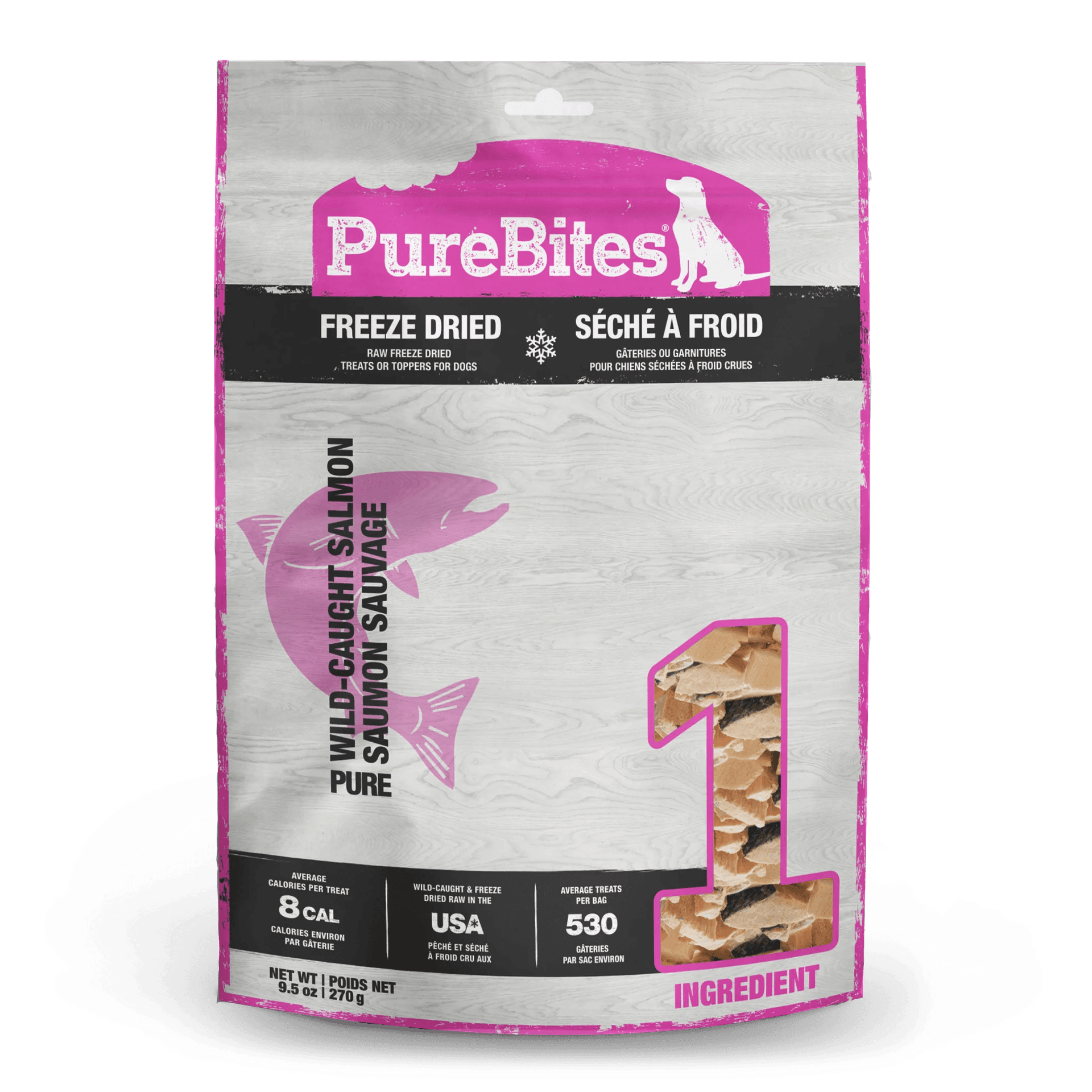
This is an optional dog treat. Review its current label, ingredients, calories, and feeding directions, and count it within the total daily extras.
Webvet may earn a commission when you click through to Chewy, at no extra cost to you.
Frequently asked questions
Can dogs eat kale raw or cooked?
Raw and cooked kale differ in texture, but no cited evidence proves one prevents stones or digestive signs. Keep any optional amount plain and individual.
How much kale can I give my dog per day?
There is no evidence-based daily kale dose. The treat ceiling applies to all extras and is not a target for kale.
Can dogs eat kale stems?
Size fibrous stems for the dog's chewing behavior; no source establishes that every stem is a choking or blockage event.
Which is better for dogs, kale or spinach?
Neither kale nor spinach is universally better. A dog with urinary disease needs the veterinarian-selected diet.
Which dogs should not eat kale at all?
Dogs on prescription diets should receive no unapproved extras. Other diagnoses require individual advice rather than a blanket kale blacklist.

More safe treats
More vegetables for dogs
Sources
- Merck Veterinary Manual: Urolithiasis in Dogs
Canine calcium-oxalate urolithiasis is multifactorial and managed with an individualized plan.
- Merck Veterinary Manual: Nutrition in Disease Management in Small Animals
Therapeutic diets and food restrictions should be selected for the individual diagnosis and patient.
- Merck Veterinary Manual: Overview of Nutrition in Small Animals
Complete and balanced feeding and patient-specific calorie planning are the nutritional baseline for dogs and cats.
- WSAVA: Feeding Treats to Your Dog
All treats share an individual calorie allowance and should not displace complete nutrition.
- Merck Veterinary Manual: Garlic and Onion Toxicosis in Animals
Allium risk depends on the ingredient, concentration, dose, and susceptible patient.
Reviewed by Dr. Athena Gaffud, DVM
General guidance based on credible veterinary sources; not a diagnosis or a substitute for your veterinarian. If your pet ate something toxic or is unwell, contact your vet or a pet poison line right away.