
Can dogs eat ham?
Not recommendedA small piece of cooked ham is not a toxin, but products vary in sodium, fat, bones, and seasoning; assess the label, amount, and dog.


Medically reviewed by Dr. Athena Gaffud, DVM · Last reviewed
Can Dogs Eat Ham?
Plain cooked ham is not a recognized canine toxin, but ham products vary enough that the label, amount, dog, and signs matter more than the name. Separate an unseasoned slice from deli ham, glazed holiday ham, prosciutto, canned ham, smoked products, soup, bones, pan drippings, netting, foil, and condiment-covered leftovers. Sodium and fat require amount and patient context; they do not make every taste a poisoning or pancreatitis diagnosis. Check onion, garlic, alcohol, sweeteners, raisins, and other glaze ingredients individually. A cooked ham bone, skewer, wrapper, absorbent pad, string, or net is a physical exposure and should be reported separately from the meat. Record the dog's weight, largest plausible amount, time, vomiting, appetite, thirst, activity, abdominal comfort, coordination, and any missing objects. Dogs with heart, kidney, gastrointestinal, pancreatic, or sodium-restricted plans need advice that protects the prescribed diet. For repeated rewards, measured complete food or a labeled dog treat is easier to track than salty processed meat. Holiday leftovers deserve extra attention because several exposures may occur together: meat, glaze, bone, string, foil, and trash. List each one separately when calling so the veterinary team can assess ingredients and objects without guessing from the word ham.
- 1Plain cooked ham is not a recognized canine toxin, but it is an unnecessary calorie-dense extra.
- 2Salt and fat risk require the actual product, dose, dog, and clinical assessment.
- 3Do not intentionally give ham bones; bones can become foreign bodies or injure the mouth and gut.
- 4Check glazes and seasonings for actual ingredients rather than grouping sugar, preservatives, and alliums together.
- 5Identify raw, cured ready-to-eat, spoiled, and undercooked products accurately.

Treats should stay under 10% of your dog's daily calories. JustFoodForDogs makes the rest of it.
- Recipes developed by veterinary nutritionists
- Whole-food ingredients you can recognise
- Fresh meals delivered to your door
Webvet may earn a commission when you click through to JustFoodForDogs, at no extra cost to you.
Is ham safe for dogs?
A small plain cooked piece is unlikely to poison a healthy dog. Ham contains animal protein and other nutrients, but it is often calorie dense and salty and is not required in a complete diet. For a stolen bite, start with facts that can change the answer: was the ham plain or glazed, boneless or bone-in, refrigerated and ready to eat or still uncooked, and how much disappeared? A small piece of ordinary cooked meat is a different problem from a dog swallowing a bone, eating a large salty roast, or getting a glaze that contains onion, garlic, xylitol, raisins, or alcohol. Keep the package or recipe and do not estimate risk from the word ham alone. Normal access to fresh water should continue after a salty food exposure unless a veterinarian gives different instructions for that individual patient.

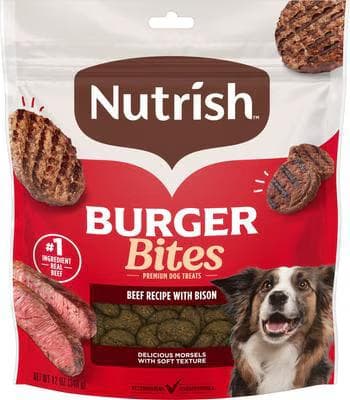
This is an optional dog treat. Review its current label, ingredients, calories, and feeding directions, and count it within the total daily extras.
Webvet may earn a commission when you click through to Chewy, at no extra cost to you.
Exposure assessment uses product sodium, fat, seasonings, amount, body weight, history, and signs. Body size alone does not establish salt toxicosis or pancreatitis.
Why ham is a bad treat for dogs
Ham sodium varies by product. Salt toxicosis requires a sufficient dose and is influenced by water access; thirst after a salty food does not by itself diagnose poisoning or kidney injury.
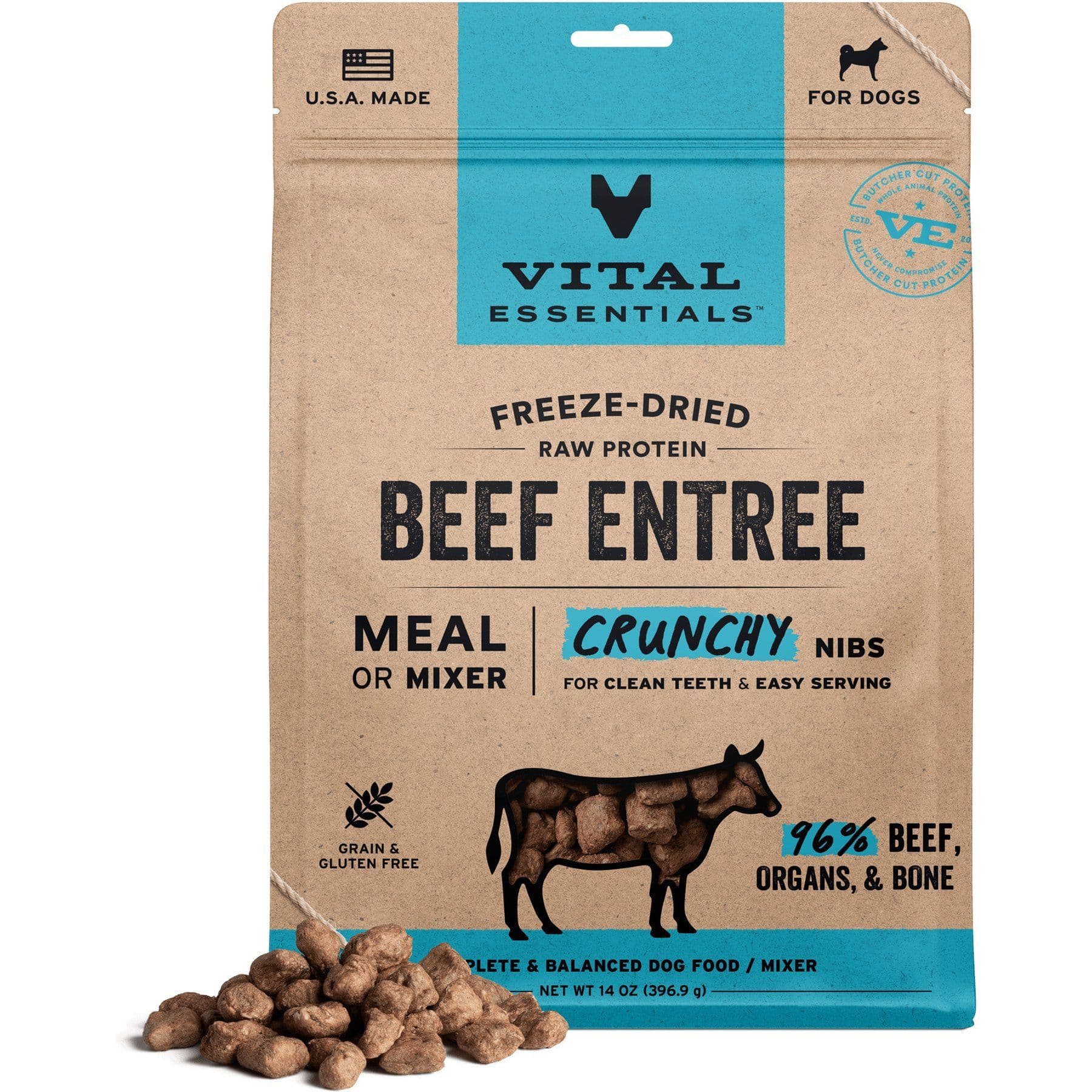
This is an optional dog treat. Review its current label, ingredients, calories, and feeding directions, and count it within the total daily extras.
Webvet may earn a commission when you click through to Chewy, at no extra cost to you.
Ham fat also varies. A fatty dietary indiscretion may be considered in some canine pancreatitis cases, but one ham exposure does not predict pancreatitis or prove causation.
Repeated vomiting, abdominal pain, loss of appetite, weakness, or lethargy warrants veterinary assessment. Those signs are not specific enough to diagnose pancreatitis without examination and testing.

The ham bone danger
Do not intentionally feed a ham bone. Bones can fracture teeth, injure tissue, or become esophageal or gastrointestinal foreign bodies, but not every cooked bone splinters and exposure does not guarantee surgery. Bone assessment is mechanical, not a promise that every cooked bone will shatter. A veterinarian will want the bone's approximate dimensions, whether it was chewed or swallowed whole, when it happened, and whether the dog is gagging, retching, vomiting, painful, or unable to keep water down. A large piece can lodge in the esophagus, stomach, or intestine, while sharp fragments can injure tissue. At-home vomiting should not be induced unless a clinician specifically directs it because bringing a hard or sharp object back through the esophagus can add risk. Even when a dog initially looks normal, the object and patient history may justify examination or imaging.
How much ham can a dog eat?
There is no evidence-based ham serving table by body size. If an optional plain cooked taste fits the dog, count it within the individual treat-calorie allowance and prescription-diet rules.
Do not convert an accidental-exposure estimate into a feeding recommendation. Dogs with therapeutic diets need patient-specific guidance rather than a disease-wide zero-dose rule.

Deli ham, honey ham, raw ham, and ham skin
Identify the product. Deli, glazed, smoked, cured ready-to-eat, uncooked pork, and spoiled ham have different sodium, fat, ingredient, and food-safety profiles. Sugar, honey, nitrates, and preservatives are not equivalent to allium poisoning. Food-safety language also needs precision. A cured sliced ham sold as ready to eat is not the same as raw pork awaiting cooking, and neither is the same as meat that has spoiled after improper storage. Ready-to-eat meat can still acquire contamination after processing, so refrigeration and package dates matter. Uncooked pork brings raw-animal-product concerns, while spoilage raises a different question about bacterial growth or toxins. Glazes and deli formulations add another layer because their sodium and ingredient lists vary. When calling a clinic, describe the exact form and storage history instead of saying only that the dog ate raw ham.
What to do if your dog ate ham
For a ham exposure, save the label and note the preparation, amount, timing, bones, dog weight, and signs. Offer normal access to water; seek veterinary advice for a concerning dose, bone, toxic co-ingredient, or illness. If the dog remains normal after a small plain boneless exposure, monitoring may be all that is advised. Do not impose a universal fasting period or give medication without instructions. Changes such as repeated vomiting, weakness, tremors, a painful abdomen, pale gums, or trouble breathing should move the decision from treat guidance to veterinary assessment.
Safe protein alternatives to ham
Compare exact preparations rather than declaring chicken or turkey universally safer. A plain lean preparation may contain less sodium or fat than a specific ham product, but labels and portions still matter.
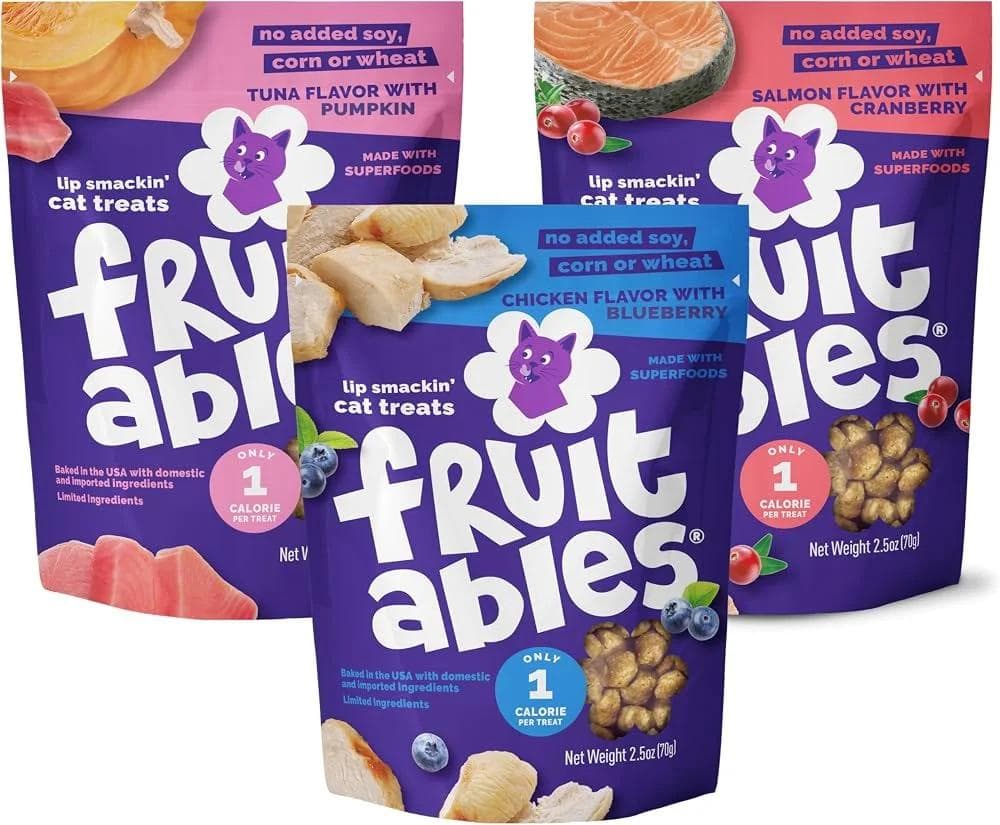
This is an optional dog treat. Review its current label, ingredients, calories, and feeding directions, and count it within the total daily extras.
Webvet may earn a commission when you click through to Chewy, at no extra cost to you.
Frequently Asked Questions
How many slices of ham can a dog eat?
There is no evidence-based slice count. Use the product label, calories, sodium, amount, and dog's health rather than a universal serving.
Can dogs eat ham bones?
Do not intentionally feed ham bones. A swallowed bone may injure tissue or become a foreign body, but outcome depends on the object and dog.
Can dogs eat deli ham or honey ham?
Deli and glazed products vary. Check sodium, fat, sugar, alliums, and other ingredients on the actual label.
Is ham toxic to dogs?
Plain cooked ham is not a recognized toxin. Concern centers on dose, preparation, bones, co-ingredients, and clinical signs.
What should I do if my dog ate too much ham?
Save the label and estimate the amount. Contact a veterinarian for a concerning dose, bone exposure, toxic ingredient, or clinical signs.

Safe alternatives
More meat & seafood for dogs
Sources
- Merck Veterinary Manual: Salt Toxicosis in Animals
Salt toxicosis requires a sufficient dose and depends on exposure and water access.
- Merck Veterinary Manual: Pancreatitis in Dogs and Cats
Pancreatitis is multifactorial and cannot be diagnosed or predicted from one food exposure alone.
- FDA: Potentially Dangerous Items for Your Pet
Bones can become gastrointestinal foreign bodies; exposure does not guarantee splintering or surgery.
- Merck Veterinary Manual: Garlic and Onion Toxicosis in Animals
Allium risk depends on the ingredient, concentration, dose, and susceptible patient.
- FDA: Raw Pet Food Diets Can Be Dangerous
Raw animal products may expose pets and people to Salmonella and Listeria; product preparation matters.
Reviewed by Dr. Athena Gaffud, DVM
General guidance based on credible veterinary sources; not a diagnosis or a substitute for your veterinarian. If your pet ate something toxic or is unwell, contact your vet or a pet poison line right away.