
Can cats eat ham?
Not recommendedA small plain cooked ham exposure is unlikely to poison a cat. Assess sodium, fat, preparation, amount, patient history, and symptoms.


Medically reviewed by Dr. Athena Gaffud, DVM · Last reviewed
Can Cats Eat Ham?
A small amount of plain cooked ham is unlikely to poison a healthy cat, but ham is optional, often salty and calorie dense, and unnecessary in a complete feline diet. Identify the product before assessing it: deli slices, cured ham, prosciutto, canned meat, glazed ham, soup, pan drippings, bones, netting, foil, and condiment-covered scraps are different exposures. Read the label or recipe for onion, garlic, alcohol, sweeteners, raisins, and other glaze ingredients rather than assuming every ham is seasoned alike. A bone, skewer, string, wrapper, absorbent pad, or net creates a physical question separate from the meat. Note the amount, time, vomiting, appetite, drinking, activity, breathing, abdominal comfort, and any missing object. Cats with kidney, heart, urinary, gastrointestinal, or sodium-restricted plans need the prescribed diet protected. Ham's animal origin does not make it complete or automatically preferable to every other treat. Measured complete feline food provides a more predictable reward when repeated calories need to be tracked. Refrigerate leftovers promptly and secure bones, strings, foil, and absorbent pads in a closed bin. If several table foods were stolen, list each item and its likely amount separately instead of treating the entire plate as one ham exposure. For a cat that repeatedly seeks ham, change access rather than reserving pieces as a routine reward. A measured portion of the cat's regular food or a veterinarian-approved feline treat keeps the diet easier to evaluate.
- 1Plain cooked ham is not a recognized feline toxin.
- 2Sodium and fat risk depend on product, dose, cat, history, and signs.
- 3Ham does not automatically cause pancreatitis or salt toxicosis.
- 4Distinguish uncooked pork, cured ready-to-eat meat, and spoiled food.
- 5Check glazes and seasoning for actual ingredients and amounts.

Treats should stay under 10% of your cat's daily calories. Smalls makes the rest, built around the meat an obligate carnivore actually needs.
- Human-grade ingredients, protein first
- Built for obligate carnivores
- Fresh meals delivered to your door
Webvet may earn a commission when you click through to Smalls, at no extra cost to you.
Is ham safe for cats?
Plain cooked ham is not poisonous by category. Nutritional quality and toxicology are different questions; use the label, amount, preparation, and cat's health to assess an exposure.

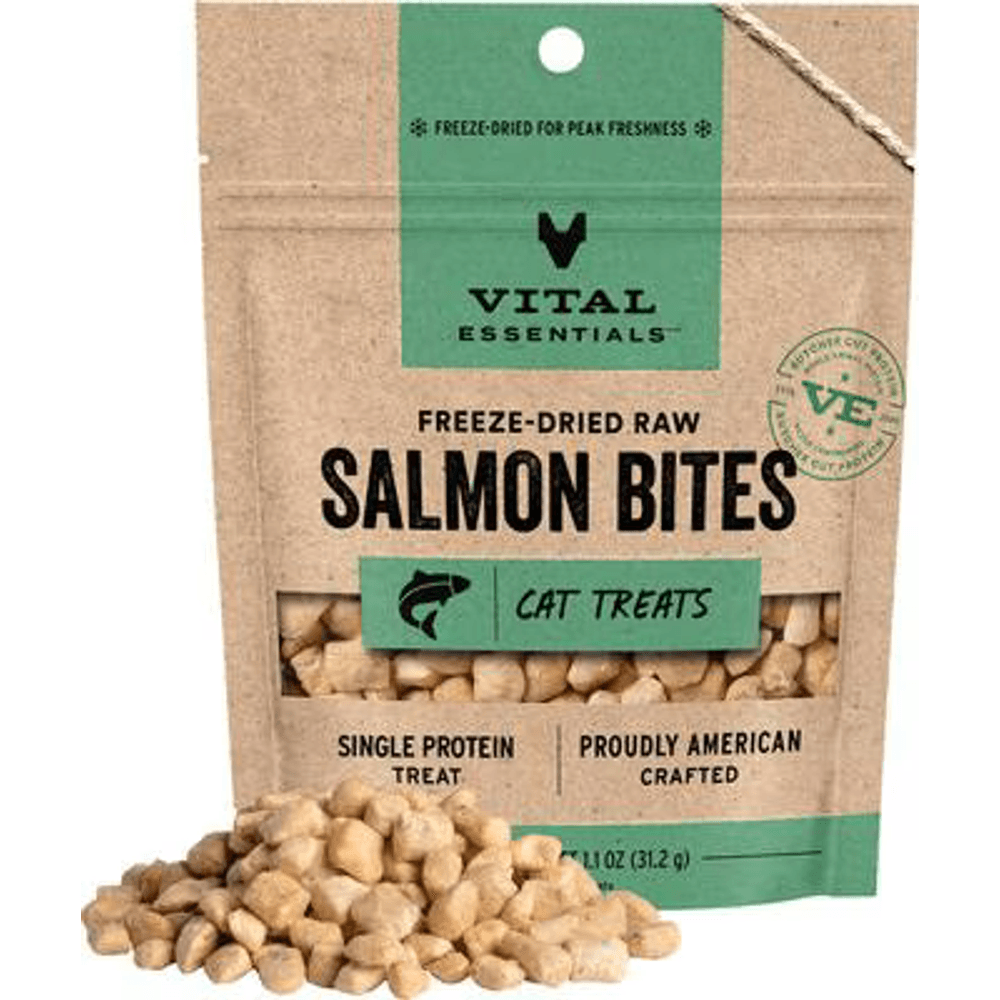
This is an optional cat treat. Review its current label, ingredients, calories, and feeding directions, and count it within the total daily extras.
Webvet may earn a commission when you click through to Chewy, at no extra cost to you.
Ham supplies animal protein and fat, so it is inaccurate to say it gives cats nothing. A complete cat food remains primary because ham is not complete nutrition and may add substantial sodium and calories. The nutrition question is not whether ham contains anything a cat can use; it plainly contains animal protein and fat. The better question is whether an incomplete, often salty and calorie-dense food improves the cat's overall diet. It usually does not need to be added. A cat eating a complete feline food already receives required amino acids, fatty acids, vitamins, and minerals in formulated proportions. Replacing that food with ham can unbalance the diet, while using ham for medication or as an occasional treat still adds calories and sodium. Cats on urinary, kidney, heart, diabetes, allergy, or weight diets need the treating team's approval before any routine extra.
Why ham is a poor treat for cats
Sodium content varies by ham product. Cats are not assessed with an adjective such as most salt-sensitive; salt toxicosis requires a sufficient dose and depends on water access and patient factors.
Ham fat varies, and a single exposure does not automatically cause pancreatitis. Gastrointestinal signs and pancreatitis are not interchangeable diagnoses; persistent or severe illness needs veterinary assessment. Vomiting after a rich meal does not prove pancreatitis, and the absence of vomiting does not rule it out. Feline pancreatitis has varied causes and can present with nonspecific signs such as poor appetite, lethargy, dehydration, vomiting, or abdominal discomfort. One bite of ham therefore does not carry a predictable outcome or onset time. A cat that stops eating or seems unwell deserves timely veterinary advice, especially because prolonged poor intake can create additional problems in cats. The clinician can decide whether the history calls for examination, laboratory testing, imaging, supportive care, or simple monitoring.

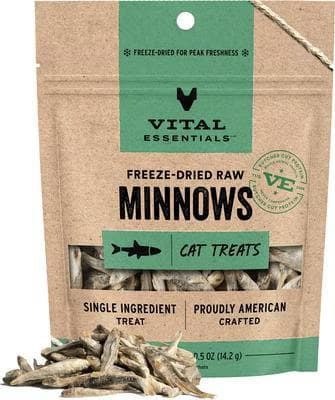
This is an optional cat treat. Review its current label, ingredients, calories, and feeding directions, and count it within the total daily extras.
Webvet may earn a commission when you click through to Chewy, at no extra cost to you.
Nitrates and preservatives used in food are not established feline poisons merely because they appear on a ham label. Sugar and honey add calories; onion and garlic are separate dose-dependent toxicology concerns.
Cooked, deli, raw, and glazed ham: which is worst?
Identify whether the product is plain cooked ham, cured ready-to-eat meat, uncooked pork, spoiled food, or a glazed and seasoned preparation. These categories have different questions and are not a simple toxicity ranking. A package description can prevent a major misunderstanding. Some products called ham are cured, fully cooked, and ready to eat; others are uncooked pork cuts that require cooking. Country ham, deli ham, glazed holiday ham, canned ham, and spoiled leftovers can have very different salt, fat, sugar, seasoning, and storage profiles. Raw-animal-product guidance applies when the pork is actually uncooked, while food-spoilage concerns depend on time and temperature. The cat's exposure should therefore be described with the brand or recipe, readiness to eat, storage history, amount, and time. Photographing the label is often more useful than trying to remember a long ingredient list during a phone call.
Raw-food pathogen guidance applies to uncooked animal products. The phrase raw ham is ambiguous because some cured products are ready to eat; retain the packaging and preparation details for assessment.
How much ham can a cat eat?
There is no evidence-based pea-size or fingertip ham serving. If a plain cooked taste fits the cat, count it within the individual calorie and therapeutic-diet plan.

What to do if your cat ate ham
After an exposure, save the label and note preparation, amount, time, cat weight, history, and signs. Contact a veterinarian for a concerning dose, toxic co-ingredient, or illness. Do not induce vomiting or withhold food automatically. A clinician may make different recommendations for an asymptomatic cat, a cat that swallowed packaging, and a cat that is already vomiting or refusing food. Because reduced appetite matters in cats, contact the veterinary team when normal eating does not resume or when any other concerning sign appears.
Better protein treats for cats instead of ham
Choose treats for safety, calorie fit, and individual tolerance. Plain animal-protein foods are not automatically appropriate for every cat or therapeutic diet.
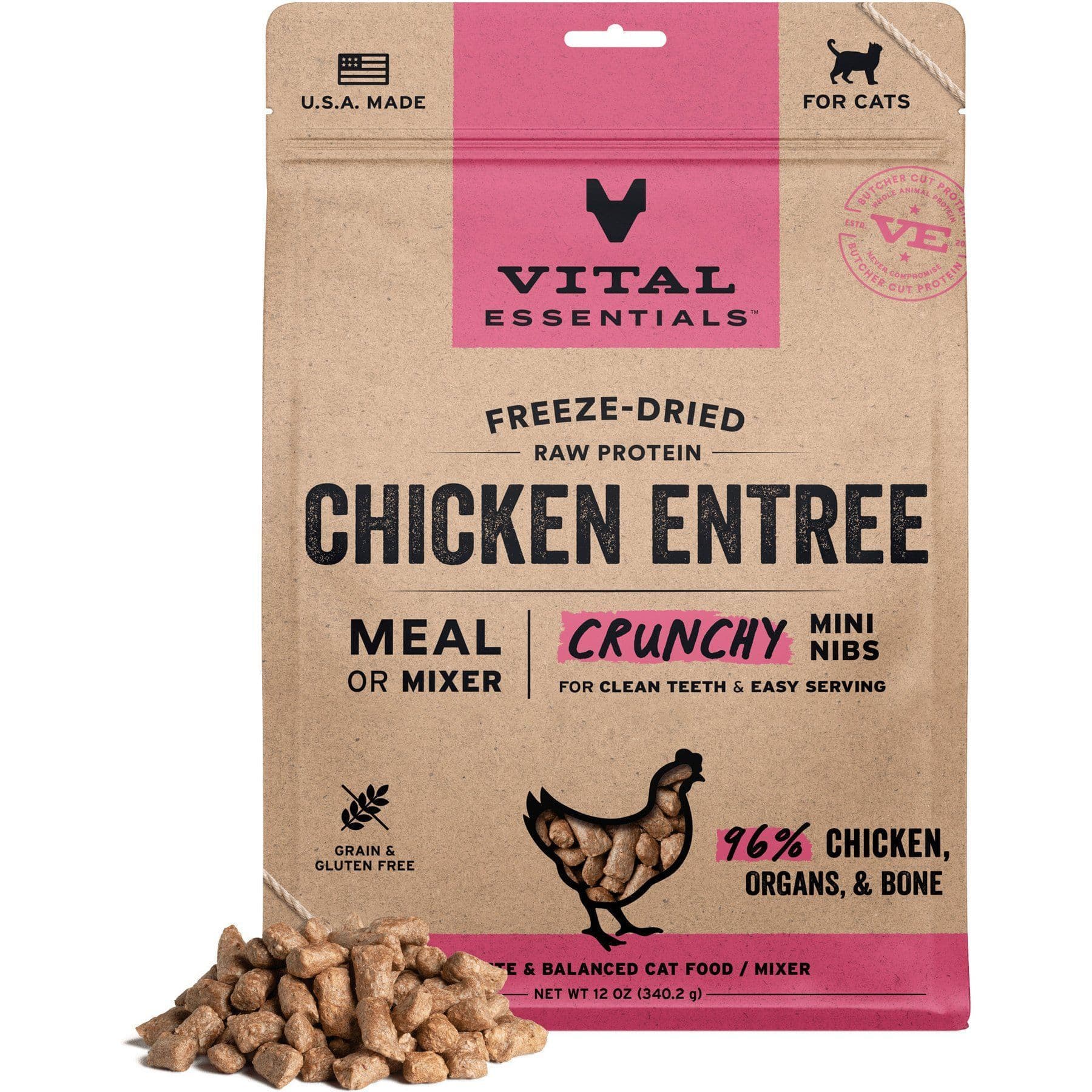
This is an optional cat treat. Review its current label, ingredients, calories, and feeding directions, and count it within the total daily extras.
Webvet may earn a commission when you click through to Chewy, at no extra cost to you.
Any optional food should remain within the treat allowance and must not displace complete feline nutrition. Read baby-food and commercial-treat labels for actual ingredients.
Frequently asked questions
How much ham can a cat eat safely?
There is no universal safe pea-size portion. Use the product sodium, calories, amount, and individual diet plan.
Is deli or lunch ham safe for cats?
Deli ham varies in sodium, fat, curing, and additives. Check the exact label rather than treating preservatives as poisons by category.
Can cats eat raw ham?
Identify whether it is uncooked pork, cured ready-to-eat meat, or spoiled food. Uncooked animal products can carry pathogens.
Can ham hurt a kitten?
Age alone does not define a toxic dose. Kittens need complete kitten food; assess any exposure from product, amount, and signs.
My cat ate ham off my plate, should I worry?
A small plain cooked exposure is usually monitored. Save the label and seek advice for a concerning amount, ingredient, or symptom.

Safe alternatives
More meat & seafood for cats
Sources
- Merck Veterinary Manual: Salt Toxicosis in Animals
Salt toxicosis requires a sufficient dose and depends on exposure and water access.
- Merck Veterinary Manual: Pancreatitis in Dogs and Cats
Pancreatitis is multifactorial and cannot be diagnosed or predicted from one food exposure alone.
- Merck Veterinary Manual: Garlic and Onion Toxicosis in Animals
Allium risk depends on the ingredient, concentration, dose, and susceptible patient.
- FDA: Raw Pet Food Diets Can Be Dangerous
Raw animal products may expose pets and people to Salmonella and Listeria; product preparation matters.
- Merck Veterinary Manual: Overview of Nutrition in Small Animals
Complete and balanced feeding and patient-specific calorie planning are the nutritional baseline for dogs and cats.
Reviewed by Dr. Athena Gaffud, DVM
General guidance based on credible veterinary sources; not a diagnosis or a substitute for your veterinarian. If your pet ate something toxic or is unwell, contact your vet or a pet poison line right away.