
Can dogs eat dragon fruit?
Safe in moderationDragon fruit (pitaya) is non-toxic to dogs, according to ASPCA. Its seeds are edible; keep the rind away and treat claimed health benefits as unproven.


Medically reviewed by Dr. Athena Gaffud, DVM · Last reviewed
Can Dogs Eat Dragon Fruit?
ASPCA lists pitaya as non-toxic to dogs. The soft flesh and embedded seeds can be an optional treat, but it should not be promoted as hydration or therapy. The tough rind is not intended as food and could become a foreign body depending on the piece and dog.
- 1ASPCA lists pitaya as non-toxic to dogs; an optional amount must fit the individual diet.
- 2Offer only the soft flesh and embedded seeds; a rind piece could become a choking or gastrointestinal foreign body in some dogs.
- 3It is an optional food, not a demonstrated hydration, immune, antioxidant, or digestive treatment.
- 4Too much can cause loose stool or an upset stomach because of sugar and fiber.
- 5Keep treats under 10% of daily calories and serve it plain, never candied or dried.

Treats should stay under 10% of your dog's daily calories. JustFoodForDogs makes the rest of it.
- Recipes developed by veterinary nutritionists
- Whole-food ingredients you can recognise
- Fresh meals delivered to your door
Webvet may earn a commission when you click through to JustFoodForDogs, at no extra cost to you.
Is dragon fruit safe for dogs?
Dragon fruit, also called pitaya, is a tropical cactus fruit with bright pink or yellow skin and soft flesh dotted with tiny edible black seeds. ASPCA lists pitaya as non-toxic to dogs. There is nothing in it, no pit, no cyanide compound, no irritating oil, that makes it inherently dangerous the way grapes, onions, or macadamia nuts are. That means a curious dog who steals a piece of the flesh off the counter is not facing a poisoning emergency. What matters most is how you prepare and portion it.


This is an optional dog treat. Review its current label, ingredients, calories, and feeding directions, and count it within the total daily extras.
Webvet may earn a commission when you click through to Chewy, at no extra cost to you.
The one part to always avoid is the skin. The outer rind is thick, leathery, and covered in soft spiky scales, and dogs cannot digest it. A swallowed rind chunk could become a choking or gastrointestinal foreign body, with risk depending on its size, shape, location, and the individual dog. You should also skip anything processed: candied dragon fruit, dried dragon fruit chips, dragon fruit juice, and packaged smoothie blends often carry added sugar or other fruits and additives that a dog does not need. Fresh, ripe, skinned flesh is the only form worth offering.
Health benefits of dragon fruit for dogs
Dragon fruit does not replace complete and balanced dog food. Its water and nutrient content do not establish a clinical hydration, weight-management, or disease benefit at treat portions. Count any amount within the dog's individual calorie allowance.
Dragon fruit contains fiber, vitamin C, pigments, magnesium, and iron, but listing nutrients does not prove immune, antioxidant, digestive, or stool benefits from a treat portion. A dog eating a complete diet does not need pitaya as a supplement.
White, red, and yellow dragon fruit: does the variety matter?

You will see a few types of dragon fruit at the store, and all of them are safe for dogs in the same way. The most common has pink skin and white flesh with black seeds, and it is the mildest and least sweet. Red or magenta-fleshed dragon fruit is a little sweeter and packed with the betalain pigments that can tint stool pink, so do not be surprised if you see that after feeding the red kind. Yellow dragon fruit has bumpy yellow skin and white flesh, and it tends to be the sweetest of the three, which means it is slightly higher in sugar. Whichever variety you buy, the rules are identical: peel it, feed only the flesh, cube it small, and keep the portion modest. Ripeness matters more than color for palatability, so pick a fruit that yields gently to a light squeeze rather than one that is rock hard or mushy.
How much dragon fruit can a dog have?
There is no validated cube count by body size. If pitaya fits the dog, count a small amount within the individual treat-calorie allowance and stop if gastrointestinal signs follow.
How to prepare and serve dragon fruit
Preparing dragon fruit for a dog is quick. Choose a ripe fruit that gives slightly when pressed, then slice it in half and scoop the flesh out of the skin with a spoon, the same way you would with a kiwi or an avocado. Discard the skin completely. Cut the flesh to suit the dog's eating behavior; no preparation removes all choking risk. The tiny embedded seeds are normally eaten with the flesh and do not need removal.


This is an optional dog treat. Review its current label, ingredients, calories, and feeding directions, and count it within the total daily extras.
Webvet may earn a commission when you click through to Chewy, at no extra cost to you.
Serve it plain. There is no need to add anything, and you should never top it with sugar, syrup, chocolate, or artificial sweeteners. Xylitol, a sweetener found in some sugar-free products, is extremely toxic to dogs, so keep any sweetened dragon fruit blends away from them entirely. For a fun variation on a warm day, freeze the cubes and offer them as a cool treat, or mash a small amount of flesh into a lick mat. You can also drop a cube or two into a puzzle feeder to make the treat last longer.
Risks and what to watch for
The biggest risk with dragon fruit is not poisoning but overdoing it. Because the flesh contains natural sugar and fiber, a large serving can lead to diarrhea, vomiting, gas, or an upset stomach after an unsuitable amount. Diabetes and weight-management plans require individual calorie guidance rather than a blanket fruit exclusion. Food allergy cannot be diagnosed from one nonspecific symptom list; discuss persistent reactions with a veterinarian, including itching, swelling, or digestive upset.
Red food pigment may color ingesta or stool, but the cited veterinary sources do not establish a predictable urine or stool change, timing, or benign prognosis after dragon fruit. Treat red urine or stool as uncertain, document the exposure, and contact a veterinarian promptly if color persists, recurs, or accompanies pain, straining, lethargy, appetite loss, or other signs.
Safe alternatives to dragon fruit
If dragon fruit is hard to find or your dog does not care for it, plenty of everyday fruits make excellent, lower-cost treats. Blueberries are a bite-sized antioxidant powerhouse and a great training reward, while watermelon is another hydrating, low-calorie option once the rind and seeds are removed. Like dragon fruit, both are treats rather than meals, so keep the portions small and the frequency occasional.

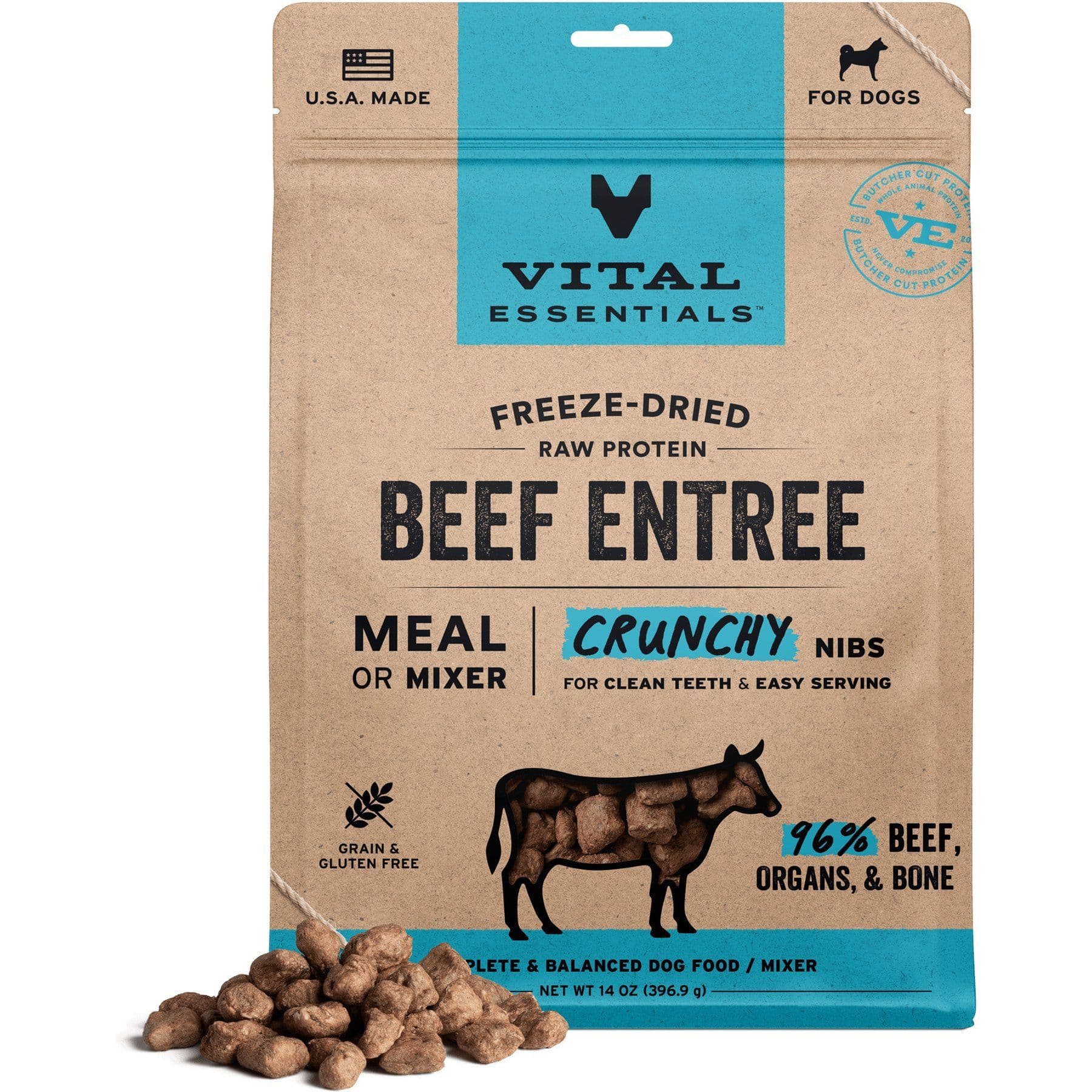
This is an optional dog treat. Review its current label, ingredients, calories, and feeding directions, and count it within the total daily extras.
Webvet may earn a commission when you click through to Chewy, at no extra cost to you.
Frequently asked questions
Can dogs eat dragon fruit skin?
Do not intentionally feed the tough rind. A swallowed piece could become a choking or gastrointestinal foreign body depending on the dog and piece; contact a veterinarian if concerning signs develop.
Can dogs eat dragon fruit seeds?
Yes. The tiny black seeds embedded in the flesh are soft and safe for dogs to eat, so there is no need to remove them. This is different from stone fruits like cherries or peaches, whose large pits are dangerous.
Why is my dog's poop pink after eating dragon fruit?
Food pigment may alter stool color, but the cited sources do not establish a predictable urine change, duration, or harmless outcome in dogs. Contact a veterinarian when red urine or stool is unexplained, persistent, recurrent, or accompanied by illness.
Can puppies eat dragon fruit?
A tiny piece of skinned flesh is not toxic to a puppy, but puppies have sensitive stomachs and need a balanced growth diet. It is best to wait until they are older and to check with your vet before offering new treats.
More safe treats
More fruits for dogs
Sources
- ASPCA: Pitaya
Pitaya is listed as non-toxic to dogs and cats.
- Merck Veterinary Manual: Gastrointestinal Obstruction in Small Animals
Rind outcome is patient- and object-specific rather than guaranteed choking or blockage.
- WSAVA: Feeding Treats to Your Dog
Treat amount should be based on the individual calorie plan rather than cube counts.
- Merck Veterinary Manual: Overview of Nutrition in Small Animals
A food's nutrient list does not establish a clinical benefit from a treat portion when a complete canine diet already supplies required nutrients.
- Merck Veterinary Manual: Cutaneous Food Allergy in Animals
Food allergy cannot be diagnosed from one nonspecific symptom list and generally requires a controlled elimination-and-challenge process.
Reviewed by Dr. Athena Gaffud, DVM
General guidance based on credible veterinary sources; not a diagnosis or a substitute for your veterinarian. If your pet ate something toxic or is unwell, contact your vet or a pet poison line right away.