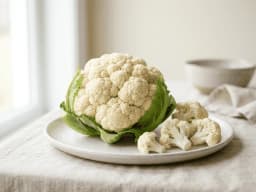
Can dogs eat cauliflower?
Safe in moderationPlain cauliflower is generally non-toxic to dogs; use an individualized calorie portion and cut firm pieces for safe chewing.


Medically reviewed by Dr. Athena Gaffud, DVM · Last reviewed
Can Dogs Eat Cauliflower?
Plain cauliflower is generally non-toxic to dogs. Raw florets, firm stalks, soft steamed pieces, mash, rice-style cauliflower, pizza crust, and casserole differ in texture and ingredients. Prepare a plain form for the dog's chewing behavior and supervise dogs that gulp. A frozen meal or restaurant side may contain cheese, cream, onion, garlic, salt, or substantial fat, so retain the label or recipe. An unfamiliar or larger portion may cause gas, loose stool, vomiting, or reduced appetite in an individual dog, but no universal floret count predicts those signs. Keep it plain, use a manageable texture, and count it within the dog's complete treat allowance.
- 1Assess cauliflower by its exact form, amount, added ingredients, and the individual dog.
- 2A treat portion of cauliflower must fit the complete diet and the dog's remaining calorie allowance.
- 3Prepare cauliflower plainly and choose a size and texture suited to how this dog eats.
- 4Cauliflower risks depend on product form, amount, texture, and the individual dog.
- 5Call for persistent illness, swallowing trouble, a possible foreign body, or a hazardous co-ingredient.

Treats should stay under 10% of your dog's daily calories. JustFoodForDogs makes the rest of it.
- Recipes developed by veterinary nutritionists
- Whole-food ingredients you can recognise
- Fresh meals delivered to your door
Webvet may earn a commission when you click through to JustFoodForDogs, at no extra cost to you.
Is Cauliflower Safe for Dogs?
A small plain exposure may cause no signs. Gastrointestinal response varies with the dog, amount, preparation, and rest of the diet. The possibility of gas or loose stool should be explained without presenting cauliflower as a poison or claiming a precise symptom threshold. For mixed products containing cauliflower, keep the package and report every ingredient, amount, time, dog's weight, history, and signs. Related guidance: broccoli.

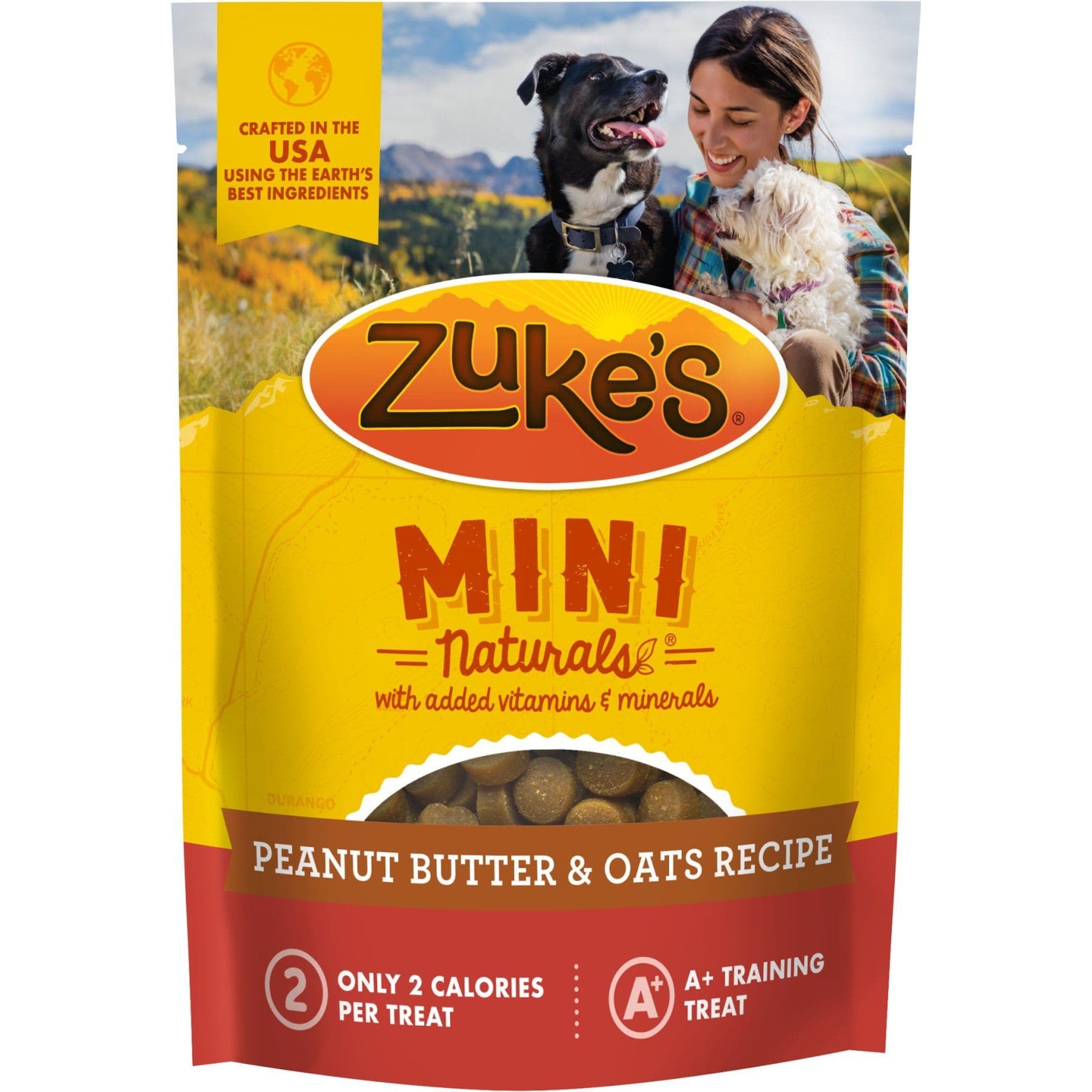
This is an optional dog treat. Review its current label, ingredients, calories, and feeding directions, and count it within the total daily extras.
Webvet may earn a commission when you click through to Chewy, at no extra cost to you.
Cauliflower contains fiber, vitamins, minerals, and plant compounds. Cauliflower is not a treatment for obesity, constipation, inflammation, immunity, or cancer. Composition facts do not demonstrate those outcomes from a treat portion. If a dog needs weight reduction or more dietary fiber, the veterinarian can set calorie and nutrient targets using the whole diet. Random vegetable substitutions can unbalance portions or interfere with a therapeutic plan. Composition does not establish immune, antioxidant, digestive, hydration, or weight-management outcomes from a treat portion. Complete dog food should supply required nutrients in the right amounts and proportions. This food adds optional calories and nutrients, but the complete dog food remains responsible for meeting dietary requirements.
Nutritional Context for Cauliflower
There is no evidence-based universal floret count, body-weight table, or feeding frequency. Use the calories in the actual portion and the individual dog's total treat budget. A fixed chart cannot account for body condition, activity, full diet, health, or tolerance.
Use the calories in cauliflower and the individual dog's remaining treat allowance; body weight alone is not a serving chart.
How to Portion Cauliflower

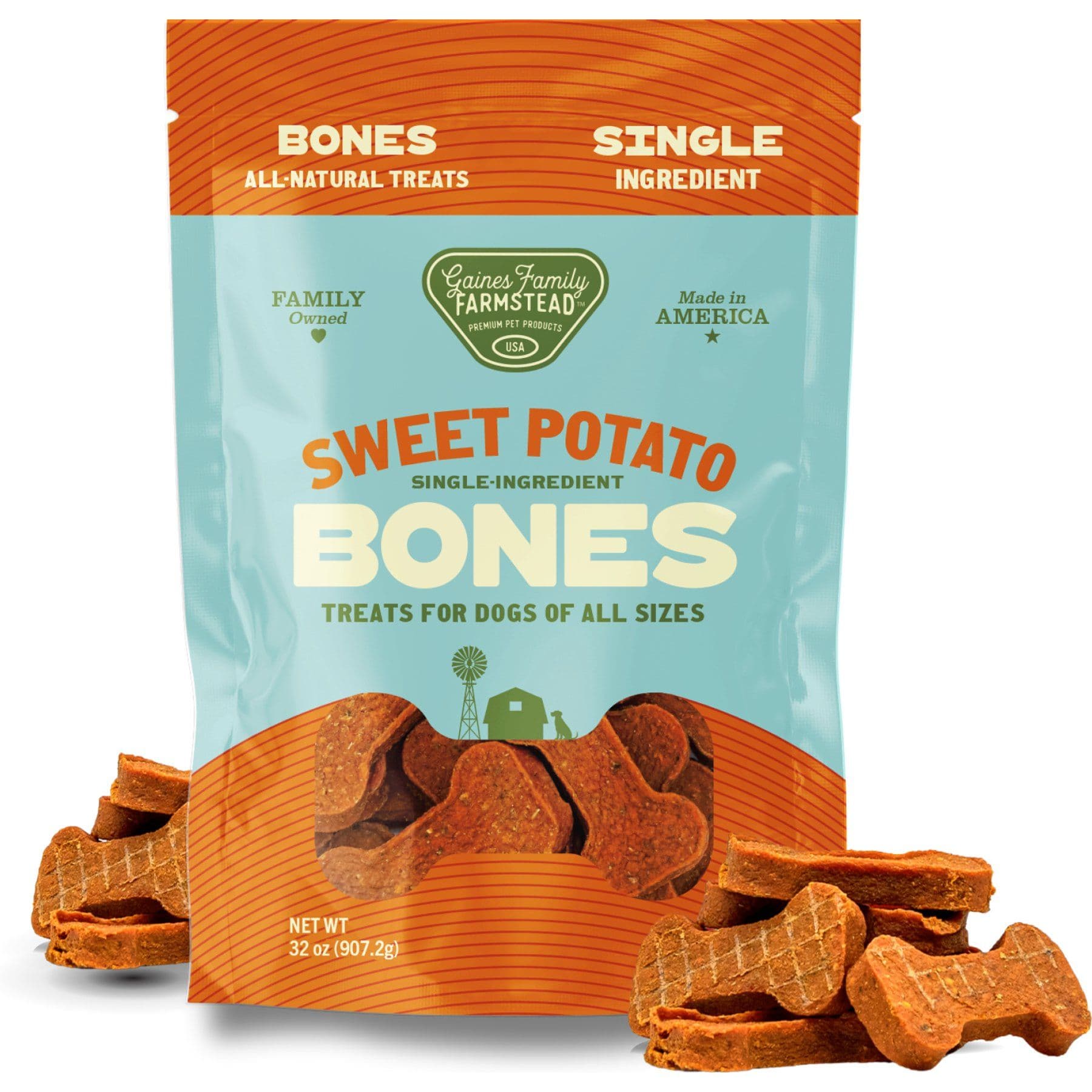
This is an optional dog treat. Review its current label, ingredients, calories, and feeding directions, and count it within the total daily extras.
Webvet may earn a commission when you click through to Chewy, at no extra cost to you.
Wash cauliflower, remove spoiled areas and leaves as needed for preparation, and serve it plain. Raw and plain cooked cauliflower can be considered according to tolerance. Cut firm florets and stem pieces to suit the individual dog's chewing behavior and supervise. Firm pieces can be a patient-specific choking concern, especially for a dog that gulps. That does not make every floret an obstruction risk. Use the piece dimensions, dog anatomy, chewing pattern, amount, and symptoms rather than absolute warnings. Related guidance: diarrhea.
| Decision point | Evidence-based guidance |
|---|---|
| Plain food | Assess plain cauliflower by form, amount, tolerance, and the individual dog. |
| Portion | Use the individual calorie allowance, not a fixed piece or spoon table |
| Preparation | Serve it plain and choose a manageable size and texture. |
| Mixed product | Read every ingredient and keep the package or recipe for advice. |
Forms and Ingredients of Cauliflower
The routine concerns are gastrointestinal intolerance, unwanted calories from additions, or unsuitable texture. Larger unfamiliar amounts may be more likely to cause symptoms, but available veterinary guidance provides no clinically meaningful cauliflower dose or expected frequency.
Cauliflower gratin, mash, pizza crust, soup, rice blends, and frozen meals need full ingredient review. Butter, cheese, oil, and ordinary salt can add calories, fat, sodium, or intolerance; they are not equivalent to garlic or onion, which are genuine toxicology concerns. Related guidance: cheese.
How to Prepare Cauliflower
Dogs with kidney disease, pancreatitis history, gastrointestinal disease, obesity, gastric-dilation history or concern, or a therapeutic diet should follow the treating team's plan. After a dog reaches a casserole or frozen cauliflower meal, estimate the total amount and identify cheese, cream, butter, onion, garlic, salt, and packaging. Repeated vomiting, abdominal pain, marked lethargy, bloating, unproductive retching, gagging, or swallowing difficulty deserves veterinary attention. A firm stalk does not guarantee obstruction, but do not give more vegetables, oil, or bulk fiber in an attempt to force it through. The dog's anatomy, object dimensions, location, and signs guide the next step. These diagnoses call for individualized advice rather than an across-the-board rule or universal amount. Contact a veterinarian for significant or persistent vomiting or diarrhea, abdominal pain, breathing or swallowing trouble, suspected obstruction, or a mixed dish containing a toxic ingredient. Provide the exact recipe, amount, timing, dog weight, history, and current signs.

Risks and When to Call
Puppies and senior dogs require appropriate complete diets, but age does not make plain cauliflower categorically safe, dangerous, or beneficial. Keep frozen-meal boxes and restaurant recipes because cauliflower crusts, mashes, and rice-style products often contain binders, cheese, or seasoning beyond the named vegetable. Focus on calorie room, texture, tolerance, and any medical diet rather than group labels.
If this food does not fit the plan, choose another veterinarian-approved treat and count it within the same calorie allowance. Related guidance: vomiting.
Choosing Other Treats
Some dogs may have plain cauliflower as an optional treat. Count its actual calories, prepare firm pieces for the dog's chewing pattern, and evaluate sauces or seasonings separately. Raw and cooked pieces differ in firmness, so assess the form actually eaten and supervise dogs that gulp. For a casserole, frozen meal, or restaurant side, keep the ingredient list because cheese, cream, onion, garlic, and serving size change the assessment. The practical decision is individualized: confirm the exact food, use a manageable texture, keep extras within the calorie plan, and watch the actual dog rather than a fixed schedule. Contact a veterinarian for persistent vomiting or diarrhea, marked lethargy, pain, breathing or swallowing trouble, inability to pass stool or urine, neurologic signs, or any ingredient-specific toxicology concern. Related guidance: Carrots; Green beans.

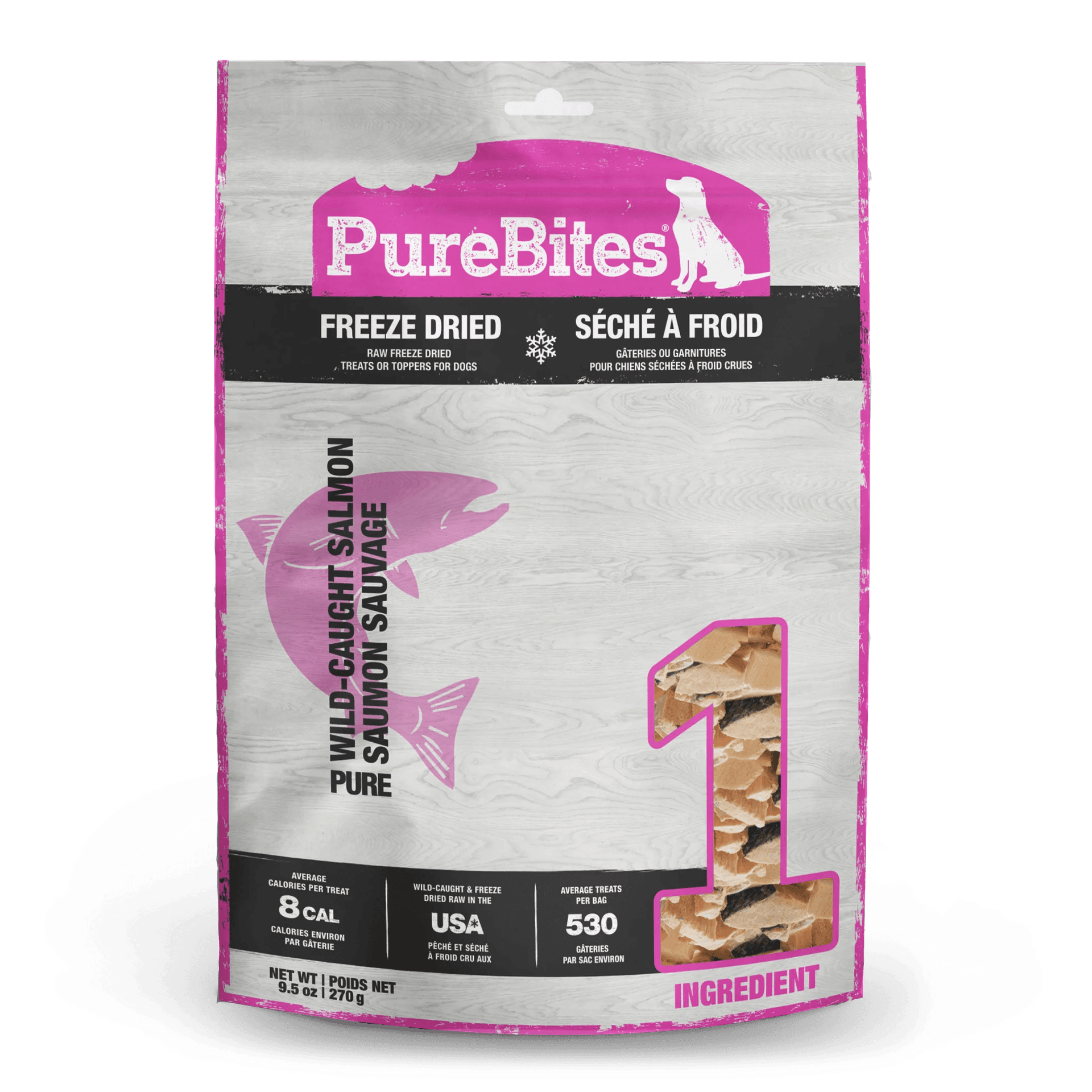
This is an optional dog treat. Review its current label, ingredients, calories, and feeding directions, and count it within the total daily extras.
Webvet may earn a commission when you click through to Chewy, at no extra cost to you.
Frequently Asked Questions
Is plain cauliflower toxic to dogs?
Plain cauliflower is generally non-toxic to dogs; use an individualized calorie portion and cut firm pieces for safe chewing.
How much cauliflower can a dog have?
There is no universal cauliflower serving. Use the food's calories and the individual dog's remaining treat allowance.
How should cauliflower be prepared?
Serve cauliflower plainly and choose a size, texture, and form suited to how this dog eats.
Does cauliflower provide a health benefit?
Cauliflower contains fiber, vitamins, minerals, and plant compounds. Composition does not establish immune, antioxidant, digestive, hydration, or weight-management outcomes from a treat portion. Complete dog food should supply required nutrients in the right amounts and proportions.
When should an owner call a veterinarian?
Call with the exact form of cauliflower, amount, time, package, medical history, and signs; urgent symptoms need prompt care.
More safe treats
More vegetables for dogs
Sources
- Merck Veterinary Manual: Overview of Nutrition in Small Animals
Supports complete and balanced feeding and patient-specific nutrition; it does not establish clinical benefit from a treat portion.
- WSAVA: Feeding Treats to Your Dog
Supports keeping dog treats within about 10% of daily calories and calculating portions from individual energy needs.
- Merck Veterinary Manual: Gastrointestinal Obstruction in Small Animals
Supports patient-specific foreign-body assessment and urgent evaluation when obstruction signs develop.
- Merck Veterinary Manual: Garlic and Onion Toxicosis in Animals
Supports dose-dependent oxidative red-cell injury from Allium ingredients and separates that toxicology from ordinary fats, salt, or dairy ingredients.
- Merck Veterinary Manual: Salt Toxicosis in Animals
Supports dose- and hydration-dependent salt toxicosis rather than treating one salted bite as a defined toxic dose.
- Merck Veterinary Manual: Pancreatitis in Dogs and Cats
Supports dietary indiscretion as a canine risk factor while not establishing a food-specific dose or predictable outcome from one exposure.
Reviewed by Dr. Athena Gaffud, DVM
General guidance based on credible veterinary sources; not a diagnosis or a substitute for your veterinarian. If your pet ate something toxic or is unwell, contact your vet or a pet poison line right away.