Mastering Manners: Dog Jumping on People and Stopping It
Unravel the mysteries of dog jumping behavior and discover effective, positive techniques to help your furry friend greet people respectfully


BVMS MRCVS

This article contains affiliate links. Webvet may earn a commission when you buy through them, at no extra cost to you.
Have you ever opened the front door only to be tackled by an overexcited dog? Whether it’s you, your family, or your guests, this warm but excessive welcome is often less appreciated than your dog may intend.
While you appreciate your pet’s exuberance, you’re also interested in teaching them to express their enthusiasm without causing a minor riot.
This article will guide you through the process of how to stop a dog from jumping on people, breaking down the behavioral elements, training methods, and lifestyle factors that can contribute to this common issue.
Understanding Your Dog’s Jumping on People Behavior
One thing that many pet parents need help with is understanding why their dogs engage in certain behaviors.

Soft, pea-sized training treats made with peanut butter and oats. Small enough to reward often while keeping treats inside the 10% of daily calories vets recommend.
Webvet may earn a commission when you click through to Chewy, at no extra cost to you.
Dogs jump up on people for a simple reason — they’re thrilled to see you! Canines are pack animals and, in the wild, puppies would jump up to sniff and lick the mouths of returning adult dogs as a greeting or to solicit food from their mother [1]. This behavior is a sign of submission and respect.
As domestic dogs, they carry over this instinctual behavior. Their interpretation is that jumping up equals a delightful greeting. When we react, even negatively, they interpret this as a successful interaction.
Understanding this behavior is the first step toward training your dog to greet people more politely.
Starting Early: Teaching Your Puppy Not To Jump on People
Bringing a new puppy into your home is a time of joy, and it also comes with the responsibility of teaching the puppy the do’s and don’ts of acceptable behavior. This section focuses on how to stop your puppy from jumping on people:
- Puppy’s Socialization Stage: Training a dog to curb unwanted behaviors is most successful when started at a young age, particularly during the socialization stage (between 5-12 weeks old) [2]. During this time, puppies are learning how to interact with other dogs, people, and their environment. Ensuring positive experiences and lessons during this period can help shape your dog’s future behaviors.
- Teach Alternatives to Jumping: One effective method is to teach your puppy an alternative behavior. For instance, train your puppy to sit whenever someone approaches. Reward the puppy with a treat or praise when they succeed. This positive reinforcement will encourage the puppy to repeat the behavior.
- Be Consistent: Consistency is crucial. Everyone in the household should enforce the same rules to avoid confusing the puppy. Always reward the alternative behavior and ignore the jumping.
How To Train a Dog Not To Jump on People
Adult dogs often have well-established behaviors, and changing these requires a good understanding of dog behavior and a lot of patience.
Here are a few strategies to help you get started:
- Patience Is Key: Training an adult dog to stop jumping will require time and patience. Adult dogs have more ingrained behaviors, which can be harder to shift. However, it’s essential not to give up. Consistency over time will help your dog understand the new rules.
- Ignoring the Jumping Behavior: When your dog jumps, turn your back and ignore them. Do not push them off or say anything. Once they have all four feet on the ground, then you can turn around and give them attention.
- Teach Alternatives to Jumping: Like with a puppy, teaching an adult dog an alternative behavior, like sitting or going to a specific spot and staying there when someone comes over, can be effective.
More Proven Methods To Stop Dogs From Jumping on People
Managing your dog’s behavior is all about teaching them what is acceptable and what is not. The following methods are proven ways to stop dogs from jumping on people:
- Leaving and Reentering Method: This method involves leaving your house, waiting for a few minutes, and then reentering. If your dog jumps on you upon your return, ignore them, and leave again. Repeat the process until your dog stays grounded upon your return. This method helps your dog understand that jumping leads to you leaving, while not jumping results in your stay and attention.
- The “Sit” Command: Train your dog to sit on command and ensure they perform this action before they receive any form of attention [3]. This redirection teaches the dog that they need to be calm and seated to receive attention.
The Impact of Positive Reinforcement on Dog Jumping
Positive reinforcement is a powerful training tool. It works by rewarding a dog’s desirable behavior, which increases the likelihood of that behavior being repeated.
To effectively use positive reinforcement to stop your dog from jumping, immediately praise or reward them whenever they greet someone without jumping. Rewards could be treats, their favorite toy, or simply a belly rub.
The key is to make sure that the reward immediately follows the good behavior so that your dog makes a strong connection between the behavior and the positive result.
The Impact of Negative Reinforcement on Dog Jumping
Negative reinforcement includes actions like pushing the dog off, kneeing them in the chest, or shouting when they jump up.
While these reactions might seem like they could deter the behavior, they often do the opposite.
To the dog, these reactions are just variations of the attention they seek. Moreover, these reactions might instill fear or aggression in your dog. Therefore, it’s crucial to stick to positive reinforcement techniques.
The Role of Toys and Distractions in Preventing Dog Jumping
Toys and distractions offer a useful method to stop your dog from jumping up. This strategy focuses on redirection, drawing your dog’s attention away from the visitor and toward a different activity.
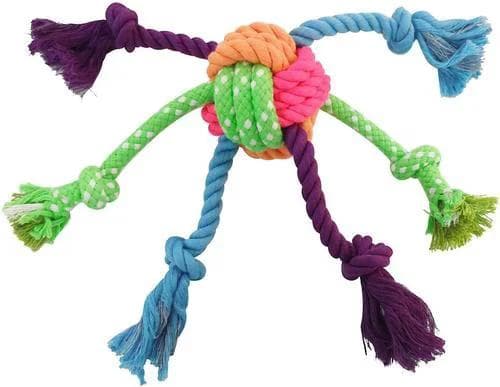
A durable rope-and-knot fetch toy that channels chewing, tugging, and fetch energy into safe play, and the woven rope gives teeth a light scrub.
Webvet may earn a commission when you click through to Chewy, at no extra cost to you.
Consider keeping a collection of toys near the entrance. As someone arrives, engage your dog by tossing a toy, redirecting their impulse to jump into a game of fetch instead. Different types of toys, such as interactive ones or chew toys, can keep your dog intrigued and occupied, adding variety to the distraction.
Treat-filled toys can further enhance this strategy. The promise of a treat can intensify your dog’s interest in the toy and positively reinforce their decision to not jump on people.
Remember to praise or reward your dog when they choose the toy over jumping. Over time, this reinforcement will help them understand that engaging with toys, rather than jumping on visitors, is the preferred behavior.
Incorporating Regular Exercise Into Your Dog’s Routine
Exercise plays a significant role in preventing jumping behavior. Dogs often jump when they’re bored or have pent-up energy.
A good exercise routine will help drain this energy and reduce your dog’s desire to jump [4]. Tailor the exercise routine to your dog’s age, breed, and health condition.
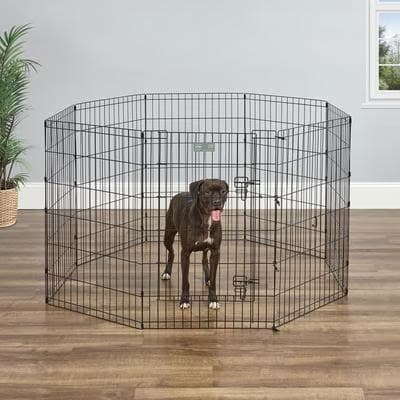
Webvet may earn a commission when you click through to Chewy, at no extra cost to you.
Activities could include walking, running, playing fetch, or agility training. The key is ensuring that your dog gets regular physical activity and mental stimulation to prevent them from developing destructive behaviors.
Preparing for Company: Preventing Dog Jumping With Guests
Guests often serve as a trigger for many dogs to get excited and jump. The following steps can be used to prepare for the arrival of company and to prevent your dog from jumping on them:
- Exercise Your Dog: Before your guests arrive, as we noted above, exercise your dog to drain their energy. This exercise could involve a long walk, a game of fetch, or a vigorous play session.
- Use Leashes or Baby Gates: Consider using a leash or baby gate to prevent your dog from rushing toward the door. This practice provides a physical barrier between your dog and the guests and prevents the immediate instinct to jump up.
- Instruct Your Guests: When guests arrive, instruct them to ignore the dog if they jump. Inform them not to pet, talk to, or make eye contact with the dog until the dog has calmed down. Once your dog is calm and has all four feet on the floor, let your guests reward them with attention or treats.
When To Seek Professional Help for Dog Jumping
If your dog’s jumping behavior persists despite consistent training, or if it escalates to the point of causing harm, it might be time to call in a professional.

Freeze-dried chicken training rewards with a compact format for rewarding individual repetitions. Check the label for ingredients and feeding directions.
Webvet may earn a commission when you click through to Chewy, at no extra cost to you.
A dog behaviorist or obedience school can provide specialized help and training techniques. They can assess your dog’s behavior in a more nuanced way and suggest tailored strategies that can be more effective.
Also, if your dog exhibits aggressive behaviors when prevented from jumping, a professional can provide safe and effective strategies to manage and modify this behavior.
In Conclusion: The Path Toward a Better-Behaved Canine Companion
Addressing a dog’s unwanted jumping behavior may seem like a nearly impossible task, but with consistent efforts and patience, training your furry friend to stay grounded can be a rewarding journey.
Your role as a pet parent is not just about providing food and shelter for your pet but also guiding them through behavioral habits that make cohabitation peaceful and enjoyable. By applying the right training methods, maintaining consistency, and offering positive reinforcements, you can help shape your dog’s behavior for the better.
Curious to explore more about dogs, their behavior, training, and overall care? Click the link below for a wealth of information on these and a myriad of other pet-related topics.
Callout Box:
🐾 Key Takeaways for Training Your Jumping Dog 🐾
- Dogs jump on people as a way of showing affection and enthusiasm.
- Training should start early, during the puppy’s socialization stage if possible.
- Teaching an alternative behavior like sitting is a helpful method.
- Consistency and patience are crucial in training your dog.
- Negative reactions to jumping often reinforce the behavior, while positive reinforcement of desired behaviors is effective.
- Regular exercise and mental stimulation can help curb your dog’s impulse to jump.
- Seek professional help if the jumping behavior persists or escalates.
FAQs
Why Does My Dog Jump on People?
Dogs jump on people as a greeting and to express excitement and affection. In the wild, canine puppies would jump up to lick the mouths of returning adult dogs as a sign of submission and respect.
How Can I Train My Puppy To Stop Jumping on People?
Start training early, during the socialization stage. Teach your puppy an alternative behavior like sitting, be consistent with the rules, and always reward the alternative behavior while ignoring the jumping.
What Should I Do When My Dog Jumps on Guests?
Before guests arrive, exercise your dog to drain their energy. Use a leash or baby gate to provide a physical barrier. Instruct your guests to ignore the dog until they calm down, and then they can reward the dog with attention or treats.
How Can I Use Positive Reinforcement to Stop My Dog from Jumping on People?
Immediately praise or reward your dog whenever they greet someone without jumping. The reward could be a treat, a toy, or a belly rub. Make sure the reward immediately follows the good behavior.
When Should I Seek Professional Help for My Dog’s Jumping Behavior?
If your dog’s jumping persists despite consistent training, or if it escalates to the point of causing harm, consider seeking professional help. A dog behaviorist or obedience school can provide specialized training techniques and safe strategies to manage and modify aggressive behaviors.
References/External Links:
- [1] Dog Discoveries
- [2] Rover
- [3] American Kennel Club
- [4] Pet MD
- Feature image: istockphoto

Wendy Toth is an entrepreneurial writer, editor, and mom of two humans, two dogs and one cat. She’s currently Content Director here at PetFul. For the last 15 years she has held positions at Parents Magazine, NBC, PetSmart, and GreatPetCare, where she was co-founder. Her writing has appeared in many national outlets including Pet Lab Co., Retail Me Not, Ask Men, Wild Society Nutrition, and The New York Times. Because she loves her work so much, she’s obsessed with helping others find career fulfillment, and covers it regularly at PowerSuiting.
Veterinarian · BVMS MRCVS
Dr. Pippa Elliott, BVMS, MRCVS, is a veterinarian with nearly 30 years of experience in companion animal practice. Dr. Elliott earned her Bachelor of Veterinary Medicine and Surgery from the University of Glasgow. She was also designated a Member of the Royal College of Veterinary Surgeons. Married with 2 grown-up kids, Dr. Elliott has a naughty Puggle named Poggle, 3 cats and a bearded dragon.


