Dog ACL Surgery Cost: Procedures and Recovery Expenses
Compare dog cruciate surgery estimates by procedure and included care. See published clinic examples and plan for imaging, medication, rechecks, rehabilitation, and home recovery.

BVMS MRCVS
Medically reviewed by Dr. Pippa Elliott, BVMS MRCVS · Last reviewed

This article contains affiliate links. Webvet may earn a commission when you buy through them, at no extra cost to you.
Dog ACL surgery cost depends on the operation, your dog's needs, the surgical team, and what the estimate includes. Dogs have a cranial cruciate ligament, usually shortened to CCL or CrCL; “ACL surgery” is the familiar search term. The practical question is how much the recommended treatment and recovery will cost together.
Before comparing prices, ask for the procedure's name and a written estimate. A TPLO package, a lateral suture repair, and a quote that covers only the operation are different purchases. Imaging, anesthesia, implants, medication, rechecks, and rehabilitation can change the amount you need to budget.
 Sponsored
Wondering why your pet seems stiff or sore?
Talk to a licensed vet at Dutch over video, often the same day. They can recommend treatment and prescribe it when it's appropriate.
Use code Pets60
Plans start at $12/month · covers up to 5 pets
- Licensed vets in most states
- Rx for 150+ conditions
- 4.7 on Trustpilot
Dog ACL surgery cost: what a quote actually covers
- 1Compare the same operation and the same package inclusions.
- 2Ask which follow-up costs are included and which are separate.
- 3Use published clinic prices as local examples, not a national average.
- 4Discuss an unaffordable estimate before delaying pain management or follow-up.
Two published California examples show why a quote needs context. Pet Emergency & Specialty Center of Marin in San Rafael advertises all-inclusive TPLO starting at $6,500. San Francisco Animal Medical Center lists an estimated $7,500–$9,500 for TPLO, with the total influenced by the patient's size, existing medical conditions, and hospitalization. Both pages were checked September 21, 2026.

Sponsored Lemonade pet insurance link. Webvet may earn a commission.
| Published provider example | Listed price | Interpretation |
|---|---|---|
| Pet Emergency & Specialty Center of Marin, San Rafael, California | TPLO starting at $6,500 | Starting price; confirm the package and suitability for your dog |
| San Francisco Animal Medical Center, San Francisco, California | Estimated TPLO $7,500–$9,500 | Patient-specific estimate with listed surgical and hospital services |
| Your veterinarian or surgeon | Request a written estimate | Compare the exact procedure, inclusions, exclusions, and follow-up costs |
Sources: PESCM's orthopedic service and SFAMC's TPLO information. These are two Bay Area providers, not a representative national survey. They do not establish a minimum or maximum US price, and they should not be averaged into a nationwide estimate.

SFAMC's published package includes consultation and postoperative progress examinations, preoperative bloodwork, knee radiographs before and after surgery, anesthesia, implants, and overnight hospital care. That level of detail lets you ask another provider what is included in the quote. It does not mean every clinic bundles the same services or that all later costs are covered.
Dog size can affect an estimate, but a small dog does not automatically have an inexpensive procedure. The recommended operation, implants, other health problems, and care setting matter too. Ask which factors are driving your dog's price and which are medical necessities rather than assuming body weight explains the entire difference.
If you are searching for the cost of “dog orthopedic surgery,” be more specific when requesting quotes. Cruciate surgery differs from fracture repair, patellar surgery, or a hip procedure. A written service description makes it possible to compare meaningful numbers and avoids building your budget around a price for an unrelated operation.
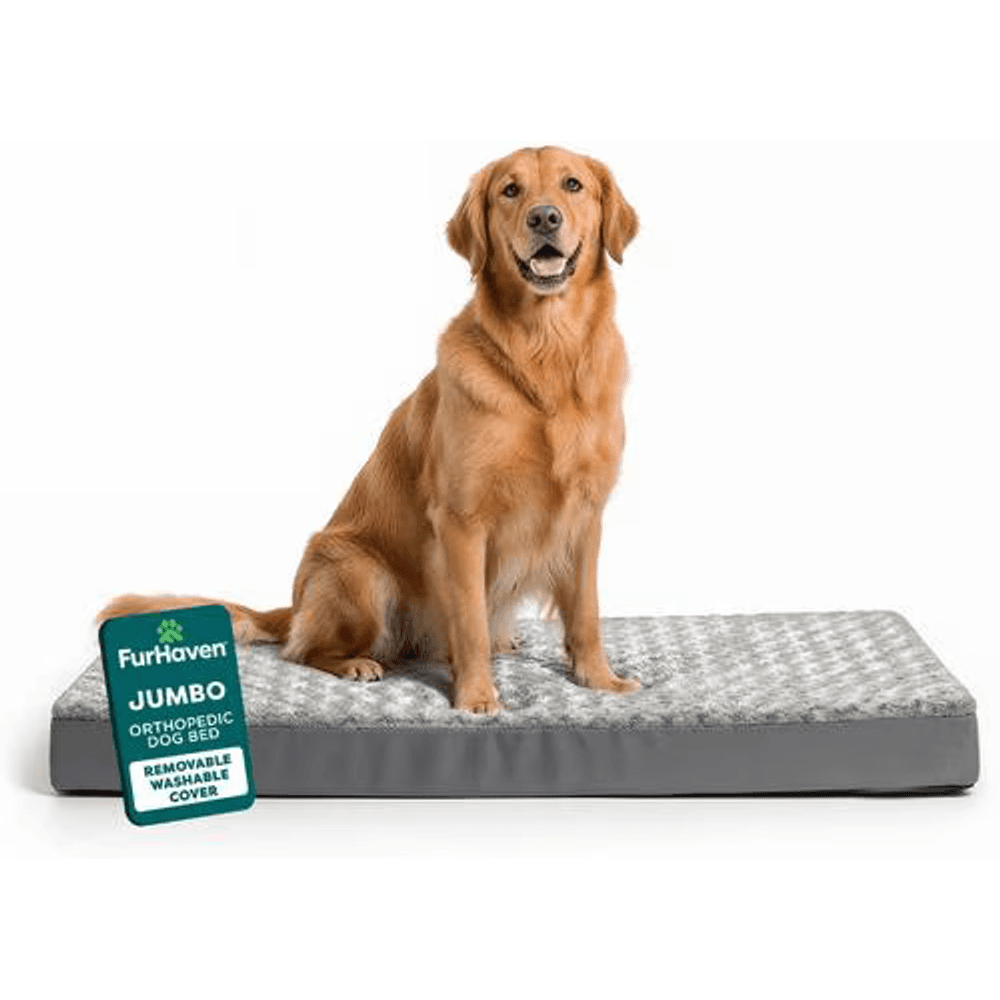
A plush orthopedic foam mattress that cushions aging joints and pressure points, giving a stiff or trembling senior dog warm, supportive rest.
Webvet may earn a commission when you click through to Chewy, at no extra cost to you.
TPLO, TTA, and extracapsular repair
Your surgeon should explain why a particular procedure suits your dog's knee and activity. The American College of Veterinary Surgeons describes several approaches. Bone-cutting procedures change how forces act around the knee; suture-based procedures stabilize it in a different way. Price alone cannot determine which is appropriate.
- TPLO: Tibial plateau leveling osteotomy changes the slope of part of the tibia and uses an implant while the bone heals.
- TTA: Tibial tuberosity advancement changes the position of a portion of the tibia to alter the forces across the knee.
- Extracapsular repair: A strong suture outside the joint provides support while surrounding tissue stabilizes the area.
These descriptions help you read an estimate; they are not a way to select an operation without examination. Ask the surgeon to explain the expected benefits, limitations, and reasons for the recommendation in your dog's case. A smaller initial bill may not be a better value if the operation is poorly suited to the patient's needs.
An extracapsular procedure is often less expensive than an osteotomy, but its suitability varies. Ask whether the recommendation reflects your dog's size, activity, knee stability, other orthopedic problems, or the surgeon's assessment of likely outcome. If you want another opinion, arrange a records transfer and ask whether the second clinician needs new examination or imaging before giving a reliable estimate.
Do not compare named techniques as though they were consumer products with identical results for every dog. Also ask about the individual performing the operation, their training and experience, who handles anesthesia and monitoring, and how complications are managed. These questions are useful whether the quoted price is low, high, or in between.
Comparing written estimates and finding affordable care
The most useful price comparison starts with the same procedure and the same clinical information. Send the diagnosis, examination notes, imaging, medication list, and other records requested by the receiving practice. A second clinic may offer only a provisional range until it has examined your dog; that uncertainty should be explicit rather than disguised as a fixed price.
Use a simple three-column worksheet: included, additional, and not yet known. Put each expected service in one column for each quote. An unanswered line is a question for the clinic, not an invitation to assume that it is free.
- Surgical consultation and preoperative testing.
- Preoperative and immediate postoperative radiographs.
- The operation, implants, and assessment or treatment of the meniscus, a cartilage structure in the knee, if needed.
- Anesthesia, monitoring, hospitalization, and nursing care.
- Take-home medication and protective equipment.
- Incision checks and later examinations.
- Follow-up imaging and any sedation for it.
- Rehabilitation and management of complications.
Ask what might change the estimate during treatment and when the clinic would seek your authorization. Some uncertainty cannot be removed before surgery, but you can still understand the likely total, the deposit, and the possible additional decisions. If you have a firm spending limit, communicate it before the operation so the team can discuss the available plan honestly.
If you cannot afford surgery, tell your veterinarian directly and ask what can be done now. Request an individualized plan for comfort, activity, and follow-up while you explore surgical options. Ask about another suitable provider, assistance programs, or a staged approach when medically appropriate. A low-cost clinic may have eligibility rules or limits on the procedures it performs.
Searching for low-cost dog ACL surgery near you or in Texas can identify providers, but it does not establish their availability or your dog's suitability. Factor travel, lodging, follow-up visits, and transport after surgery into any out-of-town comparison. A lower surgical quote can lose its advantage if repeated travel or separate aftercare is required.
Online accounts are useful for learning what owners wish they had asked. They are less reliable for predicting your bill. A Reddit post may describe a different procedure, an old price, an insurance reimbursement rather than the full charge, or a package that excludes later care. Obtain your own written estimate and compare the same services.
 Sponsored
Vet care that's always there
Unlimited video calls and messaging with licensed vets for less than a typical vet visit. One membership covers up to five pets.
Use code Pets60
Plans start at $12/month · covers up to 5 pets
- Licensed vets in most states
- Rx for 150+ conditions
- 4.7 on Trustpilot
Recovery expenses after the operation
The recovery budget should cover both medical follow-up and the practical work of caring for a dog with restricted activity. Ask the surgeon for the expected recheck schedule before surgery. Clarify which visits and images are included, who can perform them, and which findings would lead to an additional appointment.

The Comfy Cone is the soft, foam-padded e-collar most vets recommend first for dogs that panic in a hard plastic cone.
Webvet may earn a commission when you click through to Chewy, at no extra cost to you.
Common planning items include medication, a protective collar, nonslip surfaces, a suitable recovery space, transport, and any prescribed rehabilitation. You may already own some of these. Avoid purchasing a large collection of aids before asking what your dog actually needs and which sizes or designs the team recommends.
For recovery week by week, use the surgeon's written plan rather than a generic calendar. The procedure, healing, complications, and your dog's behavior affect when activity can increase. Ask for milestones and review points instead of treating a particular week as automatic permission to run, jump, use stairs, or resume off-leash exercise.
Arrange safe movement before discharge
Before discharge, have the team demonstrate practical tasks:
- Moving from the car to the recovery area.
- Short, controlled trips outside as directed.
- Supporting the dog without twisting the operated limb.
- Managing unavoidable steps safely.
- Checking the incision and giving medication.
- Recognizing a change that needs a call or examination.
Whether a dog with a torn CCL should walk, and how much, depends on the treatment stage. An injured dog may need restricted, controlled movement while awaiting treatment; a postoperative dog follows a different rehabilitation plan. Ask for specific instructions about toilet breaks, leash length, surfaces, and stairs. Do not interpret apparent enthusiasm or reduced limping as proof that unrestricted activity is safe.
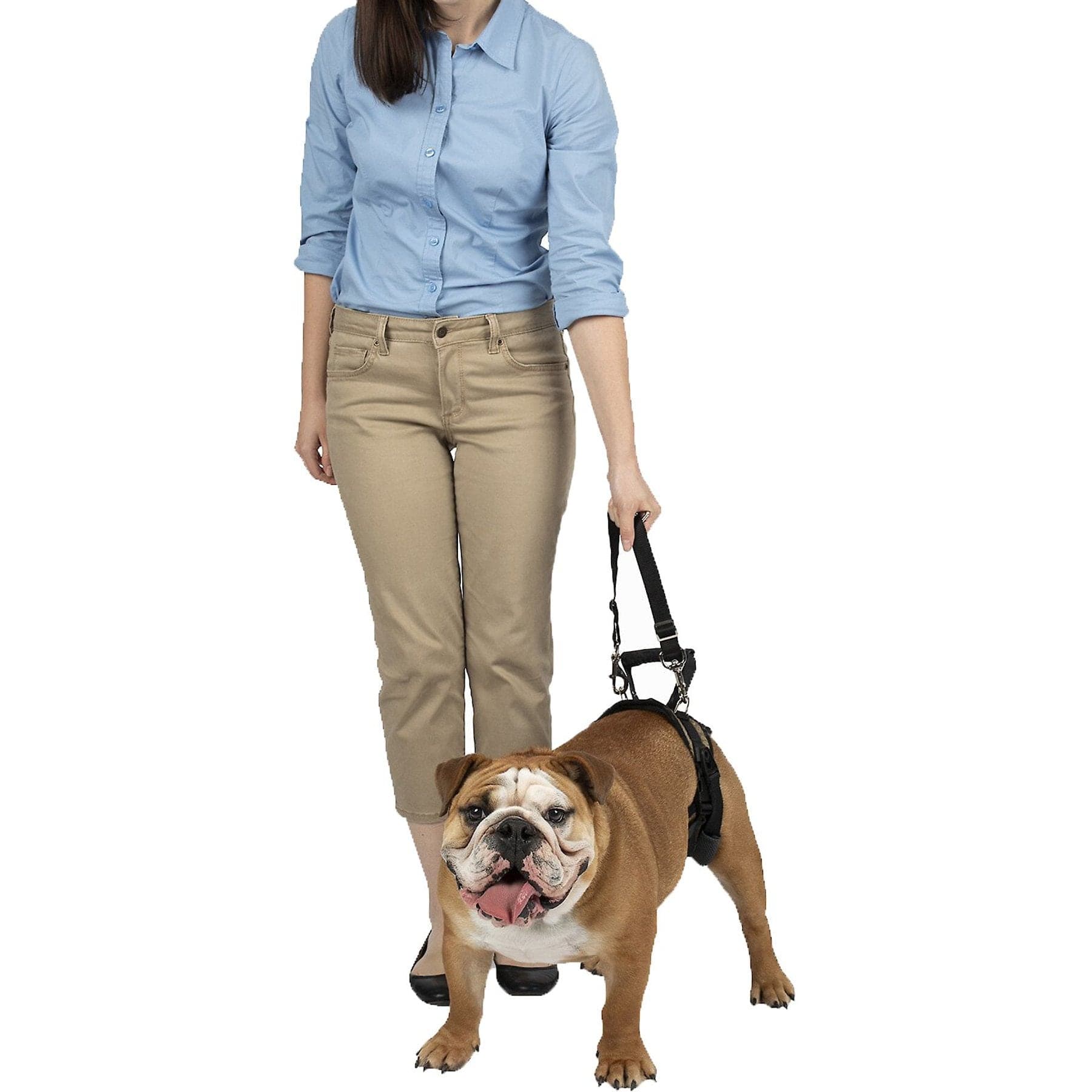
Rear-only support for an otherwise appropriate mobile patient. Compare the listed dimensions and care instructions with your setup.
Webvet may earn a commission when you click through to Chewy, at no extra cost to you.
If your dog needs lifting assistance, ask the clinical team to demonstrate the position and fit of a support aid. A rear support harness can help with handling in some situations, but it is not a knee brace or a replacement for treatment. The amount of support and the way it is applied should fit the dog and the stage of recovery.
Food and follow-up imaging costs
Food is another opportunity to avoid unnecessary spending. Recovery does not automatically mean your dog needs a high-calorie product or multiple supplements. Ask whether food portions should change with reduced activity and whether a specific diet is indicated. Our guide to food for recovery after surgery or illness explains why additional calories should be matched to the actual need.
For imaging that sits outside the surgical package, see dog X-ray and ultrasound costs. Keep those follow-up costs separate from the operation itself when you compare estimates. This makes a lower upfront price easier to evaluate against a package with more aftercare included.
When surgery is recommended and what alternatives mean
How can you tell if a dog hurts an ACL?
A torn ACL, called the cranial cruciate ligament in dogs, can be painful even when a dog does not cry. Limping, difficulty rising, reduced activity, and changes in how the dog sits can warrant examination. Those signs are not unique to CCL disease, so they cannot confirm a torn ligament at home. Other orthopedic or neurologic problems may look similar and need a different treatment plan.
What can be mistaken for a torn ACL in dogs?
Other orthopedic or neurologic problems can be mistaken for a torn ACL based on limping alone. Ask your veterinarian what supports the diagnosis and whether anything else could explain the signs. Examination, imaging, and other testing may be used according to the case. Do not manipulate the knee to try to reproduce a diagnostic test yourself; an owner video of normal walking, when safe to obtain, is a better way to show changes that are difficult to describe.
Is ACL surgery worth it for a dog?
Consider comfort, expected function, other illness, recovery needs, and the likelihood that the recommended operation will help this particular dog. A success percentage from a study is not a personal guarantee. Ask what a good outcome would look like for your dog's normal life and which limitations might remain after treatment.
Some dogs are managed without surgery under veterinary supervision. Conservative care is an active plan, not simply waiting for the problem to disappear. It may include prescribed pain management, controlled activity, weight management, rehabilitation, and follow-up. The knee can remain unstable, and the veterinarian should explain how progress or ongoing pain will be assessed.
Braces and supplements should not be treated as equivalent substitutes for a recommended operation. Ask about their evidence, cost, fit, possible skin problems, and whether they are appropriate at all. A product that appears cheaper can still be poor value if it delays effective care or does not address the dog's problem.
Is it necessary to put down a dog with a torn ACL?
How long can my dog go with a torn ACL?
There is no universally safe length of time to leave a torn ACL untreated. Ask how urgently your dog needs reassessment and what to do while arranging care. Worsening lameness, new inability to rise, marked pain, or another concerning change should prompt contact with the veterinary team rather than waiting for a scheduled cost consultation.
Insurance, payment plans, and pre-existing conditions
If you already have pet insurance, ask about the proposed operation before assuming reimbursement. The cause and timing of symptoms, waiting periods, exclusions, deductible, reimbursement terms, and limits may affect a claim. Ask specifically about pre-existing conditions, cruciate waiting periods, and bilateral exclusions or other rules for conditions affecting both sides of the body. Read the actual policy and obtain clarification from the insurer.

A new policy should not be assumed to cover a knee problem that has already started. If you are considering Lemonade pet insurance for future needs, review the current terms for your state and dog. Insurance shopping and arranging treatment for an existing injury are separate financial decisions.
Also confirm when payment is due. An insurer's possible reimbursement does not necessarily remove the clinic's deposit or discharge-payment requirement. Ask whether direct payment is available, whether preauthorization has any limitations, and what records are needed. Keep estimates, itemized invoices, and medical records organized so a claim is not delayed by missing documentation.
For financing, compare the total repayment amount and the consequences of missing a deadline, not just the monthly payment. Promotional terms and approval requirements vary. Ask the lender for the actual agreement and consider whether repayment remains manageable if another veterinary bill arises during recovery. The clinic can explain its own payment policies but cannot guarantee that an outside lender or charity will approve an application.
Frequently asked questions
Does paying more guarantee a better surgical result?
No price can guarantee an outcome. Ask about the surgeon's training and experience, the reason for the selected procedure, anesthesia and monitoring, aftercare, and your dog's individual prognosis. A higher price may reflect a different setting or package rather than a directly comparable service. A useful decision weighs those details with the medical recommendation and your ability to complete recovery care.
Should I budget for a second knee operation?
Discuss the other knee with your veterinarian because cruciate disease can affect both hind limbs. That risk does not mean a second operation is inevitable or that it belongs in today's surgical estimate. Ask how to monitor the other limb and how your insurance treats bilateral conditions. A reserve for future care is sensible, but the amount and treatment decisions remain individual.
Veterinarian · BVMS MRCVS
Dr. Pippa Elliott, BVMS, MRCVS, is a veterinarian with nearly 30 years of experience in companion animal practice. Dr. Elliott earned her Bachelor of Veterinary Medicine and Surgery from the University of Glasgow. She was also designated a Member of the Royal College of Veterinary Surgeons. Married with 2 grown-up kids, Dr. Elliott has a naughty Puggle named Poggle, 3 cats and a bearded dragon.
Related reading

Luxating Patella in Dogs: Grades, Symptoms, Treatment, and Surgery

Hip Dysplasia in Dogs: Symptoms, Causes, Treatment, and Surgery Options

Elbow Dysplasia in Dogs: Symptoms, Causes, Treatment, and Surgery
