Do Cats Mourn the Death of Another Cat?
Explore the emotional world of cats and understand their ability to grieve. Learn how to identify signs of feline grief and discover how to help a grieving cat.


BVMS MRCVS

This article contains affiliate links. Webvet may earn a commission when you buy through them, at no extra cost to you.
Every pet parent knows that animals can form deep bonds with people, but the emotional complexity extends beyond human-animal interactions.
Cats, often stereotyped as aloof and independent creatures, are capable of forming strong attachments to their fellow feline companions. But can cats mourn the death of another cat?
This article from Webvet explores the world of feline emotions and analyzes the concept of grief in cats.
Feline Emotions
Cats are social creatures, and they often form strong bonds with other cats and even other pets in the house. These bonds can be deep when cats grow up together or have spent a lot of time with one another.
Of course, cat relationships will vary. Some cats might be best friends, while others might share a more distant but still significant relationship.
These relationships can contribute to the intensity of a cat's grief when they lose a companion.
Can Cats Mourn the Death of Another Cat?
Yes, cats can mourn the death of another cat. While we can't know for sure what goes on in a cat's mind, some anecdotes and studies suggest cats experience grief when a fellow feline or beloved pet dies [1]. See WebVet’s guide to whether cats know when another cat is dying.

A vet-recommended plug-in diffuser that releases the drug-free Feliway Classic pheromone to reduce stress signs in cats like scratching, hiding, and urine marking. 30-day starter kit.
Webvet may earn a commission when you click through to Chewy, at no extra cost to you.
Grieving behaviors can vary among cats, with some cats showing clear signs of distress and others appearing unaffected.
Just like humans, each cat is an individual and will cope with loss in their own way. Some might become more vocal, seek out more attention, or exhibit behaviors associated with stress or anxiety. Others might undergo changes in eating or sleeping patterns.
Signs of Grief in Cats
Recognizing signs of grief in cats can help you understand and address your pet's emotional distress effectively [2]. This is crucial as it helps foster empathy and provides a basis for interventions that may be required.
Some common signs of grief in cats include:
Changes in Behavior
Cats may display changes in their behavior which can be quite varied and encompass a wide range of behaviors.

For room-based calming support. Standard kit includes scented pads; choose compatible unscented pads separately for a fragrance-free setup. Follow this device's own label.
Webvet may earn a commission when you click through to Chewy, at no extra cost to you.
For instance, a previously outgoing and playful cat may become withdrawn, spending more time hiding or isolating itself. On the other hand, a cat may become more clingy and constantly seek the company of their human caregivers.
Some cats may also become more aggressive or irritable.
Changes in Eating Habits
Alterations in eating habits are another common sign of grief in cats. Some grieving cats may lose their appetite, leading to noticeable weight loss over time.
On the other end of the spectrum, other cats may eat more as a form of comfort, which can result in weight gain.
In either case, these changes can impact a cat's overall health, so it’s important to monitor their eating habits closely during this period.
Changes in Sleeping Patterns
Cats usually spend a significant portion of their day sleeping, and changes in this routine can indicate stress or distress, including grief.
A grieving cat might sleep more than usual, possibly as a means of escape or a coping mechanism. Alternatively, restlessness or frequent waking may indicate anxiety or distress, leading to disrupted sleep.
Decreased Grooming
Cats are meticulous groomers, and this behavior is not only a means of cleanliness but also a form of self-soothing.
Compare coverage choices for your pet, then request a quote directly on Lemonade.
- Check a price for your pet
- Review available coverage choices
- See the terms before you decide
Eligibility, waiting periods, limits and exclusions apply.
Webvet may earn a commission when you click through to Lemonade, at no extra cost to you.
A cat that is grieving might neglect their grooming routine, resulting in a dull or matted coat. This is a clear sign of emotional distress and one that warrants immediate attention and intervention.
Cats Grieving Other Pets
While the focus of this article is on cats grieving other cats, it's important to note that cats can also grieve the loss of other pets. A cat could grieve the loss of a dog, bird, or any other pet they had formed a bond with.
The signs of grief in such scenarios are similar to those exhibited when a cat loses a feline companion. The extent of the grief can depend on factors like the strength of the bond between the pets and the individual cat's disposition.
Coping Mechanisms: Helping Your Cat Through Grief
Understanding that your cat may be experiencing grief is the first step in offering them support. If your cat is grieving, here are several steps you can take to comfort them during this difficult period [3]:
- Maintain Routines: Cats are creatures of habit, and changes to their daily routines can heighten their distress during the grieving process. Consistency in their daily routines, such as feeding, playtime, and grooming, can provide comfort and a sense of stability. If possible, avoid making significant changes to these routines, such as changing their food or moving their litter box.
- Provide Extra Comfort: During this difficult time, your cat may need extra reassurance and comfort. Spending more time with your cat, offering extra cuddles, or just sitting quietly with them can provide emotional support. Encourage engagement with toys or games, but do not force interaction if your cat seems uninterested.
- Consult a Vet or Animal Behaviorist: If your cat's behavior changes drastically, such as refusing to eat or drink for extended periods, excessive hiding, or aggression, consult a professional. A vet can rule out any potential underlying health issues that could be contributing to the behavior change. On the other hand, an animal behaviorist can provide insights into managing and mitigating the behavioral aspects of feline grief. They are able to suggest possible interventions to aid in their recovery.
Adopting a New Pet: A Possible Solution?
The loss of a pet can leave a void, leading many people to consider adopting a new pet.
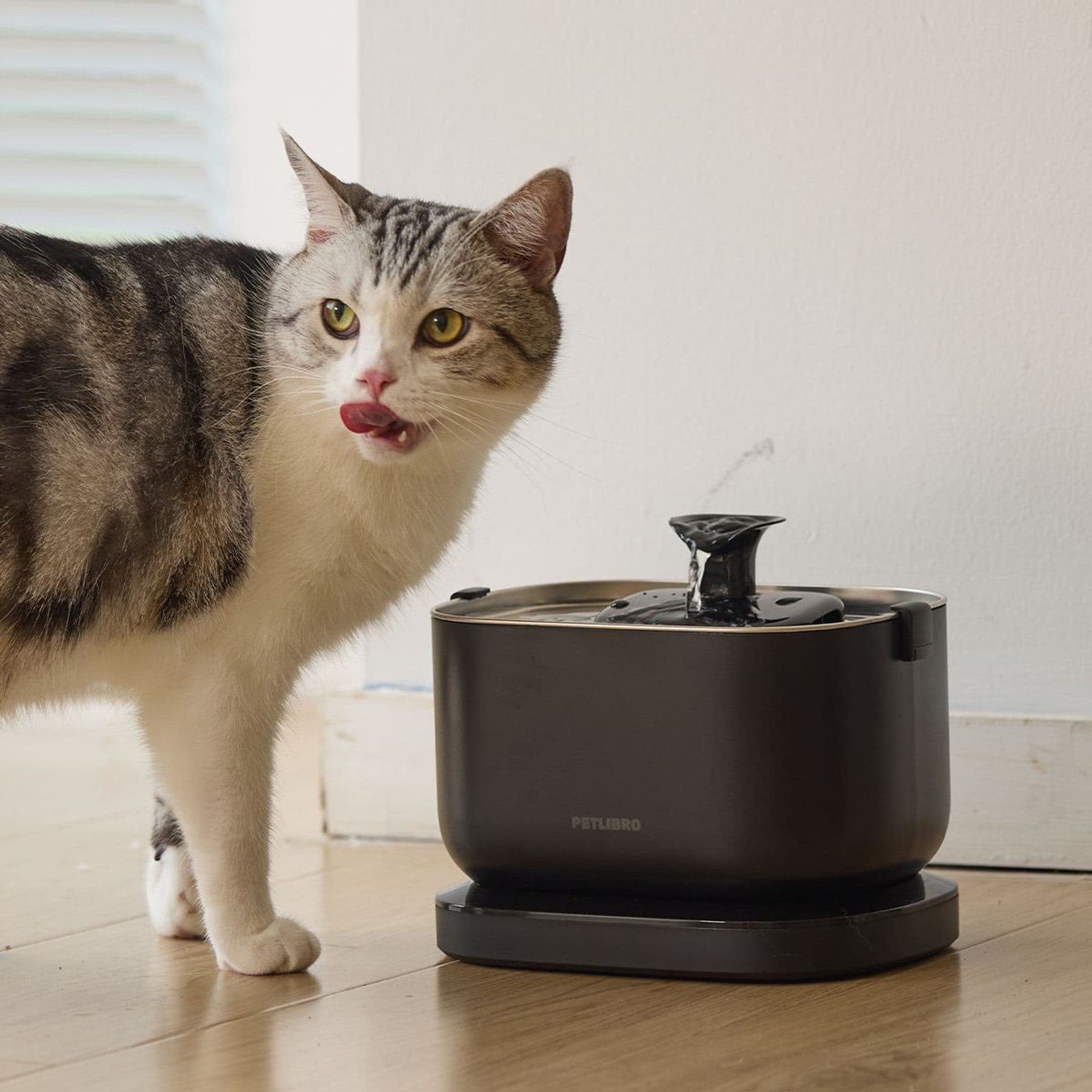
Webvet may earn a commission when you click through to Chewy, at no extra cost to you.
However, grief does not follow a linear path, for cats or humans. Each individual processes loss at their own pace, and the introduction of a new pet should be handled delicately.
While a new pet can indeed provide distraction and company, be sure that the timing and introduction don’t add extra stress to a grieving cat. You may want to wait until your cat shows signs of returning to their normal behavior.
Additionally, the new pet should not be seen as a replacement but rather as a new companion. The introduction should be gradual. Over time, the companionship provided by a new pet can indeed be a healing factor for a cat that has lost another pet that was close to them.
Conclusion
Cats can and do grieve the loss of a companion. This knowledge allows us to provide the necessary comfort and support when our pets are mourning, ensuring they don't have to navigate their grief alone.
Need more advice on caring for your pets in both joyous and challenging times? Click the link below to discover a treasure trove of pet-related information.
[Click Here To Learn More]
Callout Box:
🐾 Key Takeaways About Feline Grief 🐾
- Cats can form strong bonds with other pets, and they can grieve the loss of these companions.
- Cats' grieving behaviors can include changes in behavior, eating habits, sleeping patterns, and grooming habits.
- Each cat grieves in their own way, and the intensity of grief can vary.
- Supportive measures can help a grieving cat, such as maintaining routines and providing extra comfort.
- Consult a vet or animal behaviorist if your cat's behavior changes drastically or if they stop eating.
References/External Links:
- VCA Animal Hospitals
- Catster
- Cats.com
- Feature image: Photo by Şevval Çadır/Pexels
FAQs
Do cats grieve each other?
Yes, cats can grieve the loss of another cat. The signs of grief can include behavioral changes, altered eating and sleeping patterns, and decreased grooming.
How long can a cat's grieving process last?
The length of the grieving process can vary widely from one cat to another. It could last anywhere from a few weeks to several months.
How can I help my cat during the grieving process?
Maintaining routines, providing extra comfort, and consulting a vet or animal behaviorist if necessary can all help support a grieving cat.
Should I Get Another Cat for My Grieving Cat?
While a new pet can provide distraction and company, the introduction should be handled delicately to avoid causing additional stress to a grieving cat. Remember that a new pet is not a replacement for a lost companion.

Wendy Toth is an entrepreneurial writer, editor, and mom of two humans, two dogs and one cat. She’s currently Content Director here at PetFul. For the last 15 years she has held positions at Parents Magazine, NBC, PetSmart, and GreatPetCare, where she was co-founder. Her writing has appeared in many national outlets including Pet Lab Co., Retail Me Not, Ask Men, Wild Society Nutrition, and The New York Times. Because she loves her work so much, she’s obsessed with helping others find career fulfillment, and covers it regularly at PowerSuiting.
Veterinarian · BVMS MRCVS
Dr. Pippa Elliott, BVMS, MRCVS, is a veterinarian with nearly 30 years of experience in companion animal practice. Dr. Elliott earned her Bachelor of Veterinary Medicine and Surgery from the University of Glasgow. She was also designated a Member of the Royal College of Veterinary Surgeons. Married with 2 grown-up kids, Dr. Elliott has a naughty Puggle named Poggle, 3 cats and a bearded dragon.


