Cat Ear Infection: Causes, Diagnosis and Next Steps
Learn why a cat ear infection develops, what the veterinary examination can establish, and how to plan follow-up and prevention when the same ear keeps causing trouble.

BVMS MRCVS
Medically reviewed by Dr. Pippa Elliott, BVMS MRCVS · Last reviewed

This article contains affiliate links. Webvet may earn a commission when you buy through them, at no extra cost to you.
A cat ear infection needs two questions answered: what is happening in the ear now, and why did it happen? Treatment can control an infection, but a mite infestation, allergy, polyp or another underlying problem may also need attention to prevent the next episode.
Arrange a veterinary examination for persistent head shaking, scratching, odor, discharge or pain. If your cat loses its balance, develops a head tilt or seems severely unwell, contact a veterinarian promptly. Do not start pouring cleaners or leftover medicine into an unexamined ear.
 Sponsored
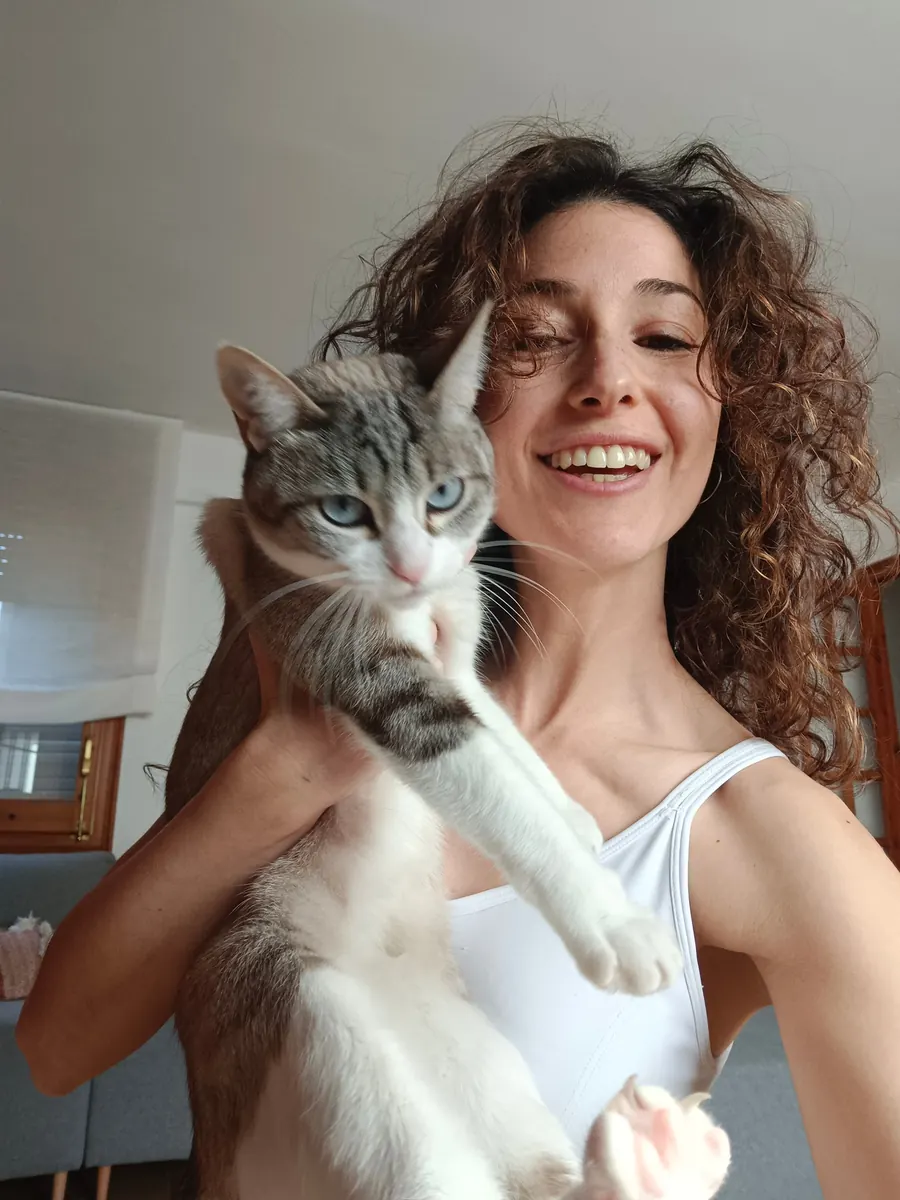
Have a health question about your cat?
Talk to a licensed vet at Dutch over video or message, including nights and weekends.
Use code Pets30
Plans start at $11/month · covers up to 5 pets
- Licensed vets in most states
- Rx for 150+ conditions
- 4.7 on Trustpilot
What a cat ear infection means
The most familiar problem is inflammation of the outer ear canal, called otitis externa.
Bacteria or yeast may multiply in an inflamed canal, adding discharge and discomfort. Inflammation and infection are related, but they are not interchangeable diagnoses: a foreign object or allergic skin disease can start inflammation before a secondary infection develops.
That distinction changes the plan. Finding bacteria in a cat's ears does not explain why the ear became vulnerable. A veterinary team may need to address both the organisms on the ear swab and a separate problem in the canal or elsewhere on the skin. VCA's feline ear-infection guidance emphasizes investigating an underlying cause, particularly when the problem returns.

An ear that looks better after wiping is not necessarily healthy. Removing surface debris cannot tell you whether the canal remains inflamed, the eardrum is intact, or the organisms have cleared. Likewise, “bacterial cat ear infection” describes one finding, not a medicine you can choose from a photograph.
Useful distinctions to keep in mind are:
- The outer flap is visible; much of the ear canal is not.
- One ear can be affected while the other has different findings.
- An itchy cat may have a problem beyond the ears as well.
- A cleaner, an antimicrobial medicine and a parasite treatment do different jobs.
Why cats develop ear infections
Cats can develop ear infections at any age. Kittens and cats with close contact with other animals may have ear mites, while recurrent problems in an adult cat warrant a broader search for a cause.
An indoor lifestyle does not prevent allergies, polyps or irritation from a product placed in the ear.
PDSA's veterinary guidance describes several problems that can make the canal vulnerable. These include parasites, allergic skin disease, injury, material stuck in the ear and tissue growths. They need different approaches, even when the resulting discharge looks similar.
Tell your vet about:
- New animals, boarding, fostering or contact with an itchy pet.
- Fleas or itching on the face, neck and body.
- A new ear product, grooming routine or medication.
- Sneezing, noisy breathing or swallowing changes as well as ear signs.
- Previous episodes, including which ear was affected.
Growths and one-sided problems
A polyp is a growth of tissue that can interfere with the ear or nearby upper airway. It is not the same diagnosis as cancer. Cornell's explanation of nasopharyngeal polyps describes how these problems can involve the middle ear and occur in young cats. Ear trouble together with persistent respiratory signs is worth mentioning at the appointment.
An older cat with a persistent one-sided blockage also needs careful assessment. Age, breed and the appearance of the flap do not establish the cause. A Sphynx, Persian or elderly cat should receive an individual examination rather than a breed-based assumption about harmless wax or inevitable infection.
Outer, middle and inner ear disease
The location matters because drops placed in the canal do not solve every problem deeper in the ear. The eardrum separates the external canal from the middle ear. The inner ear contains structures involved in hearing and balance, as Cornell's feline ear-disorder overview explains.
The tympanic bulla is the bony chamber associated with the middle ear. A ruptured or perforated eardrum changes which products can safely contact that area. Do not flush an ear when its condition is unknown; VCA's guidance on eardrum rupture explains why deeper disease needs individual assessment.
| Location | What the term means | Why the distinction matters |
|---|---|---|
| Outer ear | Otitis externa affects the external canal | Examination and a swab help guide local treatment |
| Middle ear | Otitis media affects the space beyond the eardrum | The vet may need deeper investigation and a different treatment plan |
| Inner ear | Otitis interna affects deeper hearing and balance structures | Balance or eye-movement changes need prompt assessment |
These terms describe anatomy, not severity you can grade at home. A very painful outer-ear problem still deserves prompt care.
A cat with relatively little visible discharge may have disease you cannot see. Tell the clinic about new head tilt, stumbling, circling or unusual eye movements instead of waiting for the ear to look worse.
SponsoredVet care that's always there
Unlimited video calls and messaging with licensed vets for less than a typical vet visit. One membership covers up to five pets.
Use code Pets30
Plans start at $11/month · covers up to 5 pets
- Licensed vets in most states
- Rx for 150+ conditions
- 4.7 on Trustpilot
What the examination and ear swab tell you
An ear examination and cytology answer different questions. The otoscope helps the vet inspect the canal, look for an obstruction and assess the eardrum when it can be seen.
Cytology examines sampled material under a microscope for findings such as bacteria, yeast and inflammatory cells. Testing for mites may also be appropriate.
If a report mentions cocci, that describes the round appearance of certain bacteria under the microscope. It does not tell an owner which antibiotic to buy. The amount and type of material, the inflammation and the rest of the examination all matter. Some cases need culture and susceptibility testing rather than another empirical bottle.

A painful or blocked canal may prevent a complete examination during an ordinary awake visit. Your veterinarian may discuss pain relief, sedation or anesthesia to examine and clean it safely. The Merck Veterinary Manual also describes further investigation for persistent obstruction or suspected deeper disease.
Ask three practical questions before leaving:
- What was found in each ear, and could the eardrum be assessed?
- Is an underlying cause suspected, or are further tests needed?
- What should improve first, and when should we come back?
When another test changes the next step
A swab examined in the clinic and a sample sent for culture are not the same test. Cytology provides information about what is visible in the sample. Culture and susceptibility testing may help in selected severe or chronic cases, especially when the vet needs more information about bacteria and suitable medicines. Ask what uncertainty the proposed test is meant to resolve.
You can also ask whether the view of the eardrum was complete. “We could not see it today” is useful information, not a reason to assume it is normal. Swelling, debris or discomfort may require a staged plan: make the ear more comfortable, perform a more complete examination, then reassess treatment. Get the next appointment or contact instructions before leaving so that an incomplete first examination does not become the end of the investigation.
For a planned appointment, prepare a secure carrier and bring the bottles already used. If you need a carrier, the Frisco Travel Safety Dog & Cat Carrier, Medium is an option to assess against your cat's measurements and transport needs. Use a suitable carrier you already own if possible; buying equipment should never delay care.

Soft-sided travel safety carrier that keeps a stressed cat secure and well-ventilated on the way to the vet, with mesh panels for airflow and a seat-belt loop.
Webvet may earn a commission when you click through to Chewy, at no extra cost to you.
When an infection keeps coming back
A recurring ear infection does not automatically mean your cat needs a stronger medicine.
The useful next question is whether the first problem fully resolved and, if it did, what triggered another episode. Record whether the same ear relapses, whether both ears are involved, and how long your cat was comfortable between episodes.
Build a short recurrence checklist from the actual course of care:
- Medicine actually given: note missed doses, spills and treatments your cat would not tolerate.
- Response: separate reduced scratching from a veterinary recheck confirming improvement.
- Other signs: record skin itching, respiratory trouble and changes in appetite or activity.
- Products added: list wipes, cleaners and home mixtures, even if they seemed mild.
- Follow-up: bring the previous instructions and any test results available to you.
This record helps separate symptoms from the underlying cause. For example, a cat that never allowed drops into one ear has a different practical problem from a cat whose examination cleared and then relapsed months later. Neither is helped by quietly restarting a partly used bottle without telling the clinic what happened.
Include the rest of the cat
An ear-only history can miss useful information. Note whether scratching also affects the neck or body, whether grooming has changed, and whether the ear problem began alongside another illness. Do not start an elimination diet or assume food allergy from ear trouble alone; ask whether a broader skin assessment is indicated. Similarly, repeated one-sided disease deserves a clear explanation of what has been checked inside that ear. A follow-up plan should identify the unanswered question, not simply repeat the last prescription indefinitely.
Choose the product after the diagnosis
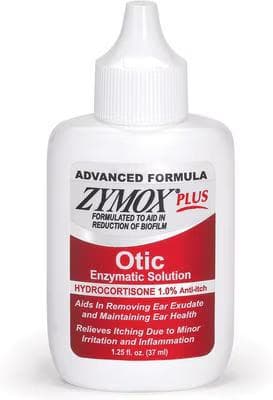
An over-the-counter product can still have active ingredients and specific restrictions. Zymox Plus Advanced Formula with 1% hydrocortisone is an enzyme-based ear solution, not a routine wax wipe. Its manufacturer information specifies no pre-cleaning and identifies steroid-related cautions. Ask whether this exact product fits your cat before starting it or combining it with prescribed care.
Webvet may earn a commission when you click through to Chewy, at no extra cost to you.
Preventing another episode without overcleaning
Prevention should follow the cause found in your cat. That may involve parasite control, management of skin disease, addressing an obstruction or a maintenance routine chosen after recovery.
There is no universal schedule that makes every cat's ears healthier. Healthy cats generally do not need routine cleaning unless their veterinarian advises it.
An occasional comfortable look at the outer ear can help you notice a change. Avoid repeatedly probing the canal, scraping out wax or cleaning simply because a calendar says to. Ask your vet what is normal for your individual cat and which change should prompt a call.
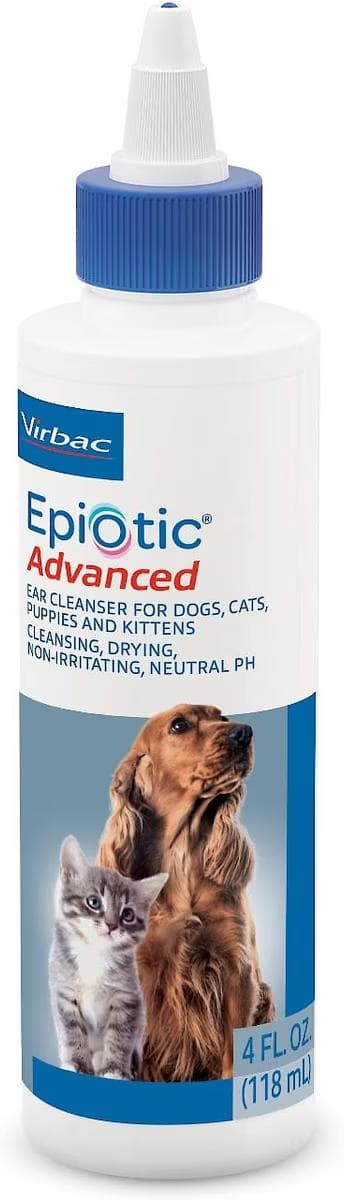
When maintenance cleaning is recommended, Virbac Epi-Otic Advanced is one routine cleanser labeled for cats. Virbac's product information describes its cleansing purpose. That is different from treating every cause of otitis, and it does not override a no-cleaning instruction that accompanies another ear product.
Webvet may earn a commission when you click through to Chewy, at no extra cost to you.
For a cat whose vet permits occasional outer-ear wiping, Veterinary Formula Ear Therapy Wipes are labeled for dogs and cats. The manufacturer's directions limit wiping to the accessible part of the ear. A wipe cannot clear a deep obstruction or prove that an infection has resolved. Stop if handling hurts, and ask before wiping a newly inflamed ear.

Alcohol-free ear wipes that gently clean and deodorize ears between deep cleanings, an easy maintenance step for itchy or smelly ears. 100 wipes, for dogs and cats.
Webvet may earn a commission when you click through to Chewy, at no extra cost to you.
Related care: recognizing signs and urgency
Related care: treatment and recovery
Related care: yeast-specific ear disease
Related care: ear mites and infection
Related care: household remedy safety
Related care: choosing a cat ear cleaner
Questions cat owners ask
Frequently Asked Questions
Can a cat's ear infection go away on its own?
Do not rely on spontaneous improvement when your cat has persistent discomfort, discharge, odor or repeated head shaking. Those signs warrant an examination, even if they fluctuate. An underlying cause may remain after the ear looks cleaner. Ask the clinic when your cat should be seen and what to avoid while waiting.
Are cat ear infections contagious?
It depends on the cause. Ear mites spread between animals, while an infection associated with a polyp or allergy is a different situation. The Companion Animal Parasite Council recommends addressing other dogs and cats in an affected household when mites are diagnosed. Tell your vet about other pets rather than assuming every ear problem spreads in the same way.
Can humans get ear infections from cats?
Rarely, a person can become infested with the ear mites that affect cats, according to the Companion Animal Parasite Council. That does not mean every feline ear infection is contagious to people: ear inflammation has several causes. Wash your hands after handling ear discharge. If you develop a rash or ear symptoms after contact with an affected animal, tell a human clinician about the exposure and your cat's confirmed findings.
Why would an indoor cat get an ear infection?
Indoor cats can have allergy, a polyp, an abnormal canal or irritation, and they may encounter parasites through other animals. Staying indoors changes some exposures; it does not eliminate every cause of ear inflammation. Give the vet the full history, including ear products and previous episodes, rather than ruling out disease because your cat never goes outside.
Does an ear infection mean my cat is dirty?
No. A healthy-looking home and regular grooming do not prevent every underlying cause, and extra cleaning is not always protective. Many healthy cats need no routine ear cleaning. If your cat repeatedly accumulates debris, ask why it happens and whether a specific maintenance plan is appropriate instead of trying to keep the canal completely wax-free.

Editor
The Webvet Editorial Team is the in-house group of pet-care editors and writers behind Webvet, operated by Smart Pet Collective. The team researches, writes, and maintains Webvet's pet health, behavior, and medication content. Every article follows a defined editorial process: research from reputable veterinary and scientific sources, careful drafting, mandatory review of medical content by a credentialed veterinarian, and dated publication. Health and medication articles are medically reviewed by a licensed veterinary professional before they go live and are kept current over time.
Veterinarian · BVMS MRCVS
Dr. Pippa Elliott, BVMS, MRCVS, is a veterinarian with nearly 30 years of experience in companion animal practice. Dr. Elliott earned her Bachelor of Veterinary Medicine and Surgery from the University of Glasgow. She was also designated a Member of the Royal College of Veterinary Surgeons. Married with 2 grown-up kids, Dr. Elliott has a naughty Puggle named Poggle, 3 cats and a bearded dragon.
Related reading

Cat Cremation Cost: Private, Communal, and Additional Charges

Cat Euthanasia Cost: Clinic, At-Home Care, and Aftercare

Dog Microchip Cost: Implantation, Registration, and Ongoing Fees
