Feline Feats of Agility: Exploring the World of Cat Agility Competitions
This world of fierce speed isn’t just for dogs anymore


BVMS MRCVS

This article contains affiliate links. Webvet may earn a commission when you buy through them, at no extra cost to you.
When thinking of dog shows, dogs jumping over hurdles, weaving through poles, and sprinting toward the finish line often spring to mind. These energetic events have long been associated with canine companions. But have you ever considered that your cat could also be a part of this exciting world?
Cat competitions are becoming increasingly popular, offering an entirely new avenue for your cats to show off their nimbleness and quick reflexes.
Keep reading to find out about the rise of cat agility competitions, how they differ from their dog counterparts, and how you can get your own cat involved in these fast-paced events.
The Rise of Cat Agility Competitions
Agility competitions have long been a platform for dogs to showcase their speed and nimbleness. Since dog agility made its debut as a spectator sport in 1979, it has become the fastest-growing canine sport in North America and Western Europe. But in recent years, a new type of athlete has entered the scene: the agile cat.
The world of cat competition took an exciting turn in 2003 when Vickie Shields, along with a group of fellow cat enthusiasts, organized the first known cat agility contest in Albuquerque and founded the International Cat Agility Tournaments (ICAT).
Dismissing the myth that cats are untrainable, Shields emphasized that these competitions are all about the bond between human and cat, demonstrating just how trainable, coordinated, and athletic cats can be. From its humble beginnings, the ICAT now schedules roughly 40 events annually, offering numerous opportunities for competition cats to display their speed, coordination, and graceful movement on the agility course.

A silvervine and catnip blend that excites even cats who ignore plain catnip, great for redirecting energy into healthy play.
Webvet may earn a commission when you click through to Chewy, at no extra cost to you.
The popularity of cat agility competitions has grown exponentially since then. According to a 2011 article in the New York Times, these feline agility events have become permanent features of the cat show scene. Many owners begin training their feline friends from kittenhood, preparing them for a life of agility and excitement.
These competitive events are not just for purebreds – these agility contests welcome all cats, proving that any cat, with the right training and bond with their human, can be a star in the cat agility course.
How an Agility Competition Works
Under the standard competition rules, cats have a maximum of 270 seconds to navigate the agility course. This time limit adds a layer of excitement and urgency to the event, pushing the cat and their handler to their limits.
The course typically consists of 6–14 obstacles, providing a varied and challenging route. Handlers can use laser points and toys to coax their pets along the course, but food treats are not permitted.
Interestingly, not all cats complete the course within the given time.
Some cats may finish in record time, demonstrating their athletic prowess and effective training. Others, however, embody the independent spirit of felines by choosing to veer off the course, embarking on their own unique adventure instead.
Dog vs. Cat Agility Competitions
While both dogs and cats compete in agility contests, the nature and structure of these competitions vary considerably due to the distinctive characteristics of the two species.
Compare coverage choices for your pet, then request a quote directly on Lemonade.
- Check a price for your pet
- Review available coverage choices
- See the terms before you decide
Eligibility, waiting periods, limits and exclusions apply.
Webvet may earn a commission when you click through to Lemonade, at no extra cost to you.
At first glance, they might appear similar, since you’ll see a timed course in both cases where the animal must navigate a series of obstacles. However, a deeper dive reveals several differences, particularly in the competition structure, training methods, and equipment used.
Here’s a quick overview of the biggest differences:
- Guidance: Dogs are guided by handlers and run off-leash. Cats navigate independently, often with the use of a laser pointer or a favorite toy to guide them through the course.
- Structure: Dog agility competitions are strictly timed, with penalties for missed obstacles. Cat agility competitions also time the runs, but place a higher emphasis on accuracy and the successful completion of the course.
- Training: Dogs typically respond to command-based training, whereas cats prefer reward-based training, often with toys or treats.
- Equipment: Dog courses have sturdy, larger obstacles, including jumps, tunnels, and weave poles. Cat courses, on the other hand, have lighter, smaller, and varied obstacles to stimulate their natural curiosity and agility.
Although dog agility competitions have been around longer and have a larger following, cat agility competitions are rapidly gaining popularity. These competitions offer cats and their owners a unique and exciting way to engage and showcase their skills and agility.
Easiest Breeds To Train
While it's important to note that any breed of cat can be trained for agility competitions, some breeds have characteristics that might make them more inclined toward this type of activity. Agility requires a blend of physical prowess, curiosity, and intelligence – traits these species ten to have in abundance.
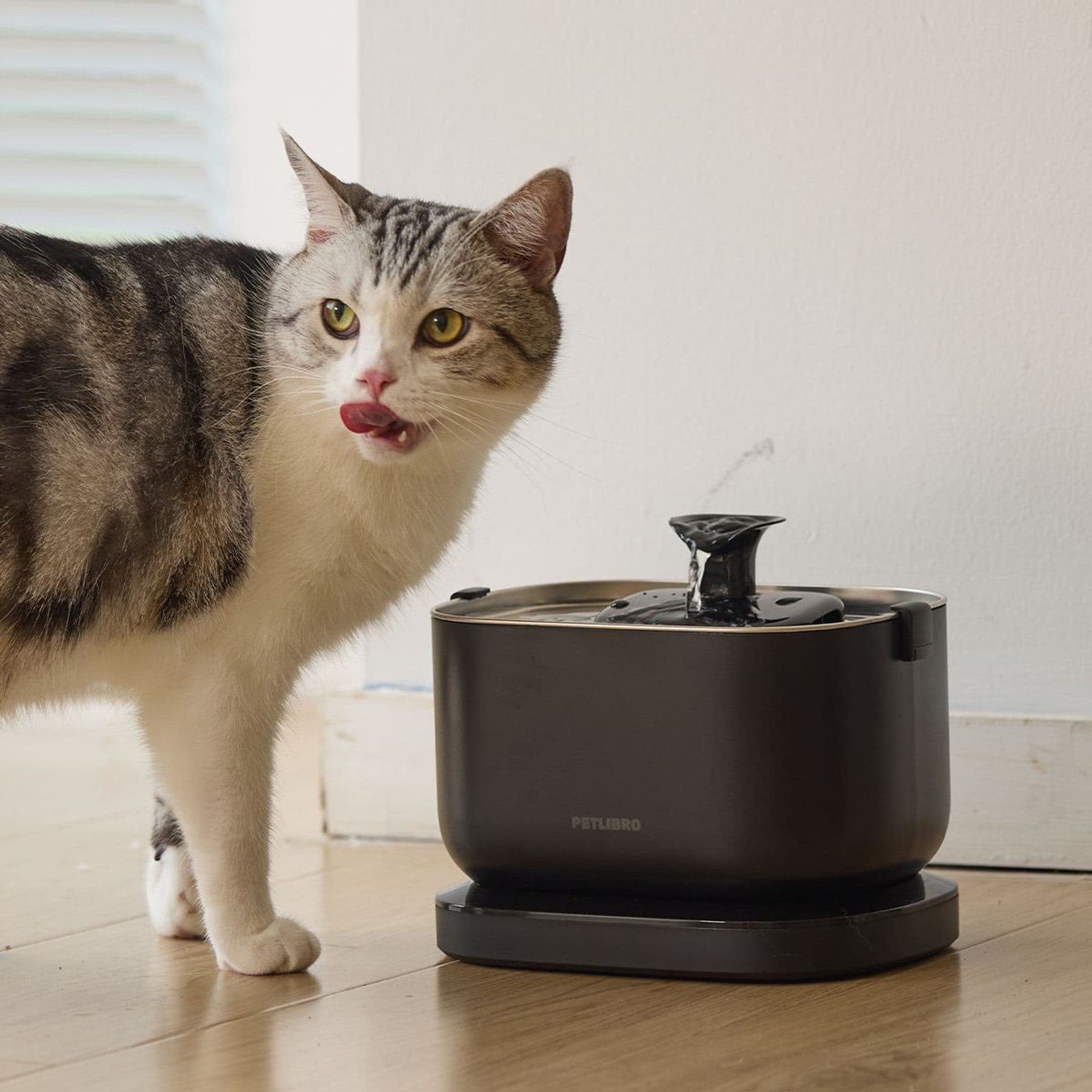
Webvet may earn a commission when you click through to Chewy, at no extra cost to you.
Below are some of the feline breeds that seem best suited for agility competitions:
Cornish Rex
The Cornish Rex, known for its wavy coat and athletic build, is a breed that loves to stay active. They are agile, enjoy high-speed games, and have a playful nature that can make training for competitions an enjoyable experience.
Siamese
Siamese cats are renowned for their intelligence, curiosity, and vocal nature. They're agile and energetic, with a strong drive to explore and play. Their curious nature can make them ideal candidates for agility training.
Bengal
Bengals, with their wild appearance and playful demeanor, are both athletic and adventurous. They love to climb, jump, and play, making them naturally inclined toward agility competitions.
Abyssinian
Known for their playful and active temperament, Abyssinians are incredibly agile and love to explore their surroundings. This makes them a perfect fit for the variety and challenge offered by agility courses.

Webvet may earn a commission when you click through to Chewy, at no extra cost to you.
Tonkinese
Tonkinese cats are known for their sociable, playful, and intelligent nature. Their affinity for interactive play and strong problem-solving skills can be highly advantageous in agility competitions.
Training Your Cat for Competitions
In the world of feline agility, effective training is key to success. The common misconception that cats are untrainable is debunked by the impressive displays of athleticism and precision seen in cat agility competitions. It all comes down to understanding your cat's unique motivations and behavior.
Unlike dogs, cats respond best to reward-based training, where treats, toys, or praise serve as motivators.
The process of training your cat for agility competitions involves several steps, which can be both rewarding and enjoyable for you and your feline friend. Here is a quick step-by-step guide on how to get started if you want to train your cat for these exciting competitions:
Understanding Your Cat's Motivations: Determine what motivates your cat. This could be a special treat, a favorite toy, or even a particular sound. Using this motivator will help guide your cat through the agility course.
Start with Basic Commands: Teach your cat basic commands like 'come,' 'sit,' and 'stay.' While cats are not as command-driven as dogs, they can still learn these instructions, which can be useful during training.
Familiarize Your Cat with the Equipment: Introduce your cat to the agility equipment gradually. Start with one piece at a time, letting your cat explore and become comfortable with it before introducing another.
Guided Practice: Use your cat's chosen motivator to guide them through each obstacle. This could involve leading them with a treat or toy. You could also point and make clicking noises while offering verbal encouragement.
Reward Success: Each time your cat successfully navigates an obstacle, reward them immediately. This helps reinforce the positive behavior and makes the training process enjoyable for your cat.
Consistent Practice: Consistency is key in cat agility training. Try to practice a little bit every day, as frequent short training sessions can be more effective than infrequent longer ones.
Patience is Key: Remember, each cat learns at their own pace. Some may take to agility training quickly, while others may take more time. Always be patient and keep the training sessions positive and fun.
How to Get Your Cat Involved
So, if you think your cat might have what it takes to hit the course, you can see that it’s possible to get started with a bit of training.
Most cat shows are slowly opening their doors to these agility competitions, so the best thing to do is search your local area for upcoming cat shows. Joining groups on Facebook and Reddit will connect you with other like-minded cat owners who can help keep you up to date with interesting events.
It’s also important to note that most competitions will require your cat to be fully updated with their vaccinations, so talk to your vet to ensure you’re all set.
Embrace the Adventure of Cat Agility Competitions
The fun of these cat competitions is not just about winning. It's about the shared enjoyment of participation, the thrill of watching your cat, and the excitement of the performance.
So, whether your cat completes the course or decides to embark on their own halfway through, it’s all about having a great time and bonding with your cat. Meeting tons of different cat owners is also an incredible bonus because making new friends and memories is why these competitions continue to grow.
Feature photo via Istock
FAQs
What age should a cat start agility training?
Cats can start agility training at any age, but it's often easier when they are young. Kittens are naturally curious and have high energy levels, which can be beneficial for agility training.
Are there any risks associated with cat agility competitions?
With appropriate training and care, cat agility competitions are generally safe. However, like any physical activity, there is always a risk of injury. To minimize risks, ensure the equipment is safe and appropriate for your cat's size, and never force your cat to perform an activity they are uncomfortable with.
Can a cat with disabilities participate in agility competitions?
Yes, cats with certain disabilities can still participate in agility competitions, provided they are physically capable and enjoy the activity. Obviously, for safety reasons, be sure the course is suited to your cat's unique abilities and limitations.

Wendy Toth is an entrepreneurial writer, editor, and mom of two humans, two dogs and one cat. She’s currently Content Director here at PetFul. For the last 15 years she has held positions at Parents Magazine, NBC, PetSmart, and GreatPetCare, where she was co-founder. Her writing has appeared in many national outlets including Pet Lab Co., Retail Me Not, Ask Men, Wild Society Nutrition, and The New York Times. Because she loves her work so much, she’s obsessed with helping others find career fulfillment, and covers it regularly at PowerSuiting.
Veterinarian · BVMS MRCVS
Dr. Pippa Elliott, BVMS, MRCVS, is a veterinarian with nearly 30 years of experience in companion animal practice. Dr. Elliott earned her Bachelor of Veterinary Medicine and Surgery from the University of Glasgow. She was also designated a Member of the Royal College of Veterinary Surgeons. Married with 2 grown-up kids, Dr. Elliott has a naughty Puggle named Poggle, 3 cats and a bearded dragon.


