Can Cats Taste Sweet? Why Sugar Doesn't Taste Sweet to Cats
Cats cannot taste sweetness because the T1R2 side of their sweet receptor is nonfunctional. Learn what cats taste instead, why they may lick desserts, and which savory rewards fit them better.

BVMS MRCVS

This article contains affiliate links. Webvet may earn a commission when you buy through them, at no extra cost to you.
Can Cats Taste Sweet?
No, cats cannot taste sweet. Their sweet taste receptor does not work, so sugar does not create the familiar sweet sensation that it creates for people or dogs. A cat that investigates cake, ice cream, or frosting is responding to something else, such as fat, protein, aroma, texture, temperature, or learned curiosity.
That answer applies whether someone asks do cats taste sweet, can cats taste sweet things, or can cats taste sweet flavors. Cats can taste food, and they make detailed feeding choices, but sweet flavor is the exception. This guide combines the receptor mechanism, a practical taste map, dessert-ingredient triage, and savory alternatives in one place.
- 1Cats cannot detect sweetness because the T1R2 side of their sweet receptor is nonfunctional.
- 2Interest in sweet stuff usually reflects fat, protein, smell, texture, temperature, or habit rather than sugar.
- 3Plain sugar is not the same hazard as chocolate, caffeine, alcohol, or another risky dessert ingredient.
- 4Complete and balanced cat food should remain the nutritional base; choose small savory rewards by aroma and texture.
The distinction matters. A cat is an obligate carnivore, but that does not mean every carbohydrate is poisonous or that sugar directly causes feline diabetes. It means feline nutritional requirements center on animal-derived nutrients. Cornell's feline feeding guide explains why a complete and balanced cat food is the right foundation. This article separates sugar perception from obesity risk rather than repeating claims about blanket carbohydrate intolerance or direct sugar harms.
Why Cats Cannot Detect Sweetness
A Nonfunctional Tas1r2 Pseudogene
In most mammals, sweetness begins when two receptor proteins, T1R2 and T1R3, pair on taste cells. The genes that provide the instructions are called Tas1r2 and Tas1r3. Cats still have a working Tas1r3, but feline Tas1r2 is a nonfunctional pseudogene. In other words, the gene is present as damaged genetic material, not cleanly missing from the genome.
The NIH-hosted primary study on the feline sweet receptor identified a 247-base-pair deletion in Tas1r2, along with changes that introduce stop signals. The damaged instructions cannot produce a normal T1R2 protein. Without a functional T1R2 partner, the T1R2-T1R3 receptor cannot send an ordinary sweet signal when sugar reaches the tongue.

Webvet may earn a commission when you click through to Chewy, at no extra cost to you.

The finding is stronger than an assumption based on diet. Researchers connected a specific genetic change to behavioral indifference toward sugar. A related comparative study of carnivorous mammals found that strict meat-eating lineages repeatedly lost sweet-receptor function, while species with broader diets were more likely to retain it. Evolution did not give cats a health shield against desserts; it changed which chemical signal reaches the brain.
What Flavor Can Cats Not Taste?
The flavor cats cannot taste is sweet. That does not leave them with a blank or weak sense of flavor. Flavor is a combined experience built from taste, smell, temperature, texture, and physical sensations in the mouth. Cats use the channels that remain to evaluate animal-based foods with remarkable selectivity.
What do cats taste instead of sweet? They respond strongly to amino-acid and umami signals associated with meat. They can also detect sour, bitter, and salty compounds, although their sensitivities and preferences do not mirror a human palate. Their powerful sense of smell adds much of what people casually call taste, especially before the first bite.
| Sensation | What it means for cats |
|---|---|
| Sweet | Not perceived normally because T1R2 is nonfunctional. |
| Umami and amino acids | Important meat-associated signals that fit a carnivorous feeding ecology. |
| Sour | Detectable; strong acidity is not automatically appealing or safe. |
| Bitter | Detectable and useful for avoiding some potentially harmful compounds. |
| Salty | Detectable, but salty human foods are not appropriate cat treats. |
| Fat | Aroma, mouthfeel, and post-eating effects can attract cats; evidence does not justify assuming a human-like fat taste. |
| Spicy | Capsaicin causes irritation through heat and pain pathways, not a special spicy taste. |
Taste Map: Sweet, Sour, Bitter, Salty, Umami, Fat, and Spicy
Can cats taste spicy food? Capsaicin activates trigeminal irritation, the nerve pathway that produces burning and heat, rather than a basic taste. Cats should not be offered spicy food. Can cats taste sour and can cats taste salt? They can detect acidic and salty compounds, but detection is not permission to serve pickles, chips, seasoned meat, or salty broth.
Can cats taste fat? Fat can make food more interesting through aroma, coating, mouthfeel, and energy after eating, but feline research does not establish a simple human-style fat taste that explains every preference. Cats can taste sweet and sour very differently: sour is available as a taste signal, while the sweet receptor is disabled. The practical lesson is to judge the whole food, not assume that any detectable sensation is desirable.
What Flavor Is Irresistible to Cats?
There is no single flavor that is irresistible to every cat. Meat-forward aroma and amino acids are usually more relevant than sugar, but individual texture preferences can be intense. One cat may prefer a smooth lickable food, another may want small crunchy pieces, and a third may respond best when wet food is served slightly warm and fresh.
The strongest feeding cues often arrive before taste. Volatile aromas reach the nose, moisture releases scent, and temperature changes how quickly those aromas travel. On the tongue, amino-acid and umami signals fit the chemistry of animal tissue. Mouthfeel then adds another vote, which helps explain why a cat can reject one complete food yet accept another with similar nutrition.
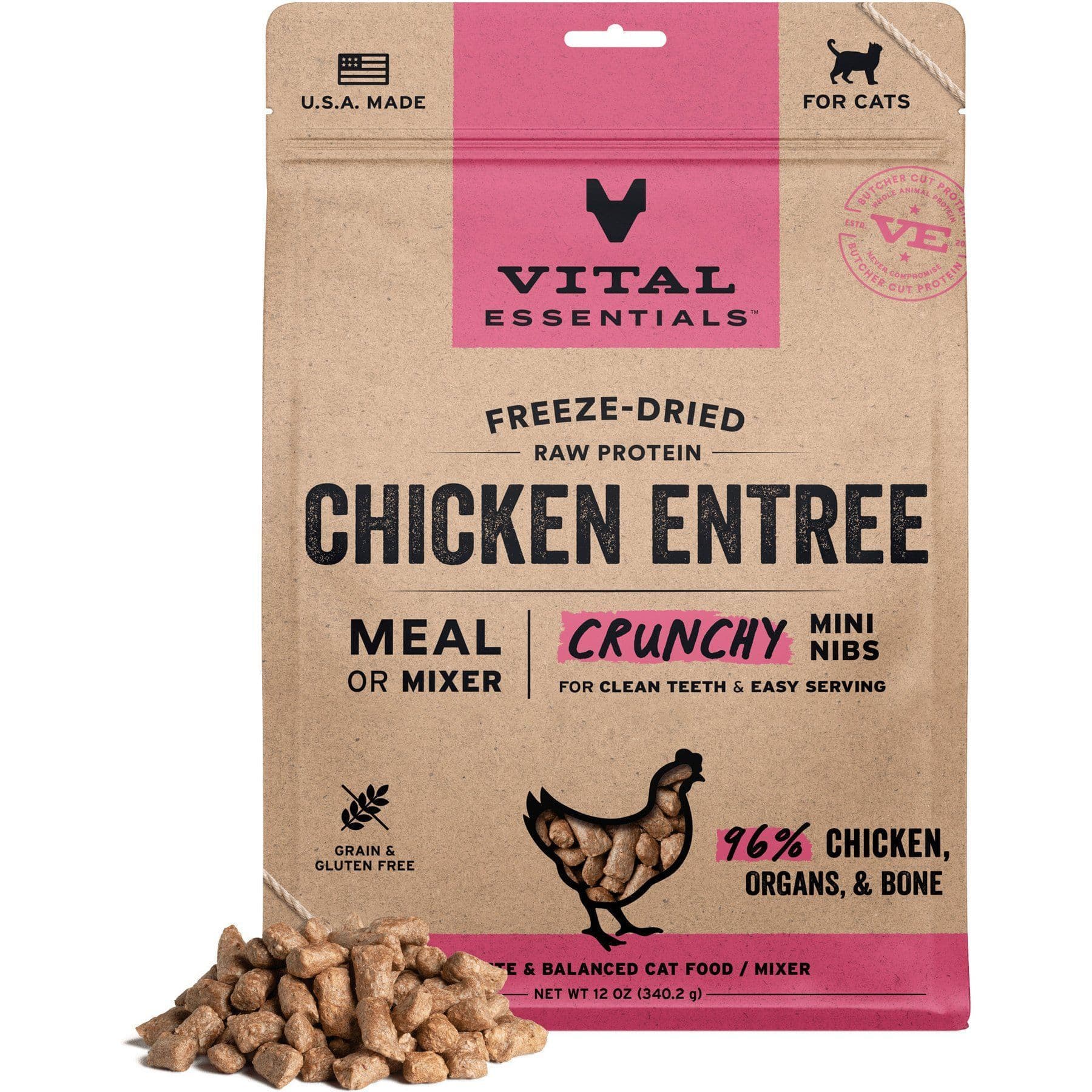
Freeze-dried raw chicken for cats with nothing else added. Cats are obligate carnivores, so a pure-meat treat fits their biology far better than fruit, veg, or table scraps.
Webvet may earn a commission when you click through to Chewy, at no extra cost to you.

For a picky cat, change one variable at a time. Offer the approved food in a clean dish, compare pate with shreds, and ask a veterinarian before making a major diet change or warming a therapeutic diet. Avoid manufacturing hunger to force acceptance. A sudden loss of appetite, weight loss, vomiting, drooling, or trouble chewing deserves veterinary attention rather than a hunt for an irresistible flavor.
- Lead with a complete and balanced food that fits the cat's life stage and medical needs.
- Use aroma and moisture to invite investigation, while following storage and food-safety directions.
- Keep extras small so treats do not displace the nutrients in the main diet.
- Respect the cat's preferred shape and texture instead of trying to make food sweeter.
Why Do Cats Lick Ice Cream or Frosting?
If cats can't taste sweet, why do they like ice cream? Ice cream contains more than sugar. Dairy fat creates aroma and a rich coating sensation, milk proteins supply animal-associated odors, and the cold, smooth texture may invite a curious lick. The same cat may ignore sugar water because it lacks those non-sugar cues.
If cats can't taste sweet, why do they like sweets such as frosting or cake? Butter, cream cheese, eggs, oils, and crumbs can be interesting by smell or texture. A cat may also repeat a behavior that once earned attention. That is learned interest, not evidence that the cat suddenly acquired a working sweet receptor.

Smell, mouthfeel, temperature, and trigeminal sensation can therefore produce food interest without sweetness. This separates taste from smell, mouthfeel, temperature, and trigeminal irritation so owners can interpret apparent dessert interest accurately. Attraction also does not establish safety. A cat can investigate a food that contains chocolate, caffeine, alcohol, or another risky ingredient.
Can Some Cats or Big Cats Taste Sweet?
House Cats, Orange Cats, and Big Cats Share the Sweet Receptor Limitation
Can some cats taste sweet? A house cat may show unusual enthusiasm for a dessert, but behavior alone is not proof of sweet perception. The receptor defect is a species-level feature of domestic cats. Differences in smell, texture preference, prior exposure, and attention-seeking are much more plausible explanations for why one pet steals frosting while another walks away.
Can orange cats taste sweet? Coat color does not repair Tas1r2, so orange, black, white, tabby, calico, and pointed house cats share the same basic limitation. Individual cats still differ in appetite and food preference, which can make the underlying biology look less consistent than it is.
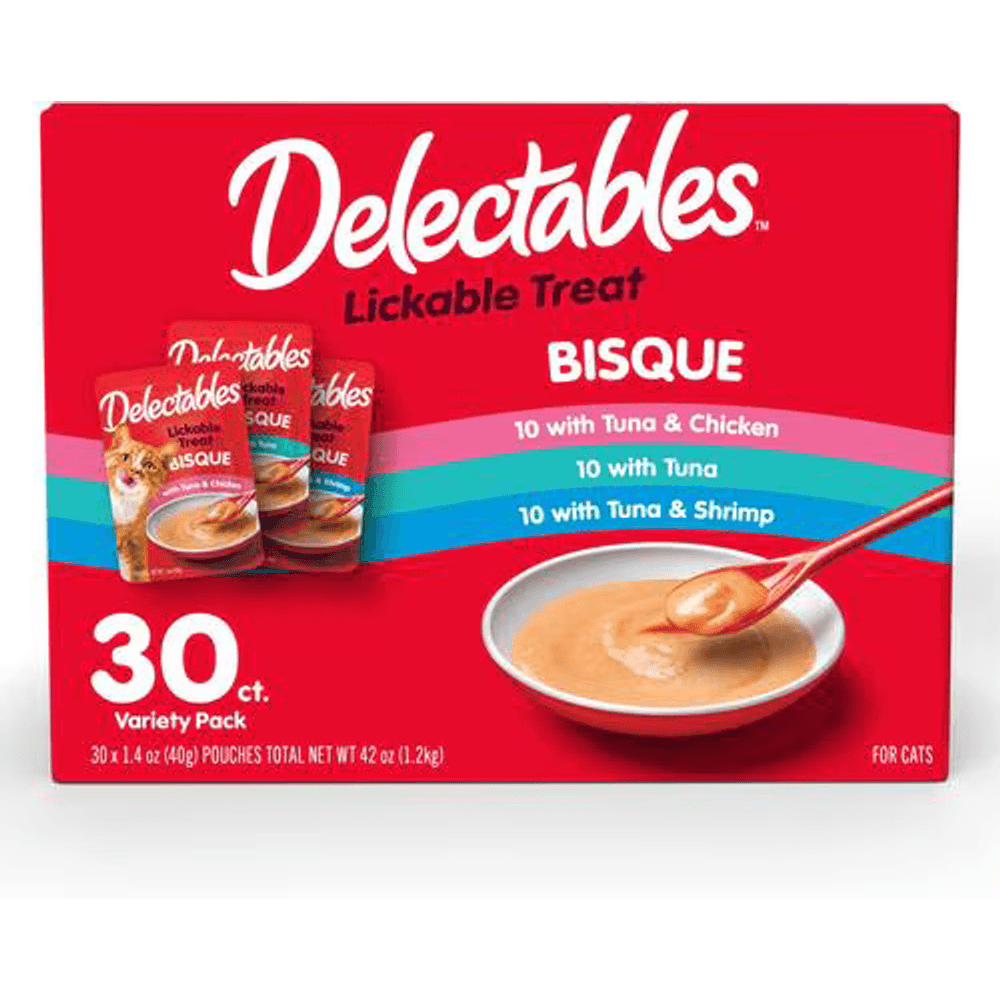
A soupy, lickable bisque treat that tempts a cat who has gone off solid food. The high-moisture, aromatic texture is easy to lap up and hard for a picky or recovering cat to resist, and it sneaks in extra hydration.
Webvet may earn a commission when you click through to Chewy, at no extra cost to you.
Can big cats taste sweet? The loss of functional sweet-receptor signaling extends broadly across the cat family in the felids studied, including big-cat lineages. The evolutionary pattern is linked to meat specialization, not domestication or a particular breed. A lion or tiger may investigate a scented object, but that does not mean sugar creates a human-like sweet flavor.
Can house cats taste sweet after repeated exposure? Training can change where a cat looks and what behavior it repeats, but it does not restore a disabled receptor protein. Repeated dessert interest should be managed as access and habit, especially because recipes vary and a later exposure may contain a more dangerous ingredient.
Why Can Dogs Taste Sweet but Cats Cannot?
Can dogs and cats taste sweet? Dogs can, while cats generally cannot. Dogs retained functional Tas1r2 and Tas1r3 genes, so the T1R2-T1R3 pair can respond to sugars. Cats accumulated disabling changes in Tas1r2 during the evolution of a highly meat-dependent feeding niche.
Why can dogs taste sweet but not cats? Their dietary histories created different evolutionary pressures. Dogs and their ancestors consumed a broader range of foods than strict felids, so a sweet receptor could still provide useful information about energy-rich plant foods. For cats, amino acids and animal-associated cues were more consistently useful than sugar.
That contrast does not make sweet food appropriate for dogs, nor does it make it harmless to cats. Taste ability and toxicology are separate questions. A dog may seek sugar because it tastes sweet, while a cat may seek the same brownie because it smells of butter. Both can still be harmed by theobromine and caffeine in chocolate.
The comparison also explains why a one-size-fits-all pet warning can mislead. Ingredient risk can differ by species, dose, and recipe. Use cat-specific evidence for a cat, save the package, and call a veterinary professional when the ingredient or amount creates uncertainty.
Are Sweet Foods Safe for Cats?
Dessert Triage: Sugar, Chocolate Methylxanthines, and Feline Xylitol Evidence
Not tasting sweetness does not make a dessert safe. The risk depends on the complete ingredient list, amount eaten, the cat's size and health, and symptoms. Plain table sugar is different from chocolate, coffee, alcohol, raw yeast dough, a high-fat dairy dessert, or a wrapper that can obstruct the gut.

| Food or ingredient | What matters | Practical response |
|---|---|---|
| Plain sugar or a tiny lick of plain frosting | Not useful nutrition; excess calories can contribute to weight gain. A small plain lick is not the same as a toxin exposure. | Check the full recipe and monitor. Ask a vet if the amount was large or the cat is unwell. |
| Ice cream or rich dairy dessert | Fat may attract the cat; dairy can cause digestive upset in some cats, and flavorings may add risk. | Do not offer it as a treat. Check for chocolate, coffee, alcohol, raisins, or sugar-free sweeteners. |
| Chocolate or cocoa | Theobromine and caffeine are methylxanthines that can cause serious toxicity. | Contact a veterinarian or animal poison service promptly with the product and estimated amount. |
| Coffee, tea, energy products | Caffeine is a methylxanthine stimulant and concentrated products can be dangerous. | Treat ingestion as urgent and call for case-specific advice. |
| Xylitol or sugar-free product | Dog toxicity is established; limited feline evidence did not reproduce the canine syndrome, but mixed products may contain other hazards. | Do not feed it. Call a vet or poison service for product-specific guidance rather than assuming safe or deadly. |
| Alcohol or raw yeast dough | Alcohol can depress the nervous system; rising dough can expand and produce ethanol. | Seek prompt veterinary guidance. |
| Wrapper, foil, string, stick | The packaging may become a foreign body even if the food ingredient is low risk. | Call a vet if material is missing or vomiting, pain, or appetite loss develops. |
Chocolate and Caffeine
Chocolate risk comes from theobromine and caffeine, not from sweetness. The Merck Veterinary Manual's chocolate toxicosis overview explains that concentration varies widely among cocoa powder, baking chocolate, dark chocolate, milk chocolate, and finished foods. Do not apply a dog-only dose table to a cat or wait for symptoms to estimate risk. A professional can calculate exposure from the actual product.
Webvet may earn a commission when you click through to Chewy, at no extra cost to you.
Xylitol: Use Cat-Specific Evidence
Xylitol deserves precise language. Severe hypoglycemia and liver injury are well documented in dogs. A small 2018 study of six cats given 100, 500, or 1,000 mg/kg did not show the dog-like glucose or liver response during the study period. Current Merck guidance likewise describes the recognized domestic-animal syndrome in dogs.
That limited feline xylitol evidence does not turn sugar-free gum, candy, medication, or baked goods into cat treats. The sample was small, products contain other ingredients, and wrappers create separate risk. Avoid the product and call for product-specific advice after a meaningful or uncertain ingestion. This evidence-graded approach avoids the common error of treating every sweet ingredient as the same risk.
Better Treats and Feeding Tools for Cats
Savory Rewards Matched to Aroma, Texture, Moisture, and Feeding Tools
A better reward matches feline biology: meat-forward aroma and texture, appropriate moisture, a manageable portion, and a format the individual cat enjoys. Treats are extras, not a substitute for complete and balanced food. Cats with allergies, urinary disease, kidney disease, diabetes, gastrointestinal problems, or a prescription diet need veterinary guidance before a new treat.
The best cat treats for picky cats are not necessarily the sweetest or richest. Start with the cat's preferred texture and a short, transparent ingredient list. For a crisp meat-forward option, Vital Essentials Raw Chicken Mini Nibs are one example of freeze dried cat treats to consider when they fit the cat's diet. Introduce any new food gradually and stop if it causes digestive upset.
For cats that prefer moisture and a smooth texture, the best lickable cat treats are those that fit the cat's health needs and stay a small extra. The Delectables Lickable Bisque variety pack offers a strongly scented format, but it should complement rather than replace a balanced meal.
- Wet-food timing: a Casfuy six-meal wet-food feeder can help present aromatic food on a schedule when used according to its cooling and cleaning instructions.
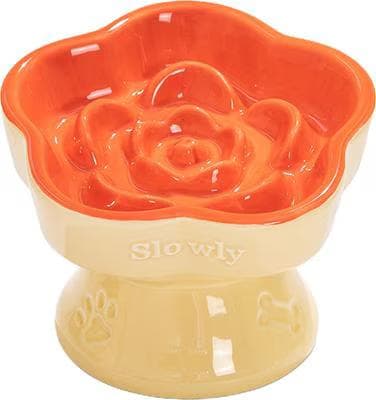
- Eating pace: a PawsPik raised ceramic cat slow feeder bowl may suit a cat that bolts food, provided the shape is comfortable and does not frustrate the cat.
- Enrichment: use cat puzzle feeders for appropriate dry food or treats, starting easy so the activity remains rewarding.
- Scheduling: read how automatic feeders for cats fit portioning, food safety, and household routines before relying on one.
A cat slow feeder bowl changes access and pace, not flavor. Likewise, a timed feeder protects freshness only when its food-safety system is used correctly. This four-factor framework, meat-forward aroma and texture, moisture, portion, and eating style, turns receptor science into a practical choice without pretending that one product is universally best.
What to Do if Your Cat Eats a Dessert
Act on the recipe, not on the word sweet. A cat's inability to taste sugar says nothing about chocolate, caffeine, alcohol, medication, a sugar-free sweetener, or packaging. Early, organized information helps a veterinarian or poison specialist decide whether home monitoring, decontamination, testing, or treatment is appropriate.
- Move the cat away from the food and prevent further access without chasing or stressing the cat.
- Save the package, recipe, wrapper, and remaining food. Photograph the ingredient list if needed.
- Estimate the cat's weight, the maximum amount missing, and the earliest and latest possible time of exposure.
- Note symptoms, but do not wait for symptoms after chocolate, concentrated caffeine, alcohol, raw dough, or an unknown product.
- Call a veterinarian, emergency clinic, or animal poison service. Do not induce vomiting or give a home remedy unless a professional directs it.
If the food contained only a tiny amount of plain sugar and no risky ingredient, a professional may recommend observation rather than emergency treatment. That decision changes with the cat's health, the portion, fat content, packaging, and symptoms. When the recipe is unknown, treat uncertainty as useful information to report, not as permission to guess.
Frequently Asked Questions
Can cats taste sugar?
No. Sugar does not activate a normal sweet sensation in cats because their Tas1r2 gene cannot produce a functional T1R2 receptor protein. They can still notice a sugary food's smell, fat, protein, texture, and temperature.
Can cats taste artificial sweeteners?
Do not use a cat's reaction as a safety test. Sweeteners differ chemically, and a finished product may also contain chocolate, caffeine, medication, alcohol, or problematic packaging. Xylitol's severe dog syndrome is not established in cats, but sugar-free products still are not cat treats.
Why does my cat want cake or frosting?
Butter, eggs, dairy, oil, aroma, crumbs, smooth texture, and learned attention can all attract a cat without sweet perception. Check the complete recipe before deciding whether a stolen lick needs veterinary advice.
Can cats taste fruit?
Cats can detect a fruit's acids, aromas, moisture, and texture, but not its sugar as sweetness. Fruit is not necessary in a feline diet, and some fruits, pits, peels, seasonings, or prepared products may be inappropriate, so ask a veterinarian before offering any.
Does a cat's lack of sweet taste prevent diabetes?
No. A disabled sweet receptor changes perception, not calorie balance or disease risk. Body weight, total diet, activity, age, genetics, and health all matter. Keep the cat on a complete diet and discuss weight or increased thirst and urination with a veterinarian.
The Bottom Line
Cats cannot taste sweetness because a nonfunctional Tas1r2 pseudogene prevents a working T1R2-T1R3 receptor from forming. They still build flavor from amino acids, umami, sour, bitter, salty cues, smell, texture, temperature, and mouth sensation. Apparent interest in ice cream or frosting therefore does not overturn the genetics.
Use that science to make better decisions. Keep desserts and wrappers inaccessible, judge an exposure by every ingredient, and offer small savory rewards that fit the cat's health and texture preferences. This cat-specific dessert decision framework is tied to primary sources. The original multi-image sequence and practical feeding framework turn a counterintuitive fact into safer everyday choices.
For primary evidence, see the original feline receptor paper and the comparative carnivore study linked above. For an individual diet, appetite change, or ingestion, a veterinarian who knows the cat's medical history remains the right source of case-specific advice.

Editor
The Webvet Editorial Team is the in-house group of pet-care editors and writers behind Webvet, operated by Smart Pet Collective. The team researches, writes, and maintains Webvet's pet health, behavior, and medication content. Every article follows a defined editorial process: research from reputable veterinary and scientific sources, careful drafting, mandatory review of medical content by a credentialed veterinarian, and dated publication. Health and medication articles are medically reviewed by a licensed veterinary professional before they go live and are kept current over time.
Veterinarian · BVMS MRCVS
Dr. Pippa Elliott, BVMS, MRCVS, is a veterinarian with nearly 30 years of experience in companion animal practice. Dr. Elliott earned her Bachelor of Veterinary Medicine and Surgery from the University of Glasgow. She was also designated a Member of the Royal College of Veterinary Surgeons. Married with 2 grown-up kids, Dr. Elliott has a naughty Puggle named Poggle, 3 cats and a bearded dragon.
Related reading

Low Calorie Dog Treats: Calories and Portion Guide

Minimally Processed Dog Food: What It Means and Why It Matters

Best Soft Dog Food for Senior Dogs: Gentle, Nutrient-Dense Options
