Cat Not Jumping Anymore? Arthritis Signs and Other Causes
A cat who stops jumping may have arthritis or another health problem. Learn what to observe, when to seek urgent care and how to support comfortable movement while your veterinarian investigates.

BVSc MRCVS
Medically reviewed by Dr. Grace Mee, BVSc MRCVS · Last reviewed

This article contains affiliate links. Webvet may earn a commission when you buy through them, at no extra cost to you.
Cat not jumping anymore? Arthritis is one possible explanation, especially when a cat becomes hesitant, takes smaller steps or avoids a familiar perch. Injury, weakness, neurological problems and changes in vision or confidence can also affect jumping. A new change deserves veterinary attention; age alone does not establish the cause.
Watch ordinary movement without asking your cat to repeat a difficult jump. Note when the change began, whether it affects getting up, coming down or both, and whether walking, eating or toileting has changed. Sudden inability to stand, paralysis, severe pain or trouble breathing requires emergency veterinary care.
- 1Reduced jumping is a symptom, not a diagnosis of arthritis.
- 2Record changes without provoking a painful movement.
- 3Home adjustments support comfort, while veterinary assessment identifies the cause.
Why is my cat not jumping as high anymore?
A cat not jumping as high anymore may be avoiding discomfort or may be unable to produce the same push, balance or landing control. A jump uses the paws, limbs, spine, muscles, vision and nervous system together. Trouble in any of those areas can change the movement. Arthritis is a common consideration, but it is not the only explanation for reduced height or hesitation.
You might notice your cat not jumping as much, no longer jumping up onto a counter or pulling herself up instead of jumping onto a bed. Some cats switch to intermediate steps. Others approach a familiar surface, pause and walk away. These compensations can be easy to miss because the cat still reaches some destinations and may not make a sound.
Offer an accessible resting alternative while arranging advice. The linked FurHaven NAP orthopedic bed is the Jumbo version; check its dimensions and entry height before selecting it for your room and cat. A flat supportive bed on a non-slip surface may reduce the need to jump, but it cannot tell you why jumping has changed.

A plush orthopedic foam mattress that cushions aging joints and pressure points, giving a stiff or trembling senior dog warm, supportive rest.
Webvet may earn a commission when you click through to Chewy, at no extra cost to you.
Notice the task, not just the destination

Start a jumping record describing one familiar, voluntary activity. Note the starting surface, the destination, any pause and what happened on landing. If your cat can't jump up on the bed anymore, record whether that is new and whether the floor, bedding or furniture recently changed. A slippery starting surface can add difficulty, but it should not be assumed to explain a persistent change by itself.
This jumping record separates takeoff, landing and starting surface changes for a useful veterinary history. Write down “used the stool, paused before the bed and landed carefully” rather than simply “lazy today.” Do not repeat the task for a clearer result. A short video of naturally occurring movement can help your veterinarian, provided recording does not delay care or make your cat perform.
| What changed? | What to record | What it does not prove |
|---|---|---|
| Lower or fewer jumps | When it started and which places are avoided | That the cause is definitely arthritis |
| Pulling up or using extra steps | Takeoff, landing and the starting surface | That reaching the destination means movement is painless |
| Sudden inability to stand or use a leg | Time of onset and other urgent signs | That this can wait for a home trial of supplements |
What are four signs your cat is suffering?
Four signs that can suggest a cat is suffering or in pain are reduced movement, altered grooming, withdrawal or irritability, and changed litter-box habits. None is a diagnosis on its own. Their importance increases when they are new, occur together or differ clearly from your cat's usual behavior. A cat does not have to cry or limp dramatically to need an assessment.
Watch for a matted coat over areas your cat previously groomed, reluctance to be touched, hiding more often or difficulty entering the litter box. Report changes in appetite, thirst and weight too. These can accompany several illnesses and help your veterinarian decide what to investigate. Our guide to subtle signs of pain in cats explains the broader observation picture.
At what age do cats struggle to jump?
There is no age at which cats should be expected to struggle to jump. Older cats are more likely to have some conditions that affect mobility, but age is a risk factor rather than an explanation. A young cat having trouble jumping also needs attention, particularly after a fall, rough activity or a sudden change in behavior.

Webvet may earn a commission when you click through to Chewy, at no extra cost to you.
A young cat not jumping anymore could have an injury, a developmental joint problem or another illness. An older cat struggling to jump may have joint pain, muscle loss or several conditions at once. Do not assume that a bony spine or a “super senior” label explains weakness. Changes in body condition and physical signs of aging should be discussed with your veterinarian, especially if weight loss is new.
Compare ability with your cat's own routine
If your older cat has always used a stool to reach the sofa, that alone does not establish a new problem. If they recently began using it, the change matters. Our senior-cat mobility guide explains how to track daily function and improve the routes between food, rest and toileting areas. Keep each observation specific enough to compare over time.
For a cat who still enjoys scratching, an accessible surface can preserve that routine without requiring a full upright stretch. The PetFusion scratcher lounge is one option to consider if your cat can approach and use it comfortably. Its curved profile will not suit every cat; a flatter surface may be easier. Let your cat choose their posture rather than placing them on the scratcher.
Sudden loss of jumping ability: when to get urgent help
A cat suddenly not jumping needs prompt veterinary triage, particularly if they cannot use a leg normally. If your cat can't jump with the back legs, is dragging the back legs, cannot stand or appears severely painful, contact an emergency clinic now. Do not assume sudden paralysis is an arthritis flare, and do not wait to see whether a supplement or bed helps.
Blood clots can cause abrupt hind-limb problems, as described in Cornell's cardiomyopathy information. Trauma and neurological disease can also cause urgent loss of function. You do not need to identify which one is responsible before seeking help. Minimize handling, call ahead and follow the clinic's instructions for moving your cat safely.
If the change is less dramatic, call your regular veterinarian and explain the onset and accompanying signs. “Suddenly hesitant to jump but walking” and “unable to stand” may need different triage, but neither should be dismissed from a description alone. Mention any fall, injury, medication exposure, appetite change or unusual breathing so the team can advise appropriately.
 $65 · no membership
Is your cat slowing down or seeming sore?
A licensed vet can examine your cat over video and prescribe treatment online when it's appropriate.
 Talk to a vet
- Licensed vets
- All 50 states
- same-day Rx
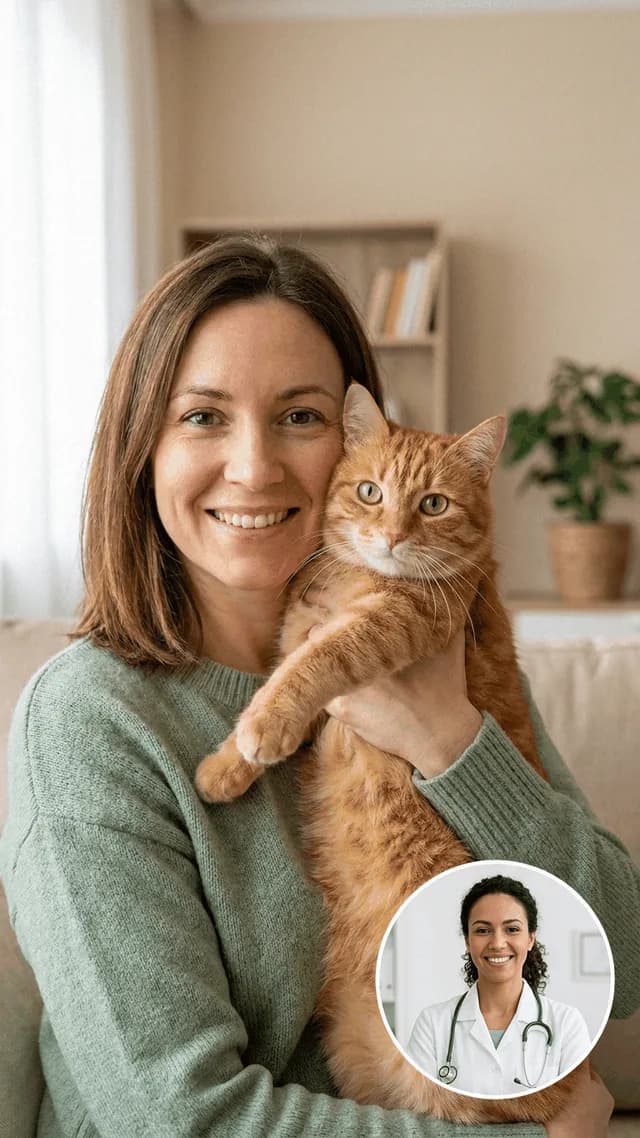
Webvet may earn a commission if you book.
Trouble jumping but acting normal: what to watch
A cat having trouble jumping but acting normal can still be uncomfortable. Cats may continue eating, purring and asking for attention while modifying one painful movement. A cat walking slowly and not jumping may be compensating in several small ways rather than showing a dramatic limp. “Otherwise normal” is useful information for your veterinarian, but it does not rule pain or illness out.
A simple Catit Play Treat Puzzle can offer gentle enrichment only if your cat can use it comfortably and their veterinarian permits normal light activity. Supervise, start with easy access and use part of the planned food allowance. Skip it if reaching causes strain or if rest has been prescribed. Essential food should always remain accessible without solving a puzzle.

Webvet may earn a commission when you click through to Chewy, at no extra cost to you.
Look for changes before and after the attempted movement: hesitation, extra preparation, an unusual landing, a different route or abandoning a destination. If your cat misjudges distance, tell your vet whether you also notice bumping into things, uncertainty in dim light or changes in balance. Vision and neurological concerns need an examination; do not diagnose them from a single missed jump.
- Record the first date you noticed the change and whether it is worsening.
- Note whether your cat avoids jumping up, jumping down or both.
- Describe walking, grooming, appetite and litter use in ordinary terms.
- Bring a medication and supplement list, including products bought without a prescription.
- Share an existing short video if it captures the change without a forced performance.
Avoid making several changes at once before the appointment unless needed for immediate comfort and safety. For example, making food accessible is sensible, but starting several supplements at the same time can make it harder to understand the response or side effects. Keep your jumping record short enough to maintain and share it with the veterinary team rather than trying to grade pain yourself.
How vets investigate arthritis and other causes
Your veterinarian will connect your observations with a physical examination. They may assess gait, joints, muscles, paws, spine and neurological function, along with general health. Depending on the findings, they may recommend imaging, blood tests or other investigations. The purpose is to identify likely causes and safe treatment choices, not simply to confirm arthritis because the article title mentions it.
Cat osteoarthritis involves degenerative changes in joints and can be associated with pain and reduced function. Symptoms may include changed jumping, stiffness and altered activity, but those overlap with other conditions. Signs of arthritis in a cat's back legs cannot be confirmed by watching a jump alone. Pain in another location, weakness or a nerve problem can change how the hind limbs are used.
Why X-rays are only part of the answer
Several problems can produce a similar outward change. A paw injury can make pushing off uncomfortable. A painful joint or back can affect takeoff or landing. Reduced strength can make the same height harder to reach, while impaired balance or vision can change confidence and accuracy. The pattern helps direct an examination, but it does not give an owner a reliable way to identify the diagnosis without one.
An examination may uncover more than one contributor. For example, a cat with joint disease can also have an unrelated illness that affects weight or muscle condition. Tell your veterinarian about all the changes you have noticed, even if they do not seem connected to jumping. A narrow focus on arthritis can overlook useful clues such as increased thirst, appetite changes or a different walking posture.

The #1 vet-recommended joint supplement brand. Glucosamine and chondroitin sprinkle capsules support cartilage and comfortable mobility in stiff or senior cats.
Webvet may earn a commission when you click through to Chewy, at no extra cost to you.
The Feline Veterinary Medical Association chronic-pain toolkit explains that radiographic changes and clinical pain do not correspond closely. X-rays can reveal useful structural information, but they are not a pain score. Your veterinarian interprets them with the history, examination and functional changes, and may reassess response to an appropriate treatment plan.
If a supplement is part of that discussion, Cosequin for Cats is a feline product to ask your veterinarian about. Evidence for supplements is limited and specific to the ingredient and product studied. Do not expect it to restore jumping by itself, use it instead of prescribed treatment or start it before discussing your cat's other illnesses and medications.
Help your cat move comfortably while awaiting advice
Reduce the need for difficult movement without making your cat practice it. Put essential resources within comfortable reach, provide secure footing and offer a resting place that does not require a jump. Keep your cat indoors and follow any veterinary advice about restricting activity after an injury. A comfortable setup supports the cat while the diagnosis and treatment are worked out.
Stable low steps or a securely fixed gentle ramp may help a cat with appropriate balance and strength, but some cats need floor-level access instead. Do not build an unstable stack of boxes or lure the cat onto a difficult height with food. Watch whether the whole route works, including getting down, turning and crossing the floor afterward.

Keep familiar activities within easy reach
Place an accessible litter box on the level your cat uses, secure slippery runners and give them a quiet feeding space away from other pets. Keep familiar resting choices available where possible. If they avoid an adaptation, do not assume stubbornness: its slope, texture, location or entry height may be uncomfortable, or the underlying problem may need further treatment.
What an arthritis treatment plan can include
Cat osteoarthritis treatment is individualized. Your veterinarian may discuss prescription pain management, body-weight and muscle assessment, environmental adaptations and suitable activity or rehabilitation. A cat osteoarthritis injection is one possible topic to ask about, not a universal solution. Suitability depends on the diagnosis, health history, available medicines and the expected benefits and risks for that cat.
Ask what the treatment is intended to improve and when you should report back. Useful goals may include easier litter-box entry, more comfortable walking or returning to a favorite accessible resting place. Jumping onto the highest furniture should not be the only measure of success. Our guide to arthritis relief for cats covers the wider management conversation.

Bring the jumping record to follow-up and describe both progress and new concerns. Report side effects or deterioration promptly instead of changing a prescribed dose yourself. Improvement in one activity does not prove that all pain has resolved, while incomplete improvement may mean the plan or diagnosis needs reassessment. Long-term care often involves adjustment rather than a single purchase or a promise of a cure.
More questions about a cat who stops jumping
Questions to ask before starting treatment
Ask your veterinarian to explain the working diagnosis and whether other causes remain possible. Find out what each recommended test contributes and whether its result would change the plan. If a test is deferred, ask what signs should prompt reassessment. This creates a clearer decision than assuming every cat needs exactly the same set of investigations or that an X-ray alone settles the question.
Discuss how treatment will be monitored. Ask which side effects require a call, whether other medicines or supplements should be avoided and what to do if a dose is missed. Request clear instructions for the individual product prescribed. Do not infer dosing or safety from another owner's experience, even when their cat has the same diagnosis or seems to be a similar size.
- What ordinary activities should become easier if the plan is helping?
- What activity should my cat avoid while we investigate or treat the problem?
- When should I report progress, and which changes need an earlier call?
- Could another health condition affect the treatment choice?
- Which home adaptations are most useful for my cat's current abilities?
Use progress notes without turning them into a test
Choose two or three everyday activities to describe consistently. These might be walking to a meal, getting into a low-entry litter box and settling in a favorite accessible bed. Record what your cat does voluntarily rather than offering treats to encourage a difficult jump. The aim is to observe comfort and function, not to challenge the cat to prove recovery.
A short note can be specific: “walked to the bowl without pausing, used the step to reach the sofa, did not attempt the window perch.” Avoid translating that into a pain score unless your veterinarian has given you a particular validated tool and explained its use. Share the observations and let the veterinary team interpret them with the examination and treatment history.
Reassess when the pattern changes
Call for advice if your cat's mobility worsens, a new leg becomes affected or appetite and normal routines change. An existing arthritis diagnosis does not rule out a new injury or another illness. Sudden severe signs still require urgent care, even in a cat already receiving long-term pain management. Keep the clinic's daytime and emergency contact details easy to find.
If progress is partial, describe which tasks improved and which remain difficult. Your veterinarian may adjust the plan, recommend further assessment or help choose a better environmental setup. Comfortable daily life is the central goal. A cat who chooses an accessible bed and moves freely between essential resources may be doing better even if they never return to a very high perch.
Reduced jumping FAQs
Frequently Asked Questions
Should I give my cat human painkillers?
Do not give your cat human painkillers. Human medicines can be dangerous or fatal to cats, and a medicine used safely in another animal may also be inappropriate. Contact your veterinarian for a cat-specific plan. If your cat has already received a human medicine, seek urgent veterinary or animal poison-control advice and have the product and amount available.
Can a cat with arthritis ever jump again?
A cat with arthritis may jump again or regain other comfortable activity with an appropriate treatment and home-care plan, but the outcome depends on their condition and other health problems. Do not force a jump to test improvement. Track ordinary voluntary activities and discuss realistic comfort and function goals with your veterinarian rather than expecting a guaranteed return to high perches.
$65 · no membershipIs your cat slowing down or seeming sore?
A licensed vet can examine your cat over video and prescribe treatment online when it's appropriate.
Talk to a vet- Licensed vets
- All 50 states
- same-day Rx
Webvet may earn a commission if you book.

Veterinarian · BVSc MRCVS
Grace graduated from the University of Liverpool in 2022. She works as a small animal vet in London and has published research in the Veterinary Record. She enjoys consulting and operating on dogs, cats, and exotic pets. Beyond clinical practice, she applies her expertise as a veterinary writer and mentors aspiring veterinary students.


