Dog Urine Marking: How to Tell It From Peeing and Stop It
Dog urine marking often leaves small amounts on meaningful targets, but urinary disease can look similar. Learn warning signs, cleanup, trigger control, and reward-based retraining.


BVMS MRCVS

This article contains affiliate links. Webvet may earn a commission when you buy through them, at no extra cost to you.
Dog urine marking usually means leaving small amounts of urine on socially meaningful objects or locations, often a vertical surface. It is different from emptying a full bladder, but posture and location alone cannot prove the cause. A urinary tract infection, incontinence, pain, increased urine production, or a urinary obstruction may look like a behavior problem.
Start with the marking versus medical decision. After medical causes are addressed, the reward-based retraining plan removes odor, records triggers, supervises, rewards outdoor elimination, and restores freedom gradually. It also corrects the vinegar and odor-deterrent myth. Do not punish the dog or rely on a spray, diaper, or scent as the full solution.
Search phrases such as "urine marking dog" and "dog marking urine" describe the same behavior question, but neither phrase identifies the cause. The pattern still needs a health-first assessment.
Is It Marking, House-Soiling, or a Medical Problem?
Marking often involves a small volume directed at an object, boundary, new item, vertical surface, or location carrying another animal's scent. A housetraining lapse may involve a larger puddle from a full bladder on a horizontal surface. Incontinence may cause leakage where a dog rests or moves. A medical problem can cause frequent attempts, urgency, pain, blood, increased thirst, or an abrupt change in a previously reliable dog.
These are clues, not diagnoses. Females also mark, marking can occur horizontally, and urinary disease can occur with a lifted leg. When in doubt, protect health first.
- 1Urine marking often leaves small amounts on a meaningful target, but the pattern cannot rule out a medical problem.
- 2Sudden change, pain, blood, repeated attempts, unusual thirst, leakage, or inability to urinate needs veterinary attention.
- 3After medical evaluation, use enzymatic cleaning, trigger management, supervision, and rewards for the desired location.
- 4Do not punish marking or describe diapers, pads, covers, or supplements as treatment.
The marking-versus-medical table below organizes observations an owner can report. The evidence-bearing guidance remains in the surrounding text because no table can diagnose a urinary condition.
| Marking versus medical clue | Urine marking | Housetraining lapse or full bladder | Possible medical problem, including urinary obstruction |
|---|---|---|---|
| Amount | Often small amounts | Often a larger puddle | Small or large; may change from normal |
| Surface or target | Often a vertical surface or meaningful object | Often a horizontal floor area | Any location, including repeated urgent spots |
| Posture | May lift a leg or back toward a target | Typical squat or usual elimination posture | Any posture; may strain or repeatedly reposition |
| Frequency | Linked to triggers or specific locations | Linked to missed trips or an incomplete routine | May become frequent, urgent, or suddenly different |
| Pain or effort | Usually absent | Usually absent | Straining, crying, licking, restlessness, or repeated attempts |
| Other signs | Trigger or scent context | Full bladder, schedule gap, or access problem | Blood, thirst, leakage, weakness, vomiting, or inability to pass urine |
Marking or Peeing: How to Tell
To tell if a dog is marking or peeing, compare amount, target, timing, and context rather than relying on posture alone. Small drops on a new chair leg or another meaningful vertical surface support marking, while a large puddle after a missed walk supports emptying a full bladder. Sleep leakage can suggest incontinence, while repeated painful attempts, blood, or a sudden change can signal disease. These clues guide the next step but do not diagnose the cause.
Useful tell marking guidance never relies on one clue. The practical next step is to record the spot, amount, posture, recent changes, pain, thirst, medication, and prior housetraining for the veterinarian.
When Urinary Signs Are an Emergency
A dog who repeatedly tries but cannot pass urine may have a urinary obstruction. This urinary obstruction emergency is not a training issue. Pain, vomiting, weakness, collapse, or repeated drops increases concern.
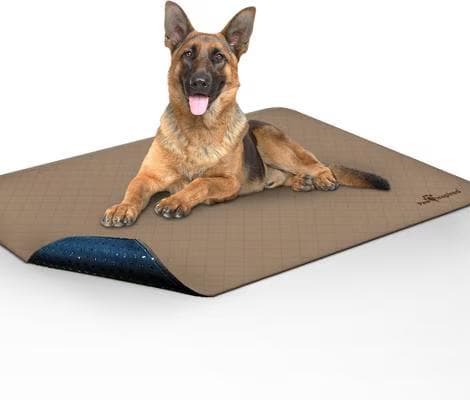
Webvet may earn a commission when you click through to Chewy, at no extra cost to you.
Read about dog UTI symptoms, UTI in dogs, dog peeing blood, and a dog drinking and peeing a lot for focused warning signs. These guides do not replace veterinary care.
Why Dogs Urine Mark
Urine marking communicates scent. Common targets include another animal's odor, a new object, belongings, an entryway, or a boundary near outside animals. Moves, schedule changes, new family members, pets, conflict, or stress can raise the likelihood.
Sexual maturity and intact status can contribute, but neutered males and females also mark. Neutering may reduce sexually influenced marking without curing learned, stress-linked, or medical urination.
Male dog urine marking may be the pattern owners notice most readily, but female dog urine marking also occurs. Dog urine marking in house settings can reflect scent, stress, access, learning history, or disease, so sex alone does not explain the cause.
- Track context, not dominance: Look for context instead of labeling the behavior "dominance." A trigger log should record:
- Date and time
- Exact location and target
- Approximate amount
- Posture
- People and animals present
- Event immediately before marking
- Outdoor access and recent elimination
- Signs of pain, urgency, thirst, fear, or conflict
Watch dog body language around triggers. Freezing, avoidance, vigilance, or inability to disengage may identify fear or social tension for the veterinary or behavior assessment.
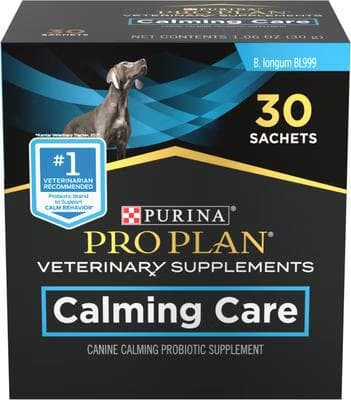
Probiotic supplement formulated to help dogs maintain calm behavior, with the BL999 strain. Liver-flavored powder in 30 daily sachets.
Webvet may earn a commission when you click through to Chewy, at no extra cost to you.
When Female Dogs Start Marking
Females may begin marking around sexual maturity, but no single age applies. Timing varies with size, breed, reproductive status, environment, and individual development.
Responsible female dogs guidance avoids blaming hormones. The practical next step is to document the pattern and seek veterinary assessment for sudden change, discomfort, frequent attempts, blood, thirst, or leakage.
How to Stop Dog Urine Marking
Dog urine marking treatment is a sequence, not one product. The stepwise indoor retraining plan starts by evaluating new or unclear urinary changes, then removing odor, managing the environment, teaching the desired location, and using counterconditioning for predictable stress triggers. Each step solves a different part of the problem, so a cleaner, reward, gate, or calming aid should not be presented as a complete treatment by itself.
The answer to how to stop a dog from urine marking, or how to stop dog urine marking more generally, is the same health-first sequence below.
Follow this stepwise indoor retraining plan:
- Rule out medical causes. Share the trigger log and urinary pattern with the veterinarian.
- Use pet-safe enzymatic cleaning. Treat every known spot according to the label.
- Control access. Block repeatedly marked targets while retraining.
- Supervise closely. Use a comfortable managed area when direct supervision is impossible.
- Offer frequent outdoor opportunities. Go out after waking, meals, play, and known trigger events.
- Cue and reward. Reward immediately after elimination in the chosen place.
- Build gradual freedom. Restore one room or situation at a time.
Good stop urine guidance uses calm interruption, not punishment. Call the dog away, go outside, and reward appropriate elimination. The practical next step after a failure is tighter management and an easier success.
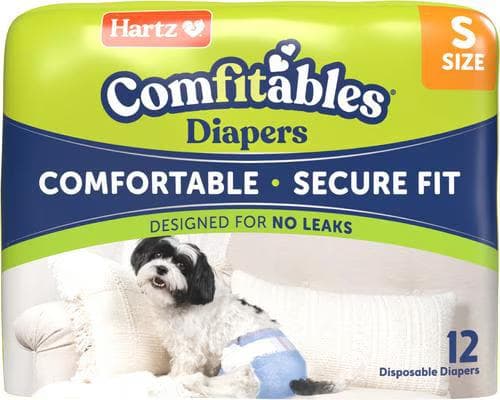
Webvet may earn a commission when you click through to Chewy, at no extra cost to you.
For outdoor reinforcement, small training treats are optional. Use tiny portions and respect calorie, diet, and allergy needs.
Around a safe trigger, a higher-value freeze-dried salmon reward may reinforce checking in. Confirm availability and dietary fit. Rewards do not replace medical care or management.
Clean Marked Areas and Remove Odor Cues
Dog marking smells like urine because it is urine. Removing moisture is not enough when odor remains in an absorbent material. Use a pet-safe enzymatic cleaner labeled for the surface and follow directions for testing, contact time, drying, and repeat treatment. The enzymatic cleaner must reach the urine residue, so upholstery, carpet padding, grout, or another porous layer may need a surface-specific method rather than a quick wipe.
Blot instead of scrubbing, keep the dog away as directed, and never mix cleaning chemicals. Urine in padding or another hidden layer may require deeper treatment.
- Pair cleanup with retraining: Pair enzymatic cleaning with access control, a trigger log, outdoor rewards, and gradual freedom. The odor deterrent myth is that an unpleasant smell identifies the cause or teaches the correct place. It does neither.
If you are asking how to remove dog urine marking or how to get rid of dog urine marking, cleanup is only one part of the answer. Odor removal must be paired with medical assessment when indicated, trigger control, and retraining.
Use a cleanup checklist for every known spot:
- Record the location before cleaning so repeat sites are not missed.
- Blot fresh moisture and test the product on an inconspicuous area.
- Apply only as the label directs, keep pets away, and allow full drying.
- Repeat treatment only when the label calls for it.
- Wash reusable covers promptly and follow their care instructions.
- Block access or move the target while the dog practices the new routine.
More product is not automatically safer or more effective. If a porous or delicate surface cannot be treated safely, ask its manufacturer or a qualified cleaner. If the dog returns after cleanup, revisit medical risk, triggers, supervision, and reinforcement instead of adding a stronger scent.
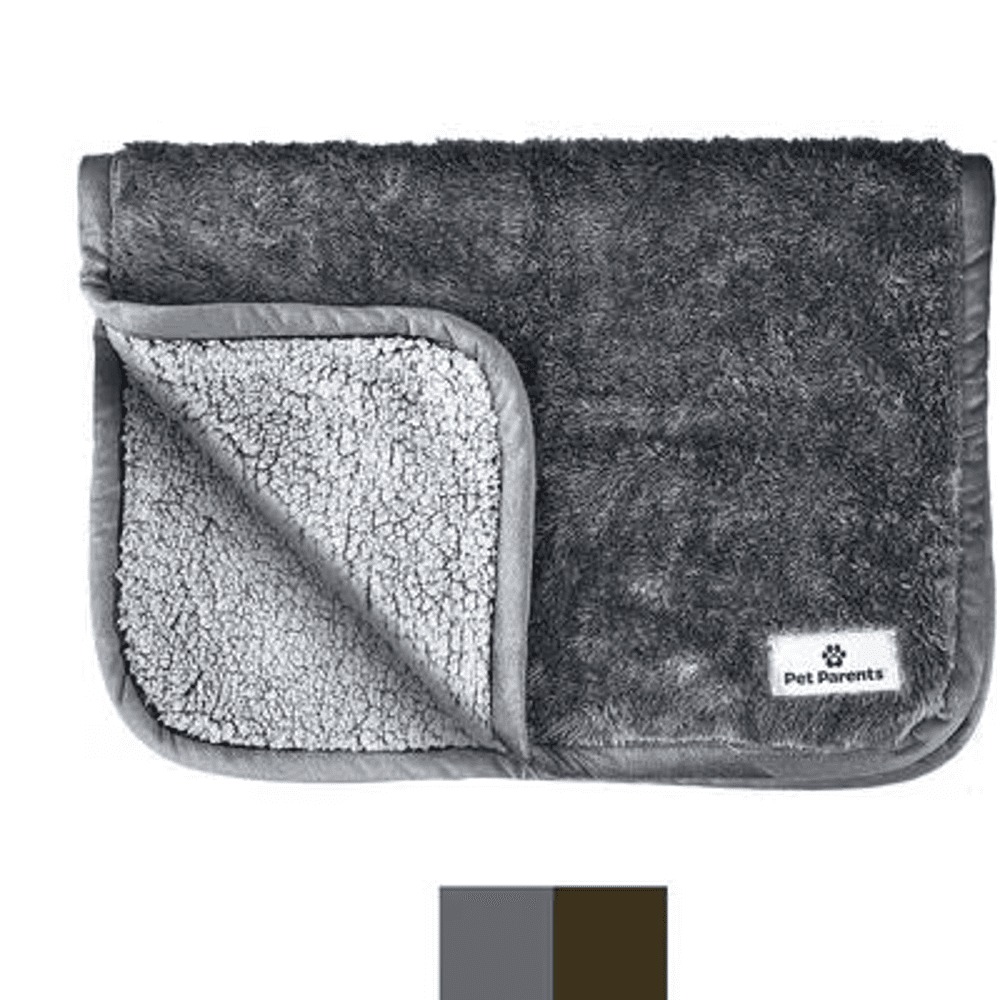
A plush, waterproof sherpa blanket that gives a cold or shivering dog a warm, cozy layer to curl into. The hidden waterproof lining protects the bed, couch, or car seat, and the whole thing is machine washable.
Webvet may earn a commission when you click through to Chewy, at no extra cost to you.
Why Vinegar Does Not Stop Marking
Vinegar may alter odor, but it does not diagnose urinary disease, resolve a trigger, or teach outdoor elimination. It may also damage some surfaces.
Safe vinegar stop guidance uses veterinary assessment, label-directed enzymatic cleaning, access control, and reward-based training. The practical next step is never an aversive spray on or near the dog.
Why Deterrent Smells Do Not Stop Marking
No smell reliably stops every dog from marking. Strong scents can irritate, create safety concerns, or move the behavior without addressing disease, anxiety, or a learned preference.
Good smell stops guidance avoids a scent cure. The practical next step is safe cleanup, access control, trigger change, and rewards. Use counterconditioning below the dog's fear threshold.
Use Pads, Diapers, and Covers as Temporary Management
Pads, dog diapers, a properly fitted belly band, and waterproof covers may protect a surface while evaluation and retraining continue. Diapers are management not treatment. These products do not remove odor, teach an outdoor habit, resolve a trigger, or make a medical problem safe to ignore. Use them only for temporary protection while veterinary assessment, cleanup, trigger management, supervision, and reward-based retraining address the underlying pattern. For temporary management, start with the complete dog diaper guide, compare reusable and disposable diaper systems, and troubleshoot slipping before adding dog diaper suspenders.
A washable pad can protect a larger floor area, while a waterproof cover may protect a repeatedly targeted piece of furniture. Neither should become a reason to allow repeated marking practice.
When Stress, Neutering, or Medication May Matter
For a social or environmental trigger, reduce exposure and use counterconditioning below the fear threshold. Stop if body language shows escalating tension.
Neutering may reduce sexually influenced marking without guaranteeing a cure. Medication or a calming supplement requires veterinary guidance and does not treat obstruction, infection, pain, or conflict.
Confirm the supplement is active at staging. Present it only as a possible adjunct after veterinary and behavior care.
UTI or Marking: When to Call a Vet
To tell if your dog has a UTI or is just marking, do not use posture or location as a diagnosis. A urinary tract infection and other problems may cause urgency, straining, pain, licking, accidents, blood, increased thirst, or repeated attempts. Marking may occur at a meaningful target, but that context cannot safely exclude disease. Veterinary assessment and interpreted testing determine the cause.
Never assume it is "just marking." The practical next step is veterinary care for sudden change, repeated attempts, pain, blood, thirst, leakage, or lost housetraining. Do not rely on a home strip to delay care.
Frequently Asked Questions
How do I get my dog to stop urine marking?
To stop urine marking, first rule out a urinary medical problem, then clean every spot with a pet-safe enzymatic product, log triggers, limit access, supervise, provide frequent outdoor trips, and reward the correct location immediately. The most useful stop urine guidance is sequential. The practical next step is to make the next success easy and restore gradual freedom only after the dog develops a reliable pattern.
How do you tell if a dog is marking or peeing?
To tell if a dog is marking or peeing, compare amount, target, timing, and context. Marking often leaves small amounts on a meaningful object or vertical surface, while emptying a full bladder often creates a larger puddle. Those patterns overlap, so they cannot diagnose the cause. Safe tell marking guidance also checks medical signs. The practical next step is to record the pattern and contact a veterinarian when needed.
At what age do female dogs start marking?
Female dogs may begin marking around sexual maturity, but there is no universal age. Size, breed, reproductive status, environment, other animals, and individual development can affect timing. Responsible female dogs guidance avoids treating age as a diagnosis. The practical next step is to document the pattern and arrange veterinary assessment for sudden change, pain, frequent attempts, blood, thirst, or leakage.
Does vinegar stop a dog from marking?
Vinegar is not a reliable way to stop urine marking. It may alter odor, but it does not remove every cue, identify the trigger, treat urinary disease, or teach the desired location. Sound vinegar stop guidance emphasizes surface safety and behavior change. The practical next step is label-directed enzymatic cleaning, access control, veterinary care when indicated, and reward-based retraining without aversive spraying.
What smell stops dogs from marking?
No single smell reliably stops every dog from marking. Strong fragrances, essential oils, citrus products, and other deterrents may irritate, create safety concerns, or shift marking to another location. Good smell stops guidance does not promise a scent cure. The practical next step is to remove urine odor safely, manage the trigger, supervise, and reward appropriate outdoor elimination.
How to tell if your dog has a UTI or is just marking?
To tell whether a dog has a UTI or is just marking, do not rely on posture or location alone. A urinary tract infection and other medical problems may cause urgency, frequent attempts, straining, pain, blood, licking, accidents, or increased thirst. The safest tell just guidance is never to assume it is "just marking." The practical next step is veterinary assessment and interpreted testing when the pattern is concerning.

Wendy Toth is an entrepreneurial writer, editor, and mom of two humans, two dogs and one cat. She’s currently Content Director here at PetFul. For the last 15 years she has held positions at Parents Magazine, NBC, PetSmart, and GreatPetCare, where she was co-founder. Her writing has appeared in many national outlets including Pet Lab Co., Retail Me Not, Ask Men, Wild Society Nutrition, and The New York Times. Because she loves her work so much, she’s obsessed with helping others find career fulfillment, and covers it regularly at PowerSuiting.
Veterinarian · BVMS MRCVS
Dr. Pippa Elliott, BVMS, MRCVS, is a veterinarian with nearly 30 years of experience in companion animal practice. Dr. Elliott earned her Bachelor of Veterinary Medicine and Surgery from the University of Glasgow. She was also designated a Member of the Royal College of Veterinary Surgeons. Married with 2 grown-up kids, Dr. Elliott has a naughty Puggle named Poggle, 3 cats and a bearded dragon.


