Cat symptom
Urinating in the house in cats
Reviewed by the Webvet Veterinarian Team · Last reviewed June 22, 2026
A housetrained pet (or a cat avoiding the litter box) suddenly having accidents is often medical — a urinary infection, bladder problem, or something making it painful or urgent to go — not just 'bad behavior.'
Common causes of urinating in the house in cats
- Urinary tract infection or bladder inflammation (cystitis/FLUTD)
- Bladder stones or crystals
- Increased thirst from kidney disease or diabetes
- Stress, or in cats, litter box aversion
Who's most at risk
- Cats (stress cystitis, FLUTD)
- Senior pets
- Overweight or low-water-intake pets
- Multi-cat homes (litter box competition)
What you can do at home
- Note frequency, amount, and any straining or blood
- Keep litter boxes clean and plentiful (one per cat, plus one)
- Don't punish accidents — it adds stress and hides the real cause
When to see a vet
- Straining, blood in urine, or frequent tiny amounts (can be an emergency — see 'straining to urinate')
- Drinking a lot more than usual
- Pain, lethargy, or accidents alongside other signs
- A sudden change in a reliably trained pet
When it's more serious
- That suggests a urinary problem (a straining male cat is an emergency) — see a vet today.
- Accidents plus increased thirst can signal kidney disease or diabetes — get bloodwork.
- A sudden change usually has a medical cause — a urine test is the place to start.
What your vet may do
- Urinalysis and possibly a urine culture
- Bloodwork to check kidneys and blood sugar
- Imaging for stones or bladder problems
- Treat infection or inflammation; address stress for cats
Questions to ask your vet
- Is there an infection or stones?
- Could this be increased thirst from a disease?
- Is it medical or behavioral — and how do we tell?
- What litter box setup helps my cat?

Frequently asked questions
What causes urinating in the house in cats?
A housetrained pet (or a cat avoiding the litter box) suddenly having accidents is often medical — a urinary infection, bladder problem, or something making it painful or urgent to go — not just 'bad behavior.' Common causes include: Urinary tract infection or bladder inflammation (cystitis/FLUTD); Bladder stones or crystals; Increased thirst from kidney disease or diabetes; Stress, or in cats, litter box aversion.
Is urinating in the house in cats an emergency?
Book a veterinary visit soon. See a vet right away if: Straining, blood in urine, or frequent tiny amounts (can be an emergency — see 'straining to urinate'); Drinking a lot more than usual; Pain, lethargy, or accidents alongside other signs; A sudden change in a reliably trained pet.
What can I do at home for a cat with urinating in the house?
Note frequency, amount, and any straining or blood. Keep litter boxes clean and plentiful (one per cat, plus one). Don't punish accidents — it adds stress and hides the real cause.
A closer look at urinating in the house in cats
When a litter-trained cat starts peeing on the floor, the bed, or the laundry, the first assumption is often that they are being spiteful or lazy. In reality, veterinarians treat sudden house-soiling as a medical question until proven otherwise. A cat that eliminates outside the box is very frequently telling you that something hurts, feels urgent, or has changed inside their body. The single most useful thing you can do is resist the urge to correct the cat and instead book a urine test, because the cause is usually physical and the fix is usually straightforward once you know what you are dealing with.
- 1Peeing outside the box in cats is far more often medical than behavioral, so a vet visit comes before any behavior fix.
- 2A male cat straining, crying, or passing only drops can be blocked, which is a life-threatening emergency that needs care within hours.
- 3Common medical causes include feline idiopathic cystitis, bladder crystals or stones, and increased thirst from kidney disease or diabetes.
- 4Punishing accidents makes stress-related soiling worse and hides the real problem from you and your vet.
- 5The general litter box rule is one box per cat plus one extra, kept clean, in quiet and separate locations.
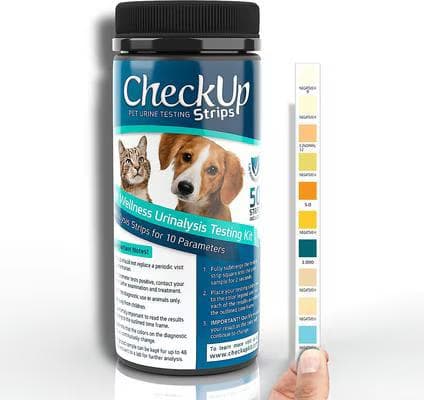
Home strips screen for glucose, blood, and pH so you arrive at the vet with data instead of a guess.
Webvet may earn a commission when you click through to Chewy, at no extra cost to you.
Why it is usually medical, not misbehavior
Cats are creatures of deep habit, and using a litter box is one of the most reliable habits they have. When that habit breaks down suddenly, it almost always reflects a change the cat cannot ignore rather than a decision the cat has made. Two broad forces drive house-soiling: a physical problem that makes urinating painful, frequent, or hard to control, and an emotional or environmental problem that makes the box itself feel unsafe. These forces also feed each other. If urinating hurts, a cat quickly associates the box with pain and starts avoiding it, so by the time you notice the accidents the original medical trigger and a learned box aversion may both be in play. That overlap is exactly why guessing rarely works, why a urine sample is the honest starting point, and why vets treat the body first and the behavior second.

What is actually happening in your cat's bladder
The most common medical driver in cats is feline idiopathic cystitis, part of the group of conditions vets call feline lower urinary tract disease, or FLUTD. In cystitis the bladder wall becomes inflamed and painful even when no infection is present. The cat feels a constant urge to go, produces small amounts often, and may cry or strain. Idiopathic means no single obvious cause, but stress is a powerful trigger, which is why this condition sits right at the intersection of the medical and the behavioral.
Crystals and stones are the next piece. Minerals in the urine can clump into gritty crystals or solid bladder stones that scrape and irritate the bladder lining, causing the same urgency and discomfort. In male cats those crystals and mucus can also plug the narrow urethra, which turns an uncomfortable problem into an emergency. Actual bacterial urinary tract infections are surprisingly uncommon in young cats and become more likely in older cats or those with other diseases, which is one reason your vet cultures the urine rather than assuming an infection.
A very different mechanism is at work when the accidents come with a sharp rise in thirst and urine volume. Kidney disease and diabetes, both common in middle-aged and senior cats, make the body produce much more urine than usual. A cat that is suddenly drinking bowls dry may simply be unable to hold that volume until it reaches the box, and the puddles are larger than the small frantic spots you see with cystitis. When soiling arrives alongside increased drinking, weight change, or a bigger appetite, ask your vet about bloodwork, and read more in our guide on unexplained weight loss in cats.
Matching the pattern to the likely cause
The details you notice at home help your vet enormously. The table below groups the usual suspects by the pattern owners tend to describe. It is a guide to what to watch for, not a diagnosis, and any of these still warrants a professional urine test to confirm what is really going on.
| Likely cause | Other signs you might notice | How urgent |
|---|---|---|
| Idiopathic cystitis (FLUTD) | Small frequent spots, straining, crying, blood-tinged urine, recent stress | See a vet today, sooner for a male cat |
| Crystals or bladder stones | Straining, blood, repeated infections, gritty urine | See a vet promptly; urgent if straining |
| Kidney disease or diabetes | Drinking a lot more, larger puddles, weight loss, appetite change | Book bloodwork soon |
| Litter box aversion or stress | Normal-looking urine, goes near but not in the box, new household change | Vet to rule out disease, then adjust setup |
| Urethral blockage (male cats) | Straining with no urine, crying, hiding, vomiting, hard belly | Emergency now |

How vets pinpoint the cause
Expect the visit to start with a thorough history and a hands-on exam, including gently feeling the bladder to judge its size and whether it is painful or firm. The workhorse test is a urinalysis, which looks for blood, inflammatory cells, crystals, and how concentrated the urine is. Dilute urine hints at kidney disease or diabetes, while crystals and blood point toward cystitis or stones. If infection is a real possibility, your vet may send urine for a culture to identify bacteria and choose the right treatment rather than guessing.

Litter that changes colour to flag blood or pH shifts, so a urinary problem shows up before you are cleaning the sofa. Peeing outside the box is usually medical, not spite.
Webvet may earn a commission when you click through to Chewy, at no extra cost to you.
Depending on what the urine shows and how old your cat is, the next steps often include bloodwork to check kidney values and blood sugar, and imaging such as X-rays or ultrasound to look for stones or bladder wall changes. This is also the moment to mention anything else that seems off, because a stressed cat that has also stopped eating needs prompt attention. Cats that skip meals for even a couple of days can develop a dangerous liver condition, so tell your vet if the soiling comes with a poor appetite, and see our page on a cat not eating for why that matters.
What treatment and recovery usually look like
Treatment follows the diagnosis. For idiopathic cystitis, the emphasis is on pain relief, encouraging water intake, and lowering stress, and many flare-ups settle within a week or two. Crystals and some stones can often be dissolved or managed with a prescription diet, while larger stones may need surgery. Confirmed infections are treated with antibiotics chosen from the culture. Kidney disease and diabetes are managed long term with diet, medication, and monitoring rather than cured, but cats can do well for years once these conditions are controlled.

The prescription urinary diet vets reach for with crystal and stone issues. Only on your vet recommendation.
Webvet may earn a commission when you click through to Chewy, at no extra cost to you.
A quick word on medication safety: never reach for human painkillers or leftover pills to ease your cat's discomfort. Common human drugs such as ibuprofen and acetaminophen are highly toxic to cats and can be fatal even in small doses. Let your vet prescribe cat-safe pain relief and any other medications, and follow the dosing exactly.

Litter box aversion, stress, and marking
Once disease is ruled out or treated, the box itself deserves honest scrutiny, because cats are famously particular. Aversion builds when the box is not clean enough, is scented in a way the cat dislikes, is too small or covered, or sits in a busy, noisy, or hard-to-reach spot. In multi-cat homes, competition matters: a shy cat may avoid a box guarded by a bolder housemate, and having too few boxes forces cats to share in ways they hate. The classic guideline is one box per cat plus one extra, spread across different rooms so no single box can be blocked or fouled.
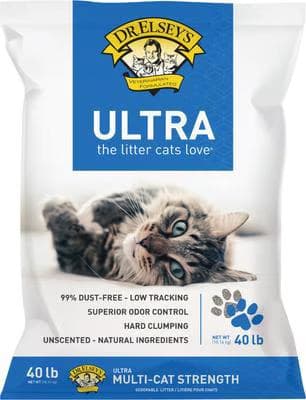
Unscented, low-dust clumping litter is what most cats prefer. Box aversion often comes down to scent and texture.
Webvet may earn a commission when you click through to Chewy, at no extra cost to you.
Marking is a separate behavior and looks different from a genuine accident. A cat that is spraying usually stands upright, backs up to a vertical surface like a wall or door frame, quivers the tail, and leaves a small amount of urine at nose height. Spraying is a communication and territory behavior, often set off by outdoor cats, new pets, or changes at home, and it is more common in cats that are not neutered. Squatting to empty the bladder on a horizontal surface is more likely a litter box or medical issue. Telling your vet which pattern you see helps steer the plan.
How to help at home safely
While you arrange the vet visit, become a careful observer. Note how often your cat goes, roughly how much comes out, whether they strain or cry, and whether you see any pink or red tint that could mean blood. If you can catch a fresh urine sample, or simply keep the accident spot intact for the vet to see, that information speeds up diagnosis. The most important rule is the hardest one: do not punish, scold, or rub your cat's nose in an accident. Punishment raises stress, which worsens the very cystitis and marking you are trying to stop, and it teaches your cat to hide from you rather than use the box.
Clean soiled areas with an enzymatic pet cleaner rather than a regular household cleaner, because ordinary products leave odor molecules a cat can still smell, which invites a repeat visit to the same spot. Avoid ammonia-based cleaners entirely, since ammonia smells like urine to a cat. To support the bladder, help your cat drink more by adding water fountains, offering a little wet food, and placing several fresh water bowls around the home. Reducing stress with predictable routines, hiding spots, vertical perches, and calming pheromone diffusers can make a real difference for anxious cats.

How to lower the risk going forward
Prevention leans on the same pillars that treat these problems: water, weight, and calm. Overweight cats and those that eat only dry food are more prone to urinary trouble, so a healthy body condition and plenty of moisture in the diet both help. Keep litter boxes clean and numerous, minimize abrupt household changes, and introduce new pets gradually. For cats with a history of cystitis, your vet may recommend a therapeutic urinary diet and stress-reduction plan. Because kidney disease and diabetes are quiet in their early stages, routine wellness checks with urine and blood testing help catch them before accidents ever start, especially in cats over the age of seven.
Sources
Reviewed by the Webvet Veterinarian Team
This guide is general information, not a diagnosis, and does not replace an exam by your veterinarian. If your pet is in distress, contact your vet or an emergency clinic right away.