How To Treat Snake Bites on Dogs
When we take our pets with us on adventures, we need to be prepared for emergencies. A snake bite can be deadly if not treated right away, and even more so if you’re not sure what to do.

BVMS MRCVS
Medically reviewed by Dr. Pippa Elliott, BVMS MRCVS · Last reviewed

This article contains affiliate links. Webvet may earn a commission when you buy through them, at no extra cost to you.
When we take our pets with us on adventures, we need to be prepared for emergencies. A snake bite can be deadly if not treated right away, and even more so if you’re not sure what to do.
In the United States, several species of venomous snakes pose a threat to dogs. To protect your dog and help them in a potentially life-threatening incident, read this article from Webvet to learn how to do these three important things:
- Identify venomous snakes
- Recognize the signs of a snake bite in your canine companion
- Take appropriate action to ensure their safety and well-being
Venomous Snakes in the United States
There are four main species of venomous snakes in the United States that are a threat to dogs. Knowing what to look for when you’re in their natural environments and how they behave can help keep both of you safe.
Copperheads
Copperheads are found primarily in the eastern and central states. They inhabit the following areas:
- Woodlands
- Rocky areas
- Riverbeds
These snakes are known for their distinctive hourglass-shaped bands on their bodies. Copperhead bites, while painful for dogs, are rarely fatal.
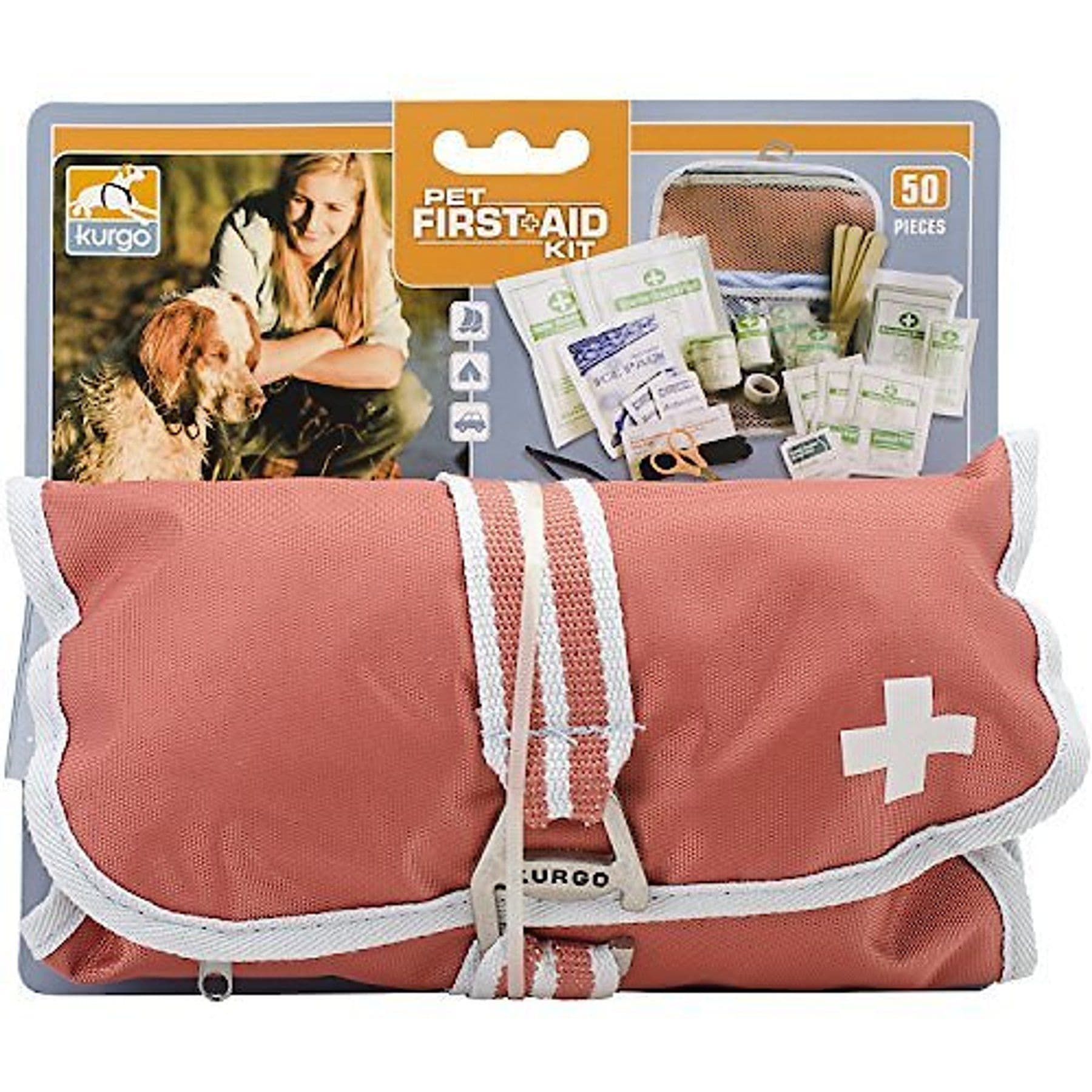
A compact first-aid kit sized for dogs and cats: gauze, wrap, saline, tweezers, and a tick key in one pouch. It handles a thorn scratch or a cut paw on the spot; anything your pet swallowed still needs a vet or a poison line, not a kit.
Webvet may earn a commission when you click through to Chewy, at no extra cost to you.
Rattlesnakes
Rattlesnakes are the most widespread venomous snake species in the United States, with numerous subspecies across the country. They live in a range of environments. These include:
- Deserts
- Grasslands
- Forests
- Swamps
You can easily know when a rattlesnake is in the area because of their iconic rattle at the end of their tails, which they use as a warning signal. Their bites can be deadly for dogs if left untreated.
Cottonmouths/Water Moccasins
Cottonmouths, also known as water moccasins, are venomous snakes in the Southeast. They are primarily found in and around bodies of water, such as:
- Swamps
- Marshes
- Riverbanks
Cottonmouths have a distinctive triangular head and a dark, thick body with faint banding. Their bites can be dangerous for dogs, but fatalities are rare.
Coral Snakes
Coral snakes are most often found in the South, particularly in Florida and Texas. Their natural environments are the following kinds of habitats:
- Woody
- Sandy
- Marshy
Easy to identify among the four, coral snakes are known for their brightly colored bands of red, yellow, and black. Their bites are rare but can be deadly for dogs due to the potent neurotoxic venom they produce.
Snake Bites on Dogs: Statistics and Common Scenarios
Each year, thousands of dogs and cats are bitten by venomous snakes in the United States. According to the National Library of Medicine, approximately 150,000 treatments are administered for snake bites on dogs and cats annually.
Compare coverage choices for your pet, then request a quote directly on Lemonade.
- Check a price for your pet
- Review available coverage choices
- See the terms before you decide
Eligibility, waiting periods, limits and exclusions apply.
Webvet may earn a commission when you click through to Lemonade, at no extra cost to you.
Among the venomous snakes, rattlesnakes are responsible for most bites, followed by copperheads, cottonmouths, and coral snakes.
Snake bites on dogs are most likely to occur during warmer months, from April to October, when snakes are more active. Be wary of these areas when your dog goes exploring as there may be snakes hiding here:
- Tall grass
- Underbrush
- Rocks
Curious and energetic dogs are more prone to snake bites, as they may unintentionally disturb a snake while sniffing or pawing at it.
Snake Bite Vaccine for Dogs
To keep dogs safe from potentially deadly snake bites, researchers have developed a rattlesnake vaccine. The vaccine stimulates the dog’s immune system to produce antibodies against the venom, reducing both the severity of symptoms and increasing your pet’s chances of survival.
The vaccination schedule typically involves two initial doses, one 30 days after the other. Booster doses would depend on how frequently they’re exposed to possible rattlesnake bites. If it’s six months or less in a year, then your dog will only need an annual booster. More frequent exposure, and your dog should get a booster once every six months.
Remember to avoid exposure within 30 days after the first shot. It’s important to note that the vaccine is not effective against venom from copperheads, cottonmouths, or coral snakes.
While the snake bite vaccine can provide an extra layer of protection for your dog, it does not guarantee complete immunity to the effects of rattlesnake venom. The vaccine may lessen the severity of the bite and buy some time to seek veterinary care, but prompt medical attention is still crucial in the event of a snake bite.
Identifying and Responding to Dog Snake Bites
When we take our pets with us on adventures, it’s crucial to be prepared for any kind of emergency. A snake bite can be deadly if not treated right away, and even more so if the owner is unsure of what to do. Here’s how to identify and respond to a snake bite in your dog.
What Parts Usually Get Bitten
Depending on the situation, the snake may choose to attack any part of your dog’s body. However, bites are often inflicted on these:
- Legs
- Face
If there are no signs of bites on either of these parts, inspect the rest of the body to be safe.

Webvet may earn a commission when you click through to Chewy, at no extra cost to you.
Signs of a Snake Bite
A dog that has been bitten by a snake may exhibit some or all of the following symptoms. Take note if they show any of these:
- Sudden yelp or cry of pain
- Swelling and redness at the bite site
- Bruising around the bite mark
- Rapid or labored breathing
- Drooling or foaming at the mouth
- Weakness or collapse
- Vomiting or diarrhea
- Dehydration
- Either loss of energy and sleepiness
- Restlessness
- Dilated pupils or disorientation
- Tremors or, convulsions
However, if your dog was bitten by a coral snake, it can take a couple of hours before any signs show up at all. If you have reason to believe that your dog may have been a victim of one, take them to a vet immediately.
Dogs at Greater Risk When Bitten
Your dog’s age, size, health, and certain physical characteristics will determine how vulnerable they would be to the effects of a snake bite. Take extra precaution if they fall among any of these categories:
- Smaller dogs
- Older dogs
- Very young dogs
- Sick or disabled dogs
- Flat-faced dogs
Responding to a Snake Bite
Knowing the right actions to take will help you act quickly and calmly. Follow these steps:
- Keep your dog as still and calm as possible. Movement can increase the spread of venom through the bloodstream. Keep the wound at a level below the heart.
- Avoid trying to suck out the venom or applying a tourniquet. These methods can cause more harm than good. You might ingest the venom (even small amounts would matter). And a tourniquet can cut off blood supply, thereby worsening your dog’s condition.
- Wrap ice in a container or towel and apply it on the wound. This will help prevent the venom from spreading further.
- If possible, take a photo of the snake from a safe distance to help identify the species. This information can be crucial for your veterinarian when determining the appropriate treatment. However, if you’re not sure where it went, prioritize getting your dog treatment.
- If your dog is going into anaphylactic shock, let them lie on their right side, elevate their butt slightly, then cover them in something warm. A large piece of foil is best, but anything you can use as a blanket will do.
- If your dog is no longer breathing, apply CPR immediately. This may require training beforehand.
- Call your veterinarian or an emergency animal hospital immediately and inform them of the situation. Your vet can provide guidance on the next steps and prepare for your arrival.
- Transport your dog to the veterinarian as quickly and safely as possible. Keep them as still as possible during the journey.
Treatment for Snake Bite in Dogs
If your dog has been bitten by a rattlesnake, it’s crucial to seek veterinary care immediately. Here’s what you can expect during the treatment process:
- Assessment: When you arrive at the veterinarian’s office, they will assess your dog and identify what species of snake bit her. Any evidence to confirm the species will help them give the right treatment as it will depend on the kind of snake. Examples of helpful evidence include:
- A photo of the snake
- A complete description (color, markings, movement)
- An image of the bite when it was fresh
Diagnostic tests may also need to be conducted. Antivenom: If your dog has been bitten by a venomous snake, your veterinarian may administer antivenom. This medication counteracts the effects of the venom and can be life-saving.
Take note, a single vial can cost between $400 to $800. The sooner the antivenom is administered, the better the outcome for your dog.
- Supportive care: In addition to antivenom, your veterinarian may provide supportive care to manage your dog’s symptoms and stabilize their condition. This may include several treatments, such as:
- Intravenous fluids
- Pain relief
- Oxygen therapy
- Monitoring of vital signs
- Observation: After treatment, your dog may need to be hospitalized for observation to ensure their condition remains stable and no complications arise.
- Follow-up care: Once your dog is stable and ready to go home, your veterinarian will provide instructions for follow-up care. This may include:
- Wound care
- Pain management
- Monitoring for any signs of infection or complications
Learning to identify and how to treat snake bites in dogs can help you provide an injured pet with the care necessary for a full recovery.
Prevention and Precautions
Taking preventive measures and exercising caution can significantly reduce the risk of your dog encountering a venomous snake and experiencing a snake bite. Here are some steps you can take to keep your dog safe during outdoor adventures:
- Know the habitat: Familiarize yourself with the types of venomous snakes in your area and their preferred habitats. Avoid taking your dog to areas known for high snake populations, especially during the warmer months when snakes are more active.
- Stay on designated paths: When hiking or walking with your dog, stick to well-trodden paths and avoid tall grass, underbrush, and rocky areas where snakes may be hiding.
- Keep your dog on a leash: Keeping your dog on a leash during walks or hikes can help prevent them from wandering off and accidentally disturbing a snake.
- Supervise outdoor play: Keep a close eye on your dog when they are playing in the yard or at a park, especially in areas with tall grass or shrubs.
- Snake-proof your yard: If you live in an area with venomous snakes, take steps to make your yard less attractive to them. Remove debris, such as piles of wood or rocks, where snakes may hide. Keep the grass trimmed, maintain a buffer zone between any wooded areas and your home, and get rid of any rats.
- Snake avoidance training: Some professional dog trainers offer snake avoidance training, which teaches dogs to recognize and avoid the scent and sound of venomous snakes. This training can be a valuable tool in preventing snake encounters and bites.
- Be prepared: Familiarize yourself with the signs of a snake bite in dogs and know the location of the nearest emergency veterinary clinic. Keep a pet first aid kit on hand, and consider including a snake bite kit with appropriate tools and information.
- Take up CPR classes, and first aid training, specifically for dogs: The best way to prepare is to learn from the professionals. Ask your local vet or look one up online. Some may offer free sessions, while others will require payment upfront so do your research.
The old adage continues to hold true. “Prevention is better than cure.” Minimize the risk of a snake encounter, and ensure a more enjoyable outdoor experience for both you and your pet.

Webvet may earn a commission when you click through to Chewy, at no extra cost to you.
Feature image via Istock
FAQs
How can I tell if my dog has been bitten by a venomous snake or a non-venomous snake?
It can be challenging to determine whether a snake is venomous or non-venomous based on the bite alone. The best course of action is to treat all snake bites as potentially venomous and seek immediate veterinary care.
How long does it take for a snake bite to affect my dog?
The effects of a snake bite on your dog can vary depending on the species of snake, the amount of venom injected, and the location of the bite. Symptoms may appear within minutes or take several hours to manifest.It’s essential to seek veterinary care as soon as possible after a suspected snake bite, as prompt treatment can significantly improve your dog’s prognosis.
Can I give my dog any medication for pain or swelling after a snake bite?
It’s crucial not to administer any medication to your dog without consulting your veterinarian first. Some over-the-counter medications, such as ibuprofen or aspirin, can be toxic to dogs and may worsen their condition.For the appropriate pain relief and treatment, see your vet.

Editor
The Webvet Editorial Team is the in-house group of pet-care editors and writers behind Webvet, operated by Smart Pet Collective. The team researches, writes, and maintains Webvet's pet health, behavior, and medication content. Every article follows a defined editorial process: research from reputable veterinary and scientific sources, careful drafting, mandatory review of medical content by a credentialed veterinarian, and dated publication. Health and medication articles are medically reviewed by a licensed veterinary professional before they go live and are kept current over time.
Veterinarian · BVMS MRCVS
Dr. Pippa Elliott, BVMS, MRCVS, is a veterinarian with nearly 30 years of experience in companion animal practice. Dr. Elliott earned her Bachelor of Veterinary Medicine and Surgery from the University of Glasgow. She was also designated a Member of the Royal College of Veterinary Surgeons. Married with 2 grown-up kids, Dr. Elliott has a naughty Puggle named Poggle, 3 cats and a bearded dragon.