How to Remove Cactus Needles From Your Dog Safely
Comprehensive guide for prickly situations: Remove cactus needles with care

BVMS MRCVS
Medically reviewed by Dr. Pippa Elliott, BVMS MRCVS · Last reviewed

This article contains affiliate links. Webvet may earn a commission when you buy through them, at no extra cost to you.
Finding cactus needles embedded in your dog's skin can be a prickly situation. It's crucial to remove cactus needles from your dog promptly and safely to avoid discomfort and prevent possible infections.
In this comprehensive guide, Webvet provides trusted methods and expert tips for removing cactus needles from your dog. Follow our step-by-step instructions to ensure your pet's well-being.
The Dangers of Cactus Needles
Cactus needles, also referred to as spines or glochids, are sharp, barbed structures that are dangerous to dogs in several ways.
Compare coverage choices for your pet, then request a quote directly on Lemonade.
- Check a price for your pet
- Review available coverage choices
- See the terms before you decide
Eligibility, waiting periods, limits and exclusions apply.
Webvet may earn a commission when you click through to Lemonade, at no extra cost to you.
- Discomfort and Pain: Cactus needles can cause significant discomfort and pain for your dog. When these needles penetrate the skin, they can cause irritation and inflammation, leading to discomfort and sensitivity in the affected area. Your dog may exhibit signs of distress, such as whining, whimpering, or reluctance to move.
- Potential Complications: If not properly removed, cactus needles can lead to potential complications. Cactus needles are barbed, which can cause them to become embedded deeper into the skin and increase the risk of infection. Embedded needles can cause abscesses or other localized infections, which require veterinary attention for proper treatment.
- Irritation and Inflammation: Cactus needles can trigger an inflammatory response in your dog's skin, causing redness, swelling, and localized heat in the affected area. In some cases, the inflammation may spread, causing discomfort for your dog and requiring medical intervention.
- Risk of Infection: When cactus needles pierce the skin, they create open wounds that can become susceptible to infection. Bacteria can enter the skin through these puncture wounds, leading to an increased risk of infection. If left untreated, infections can worsen and potentially spread to other parts of the body, posing a more significant health risk to your dog.
Prepare To Remove Cactus Needles From Your Dog
To ensure a smooth and safe removal process, it's important to gather the necessary supplies beforehand. Here are the items you'll need:
- Clean Towels or Gauze Pads: Use these to clean the affected area and provide a clean surface for the removal process.
- Sterile Tweezers or Pliers: These tools will help you grip and remove the cactus needles. Make sure your tools are clean and sterilized to minimize the risk of infection.
- Glue or Adhesive Tape: In some cases, you can use glue or adhesive tape to remove superficial cactus needles.
- Vegetable Oil: Oil can help soften the needles, making them easier to remove. However, exercise caution as oil may cause skin irritation in some dogs. Always consult with your veterinarian before using this method.
- Treats or Rewards: Do your best to keep your dog calm during the removal process. Having some tasty treats or rewards on hand might help to distract your dog from any discomfort or anxiety.
Methods for Removing Cactus Needles
There are several methods you can use to safely remove cactus needles from your dog. Below are the step-by-step instructions for each method.
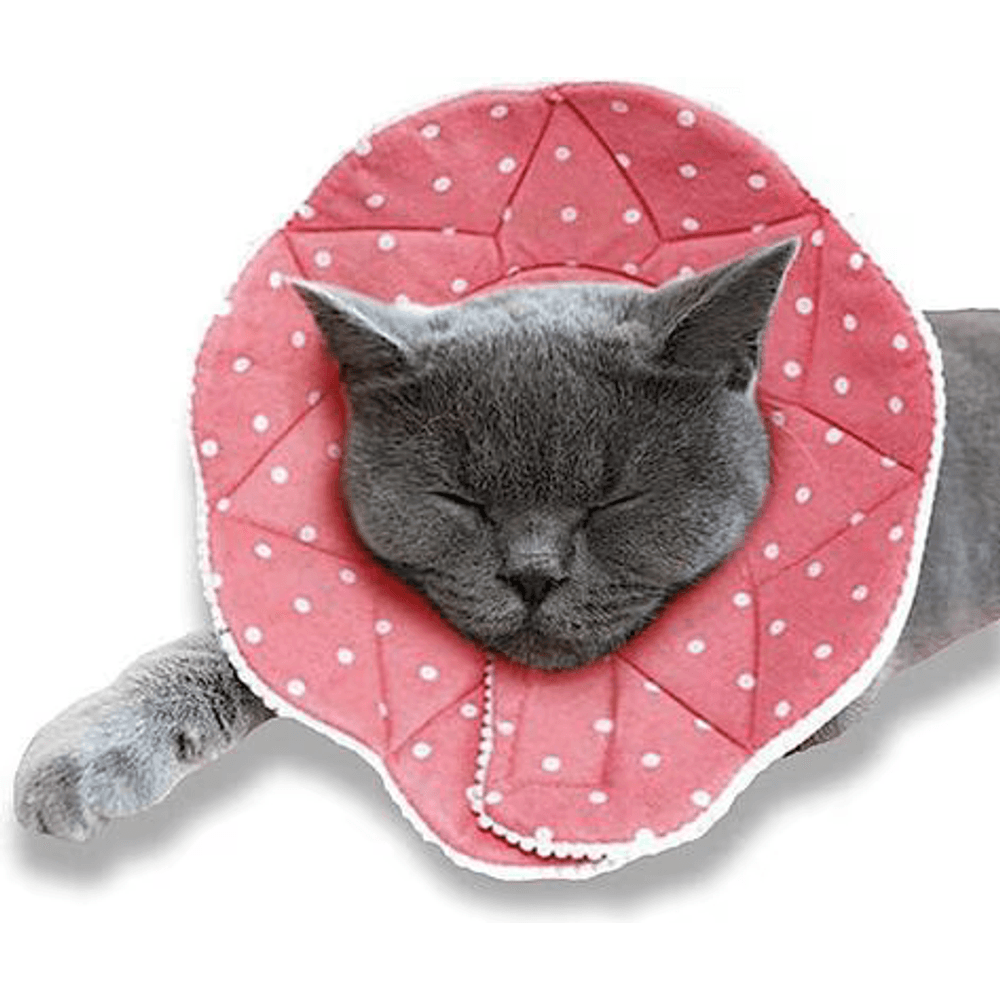
A lightweight, padded fabric cone that gently blocks a pet from pawing, scratching, or rubbing a healing eye, wound, or hot spot, and it is far softer and less stressful than a hard plastic cone.
Webvet may earn a commission when you click through to Chewy, at no extra cost to you.
Tweezers or Pliers Method
- Clean the Affected Area With Antiseptic Solution or Hydrogen Peroxide: This step helps minimize the risk of infection by sanitizing the area before needle removal.
- Use Sterilized Tweezers or Pliers: Ensuring that your tools are clean and sterilized reduces the chance of introducing additional bacteria to the area.
- Pull the Needle: Steadily and gently pull the needle out in the same direction it entered the skin. Applying a steady and gentle force helps remove the needle without causing further discomfort or complications.
- Avoid Twisting or Jerking Motions: Maintaining a straight and steady pull minimizes the risk of the needle breaking or fragmenting inside the skin.
- Repeat the Process for Each Visible Needle: It's important to address each needle individually to ensure their complete removal, reducing the potential for complications or discomfort for your dog.
Glue or Tape Method
- Apply a Small Amount of Glue or Adhesive Tape: The glue or tape will adhere to the needles, providing a method to remove them.
- Allow the Glue or Tape to Dry Completely: Drying the glue or tape ensures that it adheres firmly to the needles and the skin, facilitating their removal.
- Slowly Peel off the Glue or Tape: Take care not to pull too forcefully to avoid causing additional pain or irritation. By peeling off the glue or tape slowly and gently, you can effectively remove the needles without causing discomfort to your dog.
Vegetable Oil Method
- Pour a Small Amount of Vegetable Oil Directly Over the Affected Area: The oil helps soften the needles, making them easier to remove.
- Allow the Oil to Soak for a Few Minutes: Allowing the oil to penetrate the needles and the skin helps loosen their grip and facilitates their extraction.
- Carefully Remove the Softened Needles One by One: Grip them as close to the skin as possible. By gripping the needles close to the skin, you can ensure a firm hold and minimize any discomfort during removal.
Post-Removal Care
Once you have successfully removed the cactus needles from your dog, it's important to provide proper care to promote healing and prevent complications. Here are the steps to follow:
- Clean the Area: Use antiseptic solution or hydrogen peroxide to clean the affected area thoroughly. This helps remove any remaining dirt or bacteria and reduces the risk of infection.
- Monitor for Signs of Infection: Keep a close eye on the area where the needles were removed. Watch for any signs of infection, such as redness, swelling, warmth, discharge, or an unpleasant odor. If you notice any of these signs, it's important to consult your veterinarian for further evaluation and treatment.
- Apply Antiseptic Ointment or Cream: After cleaning the area, apply an antiseptic ointment or cream as recommended by your vet. This helps create a barrier against bacteria, promotes healing, and soothes the skin.
- Prevent Scratching or Licking: It's crucial to prevent your dog from scratching or licking the affected area. This can irritate the skin, delay healing, and increase the risk of infection. Consider using an Elizabethan collar or other deterrents to prevent your dog from accessing the area.
- Consult Your Vet: If you notice any signs of infection or if you were unable to remove all the needles, it's important to consult your veterinarian. They can assess the situation, provide further treatment if necessary, and ensure your dog's overall well-being.
When to Seek Veterinary Assistance
Knowing when to seek veterinary assistance is crucial to ensure the well-being of your dog during cactus needle removal. While many pet parents handle this type of situation at home, sometimes professional veterinary care will be necessary. Contact your veterinarian if:
- Needles Are Deeply Embedded or Difficult to Remove: If you encounter needles that are deeply embedded in your dog's skin or if you're having difficulty removing them, it's best to seek veterinary assistance. Trying to forcefully remove deeply embedded needles can cause further injury or complications.
- The Affected Area Shows Signs of Infection or Severe Inflammation: If the area where the needles were embedded becomes red, swollen, warm to the touch, or if there is discharge or an unpleasant odor, it may indicate an infection or severe inflammation. These signs should prompt you to consult your vet for a proper evaluation and appropriate treatment.
- Your Dog Displays Unusual Behavior, Discomfort, or Appears to Be in Persistent Pain: If your dog shows signs of distress, discomfort, or persistent pain during or after the needle removal process, it's important to contact your veterinarian. Unusual behavior such as excessive licking, biting, or scratching at the area, reluctance to move, or changes in appetite or activity level, may indicate underlying issues that require professional attention.
Safely Remove Cactus Needles From Your Dog
Removing cactus spines from your dog requires caution, patience, and proper technique. By following the methods outlined in this guide and prioritizing your pet's well-being, you can ensure a safe and comfortable needle removal process.
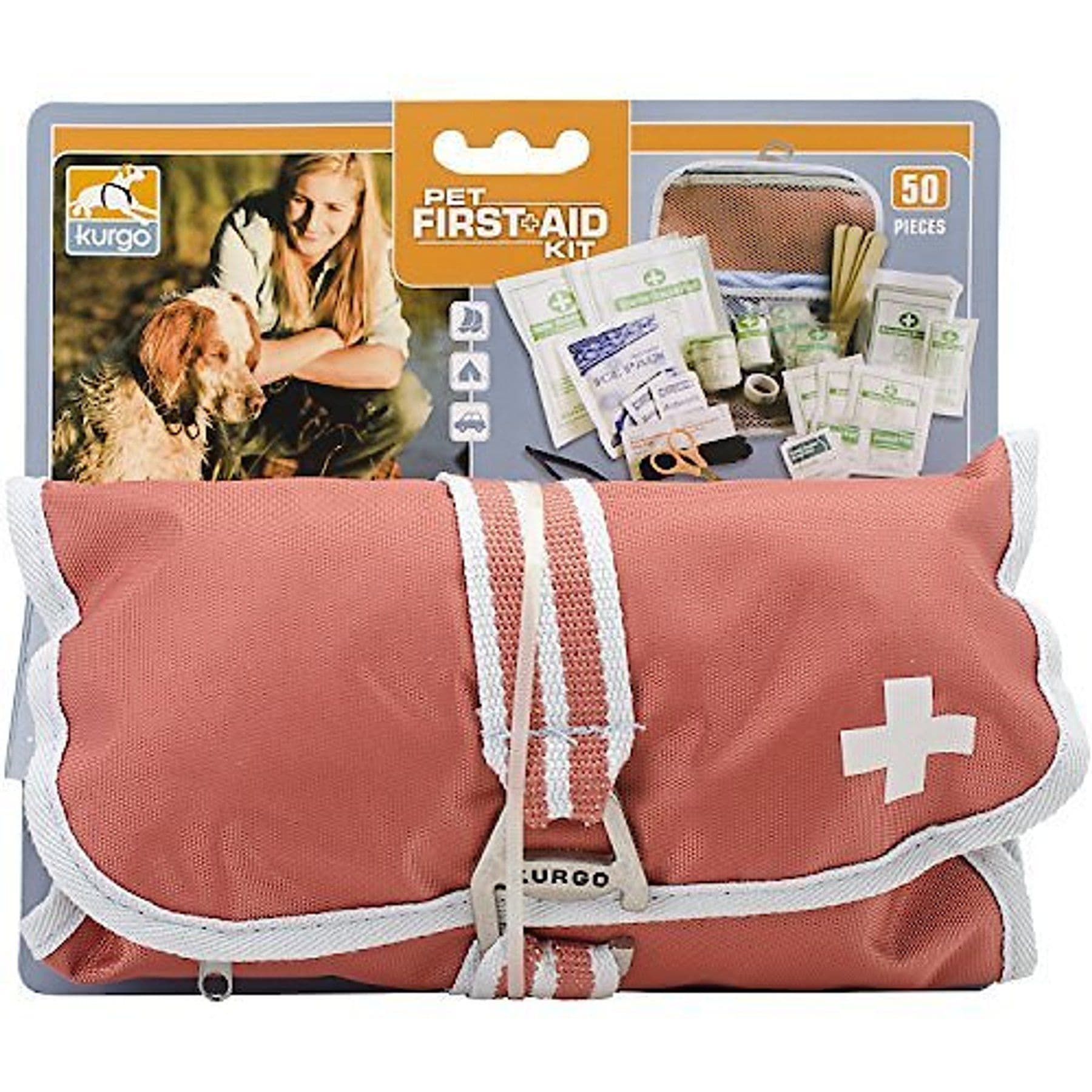
A compact first-aid kit sized for dogs and cats: gauze, wrap, saline, tweezers, and a tick key in one pouch. It handles a thorn scratch or a cut paw on the spot; anything your pet swallowed still needs a vet or a poison line, not a kit.
Webvet may earn a commission when you click through to Chewy, at no extra cost to you.
Remember to provide post-removal care and seek veterinary assistance if needed.
Links/Sources:
- https://www.petful.com/pet-health/removing-cactus-needles-dogs/
- https://www.sabinovetcare.com/blog/a-prickly-problem/
- https://phoenixvetcenter.com/blog/94082-how-to-remove-cactus-needles-from-your-pet
Feature image: Istockphoto
FAQs
Can I remove cactus needles from my dog at home?
In most cases, you can safely remove cactus needles from your dog at home. However, if the needles are deeply embedded, causing severe inflammation, or if your dog shows signs of unusual behavior or persistent pain, it is best to seek veterinary assistance.
How do I know if a cactus needle is causing an infection?
Look for signs of infection such as redness, swelling, discharge, or if your dog appears to be in discomfort. If you suspect an infection, it is important to consult your veterinarian for proper evaluation and treatment.
Can I use any type of glue or tape to remove cactus needles?
It is recommended to use non-toxic, pet-safe glue or adhesive tape specifically designed for this purpose. Avoid using strong adhesives or tapes that may cause further irritation or harm to your dog's skin.

Editor
The Webvet Editorial Team is the in-house group of pet-care editors and writers behind Webvet, operated by Smart Pet Collective. The team researches, writes, and maintains Webvet's pet health, behavior, and medication content. Every article follows a defined editorial process: research from reputable veterinary and scientific sources, careful drafting, mandatory review of medical content by a credentialed veterinarian, and dated publication. Health and medication articles are medically reviewed by a licensed veterinary professional before they go live and are kept current over time.
Veterinarian · BVMS MRCVS
Dr. Pippa Elliott, BVMS, MRCVS, is a veterinarian with nearly 30 years of experience in companion animal practice. Dr. Elliott earned her Bachelor of Veterinary Medicine and Surgery from the University of Glasgow. She was also designated a Member of the Royal College of Veterinary Surgeons. Married with 2 grown-up kids, Dr. Elliott has a naughty Puggle named Poggle, 3 cats and a bearded dragon.