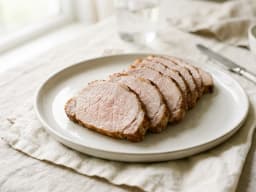
Can dogs eat pork?
Safe in moderationPlain pork cooked to a safe temperature can be an optional dog treat. Raw at-risk porcine tissue carries pathogen and pseudorabies concerns.


Medically reviewed by Dr. Athena Gaffud, DVM · Last reviewed
Can Dogs Eat Pork?
Plain pork cooked to a safe internal temperature can be an optional treat for some dogs. Pork is not one uniform product: cut, fat, sodium, seasoning, preparation, amount, and the dog's diet all matter.
- 1Plain pork cooked to the recommended food-safe temperature is not a recognized canine toxin.
- 2Fat varies by cut, so pork is not categorically fattier than chicken or turkey.
- 3Raw animal products can carry bacterial and parasitic hazards.
- 4Raw at-risk porcine tissue can transmit usually fatal pseudorabies to dogs.
- 5Processed pork requires its exact sodium, calories, seasonings, bones, and preparation.

Treats should stay under 10% of your dog's daily calories. JustFoodForDogs makes the rest of it.
- Recipes developed by veterinary nutritionists
- Whole-food ingredients you can recognise
- Fresh meals delivered to your door
Webvet may earn a commission when you click through to JustFoodForDogs, at no extra cost to you.
Is cooked pork safe for dogs?

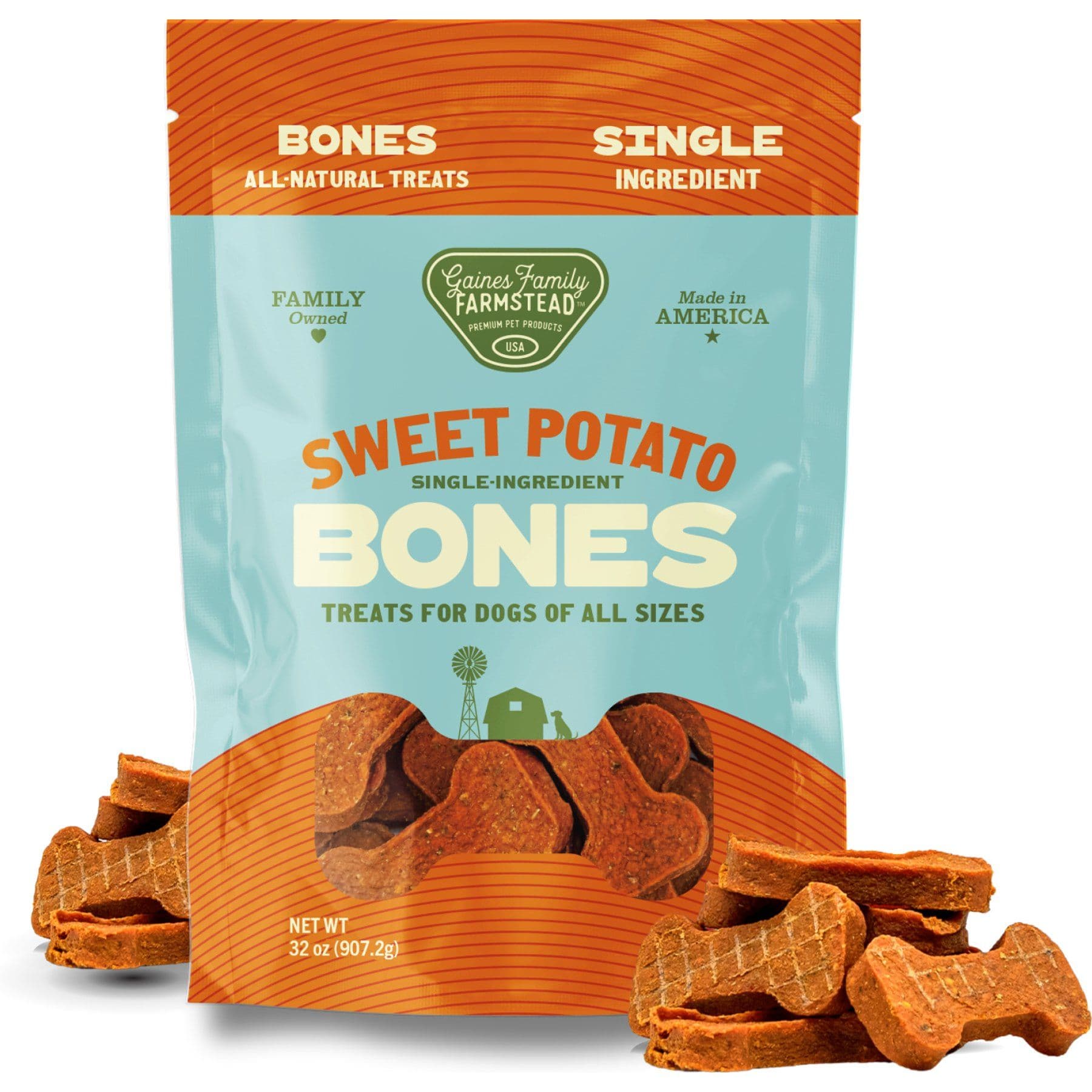
This is an optional dog treat. Review its current label, ingredients, calories, and feeding directions, and count it within the total daily extras.
Webvet may earn a commission when you click through to Chewy, at no extra cost to you.
Pork provides protein, fat, vitamins, minerals, and calories, but listing nutrients does not establish a clinical benefit from a treat portion. A complete dog food should supply required nutrition.
There is no blanket disease list or universal pork prohibition. Dogs with prescription diets or medical conditions need advice based on the diagnosis, cut, preparation, calories, and total diet.
Cook pork safely and avoid raw at-risk tissue
FDA advises 145 F with a three-minute rest for pork roasts and chops and 160 F for ground pork. CDC describes U.S. trichinellosis as rare, while raw or undercooked wild game and noncommercial pork remain relevant risks. Use a food thermometer in the thickest part of the meat and avoid touching bone when measuring. Rest time is part of the whole-cut instruction. Color alone is not a reliable safety test, and raw juices should not contact cooked food, bowls, treats, or surfaces the dog can lick. Refrigerate leftovers promptly and discard spoiled meat. These ordinary food-safety steps reduce bacterial risk without implying that every raw bite contains Trichinella.

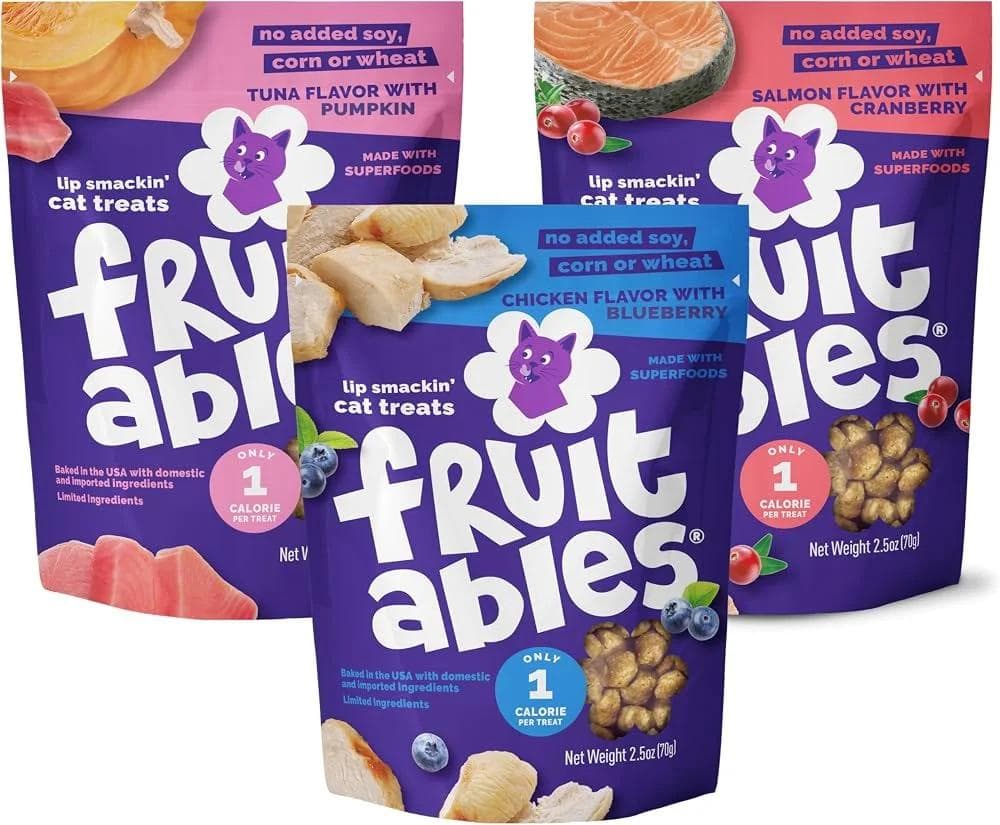
This is an optional dog treat. Review its current label, ingredients, calories, and feeding directions, and count it within the total daily extras.
Webvet may earn a commission when you click through to Chewy, at no extra cost to you.
USDA reports that an April 2026 Iowa commercial-herd pseudorabies detection was contained and movement restrictions were lifted. This update argues against both an absolute eradication claim and a suggestion that cooked commercial pork is broadly unsafe.
Fat, sodium, and pancreatitis require individual assessment
Fat varies by cut and trimming. A fatty dietary indiscretion may be considered in some canine pancreatitis cases, but one pork exposure does not predict or diagnose pancreatitis. The source of pork changes the risk discussion. A fully cooked unseasoned piece from inspected grocery meat is different from raw feral-swine tissue, home-slaughter scraps, spoiled pork, sausage, bacon, rib trimmings, or meat left at room temperature. Record whether the pork was raw or cooked, its cut, internal preparation, added brine or seasoning, storage history, and where it came from. Keep labels for processed products. Dogs that hunt or scavenge wild pigs need a veterinarian to consider infectious exposures that are not represented by an ordinary cooked grocery sample.
Bacon, ham, sausage, and deli pork vary in sodium, fat, seasoning, curing, and readiness to eat. Confirm onion or garlic and assess sodium or calories separately rather than declaring every processed product poisonous. Processed products can also be ready to eat, require cooking, or be unsafe after poor storage, and the packaging usually answers that question. A salty cured slice is different from raw ground pork; a sausage may contain onion or garlic; barbecue pork may include sauce, bones, skewers, foil, or string. When a dog steals a mixed dish, list each component so the veterinarian can prioritize the actual hazards instead of treating pork itself as the only issue.

How much pork can a dog have?
No evidence-based bite or tablespoon serving applies to all dogs. If plain cooked pork fits the dog, count it within the individual treat-calorie allowance and prescription-diet rules.
| Decision factor | What to check |
|---|---|
| Cut | Fat, skin, bones, and calories vary |
| Preparation | Safe internal temperature and no raw at-risk tissue |
| Product | Sodium, seasoning, curing, and readiness to eat |
| Dog | Calorie plan, medical history, prescription diet, and signs |
Age and body size do not create a universal pork dose. Puppies, seniors, and dogs with medical diets need patient-specific decisions, while accidental exposures require the actual product and amount. For routine treats, start with the dog's established daily calorie target. Subtract calories already used by training rewards, chews, supplements with calories, and table foods before deciding whether pork fits. A lean-looking piece can still be large relative to a small dog's allowance, while a larger dog on a strict therapeutic diet may appropriately receive none. This is why a body-size bite table gives false precision.
Preparing an optional pork treat
Use a plain boneless portion cooked to the recommended food-safe temperature. Remove avoidable fat if it does not fit the calorie plan, and confirm every seasoning instead of assuming oil or salt is a toxin. Check everything that accompanied the meat. Bones, skewers, butcher string, absorbent pads, foam trays, plastic wrap, sauce packets, onions, garlic, rich gravy, and rendered grease can matter more than plain muscle meat. Report the largest possible amount one dog ate, when it happened, and whether other pets shared access. Repeated vomiting, abdominal pain, loss of appetite, fever, neurologic changes, severe weakness, or collapse calls for prompt assessment. A normal first stool cannot rule out a swallowed bone or package material, while one small boneless cooked exposure does not predict pancreatitis or infection by itself.

Pork bones and foreign-body risk
Do not intentionally feed pork bones. A bone can injure the mouth, fracture teeth, or become an esophageal or gastrointestinal foreign body, but outcome depends on the object and dog.
For a swallowed bone, choking, retching, repeated vomiting, abdominal pain, or inability to pass stool, obtain veterinary guidance. Do not induce vomiting unless instructed.
Comparing pork with other treats
No meat species is automatically leaner or safer without comparing cuts, preparation, calories, bones, and the individual dog. A complete diet and planned treats are the relevant baseline. When comparing meats, use the nutrition label or cooked cut rather than reputation. Skin, visible fat, cooking oil, brine, breading, sauce, and portion can matter more than whether the meat came from a pig, chicken, or turkey. For a dog with previous pancreatitis, chronic gastrointestinal disease, a low-fat prescription, or an elimination diet, even boneless cooked pork may conflict with the established plan. Use the treating veterinarian's nutrient and ingredient targets before offering it again.
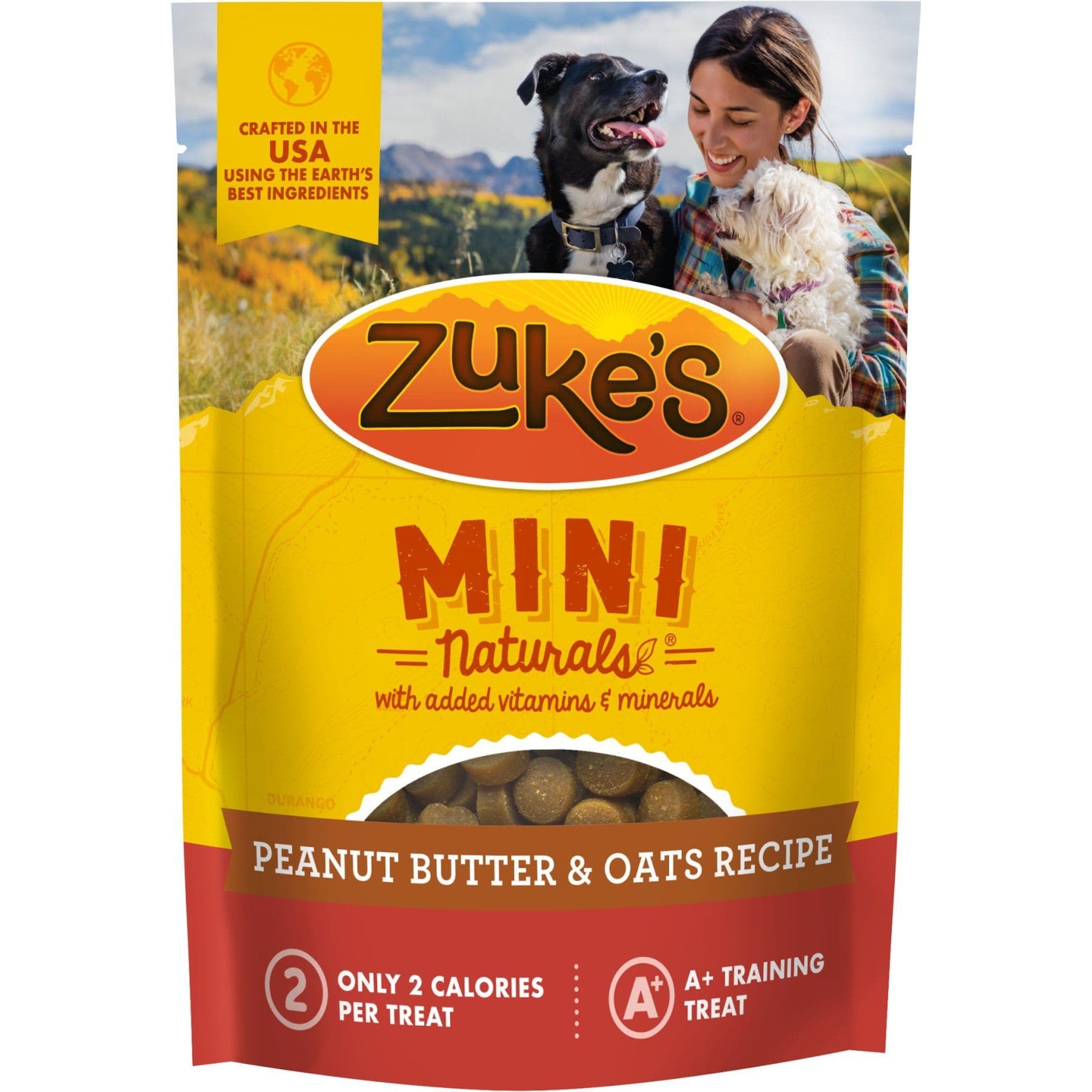
This is an optional dog treat. Review its current label, ingredients, calories, and feeding directions, and count it within the total daily extras.
Webvet may earn a commission when you click through to Chewy, at no extra cost to you.
Frequently asked questions

Frequently Asked Questions
Can dogs eat cooked pork?
Plain pork cooked to the recommended food-safe temperature can be an optional treat if it fits the dog's calorie and medical plan.
Can dogs eat raw pork?
Raw pork can carry pathogens. Raw at-risk porcine tissue can also transmit usually fatal pseudorabies to dogs.
Can dogs eat pork bones or pork ribs?
Bacon and ham vary in sodium, fat, curing, and seasoning. They are not one toxic category; assess the exact product and amount.
Is bacon or ham safe for dogs?
Do not intentionally feed pork bones. A swallowed bone requires object- and patient-specific veterinary guidance.
Can dogs eat pork chops or pork tenderloin?
No evidence-based pork serving exists by dog size. Count any optional plain cooked amount within the individual treat allowance.
More safe treats
More meat & seafood for dogs
Sources
- FDA: Cooking Meat and Poultry Safely
FDA advises 145 F with a three-minute rest for pork roasts and chops and 160 F for ground pork.
- CDC: About Trichinellosis
Trichinellosis is rare in the United States; risk remains with raw or undercooked meat, especially wild game and noncommercial pork.
- Merck Veterinary Manual: Pseudorabies in Pigs
Dogs and cats are susceptible incidental hosts and can be infected by consuming contaminated raw porcine tissue; disease is usually fatal.
- USDA APHIS: Pseudorabies
USDA reports feral-swine circulation and sporadic detections, including a contained 2026 commercial-herd event, so current risk wording should avoid absolute eradication claims.
- Merck Veterinary Manual: Pancreatitis in Dogs and Cats
Pancreatitis is multifactorial and cannot be predicted or diagnosed from one food exposure alone.
- Merck Veterinary Manual: Garlic and Onion Toxicosis
Allium risk depends on the actual ingredient, concentration, amount, species, and patient rather than a food category alone.
- AAHA: Nutritional Risk Factors
Noncomplete foods above 10 percent of daily calories can dilute essential nutrients; individual medical and life-stage factors require assessment.
Reviewed by Dr. Athena Gaffud, DVM
General guidance based on credible veterinary sources; not a diagnosis or a substitute for your veterinarian. If your pet ate something toxic or is unwell, contact your vet or a pet poison line right away.