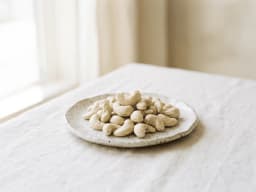
Can dogs eat cashews?
Safe in moderationPlain cashews are not recognized dog toxins, but they are calorie-dense and mixed or seasoned products need full label review.


Medically reviewed by Dr. Athena Gaffud, DVM · Last reviewed
Can Dogs Eat Cashews?
Plain cashews are not recognized canine toxins, but they are energy-dense and unnecessary in a complete dog diet. There is no evidence-based one-to-five-nut allowance or universal zero rule for every dog with obesity or pancreatitis history. Amount, product, patient, diet, chewing behavior, and symptoms all matter.
- 1Assess cashews by its exact form, amount, added ingredients, and the individual dog.
- 2A treat portion of cashews must fit the complete diet and the dog's remaining calorie allowance.
- 3Prepare cashews plainly and choose a size and texture suited to how this dog eats.
- 4Dietary indiscretion and high-fat meals are associated with canine pancreatitis, but no cashew-specific trigger dose or predictable outcome is established. Prior pancreatitis or a prescribed low-fat diet warrants advice from the treating veterinarian without claiming that a few nuts inevitably cause disease.
- 5Call for persistent illness, swallowing trouble, a possible foreign body, or a hazardous co-ingredient.

Treats should stay under 10% of your dog's daily calories. JustFoodForDogs makes the rest of it.
- Recipes developed by veterinary nutritionists
- Whole-food ingredients you can recognise
- Fresh meals delivered to your door
Webvet may earn a commission when you click through to JustFoodForDogs, at no extra cost to you.
Are Cashews Safe for Dogs?
A small plain exposure may cause no signs. Larger amounts can add substantial fat and calories and may cause vomiting, diarrhea, or appetite change in an individual dog. This is different from establishing a toxic dose or a guaranteed illness after a particular nut count. For mixed products containing cashews, keep the package and report every ingredient, amount, time, dog's weight, history, and signs. Related guidance: vomiting.

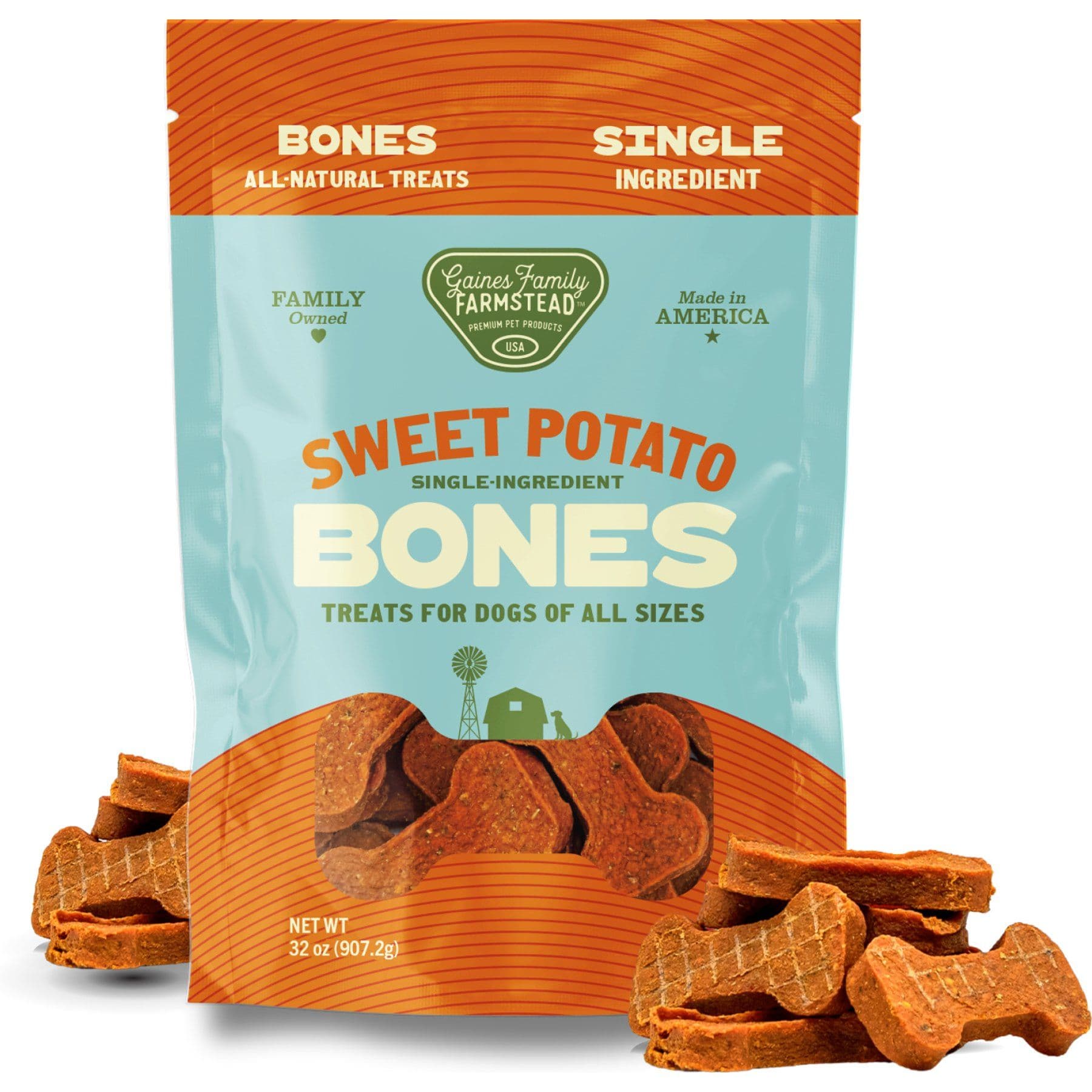
This is an optional dog treat. Review its current label, ingredients, calories, and feeding directions, and count it within the total daily extras.
Webvet may earn a commission when you click through to Chewy, at no extra cost to you.
Cashews contain fat, protein, carbohydrate, vitamins, and minerals. Cashews are calorie-dense and their protein or mineral content does not turn them into a balanced snack. Count nuts, nut butter, and crumbs used for medication with the dog's full treat allowance. For obesity, prior pancreatitis, kidney disease, food allergy evaluation, or a low-fat therapeutic diet, use an option approved for that plan. A dog that repeatedly steals nuts may need storage changes and a training strategy, not a scheduled cashew portion. That composition does not demonstrate a clinical benefit from feeding nuts, and a complete dog food should already provide required nutrients. Their calorie density makes portion accounting more important than nutrient marketing.
This food adds optional calories and nutrients, but the complete dog food remains responsible for meeting dietary requirements. Related guidance: macadamia nut; walnuts.
Nutritional Context for Cashews
There is no evidence-based one-to-five-nut allowance, body-weight table, or frequency schedule. If the treating team approves a plain taste, use the exact product calories and total treat budget. Whole-nut counts hide variation in nut size and the dog's full diet.

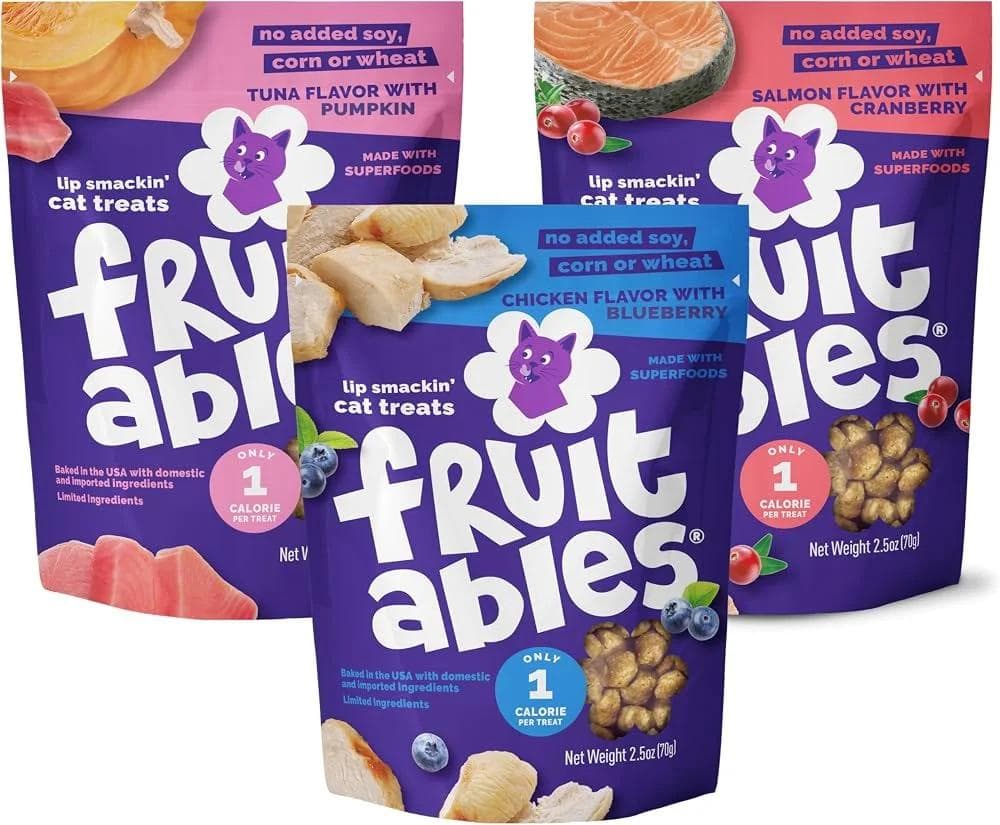
This is an optional dog treat. Review its current label, ingredients, calories, and feeding directions, and count it within the total daily extras.
Webvet may earn a commission when you click through to Chewy, at no extra cost to you.
Use the calories in cashews and the individual dog's remaining treat allowance; body weight alone is not a serving chart.
How to Portion Cashews
Use only a plain product whose ingredient list has been checked, and avoid shells, mixed nuts, coatings, chocolate, sweeteners, and seasoning. A plain cashew is different from trail mix, flavored snack nuts, chocolate clusters, cashew butter, cashew milk, and curry sauce. Read the full label for macadamias, raisins, xylitol, chocolate, onion, garlic, salt, and added fat. Keep the package and estimate the amount of each component rather than describing the entire mix as cashews. A cashew can be broken or omitted according to the dog's chewing behavior; grinding it does not make its calories disappear.
| Decision point | Evidence-based guidance |
|---|---|
| Plain food | Assess plain cashews by form, amount, tolerance, and the individual dog. |
| Portion | Use the individual calorie allowance, not a fixed piece or spoon table |
| Preparation | Serve it plain and choose a manageable size and texture. |
| Mixed product | Read every ingredient and keep the package or recipe for advice. |
A whole nut may be a choking or foreign-body concern for an individual dog that gulps, but a simple airway analogy is not patient-specific clinical evidence. Anatomy, nut dimensions, chewing, amount, and signs determine urgency.

How to Prepare Cashews
Dietary indiscretion and high-fat meals are associated with canine pancreatitis, but no cashew-specific trigger dose or predictable outcome is established. Prior pancreatitis or a prescribed low-fat diet warrants advice from the treating veterinarian without claiming that a few nuts inevitably cause disease. Related guidance: chocolate.
Trail mixes, nut butters, bars, and baked goods must be assessed from the exact label. Macadamias are a recognized canine toxin; raisins, chocolate or cocoa, xylitol, and Allium ingredients can create other hazards. Do not assume every product includes them. Related guidance: diarrhea.
Risks and When to Call
Dogs with obesity, diabetes, pancreatitis history, gastrointestinal disease, or a therapeutic diet need an individualized plan. A clinician may recommend avoiding cashews, but a diagnosis alone does not establish a single rule for every patient. Total calories and fat across the whole diet matter. Related guidance: lethargy.
Salt toxicity is dose-dependent and influenced by water access; one salted nut does not by itself prove sodium poisoning. Whole nuts can be swallowed with little chewing, so report the dog's size, chewing behavior, amount missing, and any gagging or vomiting. Rich foods may be considered in a dog with compatible gastrointestinal signs, but cashews do not guarantee pancreatitis. Repeated vomiting, abdominal pain, marked lethargy, tremors, weakness, or a hazardous co-ingredient warrants prompt advice. Contact a veterinarian for a substantial salted exposure, neurologic signs, repeated vomiting, pain, choking, suspected obstruction, or any toxic mixed ingredient.

Forms and Ingredients of Cashews
Macadamia toxicosis is a distinct canine syndrome and should not be generalized to every nut. Positive product identification matters. Keep packaging and report each nut or added ingredient, estimated amount, time, dog weight, and signs.
Choosing Other Treats
If this food does not fit the plan, choose another veterinarian-approved treat and count it within the same calorie allowance. Related guidance: plain cooked chicken; carrots.
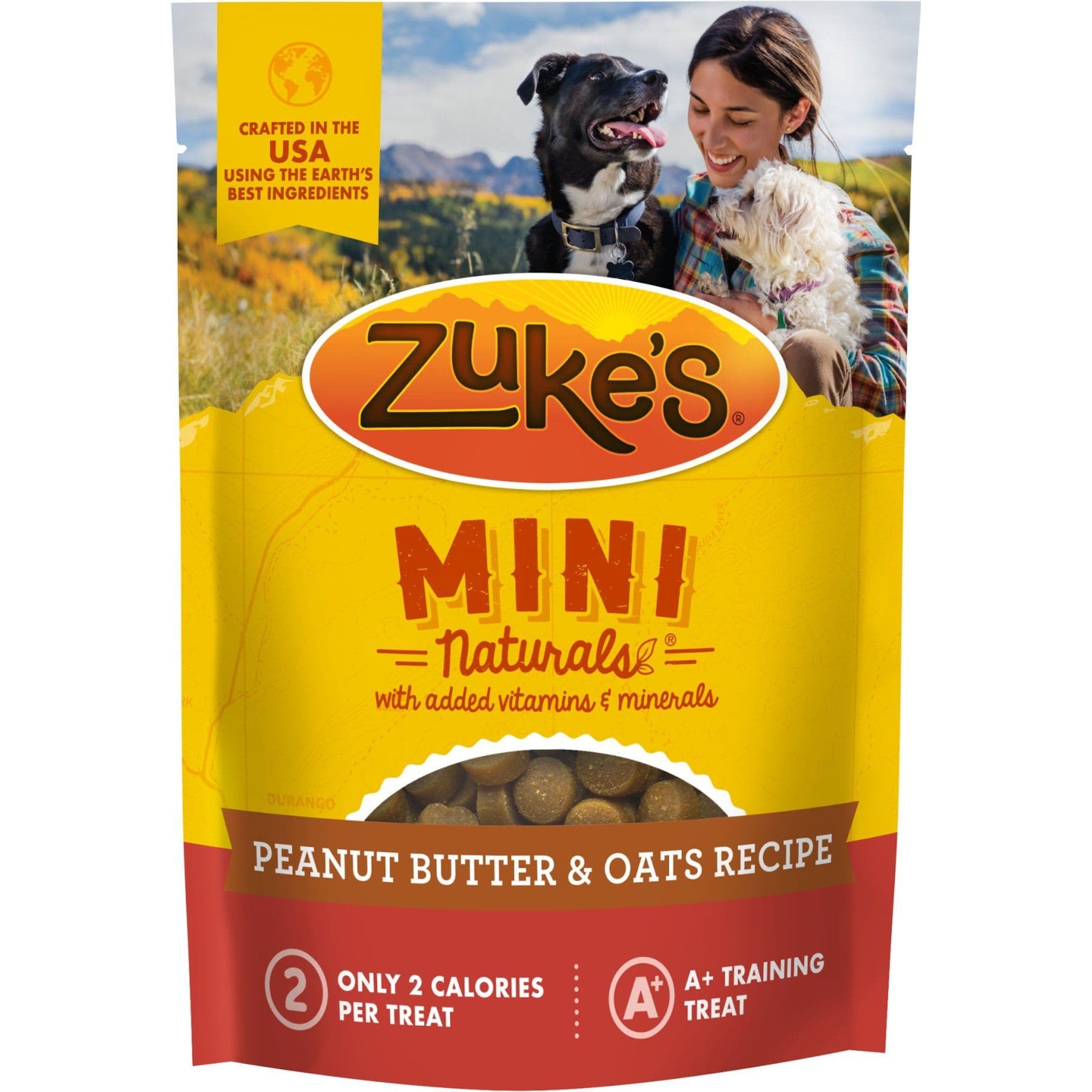
This is an optional dog treat. Review its current label, ingredients, calories, and feeding directions, and count it within the total daily extras.
Webvet may earn a commission when you click through to Chewy, at no extra cost to you.
Cashews are best treated as calorie-dense optional food rather than poison or health supplement. Store bulk nuts and trail mix in closed containers and keep the original label. After a pantry raid, compare the remaining nut types so a macadamia, raisin, or chocolate exposure is not mislabeled as plain cashew. Avoid fixed nut tables, use dose-aware salt and pancreatitis wording, and assess mixed products ingredient by ingredient. The practical decision is individualized: confirm the exact food, use a manageable texture, keep extras within the calorie plan, and watch the actual dog rather than a fixed schedule. Contact a veterinarian for persistent vomiting or diarrhea, marked lethargy, pain, breathing or swallowing trouble, inability to pass stool or urine, neurologic signs, or any ingredient-specific toxicology concern.

Frequently Asked Questions
Are plain cashews poisonous to dogs?
Plain cashews are not recognized canine toxins, but they are calorie-dense and may cause gastrointestinal upset or conflict with a prescribed diet.
How many cashews can a dog have?
There is no universal nut count. If approved, use the exact product calories, the dog's complete diet, and the total treat allowance.
Can a few cashews cause pancreatitis?
No cashew-specific trigger dose or guaranteed outcome is established. Dietary indiscretion is a risk factor, and susceptible dogs need individualized advice.
Does one salted cashew cause sodium poisoning?
No. Salt toxicity is dose-dependent and influenced by water access. Assess the total salted product, dog, and symptoms rather than one nut in isolation.
Which mixed-nut ingredients need urgent advice?
Macadamias, raisins, chocolate or cocoa, xylitol, and Allium ingredients require ingredient-specific assessment. Check the exact label rather than assuming every mix contains them.
More safe treats
More nuts & seeds for dogs
Sources
- Merck Veterinary Manual: Pancreatitis in Dogs and Cats
Supports dietary indiscretion as a canine risk factor while not establishing a food-specific dose or predictable outcome from one exposure.
- Merck Veterinary Manual: Salt Toxicosis in Animals
Supports dose- and hydration-dependent salt toxicosis rather than treating one salted bite as a defined toxic dose.
- Merck Veterinary Manual: Macadamia Nut Toxicosis in Dogs
Documents the canine macadamia toxicosis syndrome and states that clinical signs are reported only in dogs.
- Merck Veterinary Manual: Gastrointestinal Obstruction in Small Animals
Supports patient-specific foreign-body assessment and urgent evaluation when obstruction signs develop.
- WSAVA: Feeding Treats to Your Dog
Supports keeping dog treats within about 10% of daily calories and calculating portions from individual energy needs.
- ASPCA: People Foods to Avoid Feeding Your Pets
Supports checking mixed nuts, trail mix, nut butter, and cashew snacks for separate ingredients that may be hazardous to dogs.
Reviewed by Dr. Athena Gaffud, DVM
General guidance based on credible veterinary sources; not a diagnosis or a substitute for your veterinarian. If your pet ate something toxic or is unwell, contact your vet or a pet poison line right away.