Inflammation in Dogs: How Chronic Low-Grade Inflammation Affects Dogs Over Time
Inflammation in dogs is a normal immune defense, but chronic low-grade inflammation can affect joints, metabolism, and aging. See causes, signs, and diet support.
Medically reviewed by Dr. Athena Gaffud, DVM · Last reviewed

This article contains affiliate links. Webvet may earn a commission when you buy through them, at no extra cost to you.
Inflammation in dogs describes a biological defense process within the immune system that responds to injury, infection, or irritation. This protective reaction activates the dog's inflammatory response, directing immune cells and signaling molecules toward damaged tissues or invading pathogens.
Short-term inflammation often supports healing and recovery. However, persistent low-grade inflammation affects tissues differently and sometimes contributes to long-term health challenges. Veterinary researchers associate prolonged inflammatory activity with metabolic imbalance, tissue stress, and age-related changes. Understanding the science behind inflammatory activity helps pet parents recognize contributing factors and focus on practical wellness strategies.
- 1Acute inflammation is a protective immune response. Chronic low-grade inflammation in dogs is different and warrants attention.
- 2Persistent inflammatory signaling links to joint problems, metabolic shifts, and accelerated age-related changes.
- 3Common drivers include obesity, poor diet quality, environmental stress, chronic disease, and aging.
- 4Anti-inflammatory diets emphasize quality protein, omega-3 fatty acids, antioxidants, and digestible whole-food ingredients.
- 5Healthy body weight, regular exercise, and routine veterinary care are foundational supports alongside nutrition.
What Is Inflammation in Dogs?
Inflammation is a normal biological defense mechanism that protects the body against harmful stimuli. The dog inflammatory response activates immune cells, blood vessels, and chemical mediators that isolate injury and initiate tissue repair. This response functions as part of the body's surveillance system and helps maintain internal stability when the body is exposed to pathogens or sustains injury.
Common physical features during periods of inflammation include localized swelling from fluid accumulation as blood vessels expand, redness from increased blood flow delivering immune cells, heat from elevated metabolic activity in inflamed tissue, and discomfort from sensory nerve stimulation signaling tissue irritation or injury. These visible indicators reflect protective immune activity aimed at controlling infection, repairing damage, and restoring tissue balance.

Vet-formulated fresh meals delivered to your door. Custom portions tailored to your dog. No fillers, no by-products.
- 50% off your first box
- Custom portion plans tailored to your dog
- Vet-formulated fresh meals made
Trusted by hundreds of thousands of dog parents
Webvet may earn a commission when you click through to Farmers Dog, at no extra cost to you.
Acute vs Chronic Inflammation
Veterinary medicine distinguishes between two general patterns of inflammation. Acute inflammation is a rapid immune reaction triggered by infection, injury, or irritation that typically resolves after healing completes. Chronic inflammation is persistent inflammatory signaling that remains active for extended periods. Long-term immune stimulation sometimes influences organs, connective tissues, and metabolic processes. Research connects persistent inflammatory signals to cellular stress, metabolic dysfunction, and age-related changes, and chronic low-grade activity contributes to joint inflammation, metabolic imbalance, or decreased tissue resilience in aging dogs.
Chronic Inflammation in Dogs: Long-Term Effects
Chronic low-grade inflammation differs from the dramatic swelling of acute injuries. It involves subtle, ongoing immune activation that gradually affects tissues over months or years. Common long-term consequences include progressive joint stiffness and osteoarthritis, metabolic shifts that complicate weight management, insulin resistance that elevates diabetes risk, accelerated cellular aging in multiple organ systems, and reduced immune resilience to acute challenges. Many of these patterns are subtle in early stages, which is why ongoing monitoring matters more than waiting for an obvious crisis.
Symptoms of Inflammation in Dogs
Visible indicators of inflammation in dogs include localized swelling, redness, heat, stiffness, and reduced activity. Subtle signs often show up as slower starts in the morning, reluctance with stairs or jumping, dull coat, recurring itchy skin, chronic ear infections, weight changes despite stable feeding, and lower exercise tolerance. Any cluster of these signs lasting more than a few weeks is worth a veterinary check.
For related guidance, see normal dog temperature and fever in dogs.
 $65 · no membership
Have a health question about your dog?
A licensed vet can assess your dog over video and prescribe online when it's appropriate.
 Talk to a vet
- Licensed vets
- All 50 states
- same-day Rx

Webvet may earn a commission if you book.
Possible Causes of Chronic Inflammation
Multiple biological and environmental factors influence inflammatory activity in dogs. These influences interact with genetics, metabolism, and lifestyle conditions.
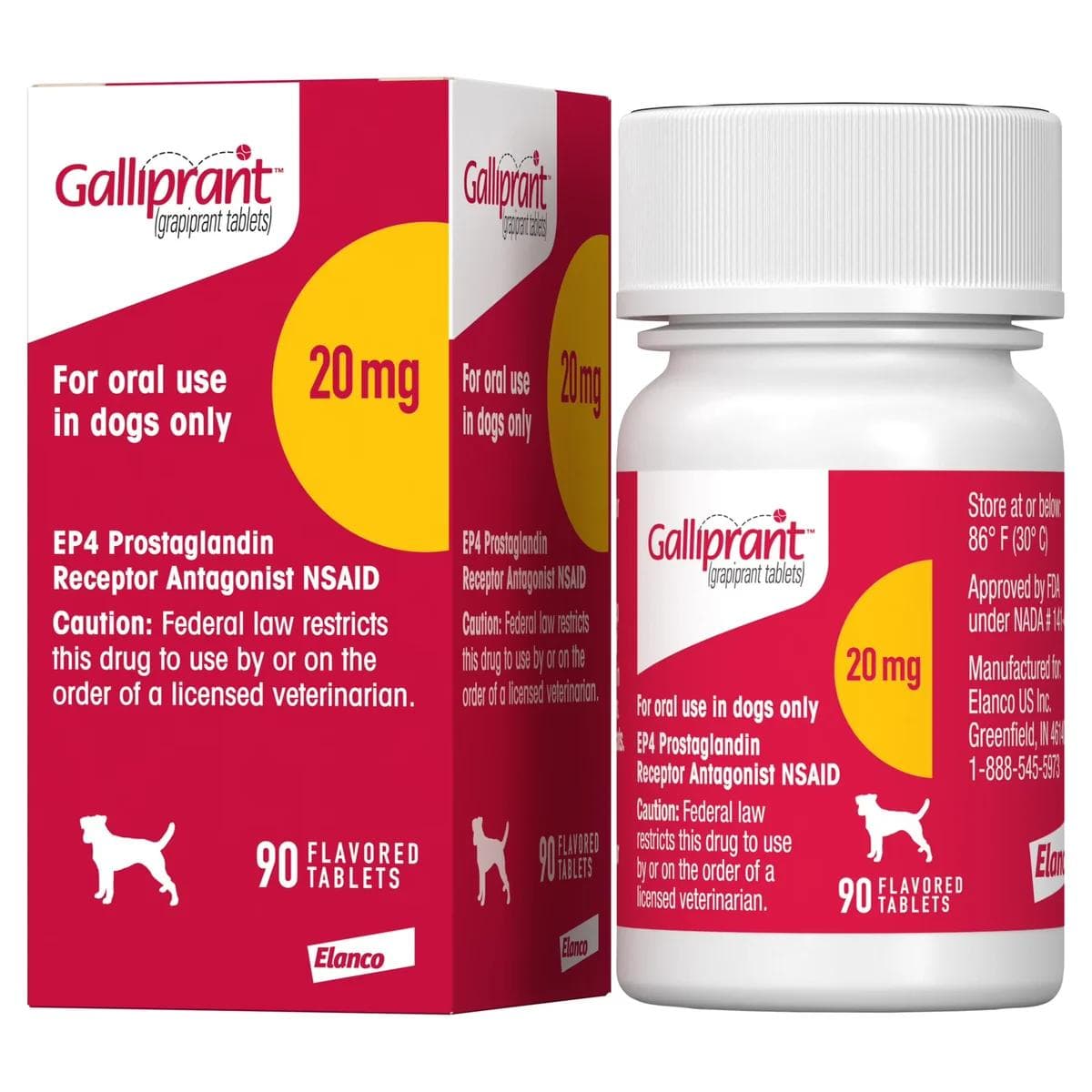
A prescription anti-inflammatory made specifically for arthritis pain in dogs. It needs a vet's diagnosis and script, and it is precisely why you never reach into your own medicine cabinet: human pain relievers are toxic to dogs.
Webvet may earn a commission when you click through to Chewy, at no extra cost to you.
Excess body fat produces inflammatory signaling molecules that stimulate immune pathways throughout the body. Highly processed ingredients, nutrient imbalances, or excessive caloric intake affect metabolic health and inflammatory signaling. Chronic environmental stressors affect hormonal balance and immune regulation. Allergic skin disease, metabolic disorders, and autoimmune conditions stimulate long-term immune activation. Cellular aging processes influence immune signaling and tissue repair mechanisms. Each factor influences the dog inflammatory response through metabolic pathways, immune cell signaling, and tissue stress.
Common Drivers of Chronic Inflammation in Dogs
| Driver | How It Contributes | First Practical Step |
|---|---|---|
| Obesity | Fat tissue actively releases inflammatory signaling molecules | Calorie-aware feeding plan, daily walks |
| Diet quality | Some research suggests certain dietary patterns may influence baseline inflammation, but evidence is still developing | Discuss diet quality and balance with your vet |
| Chronic stress | Sustained cortisol disrupts immune regulation | Predictable routine, enrichment, calm environment |
| Allergies / autoimmune disease | Persistent immune activation against benign or self triggers | Veterinary workup; targeted treatment |
| Aging | Inflammaging: gradual decline in immune precision | Senior diet support, omega-3s, joint care |
GI Inflammation in Dogs: IBD, Stomach Inflammation, and Diet Triggers
Gastrointestinal inflammation in dogs ranges from mild gastritis (stomach inflammation, often diet-related and self-limiting) to inflammatory bowel disease (IBD), a chronic inflammatory condition that affects the stomach and intestinal lining. Common signs of GI inflammation include intermittent vomiting, soft stool or chronic diarrhea, weight loss despite normal eating, gurgling stomach sounds, and reduced appetite. Mild cases often respond to bland diet and rest; chronic or severe cases need veterinary diagnosis (often endoscopy and biopsy).
Common diet triggers for GI inflammation include: sudden food changes, low-quality protein sources, food sensitivities (especially to chicken, beef, dairy), high-fat treats or table scraps, and rich fatty meals (a leading cause of pancreatitis flare-ups). Dietary management is central to long-term IBD control: limited-ingredient or hydrolyzed protein diets, smaller more frequent meals, and removal of trigger foods often produce significant improvement within weeks. Probiotics (especially FortiFlora and Proviable) and omega-3 supplementation help in many cases. Severe IBD may require corticosteroids or other immunosuppressants under veterinary care.
How Diet Quality May Influence Inflammation
Nutrition plays an important role in immune balance and tissue maintenance. Diet composition affects metabolic activity, nutrient delivery, and cellular repair mechanisms. Balanced nutrition supports physiological systems involved in the control of inflammation.
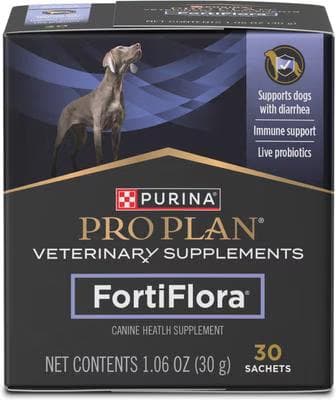
The #1 vet-recommended probiotic for dogs. Daily powder sachets with live probiotics support healthy digestion and firmer stools, and can help dogs coping with diarrhea or GI upset.
Webvet may earn a commission when you click through to Chewy, at no extra cost to you.
Anti-Inflammatory Foods for Dogs
Several nutritional elements influence inflammatory balance directly. Omega-3 fatty acids from fatty fish (salmon, sardines, anchovies) shift the omega-3 to omega-6 ratio in a more anti-inflammatory direction. Antioxidants from blueberries, leafy greens, and colorful vegetables help neutralize oxidative stress. High-quality animal protein supports tissue repair and immune cell production. Turmeric (with curcumin) and ginger have research-supported anti-inflammatory effects in moderate amounts. Easily digestible whole-food ingredients reduce metabolic strain. A well-structured feeding plan that emphasizes these elements aligns with the principles of an anti-inflammatory diet for dogs.
Natural Anti-Inflammatory Remedies You Can Use at Home
Several food-based options have research support for dogs and may help support healthy inflammatory balance when used as part of an overall wellness routine. None of these replaces veterinary care for serious inflammation or pain. The 'doses' below are general ranges discussed in veterinary nutrition literature; actual safe and effective dosing depends on the individual dog (age, weight, health status, medications, history). Always discuss any new supplement with your veterinarian before starting, especially for puppies, seniors, dogs on NSAIDs or blood thinners, dogs with kidney disease or calcium oxalate stone history, and dogs in chemotherapy or radiation treatment.
Vet-Guided Anti-Inflammatory Options for Dogs
| Option | Active Effect | General Range Discussed in Vet Literature | Important Caveats |
|---|---|---|---|
| Fish oil (EPA + DHA) | Anti-inflammatory omega-3 | Vet-guided dose by body weight; veterinary-grade product preferred | Avoid in dogs on blood thinners without vet input; mercury sourcing matters |
| Turmeric (curcumin) | Anti-inflammatory, antioxidant | Small amounts only; vet-guided | Avoid with blood thinners, NSAIDs; risk for dogs with calcium oxalate stones, GI ulcers, or pregnancy |
| Blueberries | Antioxidants | Small amounts as occasional treat | Lower risk; still counts toward daily treat allowance |
| Ginger | Anti-inflammatory, anti-nausea | Small amounts only; vet-guided | Avoid with blood thinners; consult vet for dogs on multiple medications |
| Green-lipped mussel | Joint anti-inflammatory | Per veterinary product label | Generally well tolerated; vet input still recommended |
| Bone broth (low or no sodium) | Glycine, gut support | Small amounts as topper | Avoid commercial broths with onion, garlic; sodium matters for dogs with heart or kidney disease |

Vet-formulated fresh meals delivered to your door. Custom portions tailored to your dog. No fillers, no by-products.
- 50% off your first box
- Custom portion plans tailored to your dog
- Vet-formulated fresh meals made
Trusted by hundreds of thousands of dog parents
Webvet may earn a commission when you click through to Farmers Dog, at no extra cost to you.
The Role of Minimally Processed Diets
There is growing interest in dietary patterns that emphasize ingredient transparency and gentle preparation methods. Minimally processed diets focus on whole ingredients and balanced formulations designed for canine physiology. Fresh meats, vegetables, and nutrient-dense components provide natural nutrient diversity. Proper ratios of protein, fat, vitamins, and minerals maintain metabolic balance. Controlled cooking temperatures preserve nutrient integrity while maintaining food safety. Some fresh dog food services follow this nutritional philosophy. The Farmer's Dog produces fresh meals formulated for dogs using minimally processed ingredients and veterinary nutrition principles. Some veterinarians discuss these models during conversations about ingredient transparency and long-term dietary wellness.

Other Ways to Support Healthy Inflammatory Responses
Long-term inflammatory balance involves more than nutrition alone. Lifestyle management plays a major role in maintaining physiological stability and metabolic health. Maintaining a healthy body weight is among the highest-leverage interventions, since excess body fat contributes to systemic inflammatory signaling. Regular exercise supports circulation, muscle strength, and metabolic stability. Routine veterinary care identifies disease risk factors early. Consistent routines and low-stress environments support hormonal balance. These practices contribute to whole-body health and reduce factors linked to chronic inflammation.
Compare coverage choices for your pet, then request a quote directly on Lemonade.
- Check a price for your pet
- Review available coverage choices
- See the terms before you decide
Eligibility, waiting periods, limits and exclusions apply.
Webvet may earn a commission when you click through to Lemonade, at no extra cost to you.
Anti-Inflammatory Medications: NSAIDs, Steroids, and What's Safe for Dogs
Veterinary anti-inflammatory medications for dogs fall into two main classes: NSAIDs (non-steroidal anti-inflammatory drugs) and corticosteroids. Both are powerful and effective when prescribed correctly, both have meaningful risks when misused. Common veterinary NSAIDs include carprofen (Rimadyl), meloxicam (Metacam), deracoxib (Deramaxx), grapiprant (Galliprant), and firocoxib (Previcox). These are the standard first-line treatments for joint pain, post-surgical inflammation, and acute injury.
Human NSAIDs (ibuprofen, naproxen, aspirin, acetaminophen / Tylenol) are NOT safe for dogs at typical human doses. Ibuprofen and naproxen can cause GI ulcers, kidney failure, and death in dogs. Acetaminophen is toxic to dogs at relatively low doses. The FDA explicitly warns against using human pain relievers in dogs without veterinary supervision. Corticosteroids like prednisone are used for severe inflammation, autoimmune disease, and allergies; they're highly effective but require veterinary monitoring due to long-term effects on liver, adrenals, and immune function.
Vet-formulated fresh meals delivered to your door. Custom portions tailored to your dog. No fillers, no by-products.
- 50% off your first box
- Custom portion plans tailored to your dog
- Vet-formulated fresh meals made
Trusted by hundreds of thousands of dog parents
Webvet may earn a commission when you click through to Farmers Dog, at no extra cost to you.
Frequently Asked Questions
What causes inflammation in dogs?
Inflammation develops as part of the dog's inflammatory response to injury, infection, toxins, or tissue irritation. Common drivers of chronic canine inflammation include obesity, chronic disease, poor diet quality, environmental stress, and aging.
What is chronic inflammation in dogs?
Chronic inflammation in dogs describes persistent immune activity that remains active for long periods rather than resolving after healing. This ongoing inflammatory signaling can contribute to tissue stress, metabolic imbalance, and conditions such as joint inflammation.
Can diet affect inflammation in dogs?
Yes. Diet quality influences metabolic health and immune regulation. Nutrient balance, fatty acid composition (especially omega-3s), and ingredient quality form key elements of an anti-inflammatory diet for dogs.
How can I tell if my dog has inflammation?
Visible indicators include swelling, redness, heat, stiffness, or reduced activity. Subtle signs include slower starts in the morning, dull coat, recurring itchy skin or ear infections, and reduced exercise tolerance. A cluster of these signs over a few weeks warrants veterinary evaluation.
When should I see a veterinarian about my dog's inflammation?
A veterinary evaluation becomes important when symptoms such as swelling, persistent discomfort, changes in mobility, or unexplained fatigue appear. Professional assessment identifies the underlying causes and supports appropriate health management.
Do omega-3s really help with inflammation in dogs?
Yes, with caveats. Research supports modest anti-inflammatory benefits from omega-3 (EPA and DHA) supplementation, especially for joint inflammation. Dose, source quality, and overall diet matter. Ask your veterinarian for an appropriate dose based on body weight and condition before adding fish oil.
Is grain-free food less inflammatory for dogs?
Not necessarily. Grain-free is a marketing category, not an inflammation classification. Many dogs tolerate grains well. Ingredient quality, processing method, and overall diet balance matter more than whether grains are present. Some grain-free diets are higher in legumes that may carry their own concerns. Talk to a veterinarian before switching for inflammation reasons.
What can I give my dog for inflammation at home?
Vet-safe at-home options include fish oil (250 to 500 mg combined EPA+DHA per 20 lbs body weight), turmeric (1/8 to 1/4 tsp powder with healthy fat), blueberries (5 to 10 per day), and bone broth without onion or garlic. Never give ibuprofen, naproxen, aspirin, or acetaminophen at human doses; all are toxic to dogs. For significant pain or inflammation, see a vet for prescription NSAIDs like carprofen or meloxicam.
What's the best over-the-counter anti-inflammatory for dogs?
There is no truly safe human over-the-counter anti-inflammatory for dogs. Ibuprofen, naproxen, aspirin, and Tylenol can cause serious harm. Veterinary NSAIDs like carprofen (Rimadyl), meloxicam (Metacam), and Galliprant require a prescription. For mild inflammation, omega-3 fish oil and joint supplements with green-lipped mussel are vet-safe over-the-counter options.
How is inflammatory bowel disease (IBD) treated in dogs?
IBD treatment combines dietary management (limited-ingredient or hydrolyzed protein diet), probiotics (FortiFlora, Proviable), omega-3 supplementation, and in moderate-to-severe cases, prescription anti-inflammatories or immunosuppressants under veterinary care. Diagnosis usually requires endoscopy and biopsy. Most dogs improve significantly within 4 to 8 weeks of starting the right treatment combination.
Final Thoughts on Inflammation in Dogs
Understanding inflammation in dogs supports informed decisions about long-term canine health. While inflammation is a natural immune defense, persistent inflammatory activity can affect metabolic health, tissue integrity, and conditions such as joint inflammation.
Balanced nutrition, healthy body weight, regular exercise, and routine veterinary care support overall wellness. Dietary approaches emphasizing nutrient balance and minimally processed ingredients, including fresh-food options such as The Farmer's Dog, are part of broader strategies that support healthy inflammatory responses in dogs.
$65 · no membershipHave a health question about your dog?
A licensed vet can assess your dog over video and prescribe online when it's appropriate.
Talk to a vet- Licensed vets
- All 50 states
- same-day Rx
Webvet may earn a commission if you book.

Veterinarian · DVM
Athena Gaffud, DVM, is a licensed veterinarian and writer based in the Cagayan Valley of the northern Philippines. She runs the website countryvetmom.com. Dr. Gaffud earned her Doctor of Veterinary Medicine degree from the University of the Philippines Los Baños in 2011, ranking in the top 10 and receiving the Best Undergraduate Thesis Award in Large Animals. With over a decade of experience, she has worked as a researcher, a practitioner for small and large animals, and in veterinary technical sales, marketing, and pet insurance. A published author, Dr. Gaffud promotes responsible pet ownership and combats misinformation on animal care through her platforms, including the DocAthena Facebook Page and DocAthena YouTube channel. She is a writer and editor for various pet-related websites such as Total Vet, Honest Paws, PangoVet, Dogster, Catster, My Best PH, Paw Origins, Bully Max, Not a Bully, Paws and Claws CBD, many others. She was also cited in different pet-related media articles such as The Dog People, USA Today, Newsweek, New York Post, Reader’s Digest, Smithsonian Magazine, Woman’s World, Dog Time, Patch, Kinship, Martha Stewart, and many others. Moreover, she is also a published fiction author on Kindle.


