Excessive Drooling in Dogs: Causes and When to Worry
Excessive drooling in dogs can be breed-normal or a sign of nausea, dental pain, heatstroke or a toxin. Learn the causes, the emergency red flags and safe steps to take at home.

BVMS MRCVS
Medically reviewed by Dr. Pippa Elliott, BVMS MRCVS · Last reviewed

This article contains affiliate links. Webvet may earn a commission when you buy through them, at no extra cost to you.
Excessive drooling in dogs can be as harmless as a Saint Bernard watching the treat jar or as urgent as a terrier who just mouthed a toad. The amount of drool rarely tells you which. What matters is whether the drooling is new for your dog and what else is happening with it.
This guide covers why dogs drool, how to spot a real change, the causes vets check, emergency red flags and safe steps at home. For step-by-step triage, use our excessive drooling symptom checker.
Why Is My Dog Drooling So Much?
Dogs drool when they make more saliva than they swallow, or when something stops them from swallowing. Vets call extra saliva ptyalism. When output is normal but the dog cannot keep saliva in, the Merck Veterinary Manual calls it pseudoptyalism.
Whether you call it drooling, slobbering or slavering, these are the most common reasons a dog drools a lot:
- Food, excitement or anticipation (brief and normal)
- Loose, heavy lips in breeds built to drool
- Nausea, including car sickness
- Mouth pain from dental disease, a broken tooth or an injury
- Something stuck in the mouth or throat
- Stress or fear
- Toxins, irritating plants, toads or a bitter taste
- Overheating and heatstroke
- Less often, salivary gland, nerve, liver, kidney or esophagus disease
- 1A sudden change from your dog's usual drooling matters more than the amount.
- 2Go to an emergency vet now if drooling comes with collapse, breathing trouble, seizures, a swollen belly, heat exposure or a possible toxin.
- 3Pawing at the mouth, bad breath or dropping food points to mouth pain that needs a prompt vet visit.
- 4Heavy-lipped breeds drool every day, so compare today with their normal.
Sudden Drooling in a Dog That Seems Fine
If your dog is suddenly drooling too much, look for what changed. A dog drooling a lot all of a sudden but acting fine may have smelled dinner, ridden in the car or licked something bitter, and that drool stops soon after the trigger passes.
Quick checks help: look for a new chew or toy, a recent car ride, a hot day, a storm or anything bitter within reach, and note whether your dog is eating normally.
Drooling that keeps going, returns for no clear reason or runs more than normal is different. Dental pain and nausea often hide in a dog with no other symptoms, so book a vet visit.
Normal Drooling vs. Excessive Drooling in Dogs
Every dog makes saliva all day. It is mostly water, with enzymes and antibacterial compounds that start digestion, according to VCA Animal Hospitals. A short burst of drool when food appears, at the dog park or when meeting a new dog or puppy is normal.
Living With a Breed That Drools
Breeds with loose, heavy upper lips (called flews) cannot hold saliva in, so it drips or flies when they shake their heads, the American Kennel Club explains. For these dogs, aim for comfort and a cleaner home, not a dry mouth:
- Keep a microfiber towel by the door and water bowl for quick jowl wipes.
- Tie on a bandana or drool bib to catch strings between wipes.
- Wipe saliva staining around the mouth daily with face and paw wipes or a soft cloth, then pat dry.
- Wash bedding and sheets often, since fresh saliva stains lift more easily.
- Feed in one easy-to-clean spot, because no training stops drool over food.
- Cover the couch, bed or car seat with a washable, waterproof layer.
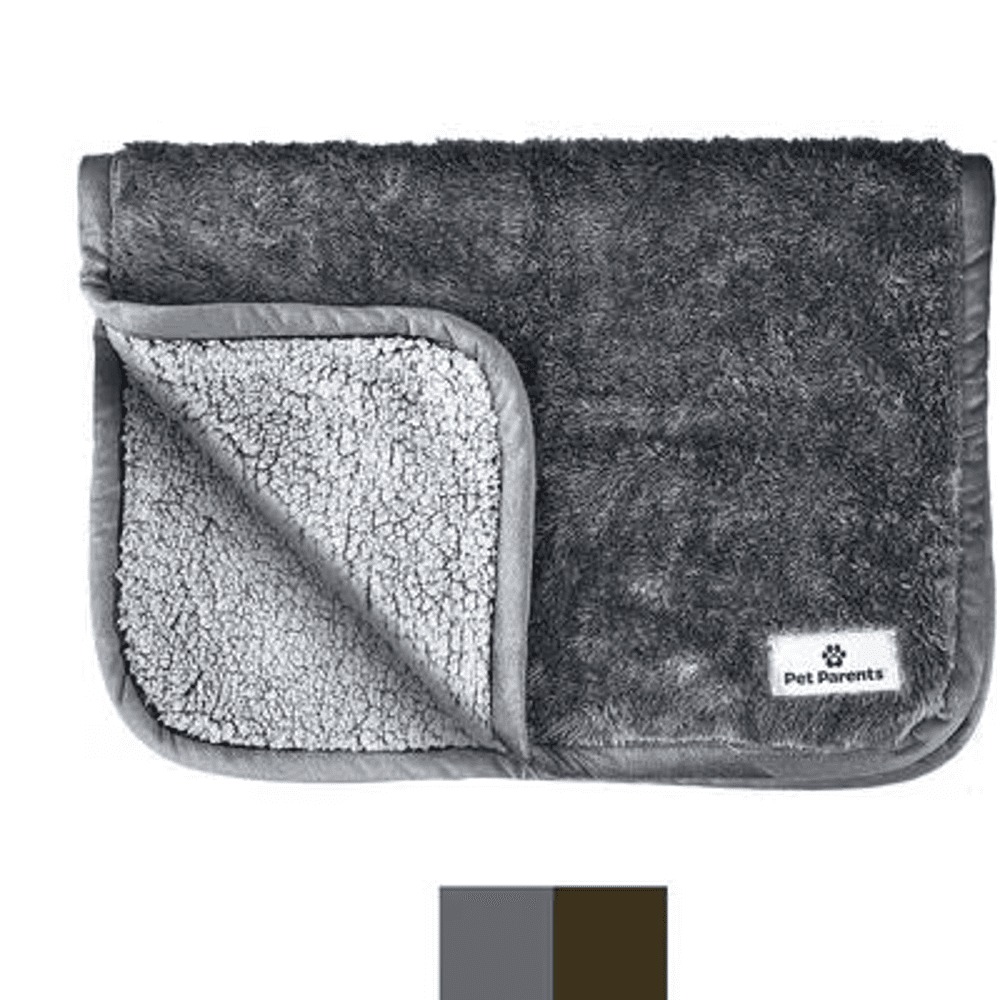
A plush sherpa blanket with a hidden waterproof lining, so drool soaks into a machine-washable layer instead of your couch, bed or car seat.
Webvet may earn a commission when you click through to Chewy, at no extra cost to you.
Constant moisture in deep lip folds can cause lip fold dermatitis, a red, smelly skin infection. Today's Veterinary Practice lists daily antimicrobial cleaning and dry folds as first-line care, so ask your vet which cleanser to use.
Which Breeds Drool the Most?

The AKC rates each breed's drooling level from 1 to 5. Lip shape matters more than size: the small French Bulldog scores the same 3 as the larger Boxer, while the large Borzoi scores a 1.
| Breed | AKC drooling level (1–5) | Still not normal for this breed |
|---|---|---|
| Newfoundland | 5 | Drool that suddenly smells bad or turns bloody |
| Saint Bernard | 5 | Drooling with retching and a swelling belly |
| Bloodhound | 5 | Drooling from only one side of the mouth |
| Dogue de Bordeaux | 5 | Heavy drooling with nonstop panting on a warm day |
| Neapolitan Mastiff | 5 | Red, smelly skin in the lip folds |
| Mastiff | 4 | New pawing at the mouth or dropping food |
| Great Dane | 4 | Drooling with unproductive retching |
| Basset Hound | 4 | Drooling with a bloated, tight belly |
| Bernese Mountain Dog | 3 | Drooling that is new or much heavier than usual |
| Boxer, Bulldog, French Bulldog | 3 | Drooling with noisy breathing or overheating |
So do Bernese Mountain Dogs drool a lot? Moderately, in the same middle range as English Bulldogs and Boxers. Not all big dogs drool, and small dogs usually drool only with the triggers above.
The breeds that drool least include the Standard Poodle, Alaskan Malamute, Akita, Borzoi, Greyhound and Samoyed, all rated 1 by the AKC, so a large dog does not have to be a slobbery one.
Signs Drooling Has Become Excessive
Drooling becomes excessive when it changes from your dog's own baseline. Watch for:
- A soaked chin, chest or front legs on a dog that is usually dry
- Puddles or long strings of drool on floors and bedding
- Thick, sticky, mucus-like, foamy or frothy saliva
- Saliva that smells bad or turns brown, red or blood-tinged
- Drooling with lip licking, pawing at the mouth, vomiting or lethargy
Thick, sticky saliva often comes with heavy panting, nausea or dehydration, and white foamy saliva is usually drool whipped up by panting. Brown or blood-tinged drool and saliva that smells bad point toward the mouth, such as dental disease or an injury. If you also have a cat that drools, Petful explains when a drooling cat needs a vet.
Why is your dog dripping clear liquid? Clear liquid dripping from the mouth is usually saliva. If it comes from the nose, it is nasal discharge from irritation, allergies or a respiratory problem, and new or constant clear drool deserves the same checks as any excessive drooling.
 $65 · no membership
Have a health question about your dog?
A licensed vet can assess your dog over video and prescribe online when it's appropriate.
 Talk to a vet
- Licensed vets
- All 50 states
- same-day Rx
Webvet may earn a commission if you book.
Common Causes of Excessive Drooling in Dogs
Vets work through the causes of excessive drooling in dogs starting with the mouth, then the stomach, then the rest of the body. Illnesses that cause drooling range from dental disease and mouth infections to salivary gland problems, nerve damage, liver and kidney disease and bloat, and causes can overlap.
Dental Disease, Broken Teeth and Mouth Pain
Mouth pain is one of the most common medical reasons a dog drools. More than 80% of dogs over age three have active dental disease, according to VCA, and periodontal (gum) disease can make dogs drool, drop food, chew on one side or paw at a swollen, sore mouth.
Does drooling mean your dog is in pain? Not always, but new drooling with bad breath, teeth chattering, a trembling or quivering mouth or blood-tinged saliva often does. Broken teeth, ulcers, oral tumors and stick injuries can hurt a dog that never whimpers. See how rotting teeth in dogs progress.
After your vet treats the mouth, daily brushing is the most effective way to keep plaque from returning, according to the AVMA. Use an enzymatic dog toothpaste, never a human one, with a soft dual-ended toothbrush, and follow our guide to brushing your dog's teeth.
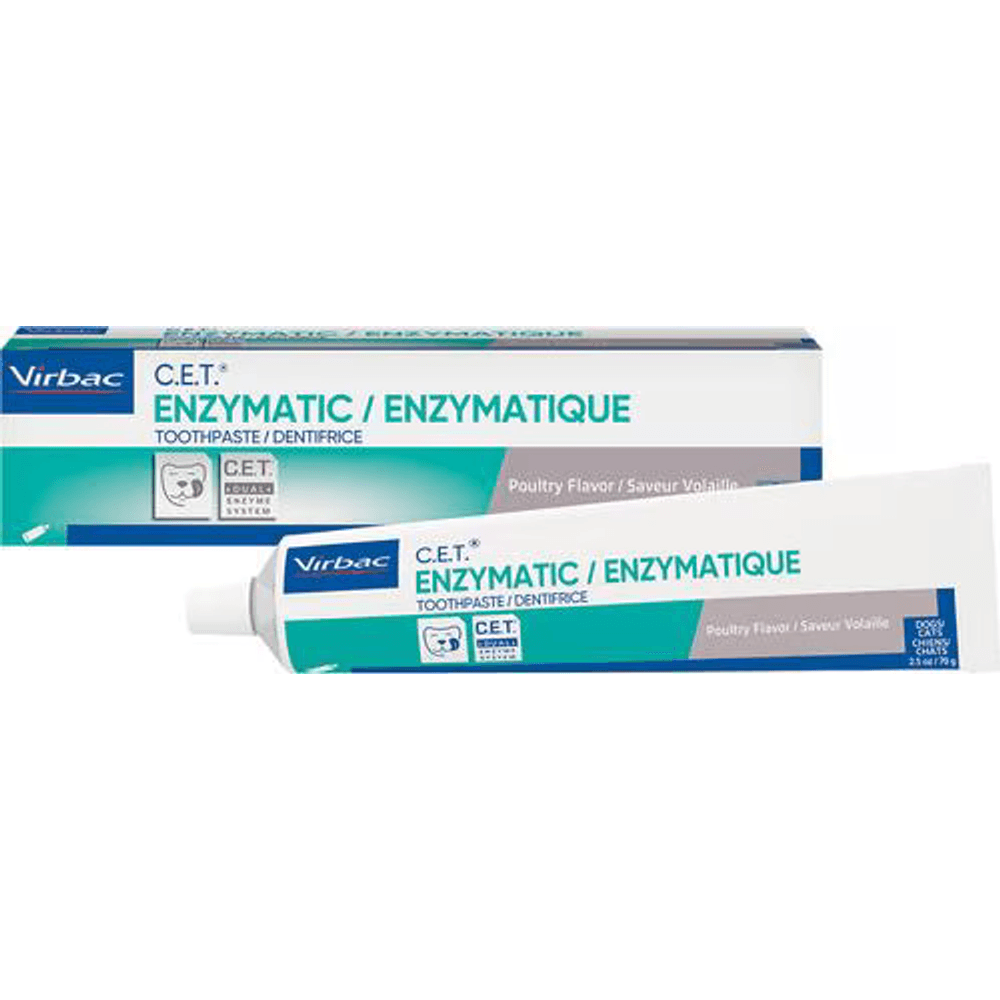
The vet-favorite enzymatic toothpaste. Its dual-enzyme system keeps working between brushings to control plaque and freshen breath, and the poultry flavor makes daily brushing easy.
Webvet may earn a commission when you click through to Chewy, at no extra cost to you.
Something Stuck in the Mouth or Throat
A stick wedged across the roof of the mouth, a bone splinter or an object in the throat causes sudden, heavy drooling, often with pawing, gagging, head shaking or holding the mouth open. Cooked bones and sticks are common culprits, as our guide to the hidden dangers of bones explains.
Look only if your dog is calm and lets you open the mouth in good light, and never pull on string or anything deep in the throat. If you find and remove an object, bring it to the vet visit. Drooling with coughing and gagging can also signal a throat problem, and any struggle to breathe needs a vet now.
Nausea, Car Sickness and Upset Stomach

Nausea is a classic cause. A queasy dog licks its lips, keeps swallowing, yawns and drools, often before and after vomiting or throwing up foam or saliva. Stomach upset, reflux and eating something disagreeable all do this. If vomiting or diarrhea continues, see our guide to an upset stomach in dogs.
Dogs that drool in the car are usually carsick, anxious or both. The Merck Veterinary Manual notes that fear of vehicles can bring on signs even in a parked car, and the AKC says puppies are most prone because the balance structures in their inner ears are still developing. Carsick drooling usually eases once the ride is over.
For repeat car sickness, ask your vet about maropitant (Cerenia), which the Merck Veterinary Manual calls the preferred FDA-approved drug for motion sickness in dogs. Its FDA-approved label covers preventing motion-sickness vomiting in dogs 4 months and older. Short, pleasant practice drives also help.
Stress, Fear and Excitement
Anxious or nervous dogs drool too, often while panting, pacing, shaking or yawning. Storms, vet visits, crates and car rides are common triggers. Dogs with separation anxiety may salivate, shake or refuse to eat when left alone, according to VCA.
Excitement drooling at the door before a walk works the same way. Stress drooling fades once the trigger passes. If it does not, or your dog is shaking and drooling with vomiting or weakness, think toxin or illness rather than nerves, and see our guide to why a dog is shaking.
Gradual practice helps most: short crate sessions, car rides that end somewhere fun and a safe retreat during storms. Some owners add a dog-appeasing pheromone spray to crate bedding or the car blanket, and our anxiety relief guide compares options.
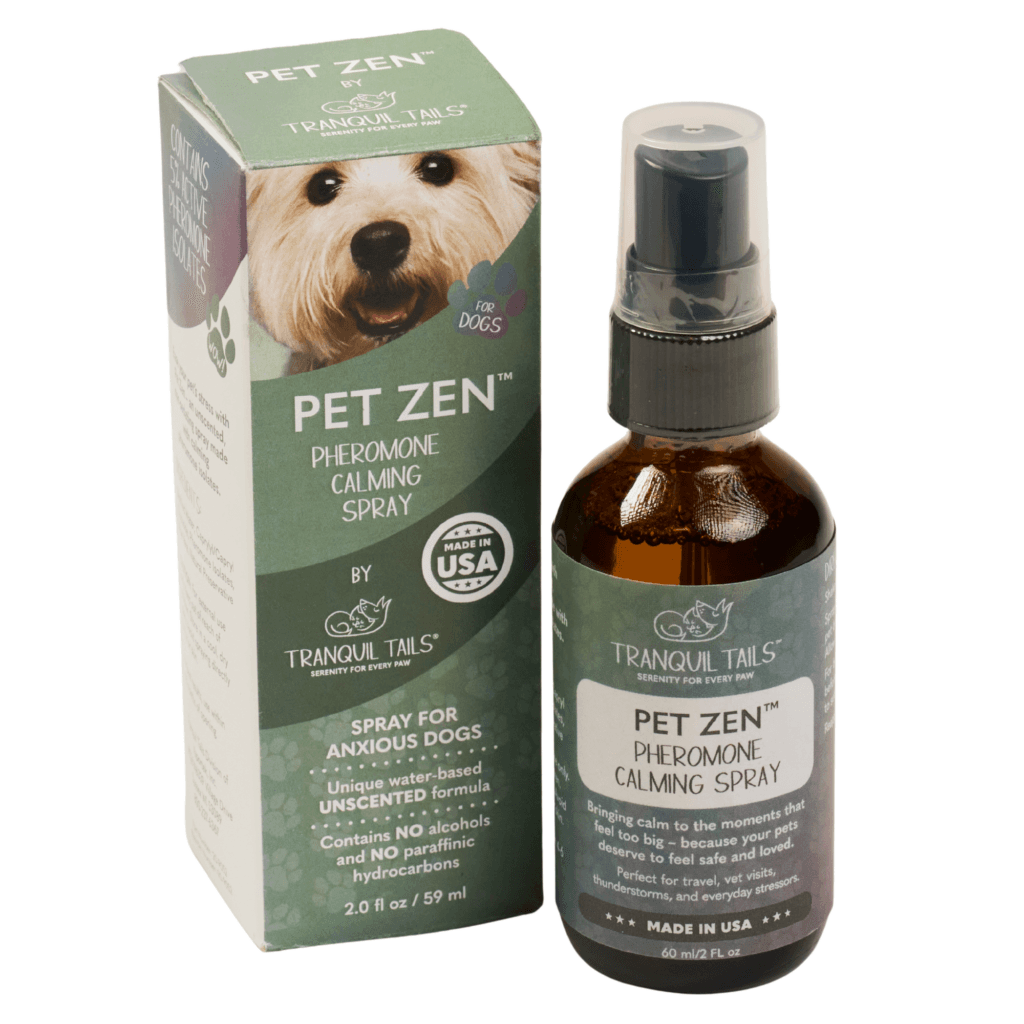
Unscented surface spray for dog bedding, blankets and carriers. Alcohol-free formula; do not spray directly on your dog.
Webvet may earn a commission when you click through to Chewy, at no extra cost to you.
Toxins, Toads and Irritating Plants
Sudden, heavy drooling is often the first sign a dog has mouthed something harmful. Dieffenbachia causes mouth burning and excessive drooling, according to the ASPCA, and toads cause frothy drooling, head shaking, pawing and retching, per Merck.
Caustic cleaners, insecticides and human medicines also trigger drooling. Licking a wet topical flea product causes drooling from the bitter taste, which the Pet Poison Helpline says is usually mild and short-lived.
Overheating and Heatstroke
Heavy panting and drooling while walking on a hot day, after exercise or in a parked car can signal heatstroke. The Merck Veterinary Manual lists hot skin, vomiting, drooling, rapid panting, loss of coordination and collapse among the signs. A normal dog temperature is about 101.5–102°F, but never delay the drive to the vet to take a reading.
Flat-faced and heavier dogs are at higher risk: a VetCompass study of UK dogs found brachycephalic breeds had about twice the odds of heat-related illness. Move an overheated dog to shade, wet the body with cool water and see a vet, as our heatstroke guide explains.
Salivary Gland Problems
Dogs have parotid, mandibular, sublingual and zygomatic salivary glands. The most common salivary problem is a salivary mucocele (sialocele), where saliva leaks from a damaged gland or duct and pools under the skin, according to Merck.
It usually appears as a soft, painless swelling under the jaw or on the neck, often mistaken for a cyst. Under the tongue (a ranula), it can cause awkward eating and blood-tinged drool, per the American College of Veterinary Surgeons.
Poodles, German Shepherd Dogs, Dachshunds and Silky Terriers are predisposed. Your vet can confirm it by drawing off a little thick, yellowish or blood-tinged saliva with a needle. Draining the fluid helps only briefly; salivary gland removal is the lasting fix. Swollen salivary glands can also come from inflammation and, rarely, tumors.
Nerve, Liver, Kidney and Esophagus Problems
Some illnesses cause drooling because a dog cannot swallow normally, and others affect the whole body:
- Facial nerve paralysis: drooling from one side of the mouth, a drooping lip or ear and an eye that will not blink, per VCA. Most cases have no known cause, but a middle or inner ear infection can trigger it.
- Megaesophagus: a weak, enlarged esophagus makes dogs regurgitate, drool and gurgle when they swallow, per VCA.
- Liver disease: a liver shunt in a young dog can cause drooling with dullness, circling or head pressing, according to Merck.
- Kidney failure: nausea and a sore mouth cause drooling, often in a dog drinking lots of water.
- Seizures and rabies: drooling can come before or during a seizure, and the CDC notes that animals with rabies may drool more than normal.
- Bloat (GDV): drooling with retching that brings nothing up and a swelling belly is an emergency, especially in large, deep-chested breeds, per VCA.
A dog that is drooling and lethargic, not eating or acting strange is more likely sick than excited. One-sided drooling in an older dog deserves a prompt exam, since ear disease, nerve problems and mouth tumors can start that way.
How to Prevent Drooling Problems
You cannot prevent every cause, but the most common medical ones are predictable:
- Keep up dental care. Brush daily and add a chew accepted by the Veterinary Oral Health Council, such as C.E.T. VeggieDent Fr3sh chews, which carry the VOHC seal for plaque and tartar. Our guide to tartar on dog teeth explains why buildup matters.
- Pet-proof cabinets and bins. Store cleaners, medications, insecticides and batteries behind latches a curious nose cannot open, and follow our tips to dog-proof your home.
- Carry water in warm weather. A collapsible travel bowl makes it easy to offer drinks and shade breaks on walks, and never leave a dog in a parked car.
- Choose safer chews. Skip sticks and cooked bones, and see our vet-recommended dental chews for alternatives.
- Practice car rides early, especially with puppies.
- Keep vaccines current, including rabies and distemper.
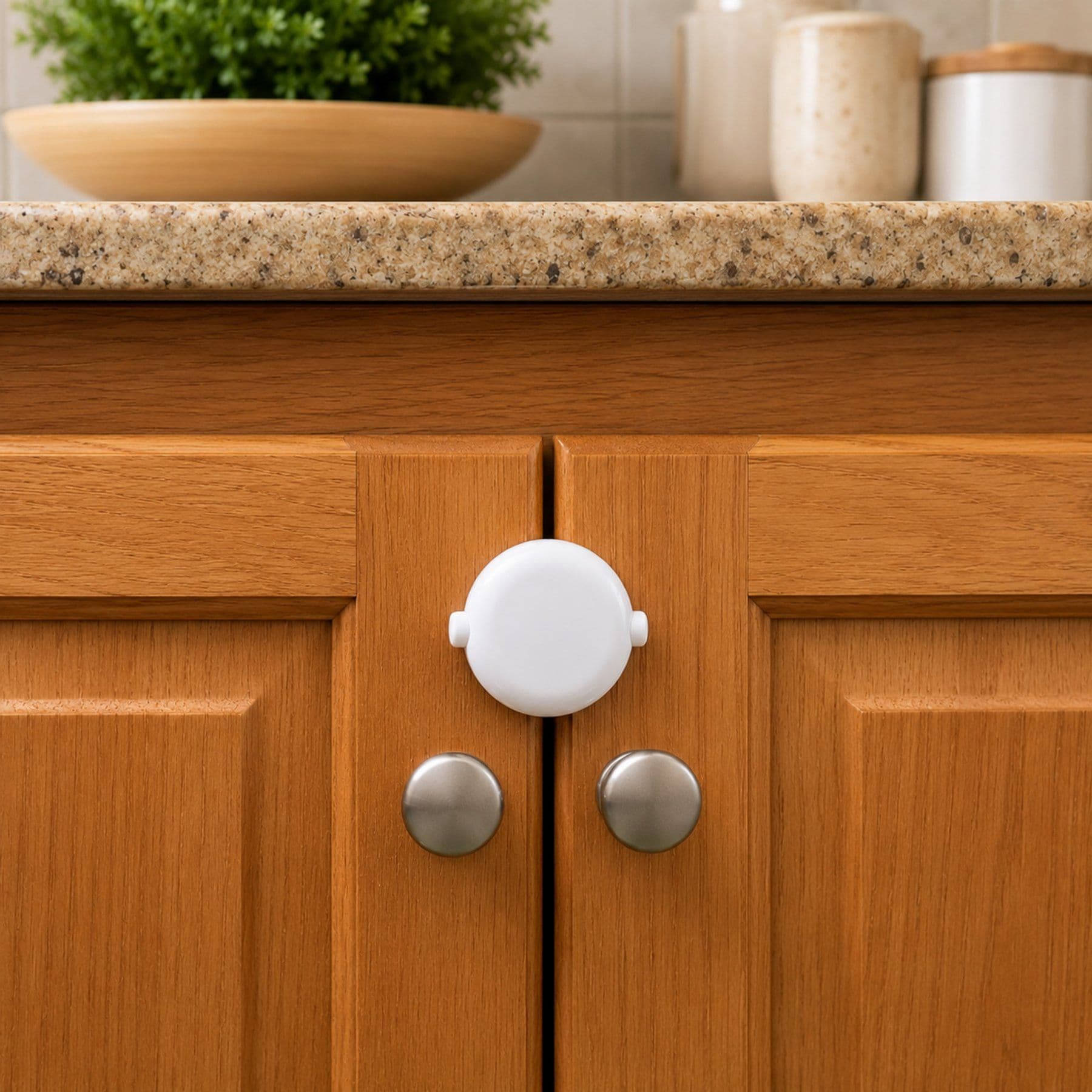
Adhesive double-door cabinet locks made for homes with dogs, no drilling. Bait stations, cleaners, and medications belong behind a latch a nose cannot open, which is the prevention step every poison-control call ends with.
Webvet may earn a commission when you click through to Chewy, at no extra cost to you.
When Is Excessive Drooling an Emergency?
Is excessive drooling in dogs an emergency? It is when it comes with signs that the airway, brain, stomach or circulation are in trouble. Take your dog to the vet for excessive drooling right away, day or night, and call the emergency clinic on the way if you see any of these:
Why Drooling Is a Red Flag
Drooling is a red flag because it often means a dog cannot or will not swallow, which points to pain, an obstruction, nausea, a toxin or a nerve problem. Many poisonings cause drooling as an early sign, and the ACVS lists drooling among the first signs of bloat.
When Should I Be Worried About Drooling?
Be worried when drooling comes with another sign. If you are unsure, call your vet or an emergency clinic, and knowing typical emergency vet costs ahead of time makes that call easier. This guide shows how the companion sign changes the picture:
| Drooling plus... | What it can point to | How fast to act |
|---|---|---|
| Lip licking, swallowing, yawning | Nausea or car sickness | Call your vet today if it keeps going |
| Bad breath, dropping food, teeth chattering | Dental disease or mouth pain | Book a prompt vet visit |
| Pawing at the mouth, gagging | Something stuck in the mouth or throat | Emergency if breathing is affected; otherwise today |
| Heavy panting in the heat | Heatstroke | Emergency now |
| Frothing after mouthing a toad or plant | Toxin or irritant | Rinse and call now |
| Drooling from one side, drooping lip | Facial nerve problem or mouth mass | Book a prompt vet visit |
| Soft swelling under the jaw or tongue | Salivary mucocele | Book a prompt vet visit |
| Retching with nothing coming up, swollen belly | Bloat (GDV) | Emergency now |
| Tremors, seizures, wobbling | Toxin or neurologic disease | Emergency now |
When to Book a Regular Vet Visit
Take your dog to the vet for drooling at a regular appointment, rather than the ER, when the drooling is new or heavier than usual but your dog is alert, breathing normally, eating and drinking. Call the same day to ask how soon to come in for:
- Drooling that outlasts the trigger that started it
- Bad breath, red gums, broken teeth or dropping food
- A new lump or swelling under the jaw or tongue
- Drooling from one side of the mouth or drooling that keeps coming back
What to Do at Home When Your Dog Is Drooling

If your dog has no emergency signs, these steps help you find the cause safely:
- Check the surroundings for chewed plants, open cleaners, a toad, spilled pills or a hot car or yard.
- Look in the mouth only if it is safe. Gently lift the lips in good light, but never put your hand in the mouth of a dog that is seizing, panicked or in pain, or one with possible rabies exposure.
- Rinse, do not induce vomiting. After a bitter or irritating taste, offer water or a tasty treat. Do not make your dog vomit unless a vet or poison line says to.
- Cool down and calm down. Move an overheated dog to shade and give an anxious dog a quiet space.
- Keep the skin dry by wiping the chin, lips and chest.
- Write it down. Note when the drooling started, what your dog ate or chewed and any vomiting, and take a short video.
What Can I Give My Dog to Stop Excessive Drooling?
Nothing at home reliably stops excessive drooling, because drool is a symptom and treating the cause is what stops it. Do not give human medicines, including antihistamines, anti-nausea tablets or stomach remedies, without your vet's dose.
What Home Remedy Stops Drooling?
The home remedy that works depends on the trigger: water after a bitter taste, shade and cooling for heat, a calm break for stress and brushing for plaque over time. If drooling and vomiting keep going or keep coming back, stop home remedies and call your vet.
How Vets Find and Treat the Cause
Your vet will ask when the drooling began, what your dog could have chewed or eaten and whether there was travel, heat, vomiting or appetite change, then examine the mouth, neck and salivary glands. Tests depend on the findings:
- A sedated oral exam and dental X-rays for teeth, gums and hidden objects
- Bloodwork and a urine test to check the liver and kidneys
- X-rays or ultrasound for swallowed objects, bloat or megaesophagus
- A needle sample of any swelling, such as a suspected mucocele
- CT, endoscopy or a biopsy when the cause is still unclear
Treatment of excessive drooling in dogs targets the cause, whether it started suddenly or slowly: dental care, foreign object removal, anti-nausea medicine, cooling for heatstroke, decontamination for a toxin or surgery for a mucocele. Excessive salivation and lip licking usually settle once the cause is treated.
Drool-Management Surgery: When It Makes Sense
Surgery is rarely the answer for normal breed drooling. Vets treat drooling by fixing its cause, and they reserve salivary and lip surgery mostly for disease or for lips that cause real problems, not to make a healthy, comfortable dog drier. When drooling needs an operation, it is usually one of these:
- Salivary gland removal for a mucocele. The mandibular gland's duct runs through the sublingual gland, so surgeons remove the two together. The ACVS notes dogs do not get a dry mouth afterward.
- Lip fold surgery (cheiloplasty). For lip fold infections that keep returning despite cleaning and medication, a surgeon can reduce the fold.
- Treating the source. Extracting diseased teeth, removing an oral mass or retrieving a foreign object often ends the drooling.
Is it cruel to operate just to reduce drool? When drooling comes from healthy lips, towels, bibs and cleaning manage it. Every operation carries anesthesia and wound risks, so surgery makes sense only when it fixes a problem your vet has confirmed.
Before agreeing to any drool-related surgery, ask your vet these questions:
- 1What exactly is causing the drooling, and how was it confirmed?
- 2What is the anesthesia risk for my dog's age and breed?
- 3How likely is the problem to return after surgery?
- 4Should a nonsurgical option come first?
These surgeries can be costly. If your heavy-lipped breed is not yet insured, compare a pet insurance quote while your dog is healthy, because most policies exclude conditions that already exist.
Dog Drooling FAQs
Frequently Asked Questions
Does Benadryl help with excessive saliva?
Only for the right cause and at a dose your vet gives you. Merck notes that antihistamines such as diphenhydramine can reduce drooling tied to motion sickness. They do not treat drooling from dental pain, toxins or heatstroke. Some combination cold products contain decongestants that are dangerous for dogs, so read about Benadryl for dogs first.
Do puppies drool more when they are teething?
Some puppy drooling is normal around meals, play and teething. A puppy drooling a lot with vomiting, lethargy or a swollen belly is different, because puppies swallow toys and toxins easily. Drooling with dullness, circling or head pressing in a young puppy can point to a liver shunt, so call your vet.
Why is my older dog suddenly drooling?
Drooling that starts late in life is more likely medical than lifelong breed drool. Dental disease, mouth tumors, kidney disease and nerve problems become more common in senior dogs, so thick or brown saliva, bad breath or one-sided drooling in an old dog deserves a prompt exam.
Why does my dog drool at night or while sleeping?
A heavy-lipped dog resting with its head down often leaves a wet spot on the bed, which is normal. New drooling at night in a dog that never did it before can come from dental pain or nausea, so note any lip licking and tell your vet.
Can flea medicine make a dog drool?
Yes. A dog that licks a topical flea product before it dries can drool or foam from the bitter taste, which the Pet Poison Helpline says is usually mild and short-lived. Offer water or a tasty treat, and see a vet right away for tremors, weakness or repeated vomiting.
Is it normal for a dog to drool after surgery or anesthesia?
Some drooling on the day of surgery is common, from nausea as anesthesia or sedation wears off, a sore throat from the breathing tube or a tender mouth after dental work. Follow your discharge instructions and call the clinic if drooling does not ease or comes with vomiting, swelling or bleeding.
$65 · no membershipHave a health question about your dog?
A licensed vet can assess your dog over video and prescribe online when it's appropriate.
Talk to a vet- Licensed vets
- All 50 states
- same-day Rx
Webvet may earn a commission if you book.

Editor
The Webvet Editorial Team is the in-house group of pet-care editors and writers behind Webvet, operated by Smart Pet Collective. The team researches, writes, and maintains Webvet's pet health, behavior, and medication content. Every article follows a defined editorial process: research from reputable veterinary and scientific sources, careful drafting, mandatory review of medical content by a credentialed veterinarian, and dated publication. Health and medication articles are medically reviewed by a licensed veterinary professional before they go live and are kept current over time.
Veterinarian · BVMS MRCVS
Dr. Pippa Elliott, BVMS, MRCVS, is a veterinarian with nearly 30 years of experience in companion animal practice. Dr. Elliott earned her Bachelor of Veterinary Medicine and Surgery from the University of Glasgow. She was also designated a Member of the Royal College of Veterinary Surgeons. Married with 2 grown-up kids, Dr. Elliott has a naughty Puggle named Poggle, 3 cats and a bearded dragon.


