Best Dogs for Seniors: 12 Breeds and an Adoption Guide
The best dogs for seniors are calm, manageable individuals whose energy, handling, grooming, cost, and lifetime care needs fit the person. Compare 12 breeds and use a practical adult-dog adoption checklist.

BVMS MRCVS
Medically reviewed by Dr. Pippa Elliott, BVMS MRCVS · Last reviewed

This article contains affiliate links. Webvet may earn a commission when you buy through them, at no extra cost to you.
Best Dogs for Seniors: Quick Answer
The direct fit-first answer is that the best dogs for seniors are not one breed or one size. They are calm, socially compatible individuals whose energy, leash strength, grooming frequency, barking, training, health, cost, and expected lifespan fit the person's daily life. For many older adults, a healthy adult dog with known house manners and foster notes is easier to evaluate than a puppy. A quiet 60-pound Greyhound may be simpler than a highly active 12-pound terrier.
Breed variation can suggest a range of traits, but it cannot guarantee temperament or health. Start with the individual dog, then use breed tendencies as supporting information. The twelve breeds below offer useful starting points across size and lifestyle. Adult mixed-breed rescue dogs belong in the same comparison, and they may provide the clearest evidence about current behavior.
- 1Favor observed calm behavior, manageable leash strength, and realistic daily exercise over a famous breed label.
- 2Adult and fostered dogs often come with useful information about house training, barking, pets, children, and alone time.
- 3Small dogs are easier to lift but can create trip risk and may need frequent grooming or dental care.
- 4Name a backup caregiver and plan for the dog's full lifespan before adopting.
Readiness Checklist: Is a Dog Right for You Now?
Should a 75 year old get a dog? Age alone cannot answer that question. A 75-year-old who enjoys daily walks, has stable housing, can afford veterinary care, and has backup support may be an excellent dog owner. A younger person without time, mobility, housing permission, or financial margin may not be ready. Judge the match by resources and routine, not a birthday.
Before looking at breeds, write down the nonnegotiables. How far can you walk in heat, cold, or rain? Can you safely hold a leash if a dog lunges? Can you lift the dog into a car or arrange help? Does the building restrict weight, barking, or breed? Who provides care during illness, travel, or rehabilitation? What monthly and emergency costs are comfortable?

Webvet may earn a commission when you click through to Chewy, at no extra cost to you.
- Housing allows the dog and offers safe toilet access.
- Daily walking, feeding, grooming, and training fit your energy and mobility.
- Routine veterinary care, medication, grooming, boarding, and emergencies fit the budget.
- A nearby person has agreed to short-notice backup care.
- The dog's likely lifespan fits a written long-term plan.
Start With the Individual Dog

An adult dog can show you its current size, gait, handling comfort, energy, and response to people. Foster caregivers may know whether the dog is house-trained, vocal in an apartment, reactive on leash, comfortable alone, or tolerant of grooming. Ask about prey drive and separation tolerance, and ask what has been observed in a home rather than relying only on behavior in a noisy kennel.
Meet the dog more than once if possible. Walk together, sit quietly, handle the harness, and watch recovery after a mild surprise. A useful candidate can take food gently, respond to the handler, settle after activity, and move without pulling hard. No single meet-and-greet predicts everything, so combine observation with medical records and candid shelter or rescue notes.
How to Match a Dog to Your Daily Life
What is the easiest dog breed for seniors? The easiest dog is a manageable individual whose needs already resemble the person's routine. Manageable size and observed temperament matter more than appearance. A dog that needs two hours of vigorous work every day will not become low maintenance because it is small. A dog that sleeps much of the day still needs toilet breaks, training, preventive care, and social contact.
Match leash strength and body size to safe handling. Small dogs are lighter to transport, but they can move underfoot. Medium dogs may balance visibility and portability. Large dogs are easier to see and may be calmer, but falls, cars, stairs, and emergency lifting require a plan. For age-related energy context, read how much dogs sleep by age.
Housing changes the equation. People searching for the best dogs for seniors over 70 or the best dogs for seniors in apartments still need to compare elevator or stair manners, apartment barking, and a practical toilet routine. A yard helps but does not replace walks or enrichment. Active seniors may prefer a steady walking companion, while people who enjoy quiet routines may favor a lower-energy adult dog that settles indoors. For retirees or older adults living alone, whether in a house, apartment, or condo building, assess indoor footing, mobility issues, cats, grandchildren, and backup help; the same questions apply across condos. Search phrases such as senior citizens or elderly owners should never replace an individual assessment.
Choose for the Individual, Not Age or Gender
What is a good dog for a 70 year old woman? The same fit-first answer applies to a 70-year-old man, woman, couple, or nonbinary person. Gender does not determine strength, activity, experience, or preference. Compare the person's actual routine with the dog's observed behavior and care needs.
Webvet may earn a commission when you click through to Chewy, at no extra cost to you.
Best Dog for a 70 Year Old
What is the best dog for a 70 year old? A calm adult dog that can be handled safely, fits the home, tolerates the necessary grooming, and has a sustainable cost profile is a stronger match than any universal breed winner. Someone who hikes daily may enjoy a moderate sporting or herding mix. Someone who prefers shorter walks may do better with a settled companion breed or mature rescue.
Compare Size, Energy, Grooming, Handling, and Cost
Use this handling and home-layout matrix across several dimensions at once. The best small dogs for seniors, best medium-sized dogs for seniors, and best large dogs for seniors can all be good matches when handling is safe. A low-energy dog with intensive coat care is not low maintenance for someone who dislikes grooming appointments. A small dog that barks at every hallway sound may be a poor apartment fit. A large calm dog may be wonderful until an injury makes car loading impossible. Labels such as toy, lap, miniature, tiny, mid-size, big, or short-haired still do not settle fit; a companion dog must work in apartments, on the leash, and during lifting or transport.
Match Care Needs to Daily Life

| Decision factor | Question to answer before adoption |
|---|---|
| Size and lifting | Can the dog be transported after surgery or during an emergency? |
| Leash handling | Does the dog pull, chase, freeze, or recover calmly around triggers? |
| Exercise | What does the dog need every day, including poor-weather days? |
| Grooming | Can brushing, nails, ears, bathing, and professional appointments be maintained? |
| Barking | How does the dog respond to hallways, visitors, separation, and nighttime sounds? |
| Cost | Do food, preventive care, training, grooming, medication, and emergency savings fit? |
| Backup care | Who can enter the home, handle the leash, and approve veterinary treatment? |
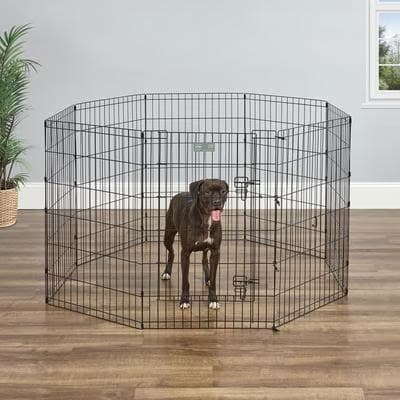
A camera-equipped automatic feeder may support a consistent meal routine and optional remote check-ins, but it cannot replace fresh water, walks, companionship, medication decisions, or a human who can respond. A step-through exercise pen can define a decompression area while avoiding repeated lifting over the side. Keep every enclosure out of the walking path.
 $65 · no membership
Have a health question about your dog?
A licensed vet can assess your dog over video and prescribe online when it's appropriate.
 Talk to a vet
- Licensed vets
- All 50 states
- same-day Rx

Webvet may earn a commission if you book.
What Low Maintenance Really Means
What is the most low maintenance dog to have? Low maintenance is a bundle of tradeoffs. Short coat reduces brushing but may increase shedding. Small size reduces food cost but may raise dental-care needs and trip risk. Low exercise does not mean no enrichment. An adult dog may arrive with manners, but adjustment and training are still necessary.
The closest practical match is often a calm, healthy adult with moderate exercise, easy handling, a manageable coat, and reliable house behavior. Ask the foster or current caregiver for evidence. Avoid choosing solely for a flat face, tiny size, or fashionable coat because those traits can bring health or grooming demands that outweigh convenience. For readers comparing the best low-maintenance, low-energy, or calm dogs for seniors, lazy is a misleading shortcut. The individual still needs exercise, health care, grooming, and a dependable support plan.
Twelve Cautious Breed Profiles
Twelve cautious breed profiles are starting points, not guarantees. Health screening, adult temperament, breeder or rescue practices, and the individual dog's history matter more than a list ranking. Many excellent senior companions are mixed breeds whose foster families can describe their real behavior. Use every profile to create questions for the next meeting, then let observed handling, recovery, health records, and the support plan decide.
Webvet may earn a commission when you click through to Chewy, at no extra cost to you.
Small Companion Dogs

1. Cavalier King Charles Spaniel
Cavaliers are often affectionate, portable, and adaptable to moderate walks. Their gentle reputation can suit a companion home, but inherited heart disease is a serious consideration. Ask for veterinary records and breeder health testing, budget for monitoring, and never assume a young-looking dog is medically low maintenance.
2. Bichon Frise
Bichons are small, social, and often trainable. They shed little compared with many breeds, but the coat requires frequent brushing and professional grooming. A calm adult Bichon may fit an apartment when barking and alone-time behavior have been evaluated.
3. Havanese
Havanese are companion-oriented and usually manageable in size. They need coat care, dental attention, training, and gradual practice being alone. Choose an adult whose attachment style fits the household instead of assuming every Havanese tolerates solitude.
4. Shih Tzu
Shih Tzus can enjoy shorter walks and close companionship. Grooming is substantial, and flat-faced anatomy can increase heat and breathing concerns. Keep weight healthy, avoid hot-weather exertion, and ask a veterinarian about the individual dog's airway, eyes, teeth, and mobility.
5. Miniature Poodle
Miniature Poodles are intelligent, trainable, and lower shedding, but they need regular clipping and mental activity. A bored Poodle is not low maintenance. An adult with calm leash behavior can suit someone who enjoys short training sessions and predictable grooming appointments.
6. Pug
Pugs are sociable and compact, yet their flat faces can bring breathing, heat, eye, skin-fold, and weight-management needs. Do not select a Pug because exercise appears minimal. Evaluate airway noise, heat tolerance, veterinary history, and the cost of possible chronic care.
Medium and Large Dogs

7. Greyhound
Retired racing or adult Greyhounds are often quiet indoors and may enjoy moderate walks followed by long rest. They are large, so car access, stairs, prey drive, and emergency lifting need planning. Meet the individual around small pets and on neighborhood walks.
8. Whippet
Whippets combine a manageable medium size with bursts of speed and a strong preference for soft indoor rest. Secure leash handling and fenced exercise matter because prey drive can be strong. Thin skin and low body fat also make cold-weather protection useful.
9. Cocker Spaniel
Many adult Cockers are affectionate and moderately active. Ear, skin, eye, and coat care can be demanding, and temperament varies with genetics and experience. Look for calm handling, good grooming tolerance, and complete health records.

Webvet may earn a commission when you click through to Chewy, at no extra cost to you.
10. Pembroke Welsh Corgi
Corgis are bright and engaging but can be vocal, energetic, and inclined to herd movement. Their long backs and short legs make weight control and stair planning important. They fit active, training-oriented owners better than someone seeking a passive lap dog.
11. Labrador Retriever
An older adult Labrador with proven loose-leash manners may be a warm, steady companion. Young Labs are usually strong and energetic. Size, shedding, food drive, joint health, and emergency lifting are major considerations. Seek a mature individual rather than expecting a puppy to settle quickly.
12. Adult Beagle
Beagles can be cheerful, sturdy companions with moderate size. Scent drive, vocalizing, food seeking, and unreliable off-leash recall require management. A fostered adult with known apartment behavior may be much easier to judge than a young Beagle.
Calm Companion Breeds and Adult Rescue Dogs
What is the calmest dog for seniors? Calmness is most reliable when it has been observed in the specific adult dog across home, walk, visitor, and alone-time situations. Breed labels provide probabilities, not guarantees. A fostered mixed breed that settles after a walk and ignores hallway noise may be a safer choice than a puppy from a breed described as calm.
Ask how the dog responds to doorbells, other dogs, grooming, being left, car rides, and handling. Request videos from the foster home when possible. A calm dog should still be curious and responsive; unusual lethargy can indicate illness rather than an easy temperament.
Why an Adult Rescue or Mixed-Breed Dog May Fit Best
The best dogs for seniors to adopt may include adult rescues that are already house-trained, past the chewing stage, and able to show their mature energy level. Mixed-breed dogs are not automatically healthier or easier, but their current size and behavior are visible. This adult rescue evaluation checklist favors foster notes that reveal how the dog actually lives over a breed stereotype. Questions for shelters breeders and veterinarians should cover home behavior, medical needs, and lifelong support.
Evaluate health history, current medication, mobility, teeth, skin, ears, weight, and recent laboratory work. If considering an older companion, review WebVet's senior dog health guide. Prepare adoption questions and household rules before pickup; WebVet's guide to prepare for dog adoption includes practical setup ideas that apply beyond one breed.
Adult rescue dog: useful evidence and remaining uncertainty
Pros
- Mature size and current mobility are visible
- Foster notes may document house manners, barking, and alone-time behavior
- Some adult dogs are already house-trained and past the chewing stage
- A trial adoption or foster-to-adopt period may be available
Cons
- Medical or behavioral history may be incomplete
- A shelter stay may not predict behavior inside a home
- Adjustment, training, and veterinary care are still required
- Mixed breed or adult status does not guarantee low maintenance
- Questions for shelters, breeders, and veterinarians should begin with what behavior has been observed inside a home.
- How does the dog walk past dogs, wildlife, children, bicycles, and mobility devices?
- Can the dog stay alone without panic, barking, or destruction?
- What medical problems, medications, dental needs, and follow-up visits are expected?
- Is a trial adoption or foster-to-adopt period available?
Low-Shedding and Grooming Tradeoffs

Low shedding does not mean no grooming or no allergy risk. Searches for the best hypoallergenic dogs for seniors or best non shedding dogs for seniors still require honest discussion of coat care. Poodles, Bichons, Havanese, and many mixes can require frequent brushing and professional clipping. The time, dexterity, transport, grooming frequency, and cost belong in the fit decision. WebVet's guide to hypoallergenic dog breeds owns the detailed evidence. Searches for small or lap dogs that don't shed need the same caution because every dog releases allergens and coat care still varies by individual.
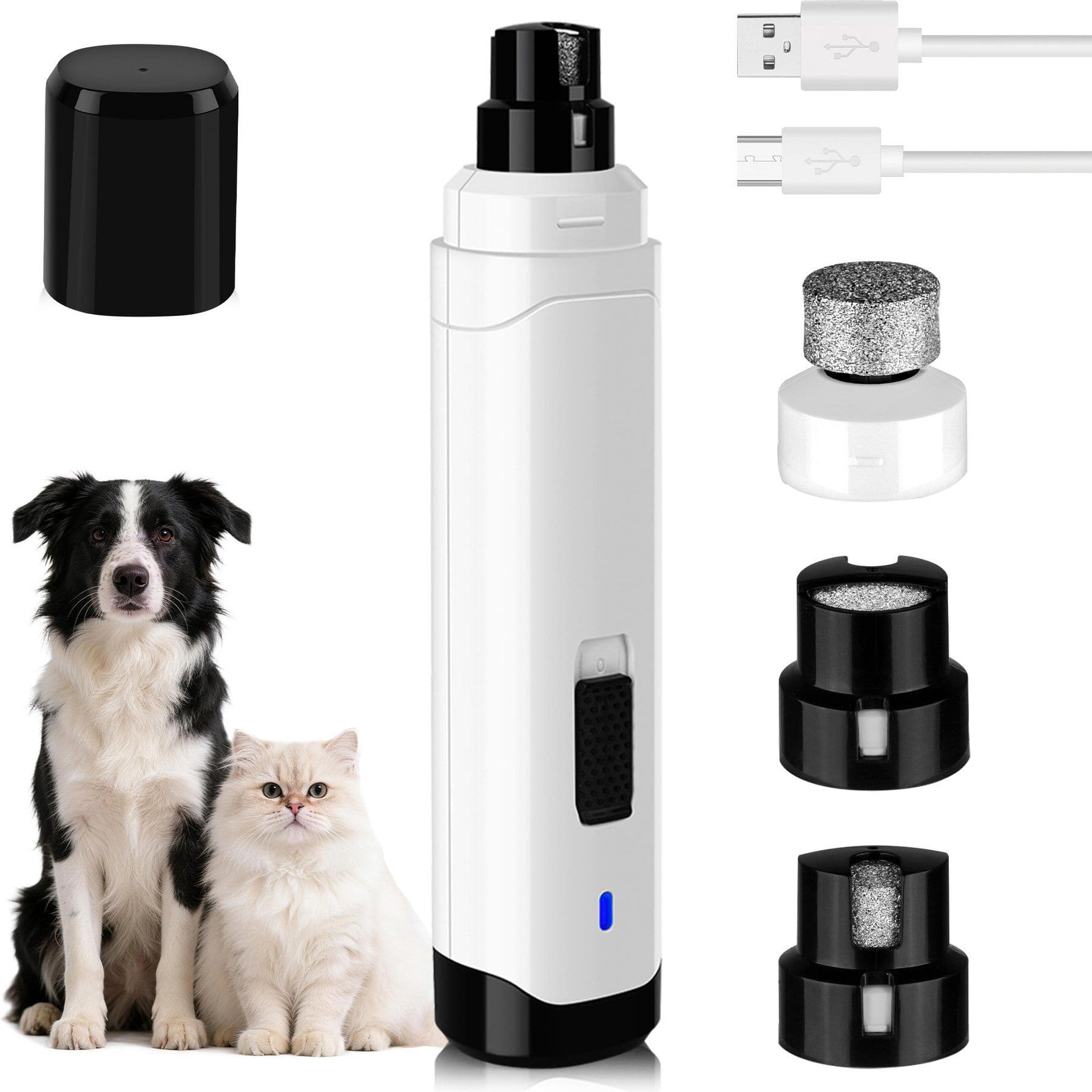
A dog nail grinder may help with routine nail care only when the dog already tolerates the sound and handling. A non-skid dog bowl can reduce sliding on smooth floors, but it is not a mobility treatment. Stop home grooming if the dog is fearful or painful and ask a groomer or veterinary team for help.
First-Week Setup and Support System
The first-week setup and backup care plan should stay simple. Use one sleeping area, one feeding area, a predictable toilet route, and a light schedule. Do not flood the dog with visitors, dog parks, or long outings. Secure rugs, cords, medications, food, and trash. Put bowls and beds outside the main walking path, and use gates rather than stepping over barriers.
Schedule a veterinary visit, transfer records, confirm preventives, and discuss diet and exercise. Practice the harness and short walks before attempting a long route. Exchange keys and written instructions with the backup caregiver. A smart feeder or pen can support organization, but neither can observe illness or make veterinary decisions.
Create a Backup Care Plan

A complete plan answers who, where, and how. This contingency planning for illness, travel, housing, and lifetime care addresses the dog's care if the owner becomes ill or moves. Name at least one person who can walk and transport the dog, enter the home, reach veterinary records, and authorize care. Write down feeding, medication, behavior triggers, veterinarian, microchip, insurance, and boarding information. Revisit the plan after any health or housing change.
Plan for the dog's full expected lifespan. If permanent care becomes necessary, document the preferred caregiver and financial arrangement rather than relying on a casual promise. Discuss pet policies before a move and keep a shortlist of walkers, mobile groomers, boarding options, and transport services.
Frequently Asked Questions
Should a 75 year old get a dog?
Yes, when daily care, safe handling, housing, cost, and backup support are realistic. Age by itself is not a reason to adopt or decline. A calm adult dog with known behavior often reduces uncertainty compared with a puppy. A 75-year-old should get a dog only after testing a normal walk and car transfer, pricing routine and emergency care, and confirming who can step in during illness or travel.
What is the easiest dog breed for seniors?
No breed is universally easiest. Look for an individual adult with moderate exercise needs, loose-leash manners, manageable grooming, suitable size, and a calm recovery after excitement. Confirm health and home behavior before deciding. For seniors, the easiest dog breed label matters less than how that adult behaves inside a home, around visitors, during grooming, and when left alone.
What is the calmest dog for seniors?
A fostered adult dog with documented home behavior may be a more predictable calm companion than choosing by breed alone. Cavalier King Charles Spaniels, Shih Tzus, Bichon Frises, Greyhounds, and Whippets can fit some homes, but handling, health, exercise, and the individual dog's temperament still decide the match. For seniors seeking the calmest dog, a foster trial can reveal whether that calm behavior holds in the actual home.
What is the most low maintenance dog to have?
Usually it is a healthy, calm adult whose existing routine already matches the owner's. Every dog still needs exercise, training, preventive care, social contact, and emergency planning. Treat low maintenance as a set of tradeoffs, not a breed promise. The most low-maintenance dog is still the one whose weekly time, physical handling, professional grooming, medication, and backup-care burden are sustainable.
The Bottom Line
The best dogs for seniors are dogs that fit the individual person. Compare observed temperament, leash strength, exercise, grooming, barking, housing, recurring cost, and lifetime support before appearance or popularity. Adult rescue and mixed-breed dogs can be especially useful candidates because mature size and home behavior may already be known.
Use the breed profiles to make a shortlist, then evaluate the actual dog with shelter, rescue, breeder, and veterinary evidence. A written backup plan is part of responsible adoption. When daily life and long-term care both fit, companionship can begin on a much stronger foundation.
$65 · no membershipHave a health question about your dog?
A licensed vet can assess your dog over video and prescribe online when it's appropriate.
Talk to a vet- Licensed vets
- All 50 states
- same-day Rx
Webvet may earn a commission if you book.

Editor
The Webvet Editorial Team is the in-house group of pet-care editors and writers behind Webvet, operated by Smart Pet Collective. The team researches, writes, and maintains Webvet's pet health, behavior, and medication content. Every article follows a defined editorial process: research from reputable veterinary and scientific sources, careful drafting, mandatory review of medical content by a credentialed veterinarian, and dated publication. Health and medication articles are medically reviewed by a licensed veterinary professional before they go live and are kept current over time.
Veterinarian · BVMS MRCVS
Dr. Pippa Elliott, BVMS, MRCVS, is a veterinarian with nearly 30 years of experience in companion animal practice. Dr. Elliott earned her Bachelor of Veterinary Medicine and Surgery from the University of Glasgow. She was also designated a Member of the Royal College of Veterinary Surgeons. Married with 2 grown-up kids, Dr. Elliott has a naughty Puggle named Poggle, 3 cats and a bearded dragon.


