Administering Medicine to Dogs: A Comprehensive Guide
Discover the proven secrets of administering medicine to dogs. From pills to injections, learn practical tips to make the process easier for you and your pet.

BVMS MRCVS
Medically reviewed by Dr. Pippa Elliott, BVMS MRCVS · Last reviewed

This article contains affiliate links. Webvet may earn a commission when you buy through them, at no extra cost to you.
Administering medicine to your beloved canine companion can often feel like an epic battle of wills. Unlike their human counterparts, dogs cannot comprehend the necessity of medication, viewing it as an unpleasant intrusion instead.
Yet, this daunting task is pivotal to maintaining your pet’s health and longevity.
The process may initially seem almost impossible, but with patience, understanding, and a dash of clever maneuvering, it can become a seamless part of your pet care routine.
Understanding Your Dog’s Medication: Pills and Beyond
As a dog owner, part of your responsibility involves navigating the world of pet medications. This can sometimes feel overwhelming given the vast array of medicinal forms and treatments available.
It’s not just about mastering the administration techniques; it’s equally essential to familiarize yourself with the diverse range of medications your dog might encounter and understand the specifics of each [1].
Let’s briefly explore a bit more about some of these medications:
- Oral Pills and Capsules: These are the most common forms of medication, prescribed for a variety of conditions ranging from infection control to pain management. Pills and capsules can differ in size, color, and taste, with some designed to be more palatable to pets. It’s important to note that many human medications are toxic to dogs, so never assume that a remedy suitable for you will work for your pet.
- Liquid Medications: These are often preferred when administering medication to puppies, elderly dogs, or any dog that struggles with pills. They can usually be mixed with food, although some need to be administered directly. The flavor of liquid medications varies, with many designed to be appealing to dogs.
- Ear and Eye Medications: Ear medications typically come as drops or ointments and are commonly used to treat ear infections or ear mites. Eye medications, also often in drop or ointment form, may be prescribed for conditions like conjunctivitis or dry eye. Both types require gentle and precise application.
- Subcutaneous Injections: These injections deliver medication into the tissue layer between the skin and the muscle. Conditions such as diabetes or allergies may necessitate this type of medication. While the idea of giving your dog an injection may be intimidating, with the right guidance and practice, it can be accomplished with minimal problems.
- Topical Medications: These include creams, gels, and sprays applied directly to a specific area of your dog’s skin. They are often used to treat localized skin conditions, wounds, or flea and tick infestations.
Understanding each medication type — its form, how it functions, its purpose, and potential side effects — will equip you with the knowledge to administer it effectively and safely.
Administering Oral Medication to Dogs: A Step-by-Step Guide
How To Administer Pills to Dogs
Administering pills to dogs can be challenging, to say the least, especially when your dog transforms into a furry escape artist at the sight of one.
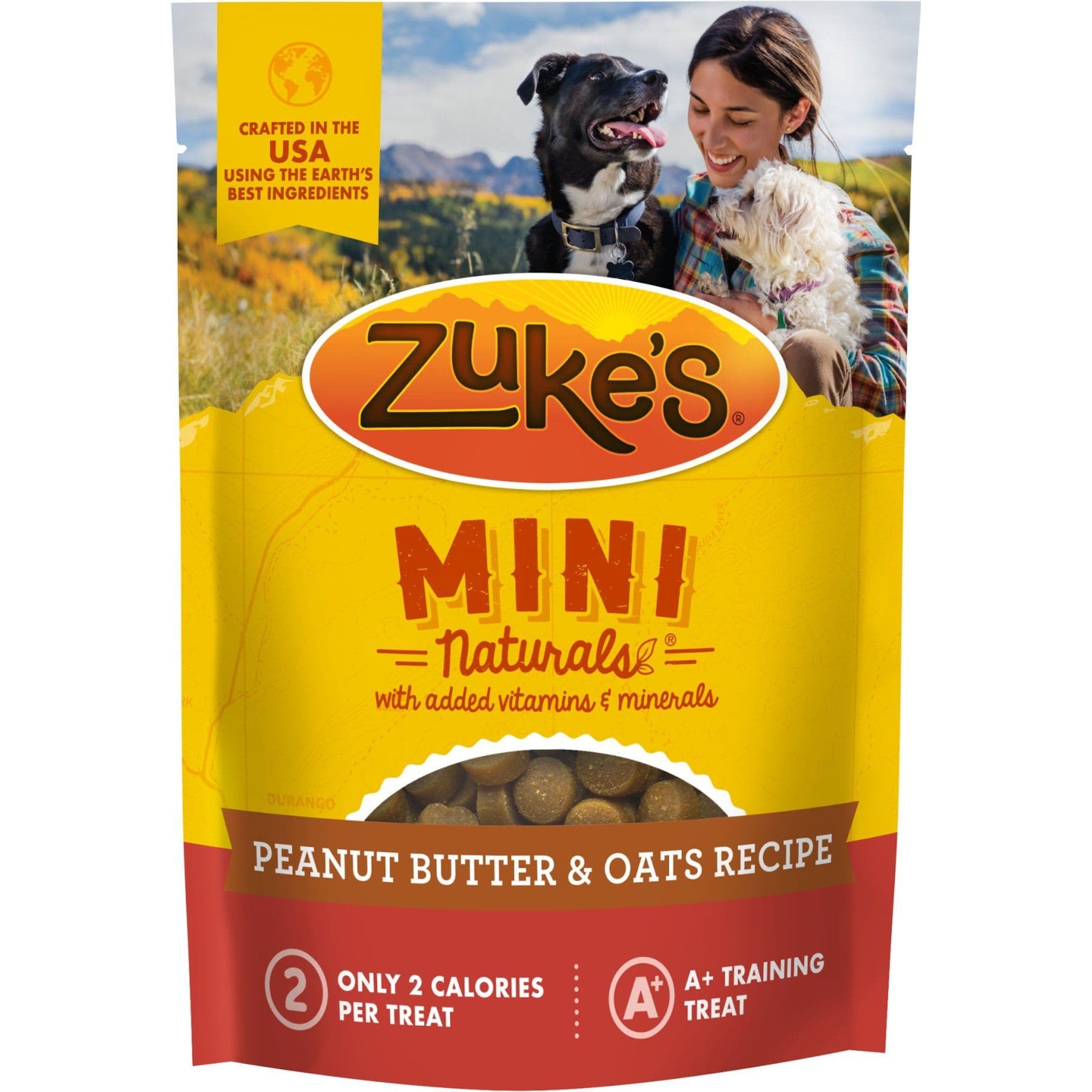
Soft, pea-sized training treats made with peanut butter and oats. Small enough to reward often while keeping treats inside the 10% of daily calories vets recommend.
Webvet may earn a commission when you click through to Chewy, at no extra cost to you.
However, these tried-and-tested techniques can significantly simplify the process:
- The Treat Trick
For dogs without weight or diabetic issues, the easiest way to administer pills is to camouflage them within their favorite treats.
Choose a treat big enough to conceal the pill, like a chunk of cheese or a hot dog. Push the pill into the treat, ensuring it’s adequately hidden, and present it as a delicious reward.
This method often results in your pet gobbling down the pill without a second thought.
- The Peanut Butter Ploy
If your dog is a peanut butter enthusiast, use this to your advantage.
Embed the pill into a spoonful of peanut butter. As your pet revels in their favorite treat, they’ll inadvertently swallow the pill.
- The Piller Procedure and the “Just Shove It Down” Method
For dogs that can sniff out a pill in a mountain of treats, a piller, or “pill shooter,” could be your best bet [2].
This tool, available at vet clinics or pet supply stores, allows you to place the pill directly at the back of your dog’s throat.
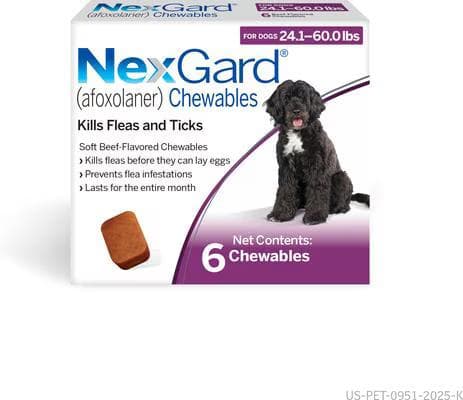
A monthly beef-flavored prescription chew (afoxolaner) that kills fleas before they lay eggs and kills ticks. A popular oral pick for dogs who do better with a chew than a topical.
Webvet may earn a commission when you click through to Chewy, at no extra cost to you.
The “Just Shove It Down” method follows a similar principle but without the aid of a piller. Open your dog’s mouth gently, push the pill over the base of the tongue, close their mouth, and massage their throat until they swallow.
How To Administer Liquid Medicine to Dogs
Administering liquid medications to dogs might be easier than pills, but it still requires some finesse. Here’s a step-by-step guide to ease the process:
- Preparation
First, ensure your dog is comfortable. Place them on a nonslip surface or hold them gently in your lap if they are small. Make sure the liquid medicine is at room temperature to avoid shocking your dog’s taste buds, then draw the correct dosage into the dropper or syringe.
- Administration
Approach your dog calmly and slowly. Gently open their mouth and place the applicator between their cheek and gums, toward the back of their mouth. This is the safest spot to avoid being bitten inadvertently and reduces the chance of your dog spitting out the medicine.
- Slow Release
Release the medicine slowly, allowing your dog to swallow it gradually. Do not rush this process, as forcing too much medicine at once can cause your dog to choke.
- Patience and Praise
Wait for your dog to swallow before continuing. Praise them during the process to make it a more positive experience. If needed, pause for a few seconds before giving the rest of the dosage.
Specialized Treatment: Administering Ear Medications, Eye Medications, and Injections to Dogs
Ear Medications
Administering ear medication requires understanding the unique structure of a dog’s ear, along with a delicate touch. Here’s how to do it:
- Get To Know Your Dog’s Ear
The dog’s ear consists of the external earflap (pinna) and the outer, middle, and inner ear canals [3]. In case of minor infections, you will mostly be treating the pinna and outer ear canal.
Compare coverage choices for your pet, then request a quote directly on Lemonade.
- Check a price for your pet
- Review available coverage choices
- See the terms before you decide
Eligibility, waiting periods, limits and exclusions apply.
Webvet may earn a commission when you click through to Lemonade, at no extra cost to you.
- Hold and Aim
Start by calming your dog and holding their head gently but firmly. Lift the earflap to expose the ear canal, and gently pull upward from the base of the ear to straighten the canal.
- Apply Medication
Holding the applicator bottle or tube just above the ear canal opening, squeeze to release the required number of drops or amount of ointment.
- Massage for Distribution
After administering, gently massage the base of your dog’s ear to distribute the medication evenly within the ear canal. Do this softly, as the area is highly sensitive.
Eye Medications
Applying eye medication demands steady hands, a calm demeanor, and the understanding that you’re dealing with an especially sensitive area. Let’s explore the process:
- Preparation
Start by washing your hands thoroughly to avoid any risk of infection. If possible, have another person hold your dog gently but securely.
- Application
Hold your dog’s head still and use your thumb to gently pull down the lower eyelid, creating a small “pocket.” Apply the prescribed amount of drops or ointment into this “pocket.” Be careful not to touch the applicator tip to the eye to prevent potential contamination.
- Close and Clean
Gently close your dog’s eyelid and softly massage it to spread the medication. Use a clean tissue to wipe off any excess medication that might have escaped.
Subcutaneous Injections
Administering subcutaneous injections at home might sound daunting but can be achieved with a careful approach [4]. Subcutaneous injections are often used for conditions like diabetes or allergies and are administered just under the skin.
Webvet may earn a commission when you click through to Chewy, at no extra cost to you.
- Preparation
Start with washing your hands thoroughly. Prepare the syringe with the correct medication dose as instructed by your vet.
- Identify the Injection Site
Find a loose fold of skin, usually between the shoulder blades or along the side of your dog’s body.
- Inject
Holding the skin fold gently, insert the needle at a 45-degree angle. Make sure the needle is under the skin but not into muscle tissue. Depress the syringe’s plunger smoothly and slowly to administer the medication.
- Aftercare
Remove the needle swiftly but gently and massage the area gently. This is not usually a painful process, but it can be a bit uncomfortable for your dog, so some reassurance and a treat might be in order.
 $65 · no membership
Have a health question about your dog?
A licensed vet can assess your dog over video and prescribe online when it's appropriate.
 Talk to a vet
- Licensed vets
- All 50 states
- same-day Rx
Webvet may earn a commission if you book.
Dealing With Resistance: Tips for Administering Medicine to Reluctant Dogs
All dogs may not cooperate when it’s time for medication. Patience, creativity, and an understanding of your dog’s individual personality can help.
Here are some tips:
- Distraction: A favorite toy or a treat can serve as a great distraction. You could even ask a family member to keep your dog’s attention while you administer the medicine.
- Positive Reinforcement: Always praise your dog and offer a small reward after they have successfully taken their medication. This will help build a positive association with the process.
- Alternate Methods: If your dog remains stubborn, consult your vet about alternative medication forms like chewable tablets or liquid medication that can be mixed with food.
Ensuring Successful Administration of Medicine
Successfully administering medicine to your dog extends beyond the actual process.
Monitor your pet’s behavior for any changes that might indicate side effects or allergic reactions. If your dog vomits, develops rashes, becomes lethargic, or shows any other unusual symptoms, consult your vet immediately.
Keep in mind, strict adherence to the medication schedule and dosage is essential to your dog’s recovery. Also, ensure all medications are out of your pet’s reach and store them as per the instructions.
Above all, your patience, consistency, and care make a real difference.
In Conclusion: Mastering the Art of Medicating Your Canine Companion
While the necessity of administering medication to your dog can be no doubt challenging, with patience, care, and regular veterinary guidance, it can become a manageable part of your routine.
As a pet parent, your role is to provide them with the necessary support, love, and medical care they need throughout their lives. Armed with the correct techniques, a calm demeanor, and a keen eye for any behavioral changes or side effects, you can ensure that your dog navigates through their healing journey comfortably and efficiently.
Do you want to further expand your knowledge about dog care, health, training, and nutrition? Click the link below to explore a wealth of information on a wide spectrum of pet-related topics.
[Click Here To Learn More]
Callout Box:
Key Points: Administering Medicine to Dogs Made Easy
- Familiarize yourself with the types of medications your dog might need.
- Employ clever tricks like hiding pills in treats or using tools like pillers (pill shooters) for stubborn dogs.
- Be gentle and patient when administering liquid medicines, ear and eye drops, or injections.
- Develop strategies to deal with dogs that resist medication, like distraction techniques and positive reinforcement.
- Always follow your vet’s prescription and monitor your dog after administering medicine.
References/External Links:
- Pet Releaf
- Pet Side
- Washington State College of Veterinary Medicine
- VCA Animal Hospitals
- Istock feature photo
FAQs
How Can I Make My Dog Swallow a Pill?
Cleverly disguising the pill within a treat, using a piller, or the “Just Shove It Down” method can help your dog swallow pills.
Is It Safe To Administer Subcutaneous Injections at Home?
Yes, with proper guidance and training from your vet, you can safely administer subcutaneous injections at home. Explore the step-by-step process for doing so above.
What Do I Do if My Dog Resists Taking Medication?
Remaining patient, employing distraction techniques, alternating administration methods, and using positive reinforcement can help ease your dog’s resistance.
How Can I Administer Eye Drops to My Dog Without Causing Distress?
Staying calm, gently holding your dog’s head still, and avoiding any contact between the applicator and the eye can make the process less stressful. Always remember to reward your dog post-procedure to create a positive association.
What Should I Do if My Dog Shows Side Effects After Medication?
Always monitor your dog post-administration for any signs of side effects. If you notice anything unusual, reach out to your vet immediately. Your dog’s health and safety should be your top priority.
$65 · no membershipHave a health question about your dog?
A licensed vet can assess your dog over video and prescribe online when it's appropriate.
Talk to a vet- Licensed vets
- All 50 states
- same-day Rx
Webvet may earn a commission if you book.

Editor
The Webvet Editorial Team is the in-house group of pet-care editors and writers behind Webvet, operated by Smart Pet Collective. The team researches, writes, and maintains Webvet's pet health, behavior, and medication content. Every article follows a defined editorial process: research from reputable veterinary and scientific sources, careful drafting, mandatory review of medical content by a credentialed veterinarian, and dated publication. Health and medication articles are medically reviewed by a licensed veterinary professional before they go live and are kept current over time.
Veterinarian · BVMS MRCVS
Dr. Pippa Elliott, BVMS, MRCVS, is a veterinarian with nearly 30 years of experience in companion animal practice. Dr. Elliott earned her Bachelor of Veterinary Medicine and Surgery from the University of Glasgow. She was also designated a Member of the Royal College of Veterinary Surgeons. Married with 2 grown-up kids, Dr. Elliott has a naughty Puggle named Poggle, 3 cats and a bearded dragon.


