
Can dogs eat mango?
SafeRipe mango flesh is non-toxic to dogs. Remove the large pit, which can choke or obstruct, and fit any fruit treat to the individual diet.


Medically reviewed by Dr. Athena Gaffud, DVM · Last reviewed
Can Dogs Eat Mango?
Ripe mango flesh is not a recognized canine toxin and may be an optional treat for some dogs. When a mango goes missing, count the fruit and locate the large stone before focusing on the flesh. A dog that swallowed the stone whole presents a different question from one that only scraped fruit from it or cracked it with the teeth. Save the remaining fruit and report the dog's weight, the stone's approximate dimensions, when it disappeared, and whether the dog is retching, vomiting, eating, drinking, passing stool, or showing abdominal discomfort. Those details help a veterinarian decide whether imaging, examination, or observation is appropriate; the word pit alone cannot determine the outcome. For planned sharing, remove the stone before the dog has access and choose a texture the individual can chew without gulping. Dried mango, syrup-packed fruit, smoothies, chutney, candy, and baked goods need their own label or recipe review because calorie density, sweeteners, dairy, chocolate, seasonings, and packaging can change the case. Count repeated mango rewards with training food and other extras rather than treating fruit as a free source of vitamins. Identify the exact form, ingredients, amount, and dog before deciding whether home observation or veterinary advice fits. If the preparation is uncertain, save the package, recipe, or remaining food; a category name alone cannot reveal every ingredient or swallowed object.
- 1Ripe mango flesh is not a recognized canine toxin.
- 2The large pit is principally a choking or foreign-body concern.
- 3An intact swallowed mango stone is not automatic cyanide poisoning.
- 4A mango treat has no proven vitamin, immune, skin, vision, or digestive benefit.
- 5There is no evidence-based mango-piece schedule by body size.

Treats should stay under 10% of your dog's daily calories. JustFoodForDogs makes the rest of it.
- Recipes developed by veterinary nutritionists
- Whole-food ingredients you can recognise
- Fresh meals delivered to your door
Webvet may earn a commission when you click through to JustFoodForDogs, at no extra cost to you.
Can dogs eat mango?
PetMD identifies ripe mango flesh as non-toxic to dogs and the large, flat pit as a possible choking or gastrointestinal foreign body. The practical pit concern is its size and shape. An intact swallowed mango stone should not be described as automatic cyanide poisoning. The conclusion applies to the identified form and does not predict the response to every preparation, amount, or patient. A food can be non-toxic yet remain a poor routine choice because of calories, texture, individual tolerance, or a prescribed diet. A low-risk accidental taste and repeated feeding therefore need separate decisions.

What mango contributes, and what it does not prove
Mango contains carbohydrates, fiber, vitamins, minerals, and calories, but those facts do not prove better vision, skin, immunity, antioxidant status, or digestion in a dog eating a complete diet. A list of naturally occurring vitamins, minerals, fiber, fat, protein, sugar, or water does not establish a clinical benefit from the amount used as a treat. Required nutrients should come from a complete and balanced diet selected for the dog.
| Situation | What it means |
|---|---|
| Plain intended form | Ripe flesh is non-toxic and optional |
| Mixed or packaged product | Dried, canned, blended, and dessert products have different labels |
| Concerning part or ingredient | A whole pit is a patient-specific choking or obstruction concern |
| Clinical signs | Symptoms change urgency even when the amount is uncertain |
Amounts and individual diet planning
The plain-form assessment is that ripe flesh is non-toxic and optional; it does not create a universal piece, spoon, cube, or body-size amount. Start with the dog's energy need, exact product calories, other treats, and medical restrictions. When calories are missing, weigh the product or keep it incidental rather than converting an internet portion into a daily allowance. Recalculate the plan when body condition, activity, medication, diagnosis, or the complete food changes.


This is an optional dog treat. Review its current label, ingredients, calories, and feeding directions, and count it within the total daily extras.
Webvet may earn a commission when you click through to Chewy, at no extra cost to you.
| Situation | What it means |
|---|---|
| Plain intended form | Plain-form context: Ripe flesh is non-toxic and optional |
| Mixed or packaged product | Prepared-product context: Dried, canned, blended, and dessert products have different labels |
| Concerning part or ingredient | Higher-concern context: A whole pit is a patient-specific choking or obstruction concern |
| Clinical signs | Symptoms change urgency even when the amount is uncertain |
| Medical or prescription diet | The individual plan may prohibit unapproved extras |
How product form changes the answer
A useful safety assessment names the exact item. Fresh food, a sweetened or seasoned product, a peel, pit, plant, powder, concentrate, and discarded packaging can create different questions. Dried, canned, frozen, blended, and dessert products vary in calorie density, added sugar, sweeteners, dairy, chocolate, and packaging. Review the exact item rather than labeling every mango product alike.
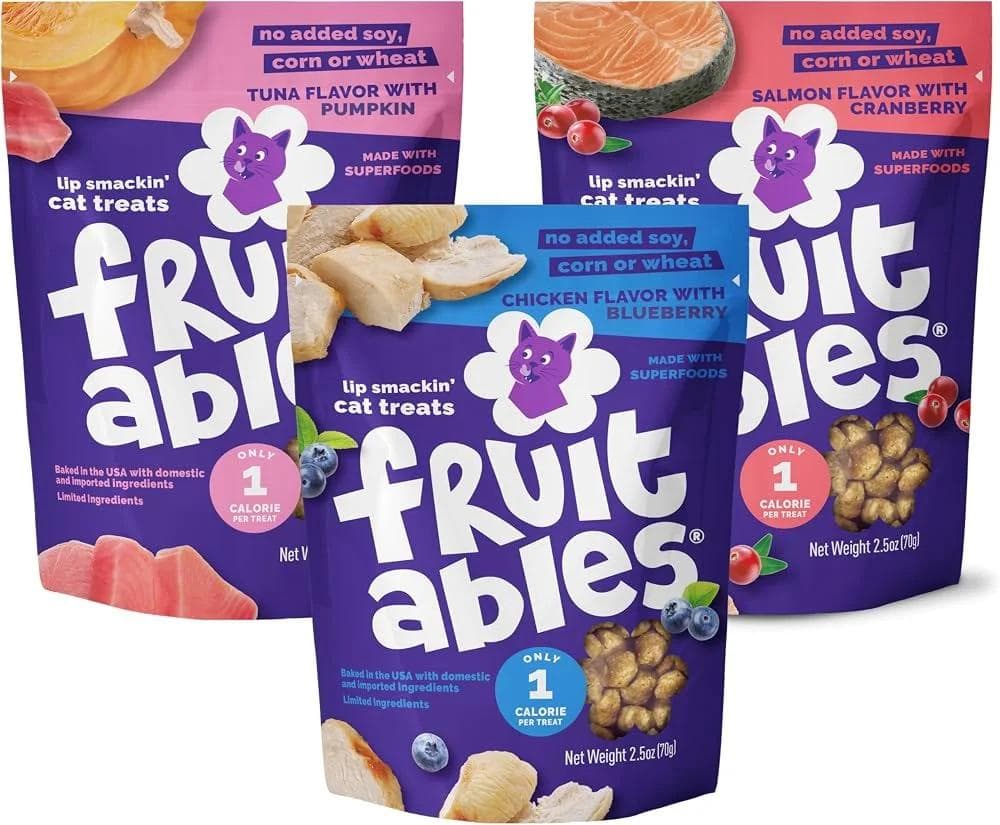
This is an optional dog treat. Review its current label, ingredients, calories, and feeding directions, and count it within the total daily extras.
Webvet may earn a commission when you click through to Chewy, at no extra cost to you.
What to watch for after an exposure
A small amount of ripe flesh in a normal dog is generally monitored. A swallowed pit needs prompt case-specific advice because passage or obstruction depends on the pit, dog, location, and signs. Tell the clinician whether the pit was swallowed whole, chewed, or already split; when it happened; and whether the dog is retching, vomiting, eating, drinking, passing stool, or showing abdominal pain. Do not wait for a fixed symptom window or induce vomiting at home, because a large object can create additional risk on the way back up. Do not predict a complication from the food name alone. Record what was eaten, the part or recipe, the estimated amount, the time, and whether the dog is acting normally. If a pit, core, wrapper, skewer, packet, or other object may be missing, report it separately from the edible ingredients because physical and toxicology concerns require different follow-up.

Preparation and product checks for mango
Remove the large pit before planned feeding and offer only a texture the dog can manage. Skin may be removed for texture or individual tolerance, but it is not established as a toxin. Preparation should reduce a specific, plausible concern rather than create a ritual that implies the plain food is medicinal. Match texture and piece size to the individual dog's chewing and swallowing behavior, and supervise any unfamiliar food.
Other treat options for dogs
Other fruits are optional and may have their own pits, seeds, rinds, calorie density, or toxicology; the regular complete food is often the simplest reward. No replacement is automatically superior for every dog. Choose an option that the patient can chew, the calorie plan can accommodate, and any therapeutic diet permits.

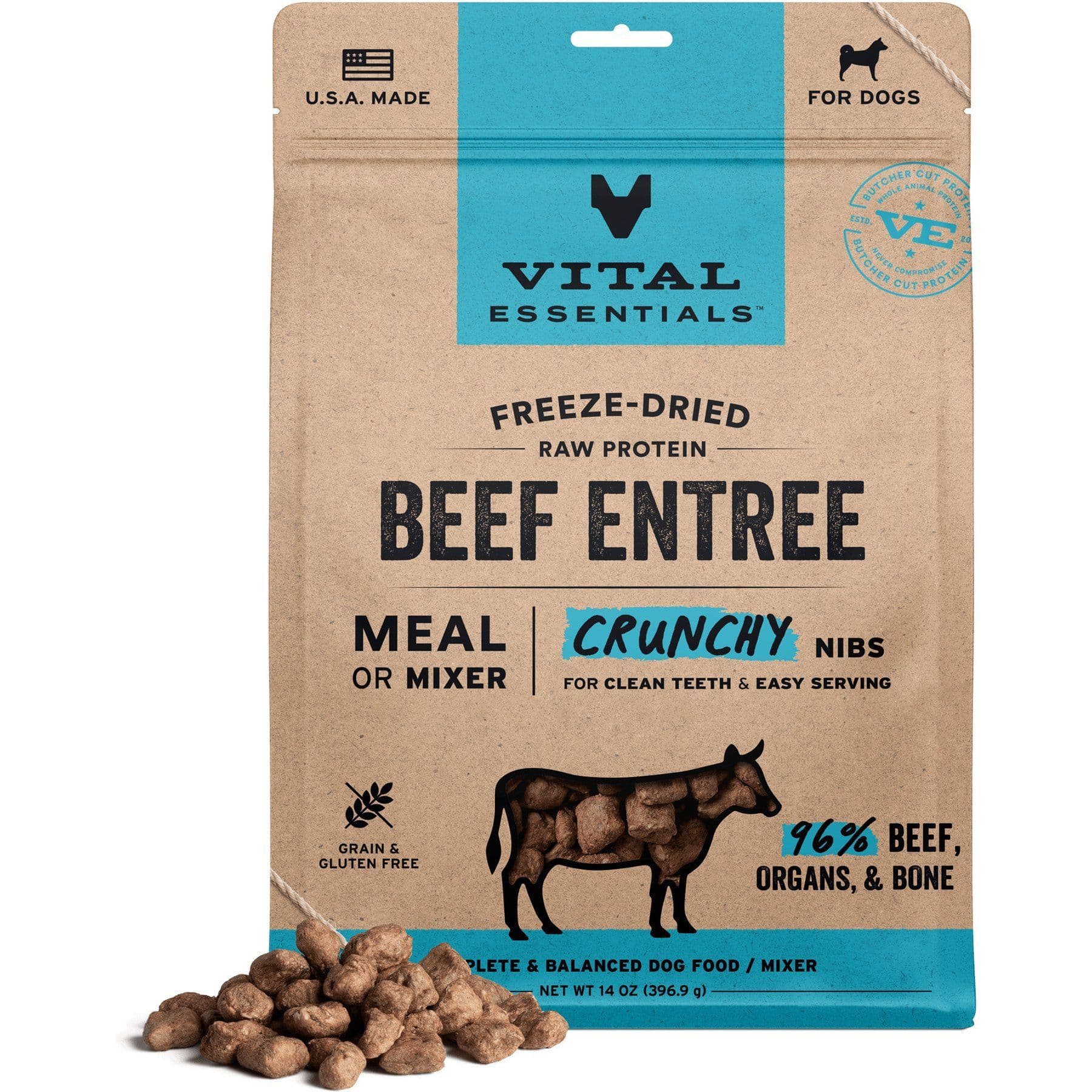
This is an optional dog treat. Review its current label, ingredients, calories, and feeding directions, and count it within the total daily extras.
Webvet may earn a commission when you click through to Chewy, at no extra cost to you.
Frequently Asked Questions
Is plain mango safe for dogs?
For the identified plain form, ripe flesh is non-toxic and optional. Other parts, recipes, and amounts need their own assessment.
What should I check before sharing mango?
For a mixed or packaged mango product, dried, canned, blended, and dessert products have different labels. Check the current label or recipe rather than relying on the product name.
How much mango can dogs have?
No universal serving is established. Fit any planned taste to the individual calorie allowance, complete diet, and medical needs.
What if my dog ate mango?
Save the exact mango product details, estimate the largest plausible amount and time, and monitor the actual dog.
When should I call a veterinarian?
Seek veterinary advice when a whole pit is a patient-specific choking or obstruction concern, or when signs are severe, persistent, or worsening.
More safe treats
More fruits for dogs
Sources
- PetMD: Can Dogs Eat Mango?
PetMD identifies ripe mango flesh as non-toxic to dogs and the large pit as a choking or obstruction concern.
- Merck Veterinary Manual: Gastrointestinal Obstruction in Small Animals
Foreign-body risk and outcome depend on the object, patient, location, amount, and clinical signs.
- WSAVA: Feeding Treats to Your Dog
Treats share an individual calorie allowance and should not displace complete canine nutrition.
- Merck Veterinary Manual: Overview of Nutrition in Small Animals
Complete and balanced feeding and patient-specific calorie planning are the nutritional baseline for dogs and cats.
Reviewed by Dr. Athena Gaffud, DVM
General guidance based on credible veterinary sources; not a diagnosis or a substitute for your veterinarian. If your pet ate something toxic or is unwell, contact your vet or a pet poison line right away.