
Can dogs eat cherries?
Not recommendedPlain pitted cherry flesh is non-toxic to dogs. Avoid whole cherries: pits can choke or obstruct, and crushed pits can release cyanide.


Medically reviewed by Dr. Athena Gaffud, DVM · Last reviewed
Can Dogs Eat Cherries?
Plain pitted ripe cherry flesh is not toxic, though it is sugary and unnecessary. Avoid whole cherries. An intact pit is mainly a choking or obstruction hazard; cyanide poisoning is uncommon unless multiple pits are eaten and chewed or crushed, or stems and leaves are ingested.
- 1Cherry flesh is not toxic, but the pit, stem, and leaves contain cyanide-releasing compounds.
- 2A swallowed pit can cause choking or a dangerous intestinal blockage, especially in small dogs.
- 3Because the safe part and the risky part are hard to separate, most vets recommend skipping cherries entirely.
- 4Processed cherries (maraschino, canned, dried, pie filling) are worse, thanks to heavy sugar and possible xylitol.
- 5Safer sweet treats include blueberries and watermelon.
- 6If your dog ate whole cherries or pits, call your vet or Pet Poison Helpline at 855-764-7661.

Treats should stay under 10% of your dog's daily calories. JustFoodForDogs makes the rest of it.
- Recipes developed by veterinary nutritionists
- Whole-food ingredients you can recognise
- Fresh meals delivered to your door
Webvet may earn a commission when you click through to JustFoodForDogs, at no extra cost to you.
Are cherries safe for dogs?
The short answer is no, cherries are not recommended for dogs, even though they are not classed as a truly toxic fruit the way grapes and raisins are. The fleshy part of a ripe cherry is not poisonous, holds a little vitamin A and vitamin C, and a single pitted piece is very unlikely to hurt a healthy adult dog. The problem is everything wrapped around that flesh. The pit, stem, and leaves carry cyanide-releasing compounds, and the hard, round pit is an ideal size to lodge in a throat or a narrow stretch of intestine. Cherries also do not give dogs anything they cannot get more safely from another fruit, so the small nutritional upside does not outweigh the downside. For that reason most vets treat cherries as a food to leave off the menu rather than a treat to portion out.

Why cherries are risky for dogs
Two separate dangers make cherries a poor choice, and it helps to understand both. The first is chemical. Cherry pits, stems, and leaves contain amygdalin, a compound that breaks down into hydrogen cyanide when the plant material is chewed, crushed, or digested. Cyanide blocks the body's cells from using oxygen, so even when the blood is full of oxygen the tissues cannot access it. A dog that crunches through several pits, or chews a mouthful of stems and leaves off a backyard tree, can absorb enough to show signs of poisoning such as difficulty breathing, bright red gums, dilated pupils, and weakness. An intact pit that is swallowed whole releases far less cyanide, since the hard shell mostly passes through undamaged, but it is still not risk free.

This is an optional dog treat. Review its current label, ingredients, calories, and feeding directions, and count it within the total daily extras.
Webvet may earn a commission when you click through to Chewy, at no extra cost to you.
The more common practical concern is mechanical. A pit may pass, choke, or lodge in the gastrointestinal tract depending on its size, shape, location, amount, and the dog. Stomach conditions do not guarantee that an intact pit will remain unchanged, and passage cannot be predicted without veterinary assessment.
| Part of the cherry | Safe for dogs? | Main concern |
|---|---|---|
| Ripe flesh, pit removed | Low risk in tiny amounts | Sugar and stomach upset |
| Pit | No | Cyanide plus choking and blockage |
| Stem and leaves | No | Cyanide-releasing compounds |
| Maraschino or canned in syrup | No | Heavy sugar and additives |
| Dried cherries | No | Concentrated sugar, easy to overfeed |

How the danger changes with your dog's size
Body weight and anatomy are part of case assessment, but a large dog should not be promised that a pit will usually pass. The veterinarian should consider pit size and number, whether pits were chewed, the dog's anatomy, symptoms, and location on any imaging.
What about maraschino, dried, and canned cherries?
Maraschino, canned, dried, and pie-filling cherries are often high in sugar and are unnecessary dog treats. Ordinary products in these categories do not necessarily contain xylitol. Check the ingredient label on any sugar-free product because xylitol requires urgent dog-specific assessment when it is actually present.
How much cherry is too much?
Do not feed pits, stems, or leaves. A small piece of plain pitted flesh is non-toxic but unnecessary and sugary. A swallowed intact pit requires assessment mainly for choking or obstruction, while multiple chewed or crushed pits and plant material raise cyanide concern. Report what was eaten rather than applying a universal serving rule.
What to do if your dog ate cherries or pits
If your dog nibbled one pit-free piece of flesh, you can usually just keep an eye on them and carry on with your day. If your dog ate whole cherries, a handful of fruit, or any pits, stems, or leaves, call your veterinarian or the Pet Poison Helpline at 855-764-7661 for advice, and have your dog's weight and a rough count of how many they ate ready. Do not try to make your dog vomit at home unless a professional tells you to, since that can cause its own problems and a lodged pit can make it dangerous. Watch closely over the next day or two for trouble breathing, bright red gums, dilated pupils, drooling, vomiting, straining to pass stool, a tender belly, or a loss of appetite. If your dog raided a large amount, treat it as urgent rather than waiting for symptoms to appear.

Signs of cyanide poisoning and blockage to watch for
Chewed or crushed pits and Prunus plant material can release cyanide, with signs such as breathing difficulty, bright red gums, dilated pupils, weakness, collapse, or seizures. A swallowed intact pit is more often a mechanical concern and may cause vomiting, appetite loss, straining, or abdominal pain if it lodges. Do not publish a precise onset timetable without a companion-animal toxicology source that supports it.
What treatment at the vet looks like
Veterinary care depends on whether the concern is chewed cyanogenic plant material, choking, or a gastrointestinal foreign body. Do not induce vomiting at home. Examination and imaging may guide monitoring, endoscopy, surgery, oxygen support, or other clinician-selected care. The cited authorities do not establish a routine activated-charcoal or specific-antidote protocol for cherry exposure; treatment is selected by the veterinarian for the actual hazards.
Safer fruits for dogs
If your dog loves a sweet, juicy snack, skip cherries and reach for a fruit that is easy to serve safely and just as rewarding. Blueberries are small, rich in antioxidants, and need no prep at all, which makes them an easy training treat. Watermelon is hydrating and low in calories once you scoop out the seeds and cut away the rind. Whatever you choose, keep fruit to an occasional treat that makes up no more than about ten percent of your dog's daily calories, since the rest should come from a complete, balanced diet.

This is an optional dog treat. Review its current label, ingredients, calories, and feeding directions, and count it within the total daily extras.
Webvet may earn a commission when you click through to Chewy, at no extra cost to you.
Frequently Asked Questions
Can dogs eat cherries without the pit?
A single piece of pitted, stem-free cherry flesh is unlikely to harm a healthy dog, but cherries are still not recommended. The flesh offers little that safer fruits do not, and the effort of removing every pit and stem is not worth it if even one gets missed.
What happens if my dog ate one cherry?
One whole cherry rarely causes a serious problem, but you should still watch your dog. Keep an eye out for choking, vomiting, constipation, or a drop in appetite over the next day or two, and call your vet if your dog seems uncomfortable, is a small breed, or ate more than one.
Are cherry pits poisonous to dogs?
Yes. Cherry pits, along with the stems and leaves, contain cyanide-releasing compounds, and the pit is also a choking and intestinal blockage hazard. If your dog swallowed a pit, contact your vet or the Pet Poison Helpline at 855-764-7661.
Can dogs eat dried or maraschino cherries?
Dried, maraschino, and canned cherries are often high in sugar and are unnecessary treats. Xylitol is not assumed across the category; check sugar-free labels and seek urgent advice when it is actually listed or suspected.
Can puppies eat cherries?
No, puppies should not have cherries. They are smaller, so a swallowed pit is more likely to cause choking or a blockage, and their developing bodies are less forgiving of cyanide exposure. Stick to puppy-safe treats and vet-approved fruits in tiny amounts.
Are cherry trees dangerous to dogs?
Yes. The stems, leaves, and blossoms of cherry trees carry the same cyanide-releasing compounds as the pits, and wilted leaves can be especially concentrated. If you have a cherry tree in the yard, watch dogs that like to chew branches or fallen fruit, and clear up dropped cherries promptly.

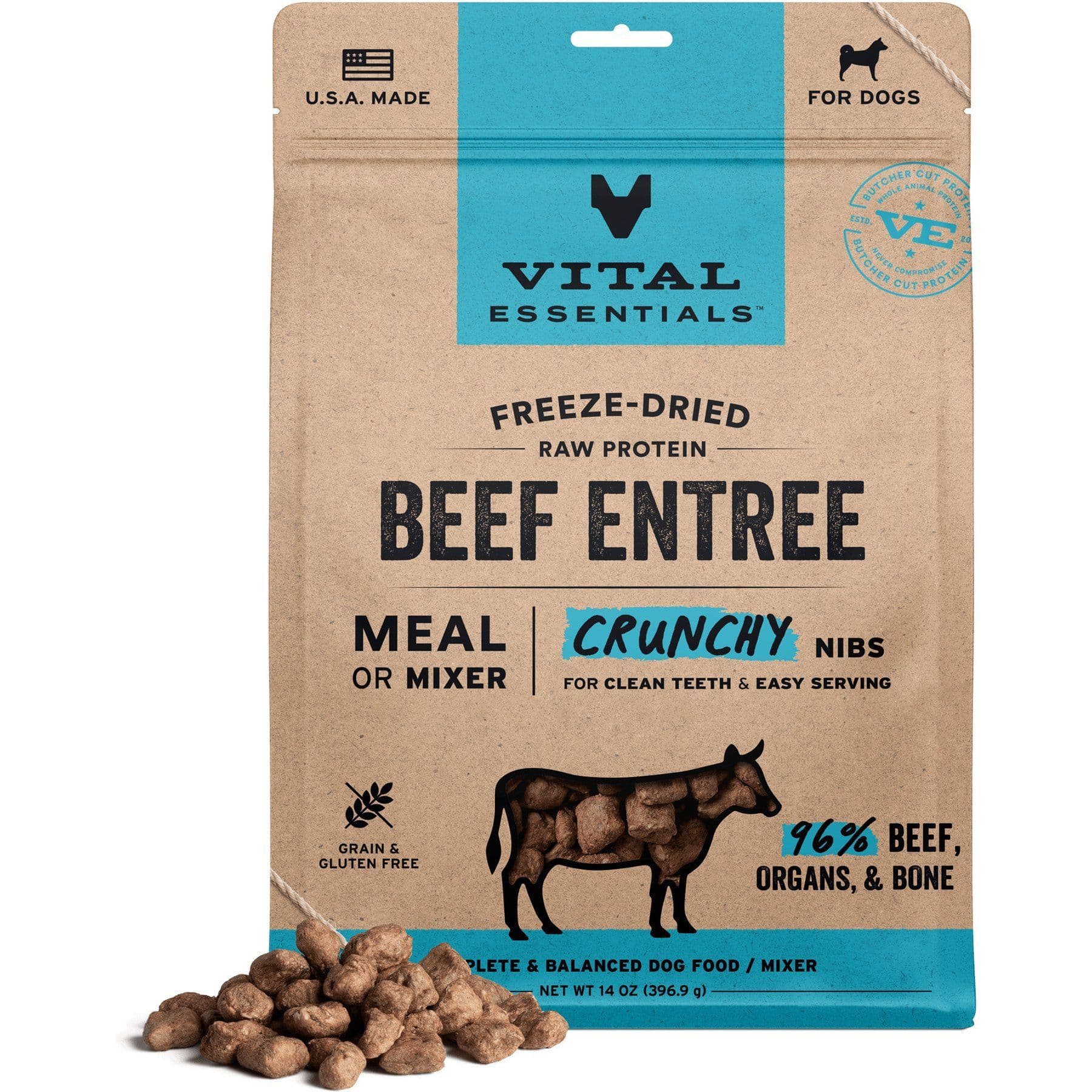
This is an optional dog treat. Review its current label, ingredients, calories, and feeding directions, and count it within the total daily extras.
Webvet may earn a commission when you click through to Chewy, at no extra cost to you.
Sources: ASPCA People Foods to Avoid Feeding Your Pets; AKC Fruits and Vegetables Dogs Can and Can't Eat; Merck Veterinary Manual Food Hazards (Small Animals).
Safe alternatives
More fruits for dogs
Sources
- FDA: Potentially Dangerous Items for Your Pet
Supports that intact fruit pits are primarily foreign-body hazards and cyanide poisoning is uncommon unless many pits are eaten and chewed or crushed.
- ASPCA: Cherry
Supports cyanogenic glycosides in Prunus stems, leaves, and seeds and the relevant oxygen-use signs, especially with chewed plant material.
- Merck Veterinary Manual: Xylitol Toxicosis in Dogs
Describes urgent dog-specific assessment when xylitol is actually listed or suspected in a cherry product.
Reviewed by Dr. Athena Gaffud, DVM
General guidance based on credible veterinary sources; not a diagnosis or a substitute for your veterinarian. If your pet ate something toxic or is unwell, contact your vet or a pet poison line right away.