Why Is My Dog Limping? Causes and When To See A Vet
Wondering why your dog is limping? A vet explains 12 common causes, from paw injuries to arthritis and torn ligaments, how to tell if it is serious, safe home care, and the red flags that mean it is time to call your veterinarian.
Medically reviewed by Dr. Athena Gaffud, DVM · Last reviewed

This article contains affiliate links. Webvet may earn a commission when you buy through them, at no extra cost to you.
A limp is your dog's way of telling you something hurts. If you are searching "why is my dog limping," the answer ranges from a thorn in a paw pad to arthritis, a torn ligament, or a broken bone. Even a subtle change in your dog's gait deserves attention.
This vet-reviewed guide walks through 12 common causes of limping in dogs, how to read sudden versus gradual onset, what front-leg versus back-leg limps tend to mean, and what diagnosis and treatment actually look like.
You will also find safe at-home care for mild limps, and the red flags that mean it is time to call your veterinarian now.
- 1Sudden limping usually points to an injury such as a paw wound, sprain, or torn ligament; gradual limping usually points to a chronic condition like arthritis or hip dysplasia.
- 2A limp that lasts more than 24 hours, or any limp with swelling, a dangling limb, or severe pain, needs a veterinary exam.
- 3Never give human pain medications such as ibuprofen, naproxen, or acetaminophen: they are toxic to dogs.
- 4Back-leg limps in adult dogs are often cranial cruciate ligament (CCL) tears or luxating patellas; front-leg limps skew toward paw injuries, elbow dysplasia, and shoulder problems.
- 5Most causes of limping are treatable, and early diagnosis usually means a faster, less expensive recovery.
Sudden vs. Gradual Limping: The First Question To Ask
Veterinarians start with one question: did the limp appear suddenly, or has it crept in over weeks or months? Onset is the single most useful clue to the cause of lameness in dogs.
Sudden (acute) limping typically follows an injury: paw cuts, insect stings, muscle strains, ligament tears, fractures, or dislocations. It often shows up mid-walk or right after hard play, and the dog may hold the leg up entirely.
Gradual (chronic) limping develops slowly and usually traces back to a degenerative condition such as osteoarthritis, hip or elbow dysplasia, or long-standing joint disease. Stiffness after rest that improves once the dog warms up is the classic pattern.
The distinction is not perfect. A dog with quiet, long-standing joint disease can suddenly look much worse after one rough play session. Your vet pieces together onset, location, and severity to narrow the list.
Why Is My Dog Limping? 12 Common Causes
Limping, or lameness, is almost always a sign of pain or weakness in a limb. Most limps trace back to one of the causes below, which fall into four buckets: paw problems, soft tissue injuries, bone and joint disease, and neurological or systemic illness.
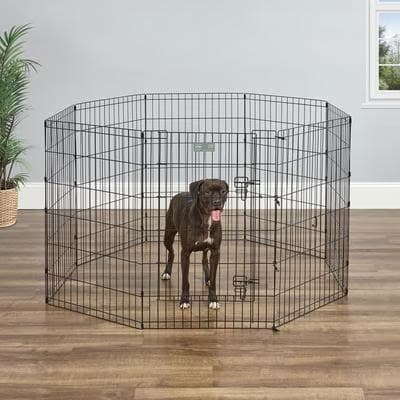
Webvet may earn a commission when you click through to Chewy, at no extra cost to you.
Paw and nail problems
1. Paw pad injuries and foreign objects. Cuts, scrapes, torn pads, and embedded thorns, burrs, or glass are the most common quick-onset limps. Dogs also burn pads on hot summer pavement and collect ice balls between their toes in winter. Most paw limps improve quickly once the object is removed and the wound stays clean.
2. Broken or overgrown nails. A nail torn at the quick is intensely painful and bleeds heavily, while overgrown nails change how the paw strikes the ground and strain the toes. Both cause limps that resolve with proper nail care.
3. Insect stings and bites. Bee stings, ant bites, and spider bites on a paw or leg cause sudden swelling and hopping. Watch for facial swelling or hives, which can signal an allergic reaction that needs a vet right away.

Muscle and ligament injuries
4. Muscle strains and sprains. Weekend-warrior dogs pull muscles just like people do. Strains and sprains cause mild to moderate limping that improves noticeably within 24-48 hours of enforced rest.
5. Torn cranial cruciate ligament (CCL). The CCL is the canine version of the human ACL, and rupturing it is one of the most common orthopedic injuries in dogs, per the American College of Veterinary Surgeons. It causes a sudden back-leg limp, often with only the toe touching the ground.
Large, athletic, and overweight dogs are at highest risk, and partial tears tend to worsen over weeks until the ligament fails completely. A CCL limp that seems to improve with rest often returns the moment activity resumes.
6. Luxating patella. A kneecap that slips out of its groove causes the classic skip-hop step: the dog trots on three legs for a few strides, then moves off normally. It is most common in small breeds such as Pomeranians, Yorkshire Terriers, and Chihuahuas.
Bone and joint conditions
7. Arthritis (osteoarthritis). Arthritis is the leading cause of gradual limping in middle-aged and senior dogs. Joints stiffen after rest, loosen with gentle movement, and often worsen in cold weather. If your dog hesitates on stairs or avoids jumping, review the signs of osteoarthritis in dogs.
Dogs of every size develop arthritis, though it shows up differently in a Chihuahua than in a Great Dane. Our guide to dog arthritis and whether size matters explains what to watch for at both ends of the scale.
8. Hip and elbow dysplasia. These inherited joint malformations create looseness that wears cartilage down years early. Hip dysplasia produces a swaying or bunny-hopping rear gait, while elbow dysplasia causes a front-leg limp, often in young large breeds such as Labradors and German Shepherds.
9. Fractures and dislocations. A broken or dislocated bone usually follows clear trauma such as a fall, a rough collision, or a car strike. The dog will not bear weight, the limb may look crooked or swollen, and this is always an emergency.
10. Panosteitis (growing pains). Fast-growing large-breed puppies, roughly 5-18 months old, can develop inflammation inside the long bones. The hallmark is a limp that shifts from leg to leg and resolves as the dog matures.
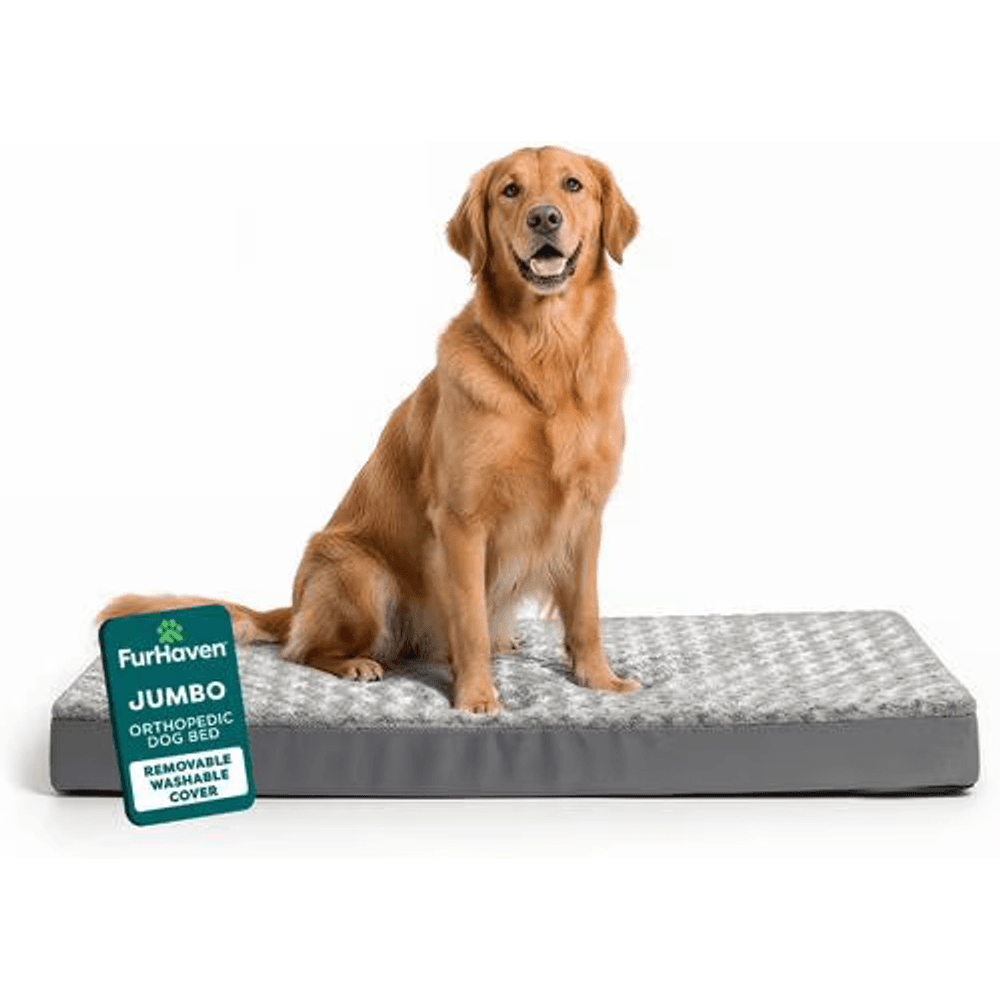
A plush orthopedic foam mattress that cushions aging joints and pressure points, giving a stiff or trembling senior dog warm, supportive rest.
Webvet may earn a commission when you click through to Chewy, at no extra cost to you.
Neurological and systemic causes
11. Tick-borne disease. Lyme disease and other tick-borne infections can cause shifting-leg lameness, swollen joints, fever, and lethargy, sometimes weeks to months after the tick bite.
12. Nerve and spinal problems. Intervertebral disc disease (IVDD), pinched nerves, and other spinal issues disrupt the signals a limb needs to move normally. These limps often look like weakness, dragging, knuckling of the paw, or wobbliness rather than a classic painful hop.
Less commonly, a hard, painful swelling on the leg of an older large-breed dog can signal a bone tumor. It is rare, but it is one more reason a persistent limp deserves an X-ray rather than a wait-and-see approach.
Front Leg vs. Back Leg: What the Location Tells You
Which leg is limping narrows the list quickly, because front and back limbs tend to fail in different ways. Dogs carry roughly 60 percent of their weight on the front legs, which makes those limbs vulnerable to impact and repetitive strain.
In an adult dog, a sudden back-leg limp is a CCL tear until proven otherwise, especially when it starts during activity. Front-leg limps skew toward paw injuries, elbow dysplasia, and shoulder problems.
| Location | Common causes | Typical signs |
|---|---|---|
| Front leg | Paw pad injury, torn nail, carpal (wrist) sprain, shoulder injury | Head bobs up as the sore leg lands; licking one paw; stiffness after exercise |
| Front leg (young large breeds) | Elbow dysplasia, panosteitis, shoulder OCD | Limping that starts before age 2; soreness that shifts legs or persists after rest |
| Back leg | CCL tear, hip dysplasia, iliopsoas (groin) strain | Toe-touching stance, trouble rising or jumping, bunny-hopping gait |
| Back leg (small breeds) | Luxating patella, Legg-Calve-Perthes disease | Intermittent skipping stride; carrying the leg a few steps, then walking normally |
| Back leg (senior dogs) | Arthritis, chronic CCL disease, lower-back or nerve pain | Gradual stiffness that is worst after rest; muscle loss over the thigh |
| Either leg | Fracture, insect sting, tick-borne disease, bone infection or tumor | Non-weight-bearing limp, swelling, fever, or lameness that moves between legs |
A useful trick: watch the head. A dog with a sore front leg lifts its head as the painful leg hits the ground and drops it on the sound leg. With back-leg pain, the hip on the sore side often rises higher as the dog tries to unload it.
 $65 · no membership
Is your dog slowing down or seeming sore?
A licensed vet can examine your dog over video and prescribe treatment online when it's appropriate.
 Talk to a vet
- Licensed vets
- All 50 states
- same-day Rx

Webvet may earn a commission if you book.
Dog Limping but Acting Normal: Should You Worry?
A dog limping but acting normal, still eating, wagging, and asking to play, is the scenario that fools the most owners. Dogs instinctively hide pain, and excitement during play masks it even further.
Limping is never normal. A dog does not limp out of habit; the limp itself is the pain signal, even when everything else about your dog looks completely fine.
Some dogs will even keep running on an injured leg, then stiffen badly hours later or the next morning. That pattern is typical of muscle strains and partial ligament tears, which worsen if the dog stays active.

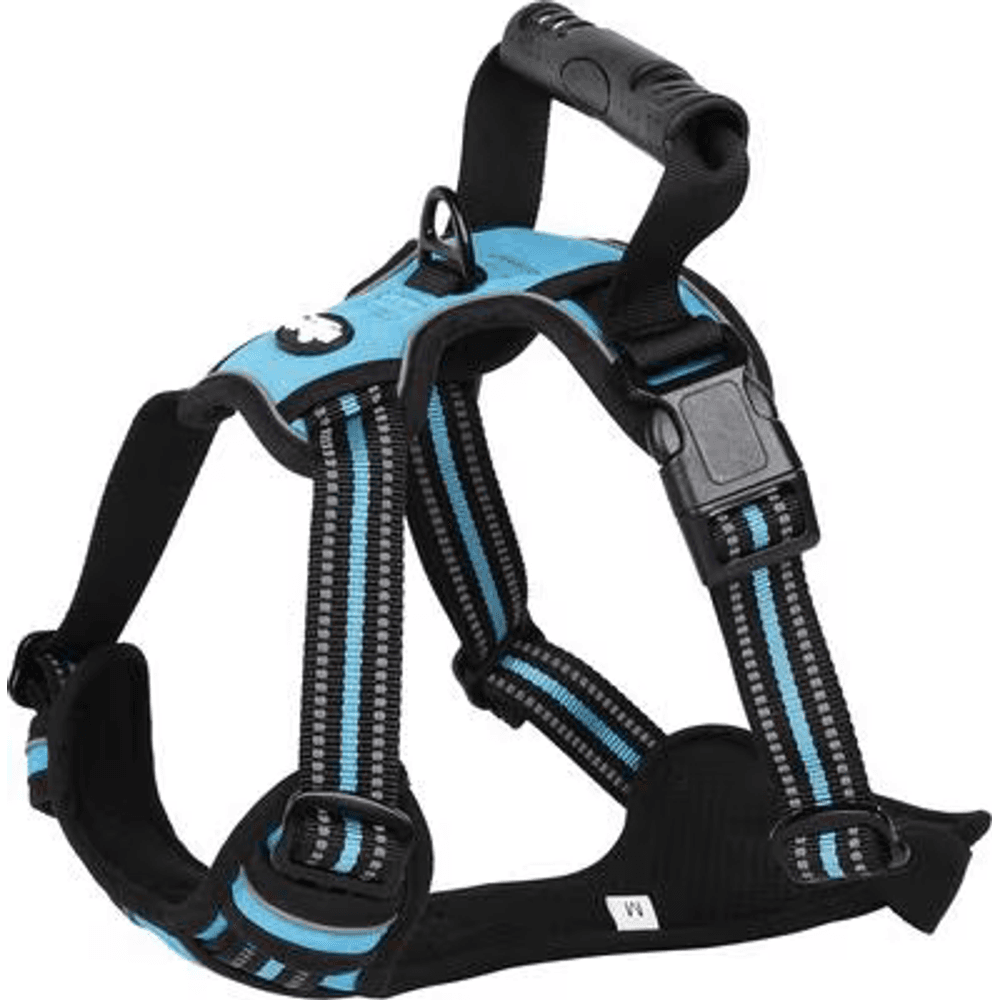
A padded, reflective no-pull harness that spreads leash pressure across the chest instead of the throat, the switch most vets recommend for a dog with a cough, a collapsing trachea, or any airway irritation so the leash never presses on...
Webvet may earn a commission when you click through to Chewy, at no extra cost to you.
When To See a Veterinarian
Persistent or severe limping warrants a professional exam. These are the signs that separate a watch-at-home limp from a call-the-vet limp.
- Limping lasting more than 24 hours: a limp that persists beyond a day usually extends past a minor strain or bruise.
- Swelling, heat, or deformity: visible inflammation, a hot joint, or a limb that looks misshapen signals serious injury or joint disease.
- Refusing to bear weight: holding the leg up entirely, or a limb that dangles, needs same-day attention.
- Signs of severe pain: crying, panting, trembling, or guarding the limb indicates acute distress that requires prompt assessment.
- Lethargy, fever, or poor appetite: limping plus whole-body signs can point to tick-borne disease, infection, or another systemic illness.
- Dragging, knuckling, or wobbliness: these suggest nerve or spinal involvement and should be evaluated quickly.
How Veterinarians Diagnose a Limping Dog
Diagnosis starts with observation. Your vet will watch your dog walk and trot, then work through each limb, flexing joints, pressing along bones, and inspecting the paw while feeling for swelling, heat, instability, and pain.
Orthopedic tests come next. The cranial drawer test checks the knee for CCL instability, hip extension screens for dysplasia and arthritis, and a kneecap check catches a luxating patella.
X-rays reveal fractures, arthritis, dysplasia, and bone lesions; many dogs need light sedation for well-positioned images. Bloodwork screens for tick-borne disease, rules out systemic illness, and establishes a safety baseline before starting anti-inflammatory medication.
For tricky soft tissue and nerve cases, your vet may recommend advanced imaging such as ultrasound, CT, or MRI, or refer you to a board-certified veterinary surgeon or neurologist.

Treatment and Recovery: What Helps a Limping Dog Heal
Treatment depends entirely on the diagnosis, which is why guessing at home has limits. Most plans combine rest, pain control, and a targeted fix for the underlying cause.
- Rest and controlled activity: nearly every limp starts with strict rest: leash-only walks, no stairs or furniture, and sometimes crate rest for 1-2 weeks.
- Veterinary NSAIDs: dog-specific anti-inflammatories such as carprofen, meloxicam, or grapiprant control pain and inflammation safely under veterinary supervision.
- Arthritis therapies: vets layer in joint supplements (glucosamine, chondroitin, omega-3s), weight loss, and newer options such as monthly monoclonal antibody injections for arthritis pain.
- Surgery: CCL tears in medium and large dogs often do best with procedures such as TPLO, and fractures, dislocations, and severe patella luxation are also surgical. Most dogs return to normal activity over roughly 8-12 weeks of staged recovery.
- Physical rehabilitation: structured physio, including underwater treadmill work, laser therapy, and controlled strengthening exercises, speeds recovery after surgery and keeps arthritic dogs mobile longer.

For dogs with lasting weakness or arthritis, support gear makes daily life easier: see our guide to mobility aids for dogs, from harnesses to ramps.
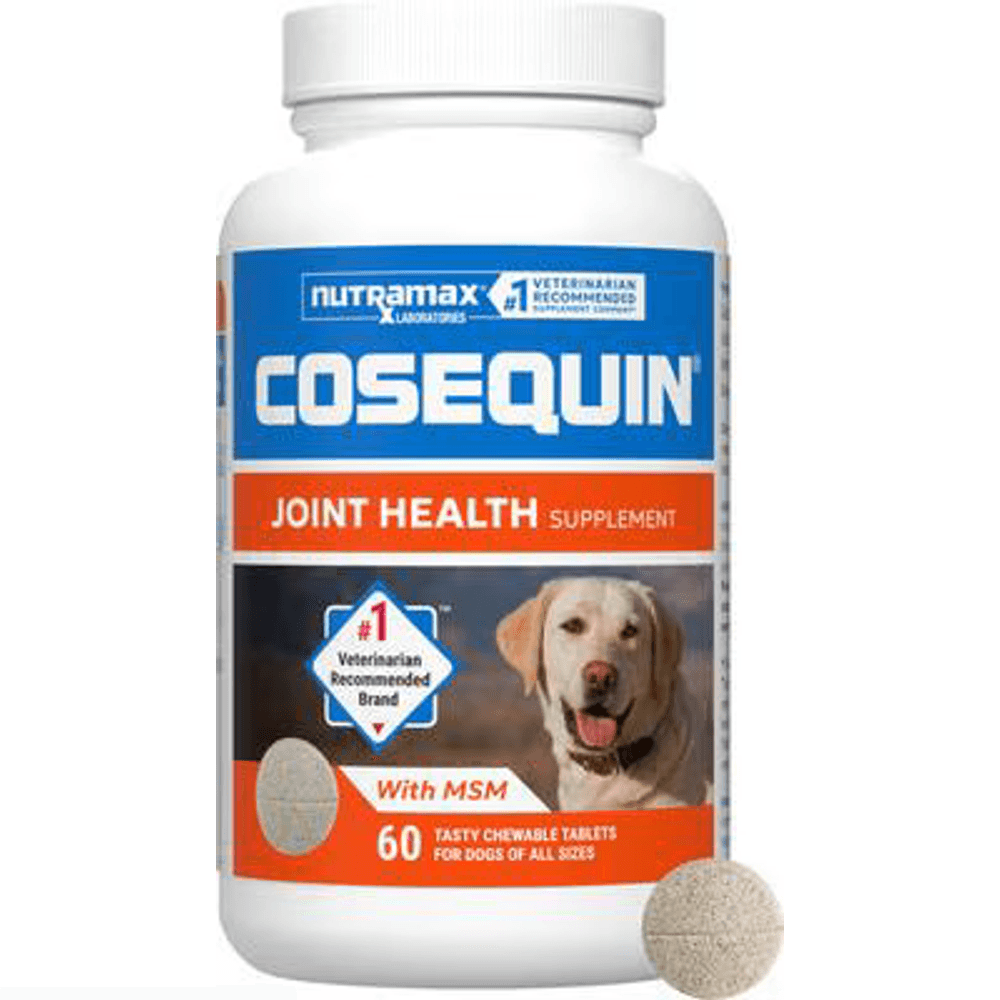
The number-one veterinarian-recommended joint supplement brand. Glucosamine, chondroitin, and MSM support cartilage and cushion the joints, easing the stiffness and hind-end weakness that can leave an older or arthritic dog trembling.
Webvet may earn a commission when you click through to Chewy, at no extra cost to you.
At-Home Care for Mild Limping
Mild limping often improves with observation and simple home care. These steps support recovery while you watch for any sign that a vet visit is needed.
- Rest and restricted activity: avoid running, jumping, and rough play to reduce strain on the affected limb.
- Paw inspection: check pads, toes, and nails for cuts, thorns, burrs, or debris that could be causing the discomfort.
- Cold compresses: apply gently for 10-15 minutes to areas with mild swelling to soothe inflammation in the first day or two.
- No human pain medications: several are toxic to dogs and can complicate the treatment your vet would otherwise prescribe.
- Recheck after 24-48 hours: if the limp persists or worsens, schedule a veterinary exam to identify the underlying cause.
Preventing Future Limping
Proactive care reduces the risk of lameness by protecting joints, muscles, and paws before problems become chronic. These habits support long-term mobility and comfort.
- Maintain a healthy weight: excess weight multiplies stress on joints and ligaments and is a major risk factor for both arthritis and CCL tears.
- Exercise at a consistent, appropriate intensity: balanced daily walks and low-impact activity build muscle that protects joints; avoid turning a couch-potato dog into a weekend athlete overnight.
- Nail trimming and paw care: short nails and healthy pads prevent the altered gait and minor injuries that lead to limping.
- Joint support and supplements: glucosamine, chondroitin, and omega-3 fatty acids, chosen with your vet, support cartilage health as your dog ages.
- Annual wellness exams: routine visits catch early arthritis, dysplasia, and other causes of limping before severe lameness develops.
Older dogs benefit from prevention the most. Our guide to helping a senior dog with joint pain feel more comfortable covers beds, flooring, ramps, and daily routines that keep aging joints moving.
Supporting Lifelong Mobility and Comfort
Limping is a sign that needs attention, though it is not always an emergency. Reading the onset, the leg involved, and the severity tells you a great deal, and early recognition usually means simpler treatment and a quicker recovery.
Rest a mild limp, skip the human medications, and trust the 24-48 hour rule: a limp that outlasts it has earned a veterinary exam. Timely care protects your dog's joints, comfort, and quality of life for years to come.
For authoritative background, the Merck Veterinary Manual's owner guide to lameness in dogs, the American College of Veterinary Surgeons on cranial cruciate ligament disease, and VCA Animal Hospitals on lameness in dogs are excellent vet-written resources.
Frequently Asked Questions
What do you do when a dog is limping?
Start with rest and a paw check. Keep your dog on leash-only walks for 24-48 hours, inspect the paw for thorns, cuts, or a torn nail, and apply a cold compress to mild swelling. If the limp is severe, involves a dangling limb, or lasts beyond a day, see your veterinarian.
Why is my dog limping but acting normal?
Because dogs instinctively mask pain, a limping dog often still eats, plays, and wags normally. The limp itself is the pain signal. Common culprits are minor paw injuries, early arthritis, and partial ligament tears. Rest your dog and recheck in 24-48 hours; a limp that persists still needs a vet.
Will a dog limping heal by itself?
Minor limps from a small strain or pulled muscle often resolve with a few days of rest. Limps caused by ligament tears, fractures, dysplasia, arthritis, or infections will not heal on their own and usually worsen without treatment. Any limp lasting more than 24-48 hours deserves a veterinary exam.
When should I be worried about my dog limping?
Worry when a limp lasts more than 24 hours, your dog cannot bear weight, the limb dangles or looks deformed, or you see swelling, heat, or severe pain. Fever, lethargy, appetite loss, or dragging a limb also signal something serious. Those signs mean call your veterinarian the same day.
Why is my dog limping after a short walk?
A limp after a short walk usually points to joint stiffness, an irritated paw, or a mild muscle strain. In older dogs, arthritis commonly flares with light activity. Check the paw first, rest your dog, and see a vet if the limp repeats after every walk or steadily worsens.
Why is my dog limping only in the morning?
Morning limping that improves as your dog warms up is a classic sign of arthritis or age-related joint stiffness, because joints are stiffest after hours of rest. A supportive bed, weight management, and a veterinary arthritis plan usually improve morning stiffness noticeably.
Why is my dog limping on one side?
A limp on one specific leg usually signals a localized problem: a paw wound, torn nail, ligament strain, or joint inflammation on that side. Note which leg your dog favors and how its head moves as it walks; that detail helps your veterinarian find the cause faster.
Why is my dog limping after a jump or play session?
Jumping and hard play can strain muscles, sprain joints, or tear the cranial cruciate ligament. A mild limp that resolves within a day or two of rest is usually a strain. A sudden back-leg limp that persists after play is a classic sign of a CCL injury.
Why is my dog suddenly limping without an apparent injury?
Sudden limping without visible injury can come from a hidden paw problem, a soft tissue sprain, a partial ligament tear, or, in some dogs, a tick-borne disease flare. Check the paw, enforce rest, and monitor for swelling or pain; a limp that persists needs a veterinary exam.
Can minor paw issues lead to long-term limping?
Yes, untreated paw problems can create chronic trouble. A cut, thorn, or nail injury changes how your dog distributes weight, which strains other joints, and an untreated wound can become infected. Treat paw injuries early and keep nails trimmed to protect a normal gait.
Feature Photo: by Sam Lion/Pexels
$65 · no membershipIs your dog slowing down or seeming sore?
A licensed vet can examine your dog over video and prescribe treatment online when it's appropriate.
Talk to a vet- Licensed vets
- All 50 states
- same-day Rx
Webvet may earn a commission if you book.

Veterinarian · DVM
Athena Gaffud, DVM, is a licensed veterinarian and writer based in the Cagayan Valley of the northern Philippines. She runs the website countryvetmom.com. Dr. Gaffud earned her Doctor of Veterinary Medicine degree from the University of the Philippines Los Baños in 2011, ranking in the top 10 and receiving the Best Undergraduate Thesis Award in Large Animals. With over a decade of experience, she has worked as a researcher, a practitioner for small and large animals, and in veterinary technical sales, marketing, and pet insurance. A published author, Dr. Gaffud promotes responsible pet ownership and combats misinformation on animal care through her platforms, including the DocAthena Facebook Page and DocAthena YouTube channel. She is a writer and editor for various pet-related websites such as Total Vet, Honest Paws, PangoVet, Dogster, Catster, My Best PH, Paw Origins, Bully Max, Not a Bully, Paws and Claws CBD, many others. She was also cited in different pet-related media articles such as The Dog People, USA Today, Newsweek, New York Post, Reader’s Digest, Smithsonian Magazine, Woman’s World, Dog Time, Patch, Kinship, Martha Stewart, and many others. Moreover, she is also a published fiction author on Kindle.


